

Alix Aymé
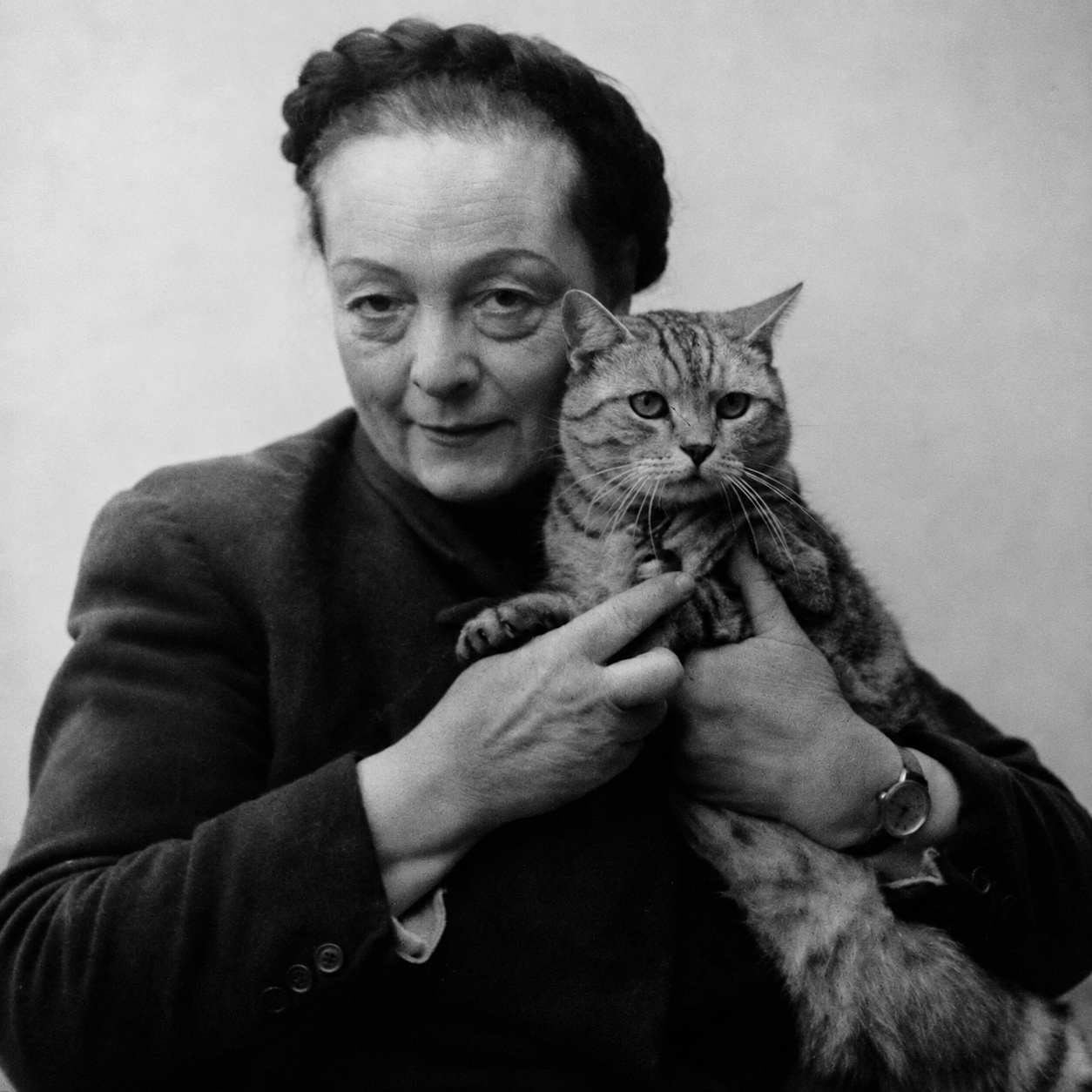
Alix Aymé (France, 1894-1989)
Born in Marseille in 1894, Alix Aymé received her artistic training in France and became a pupil of Maurice Denis, whom she met around 1917. The teaching of Denis and the Nabis would remain a constant point of reference throughout her career, particularly in her treatment of flattened space, colour and the decorative organisation of the painted surface.
Aymé first travelled to Asia in 1920, settling in Shanghai before reaching Hanoi the following year. Between 1925 and 1926, she taught drawing at the French Lycée in Hanoi. After returning briefly to France, she came back to Indochina in 1930 and travelled extensively through Vietnam, Laos and Cambodia, later visiting Japan, Manchuria and Beijing. In 1935, she joined the École des Beaux-Arts de l’Indochine in Hanoi.
Lacquer became central to her work during these years. In Hanoi, Aymé participated in the renewed study of this traditional medium at a moment when its possibilities were being reconsidered within modern painting. Gold, cinnabar red, black lacquer and mother-of-pearl were employed not simply for decorative effect, but as elements within an increasingly complex pictorial structure. Her contribution formed part of the broader transformation of lacquer that would become one of the defining achievements of modern Vietnamese art.
Women, children, landscapes and scenes of daily life recur throughout her work. Yet observation is rarely literal. Figures are simplified, spatial depth compressed and natural forms reorganised through rhythm and colour. In this respect, Aymé remained faithful to the formal lessons of Maurice Denis while adapting them to the materials, subjects and visual experience of Asia.
Her years in Indochina constitute the central period of her career and place her among the important figures in the development of twentieth-century Vietnamese lacquer painting.