

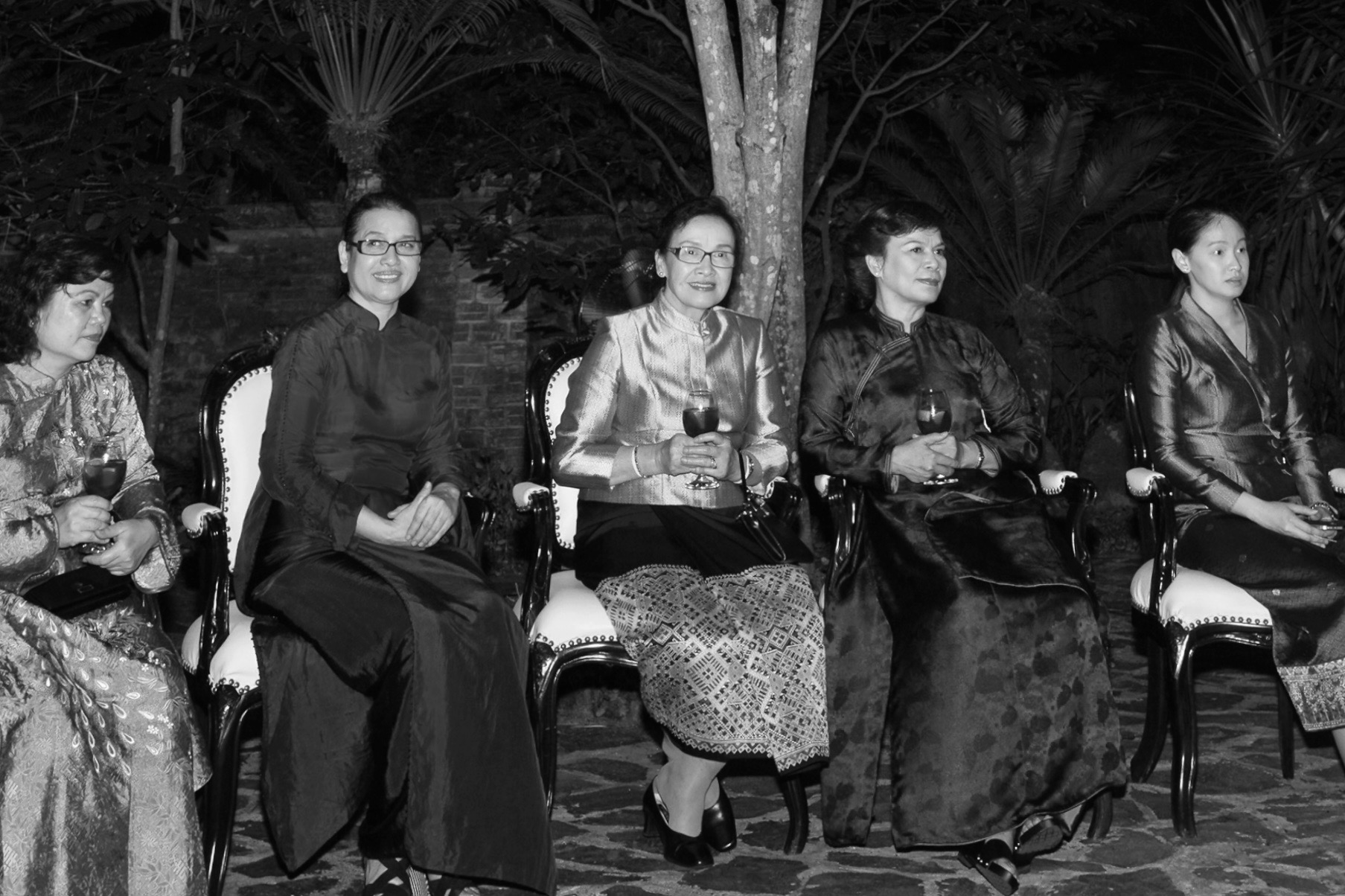
A Diplomatic Encounter: Where Culture Becomes A Language Of State or The Quiet Authority of Culture
At the formal request of His Excellency Trương Tan Sang, President of the Socialist Republic of Vietnam, and First Lady Mai Thi Hanh, Boi Tran Garden is honoured to receive Naly Sisoulith, alongside the distinguished diplomatic delegation, on the occasion of the first official foreign visit to Vietnam by His Excellency Thongloun Sisoulith in April 2015, through a ceremonial cultural encounter shaped by Hue royal music and refined culinary tradition.
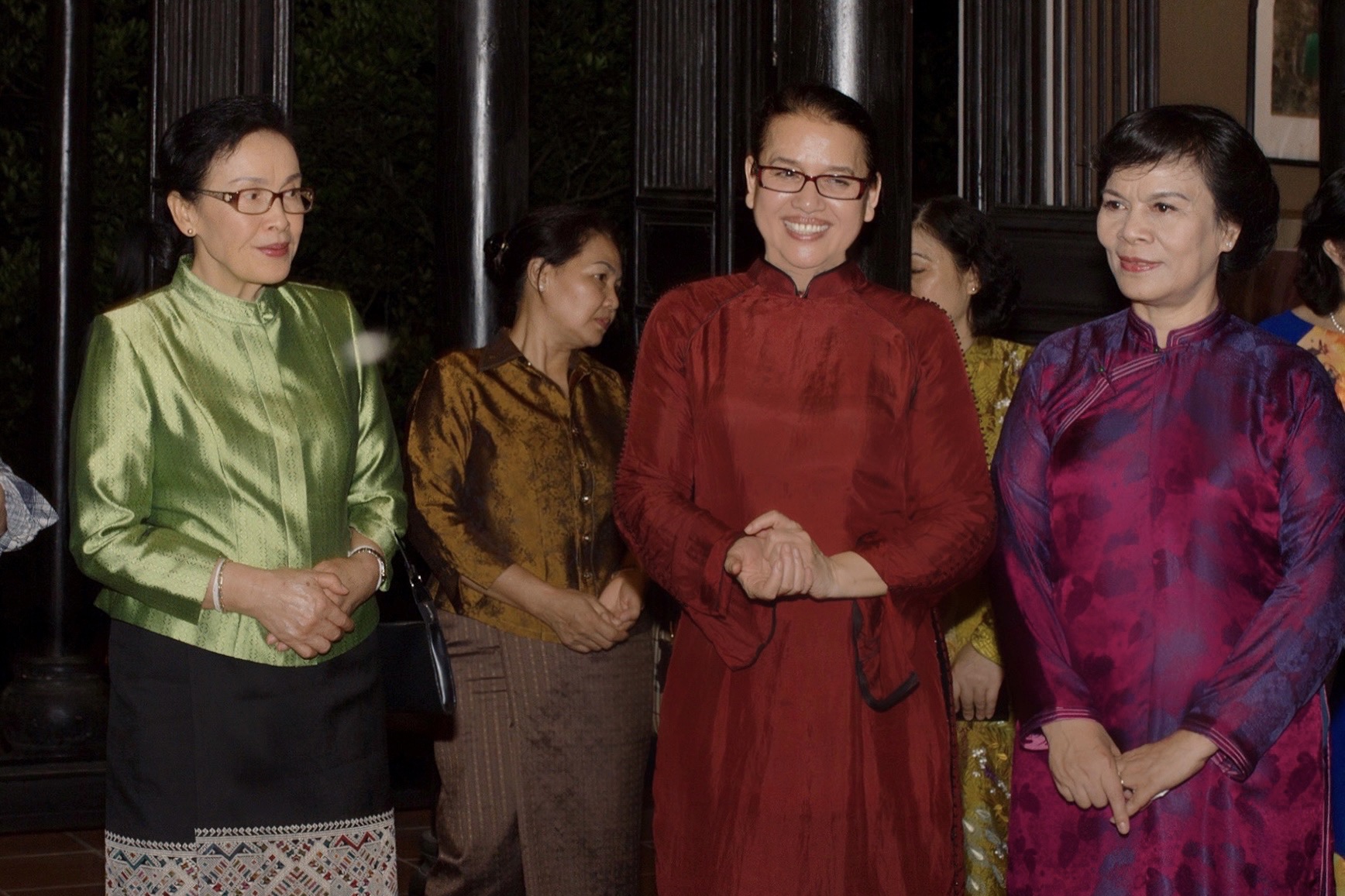
Boi Tran Garden is honoured to receive, in a ceremonial capacity, Naly Sisoulith, First Lady of the Lao PDR, together with Mai Thị Hạnh, and the distinguished diplomatic delegation, on the occasion of the first official foreign visit to Vietnam by His Excellency Thongloun Sisoulith in April 2015.
At the formal request of His Excellency Trương Tan Sang, President of the Socialist Republic of Vietnam and First Lady Mai Thi Hanh, Boi Tran Garden was selected as the setting for a ceremonial cultural reception. The occasion was conceived not only as an act of hospitality, but as a refined representation of Vietnamese cultural identity at a moment of diplomatic significance.
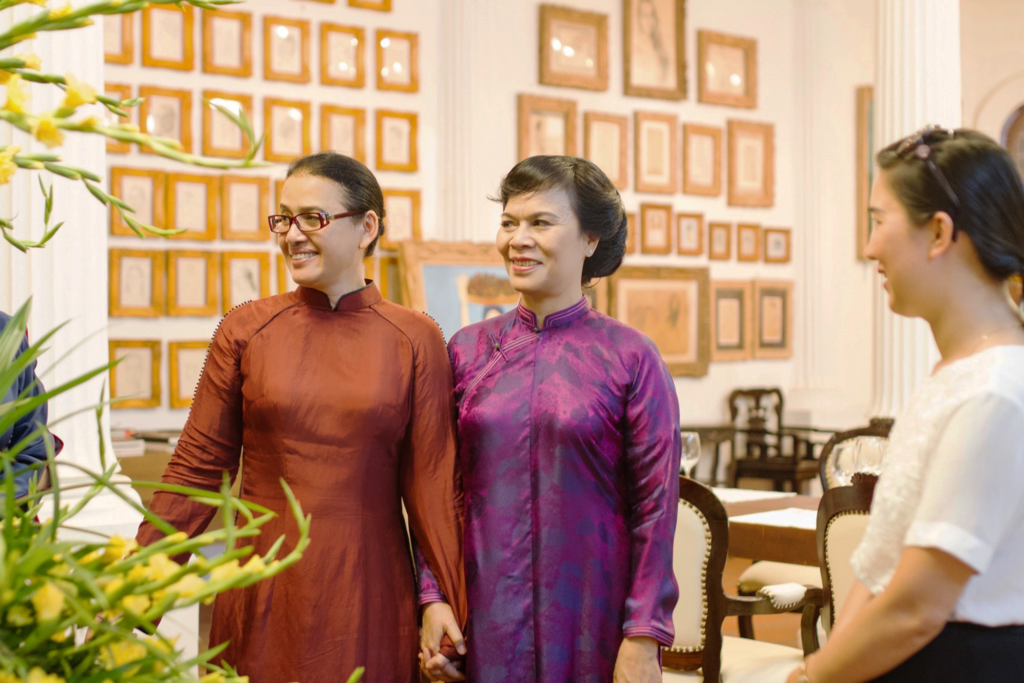
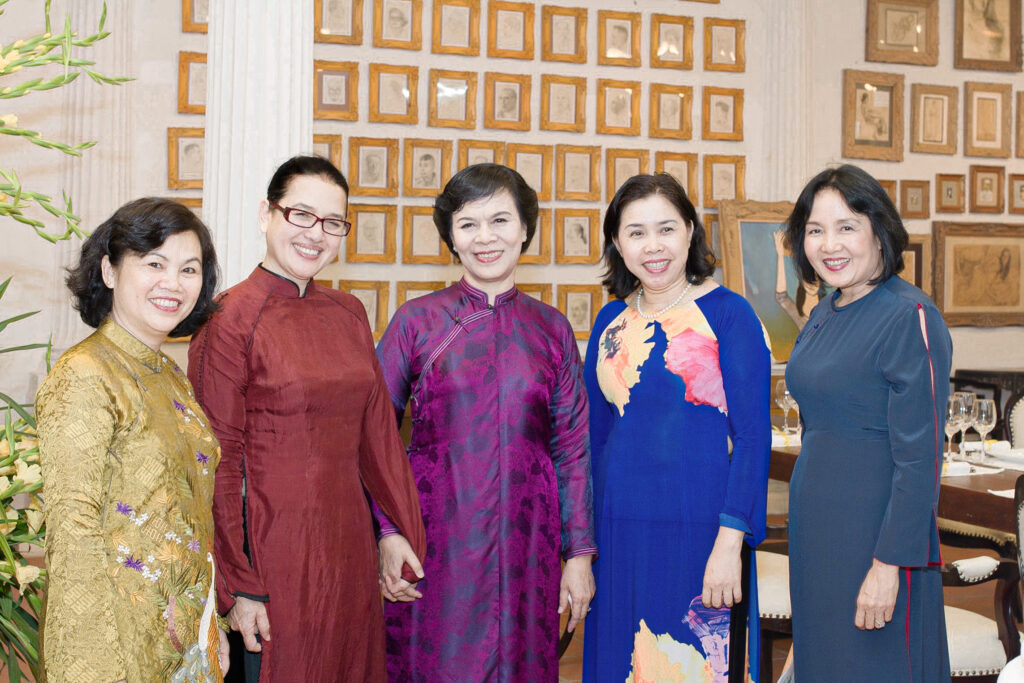
The afternoon in Huế unfolded with quiet clarity. Light settled gently upon aged tiles and garden paths, revealing rather than illuminating. As the delegation entered, the space did not transform. It revealed itself, as it had long been, shaped not by arrangement, but by continuity.
The first steps into the garden did not lead into spectacle, but into a different order of experience. Architecture, vegetation, and silence existed in equilibrium, formed over time through the sensibility of Artist Bội Trân. Here, refinement was not constructed for the occasion. It was already present.
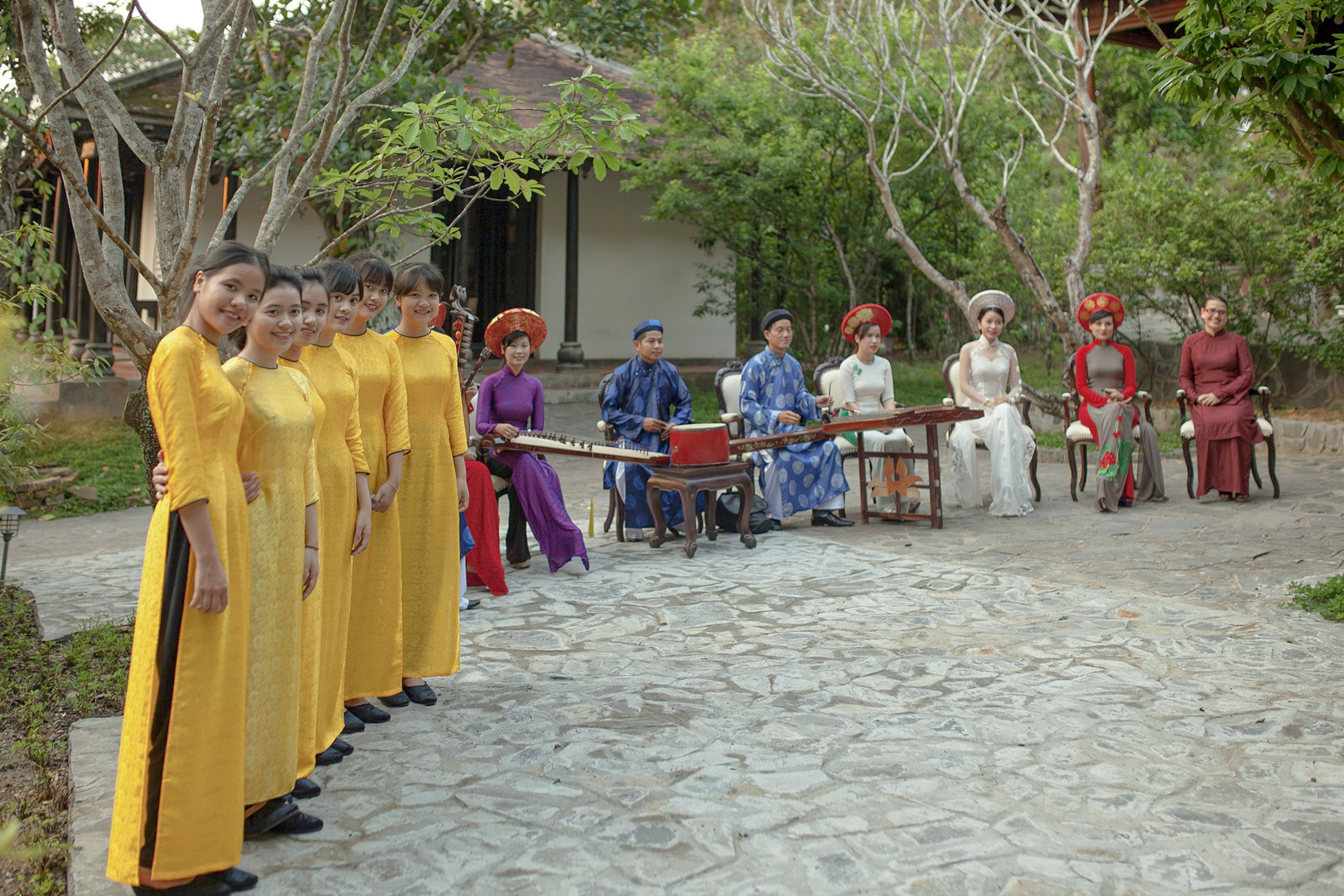
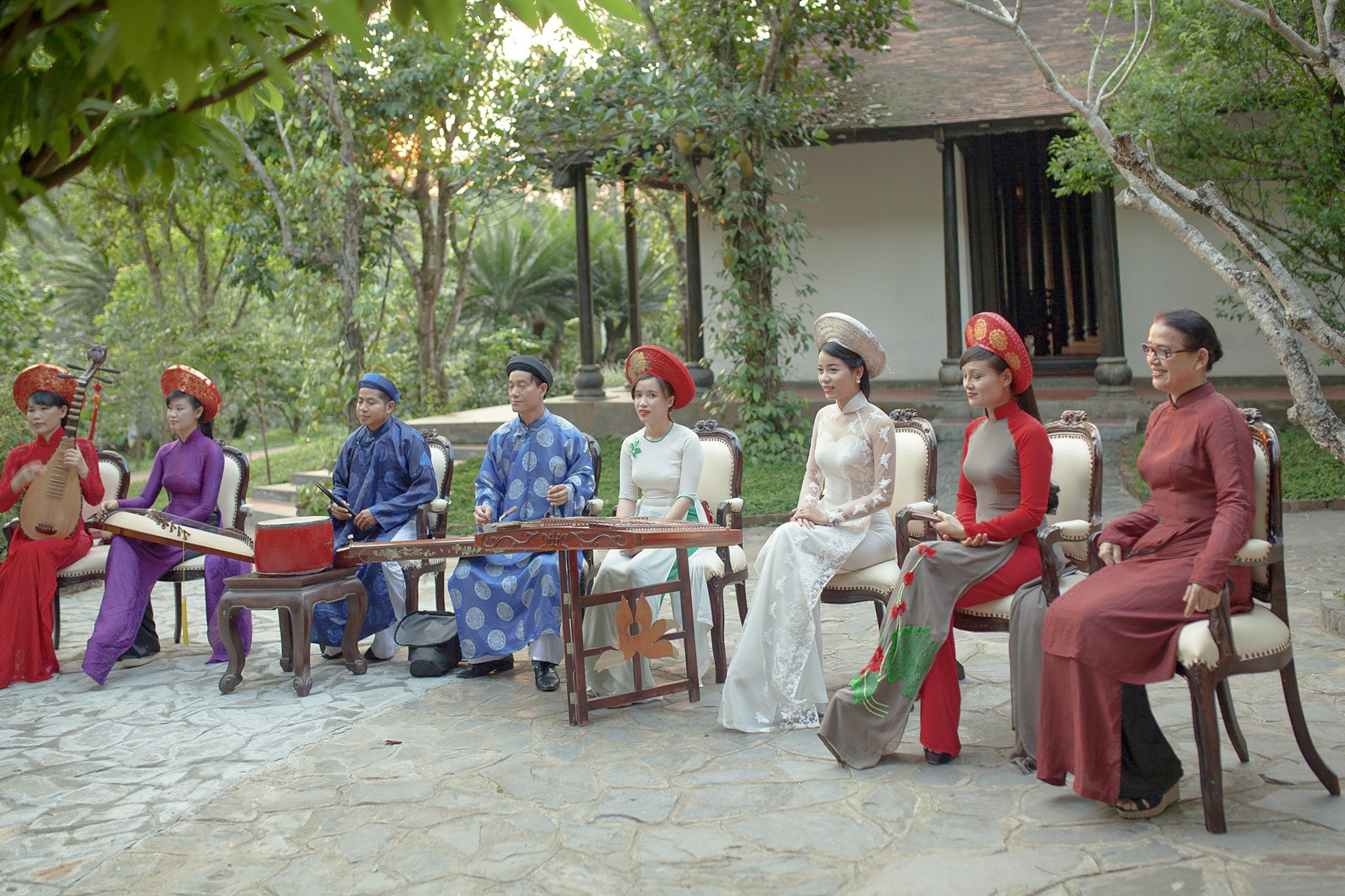
The presence of Huế royal refined music unfolded with ceremonial restraint. Once integral to the rituals of the imperial court, its measured cadence carried a sense of dignity and order. Each note was held in balance, each pause deliberate. It was not a performance, but a continuity of cultural memory, received with attentive respect by the two First Ladies and the delegation.
Within this setting, Artist Bội Trân received First Lady Naly Sisoulith, First Lady Mai Thi Hanh, and the distinguished delegation, guiding them through a space where art, architecture, and lived experience converge. The French Indochina residence within the garden revealed itself as an inhabited archive, where objects do not merely belong to history, but remain part of a living cultural continuum.
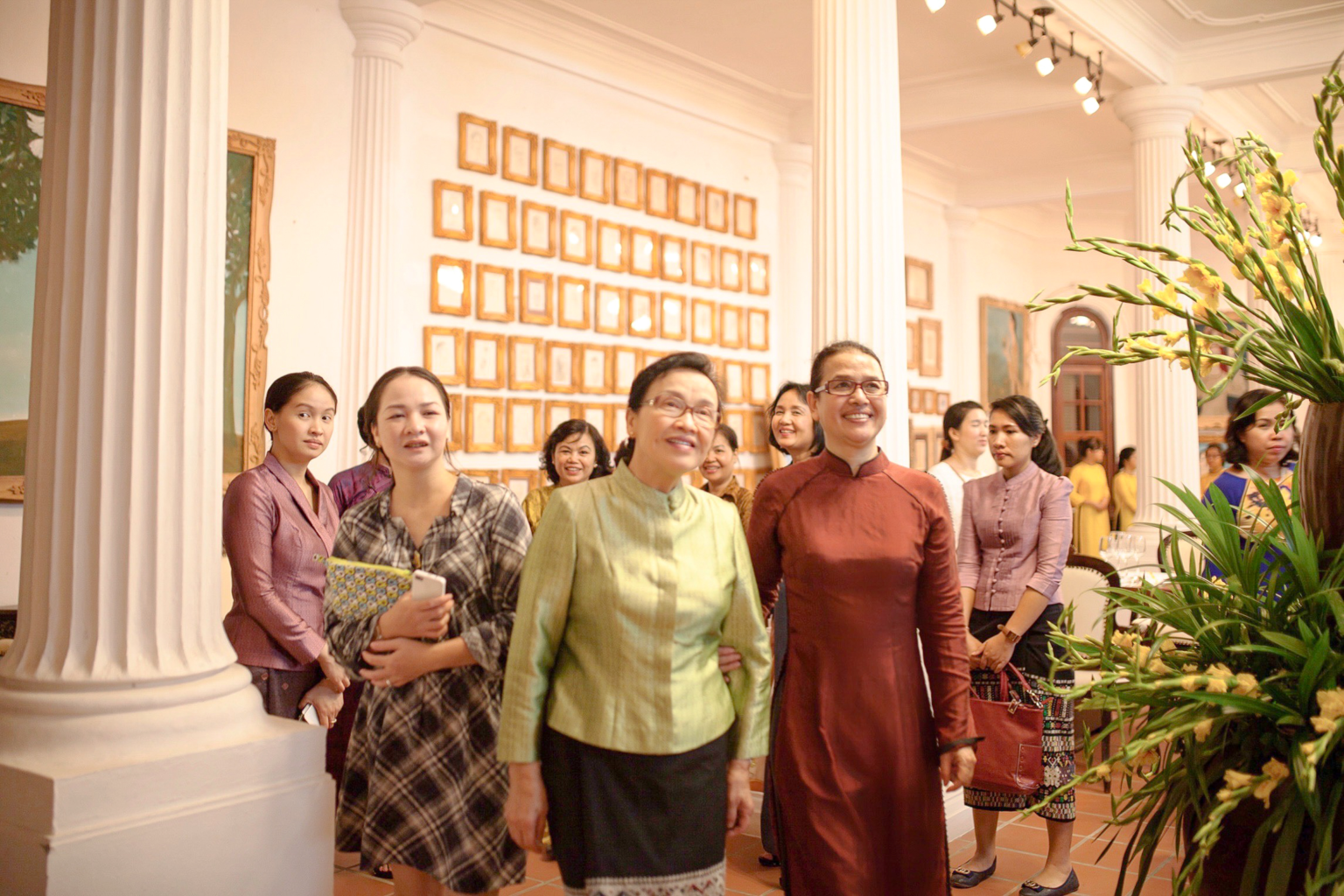
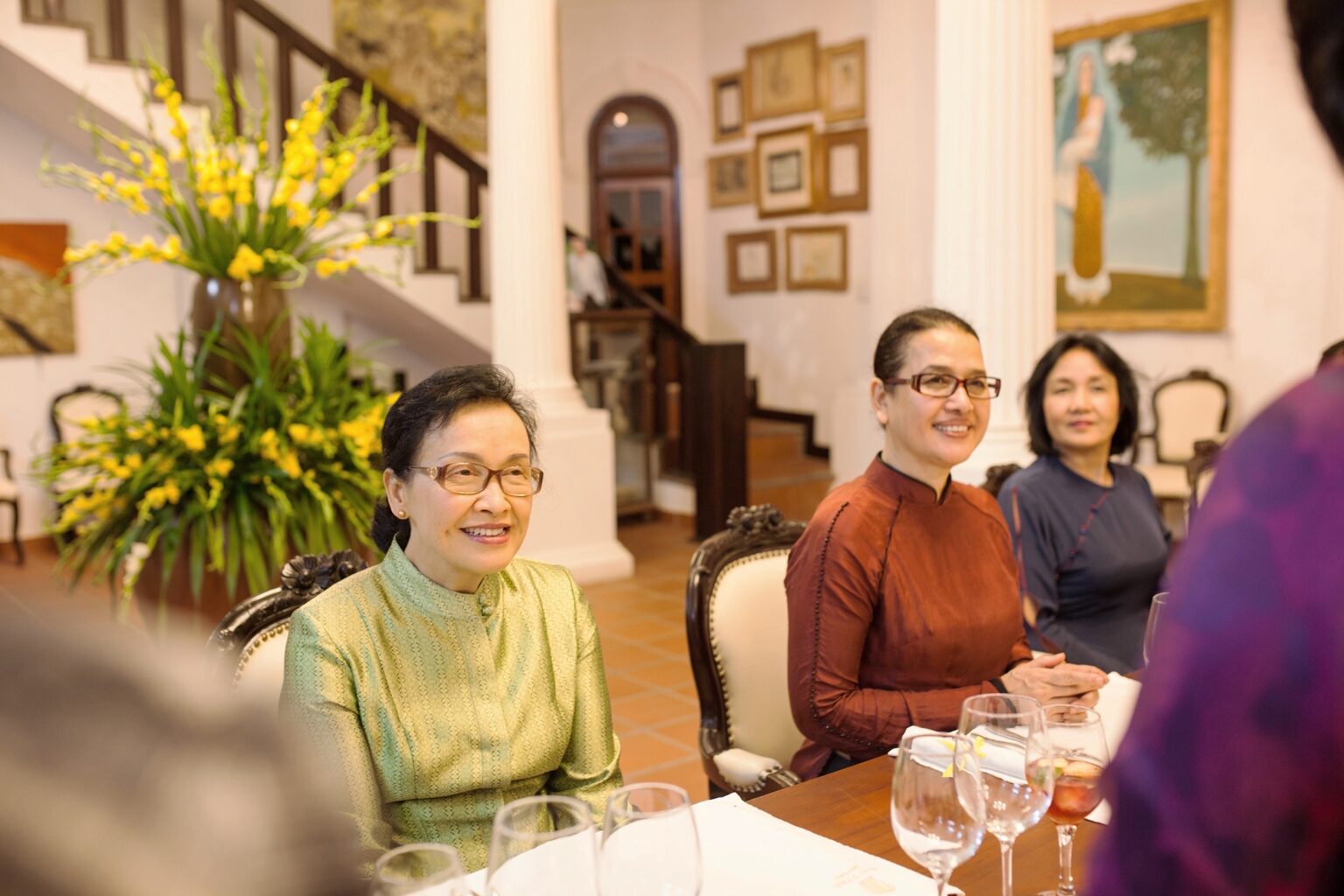
Moments of quiet attention emerged. A pause before a painting. A gesture of recognition before an object. Not as formal observation, but as a shared sensitivity to what endures beyond explanation.
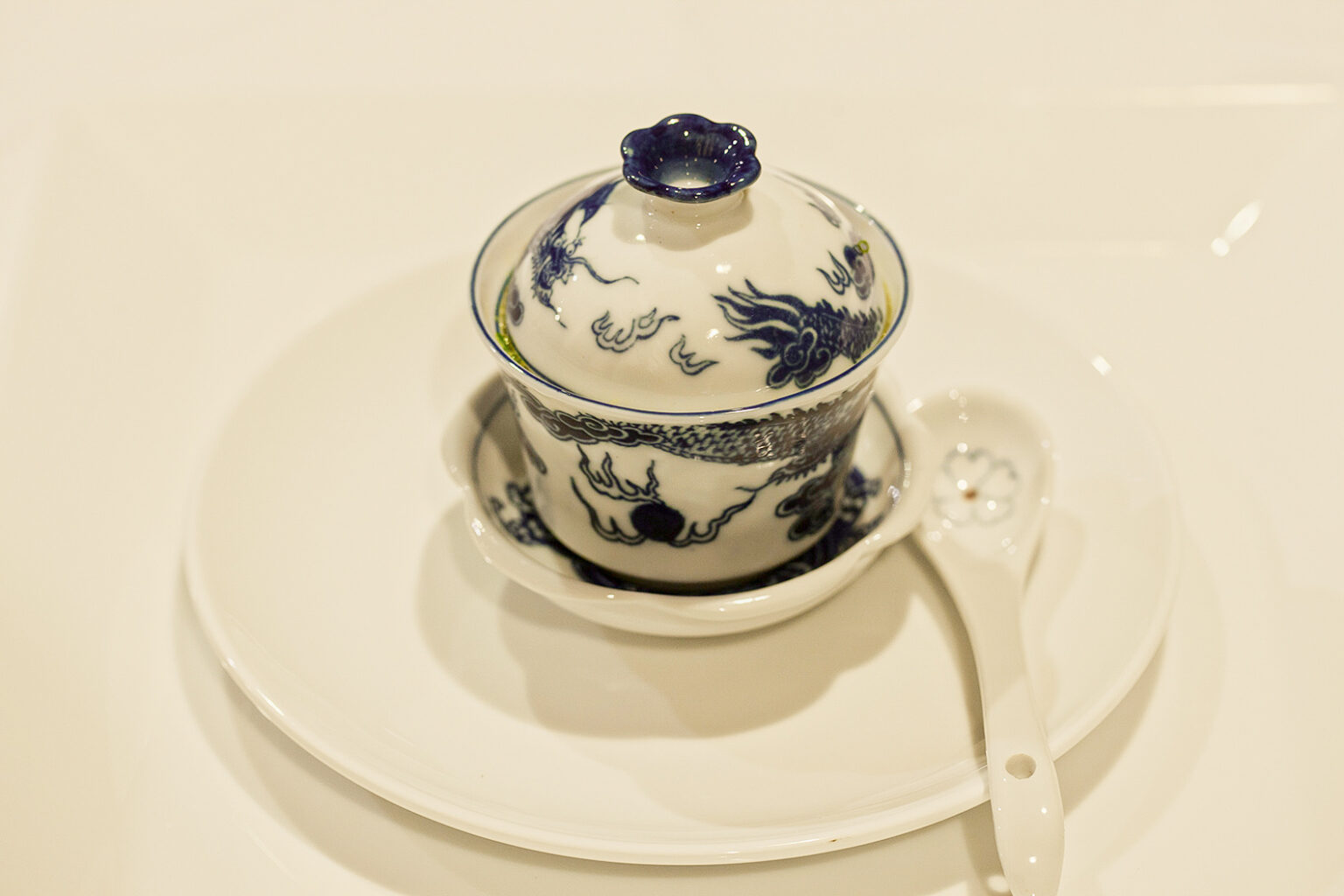
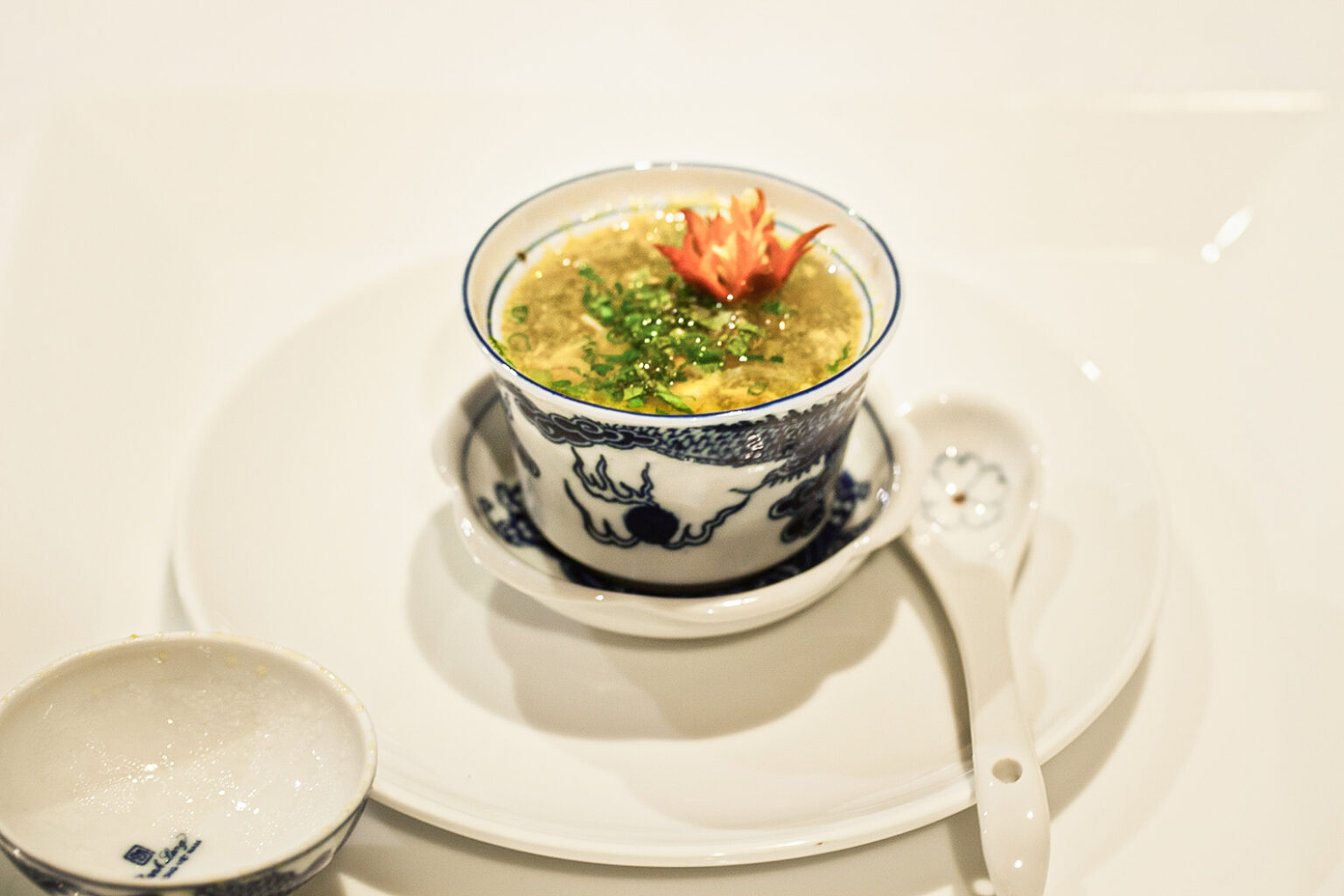
The culinary offering followed with equal refinement. Rooted in the traditions of the imperial kitchen, Huế cuisine was presented with restraint and precision. Each dish, composed with care, reflected a balance between form and essence. In this context, cuisine became an extension of ceremony, a language through which culture could be experienced directly and collectively.
Throughout the reception, Artist Bội Trân embodied a presence both artistic and cultural. Without excess, without insistence, she extended her practice beyond painting into space, into architecture, and into the act of receiving. The garden itself stands as this extension, where culture is not exhibited, but lived and shared.
What took place at Boi Tran Garden was not merely a diplomatic reception. It was a moment in which ceremony, culture, and human presence became inseparable, allowing diplomacy to assume its most natural and enduring form.
In such moments, diplomacy does not stand apart from culture. It becomes one with it, and remains.