
Ngo Manh Duc, Son Of Le Thi Luu, And Boi Tran: Recognition Does Not Require Proximity, Or Where One Way Of Seeing Meets Another
The exchange between Ngo Manh Duc and Boi Tran did not begin with a meeting, but through the work itself. Having contemplated her lacquer, he recognised in her an artist “amongst the great, very great artists,” a gesture modest in form yet precise in meaning. Following Le Thi Luu, Boi Tran stands among the rare Vietnamese women artists whose work has entered the international art market. What emerges is not proximity, but recognition, when one artistic lineage encounters another.
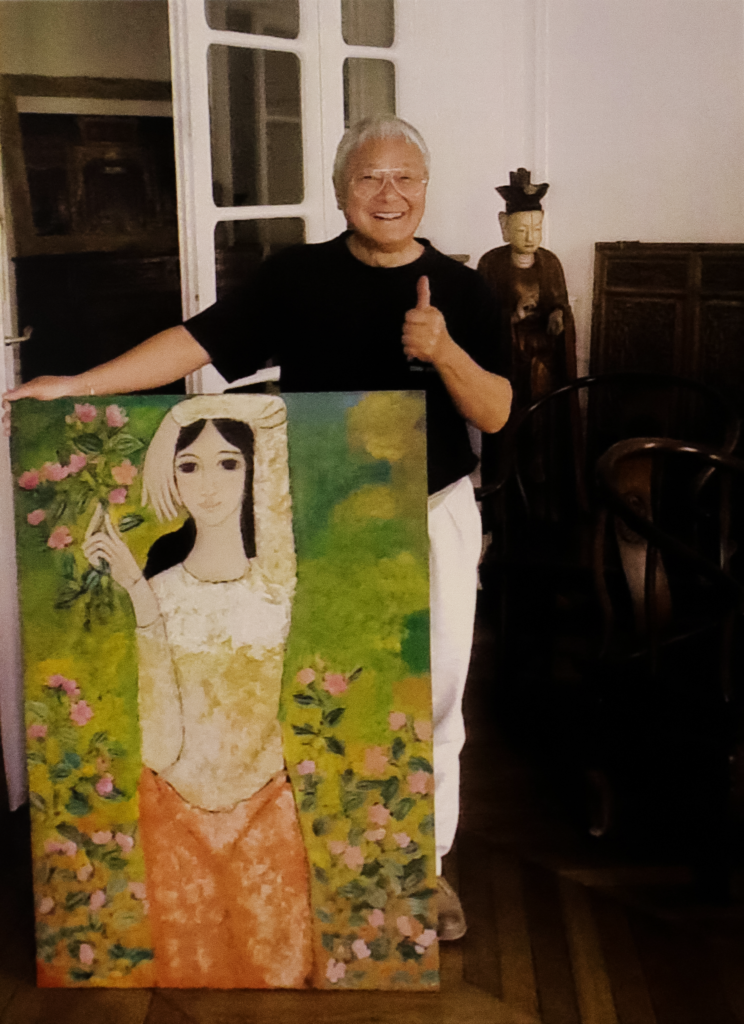
It is from this distance, both geographical and experiential, that his words to Boi Tran may be understood.
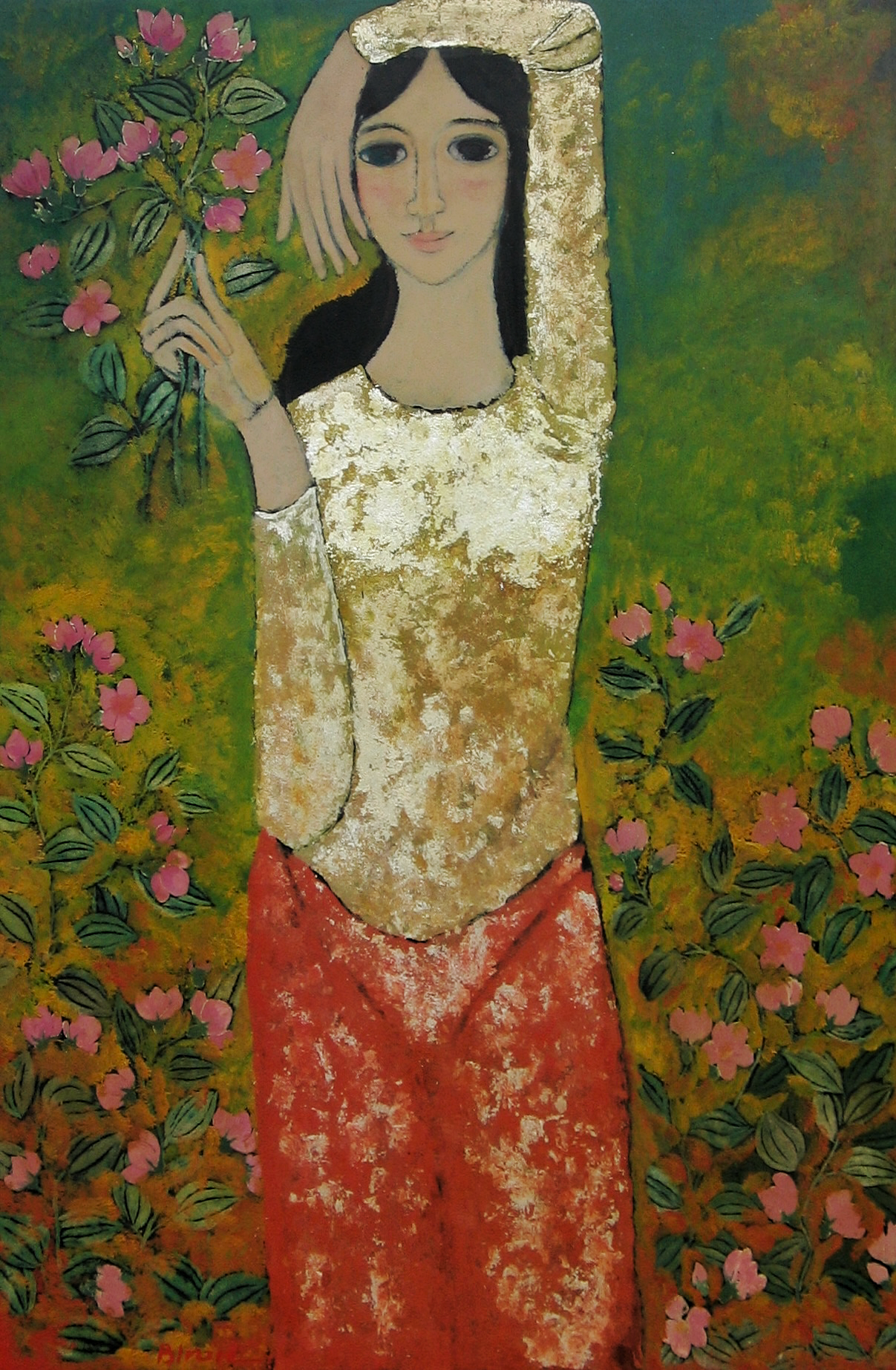
Having contemplated her lacquer work, including a composition of a solitary female presence rendered in depth and stillness, he expressed his admiration with a clarity that resists embellishment. He writes of a “magnificent” work, and recognises in her an artist “amongst the great, very great artists, especially Vietnamese,” offering what he himself calls only a “little friendly hello.”
The modesty of the gesture does not diminish its weight.
It defines it.
This was not a meeting of individuals.
It was a recognition formed through the work itself.
Boi Tran, I had the pleasure of contemplating your work which I found magnificent and I’m very happy to be able to express my admiration seeing your work. I know that you are amongst the great, very great artists, especially Vietnamese. And it is a great privilege and honour to send you a little friendly hello.
Ngo Manh Duc
The exchange between Ngo Manh Duc, son of Le Thi Luu, and Boi Tran did not begin with a meeting.
It began with an encounter through the work.
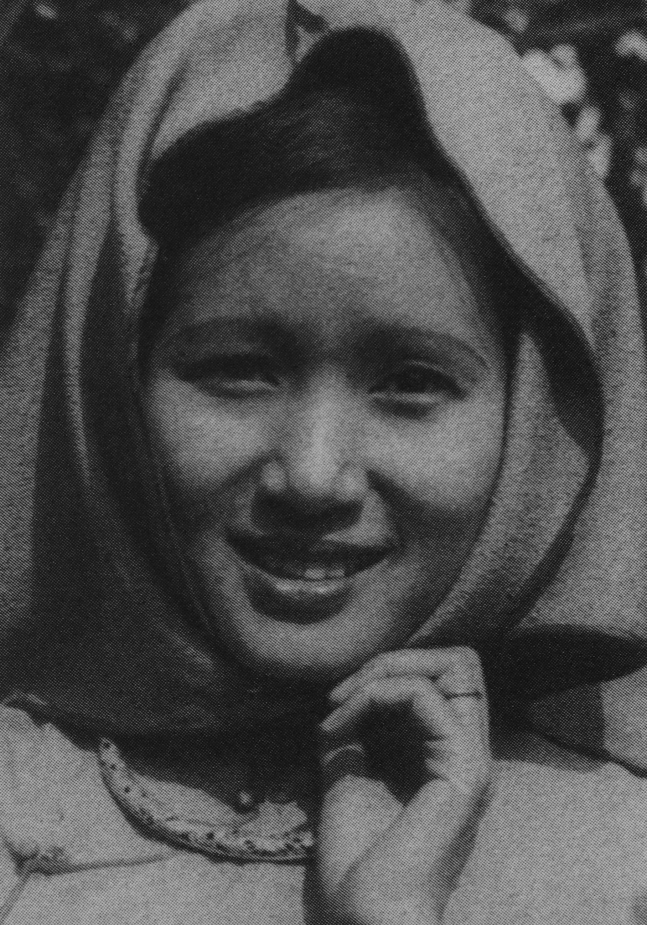
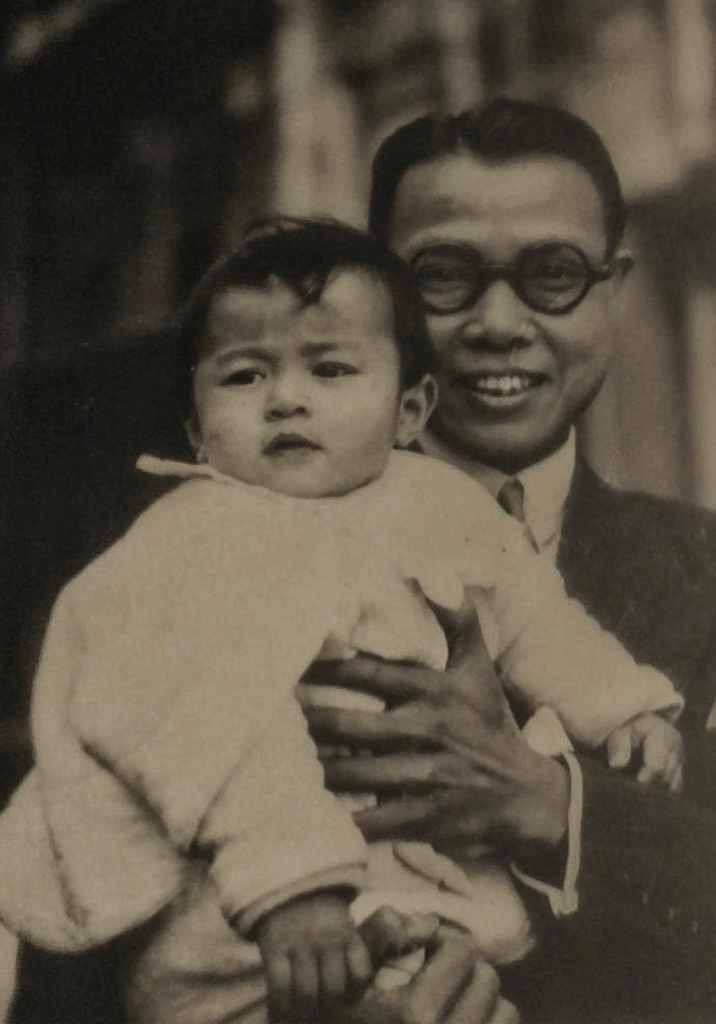
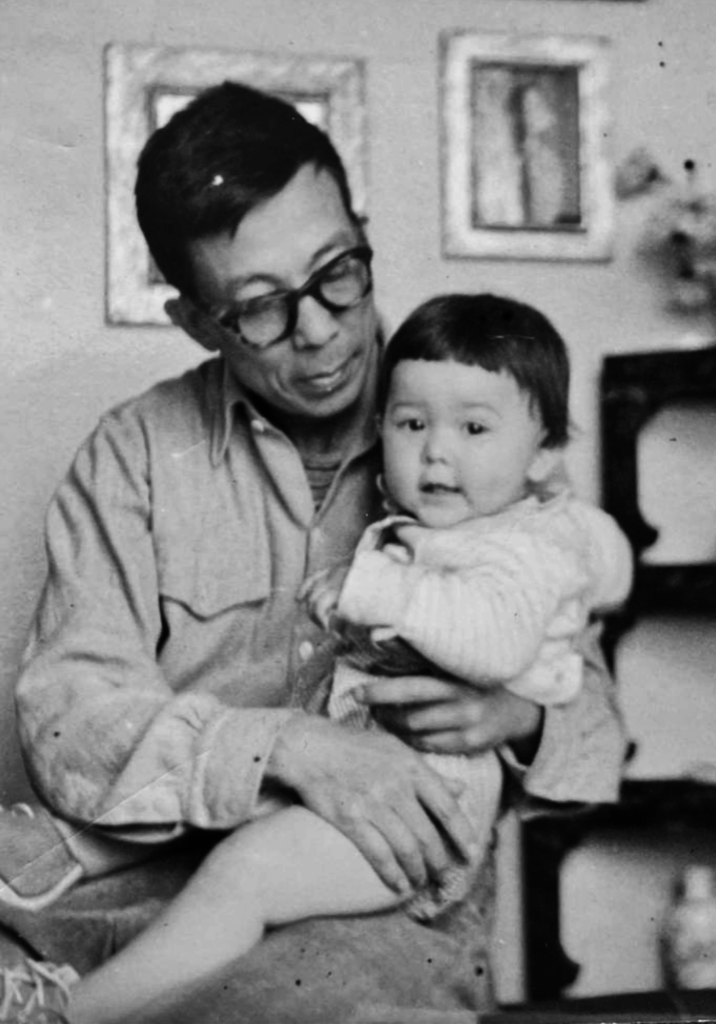
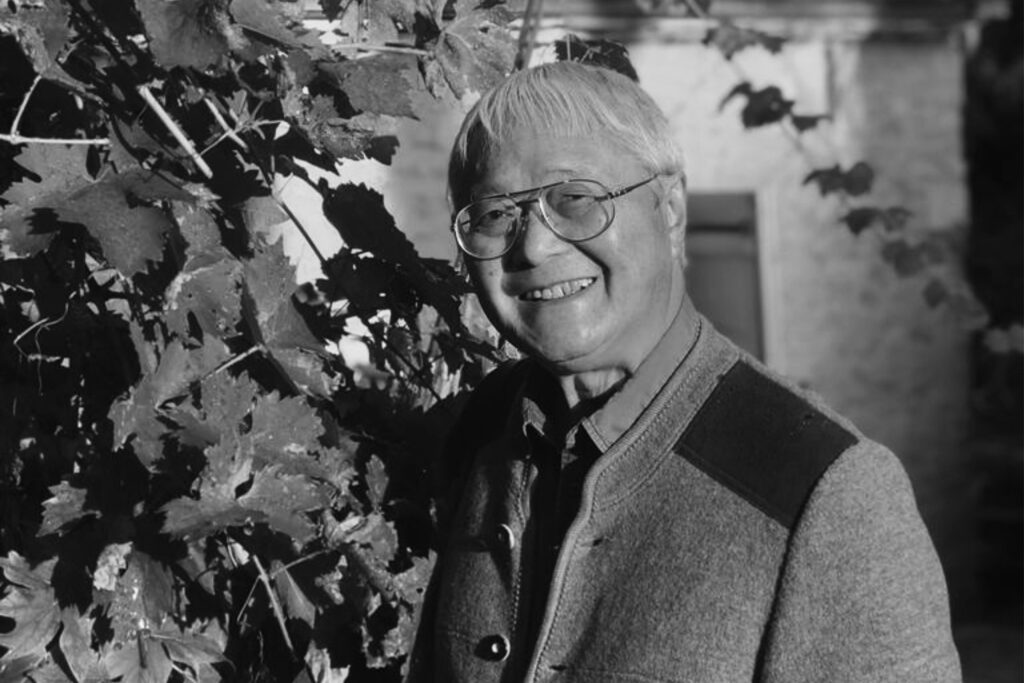
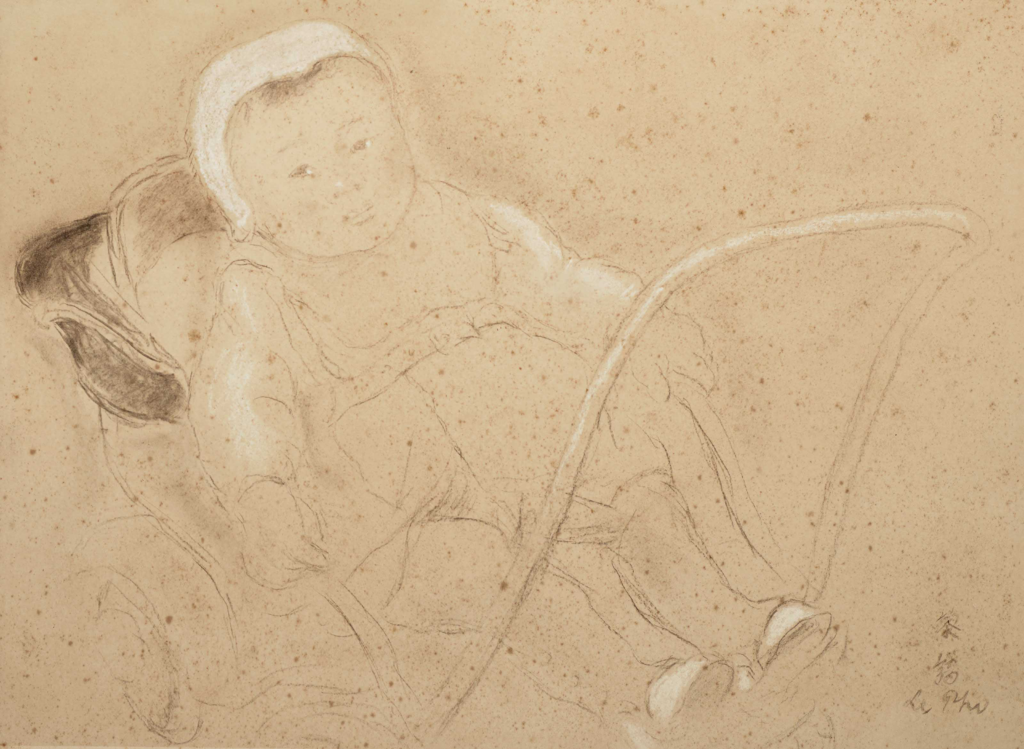
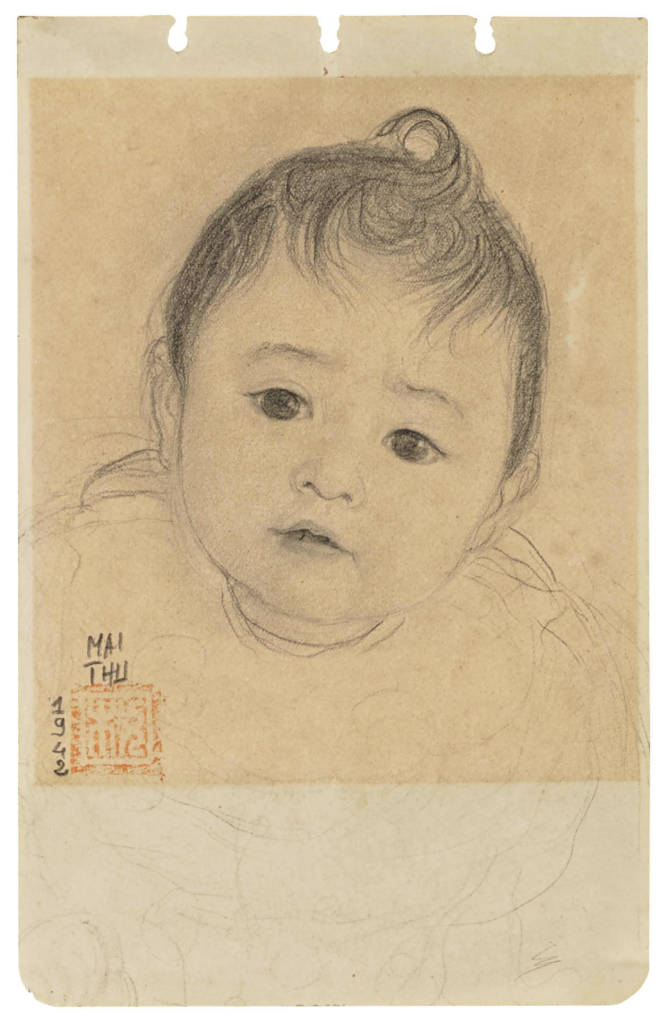
Born on 1 January 1941, in a milieu shaped by painters and intellectuals, Ngo Manh Duc grew up within a world where art was neither distant nor abstract, but part of lived experience. Portraits of him were drawn in childhood by figures such as Mai Thu and Le Pho, gestures that, in retrospect, mark the quiet proximity of a life already inscribed within art.
As the son of Le Thi Luu, one of the pioneering figures of modern Vietnamese painting, he inherited not a style, but a sensibility. This sensibility would later find its spatial form in France, in the Périgord region, where he restored and extended a residence described by Christie's as a place of serenity, not merely a house, but an atmosphere in which art, memory, and presence converge.
It is from this distance, both geographical and experiential, that his words to Boi Tran may be understood.
Having contemplated her lacquer work, including a composition of a solitary female presence rendered in depth and stillness, he expressed his admiration with a clarity that resists embellishment. He writes of a “magnificent” work, and recognises in her an artist “amongst the great, very great artists, especially Vietnamese,” offering what he himself calls only a “little friendly hello.”
The modesty of the gesture does not diminish its weight.
It defines it.
This was not a meeting of individuals.
It was a recognition formed through the work itself.
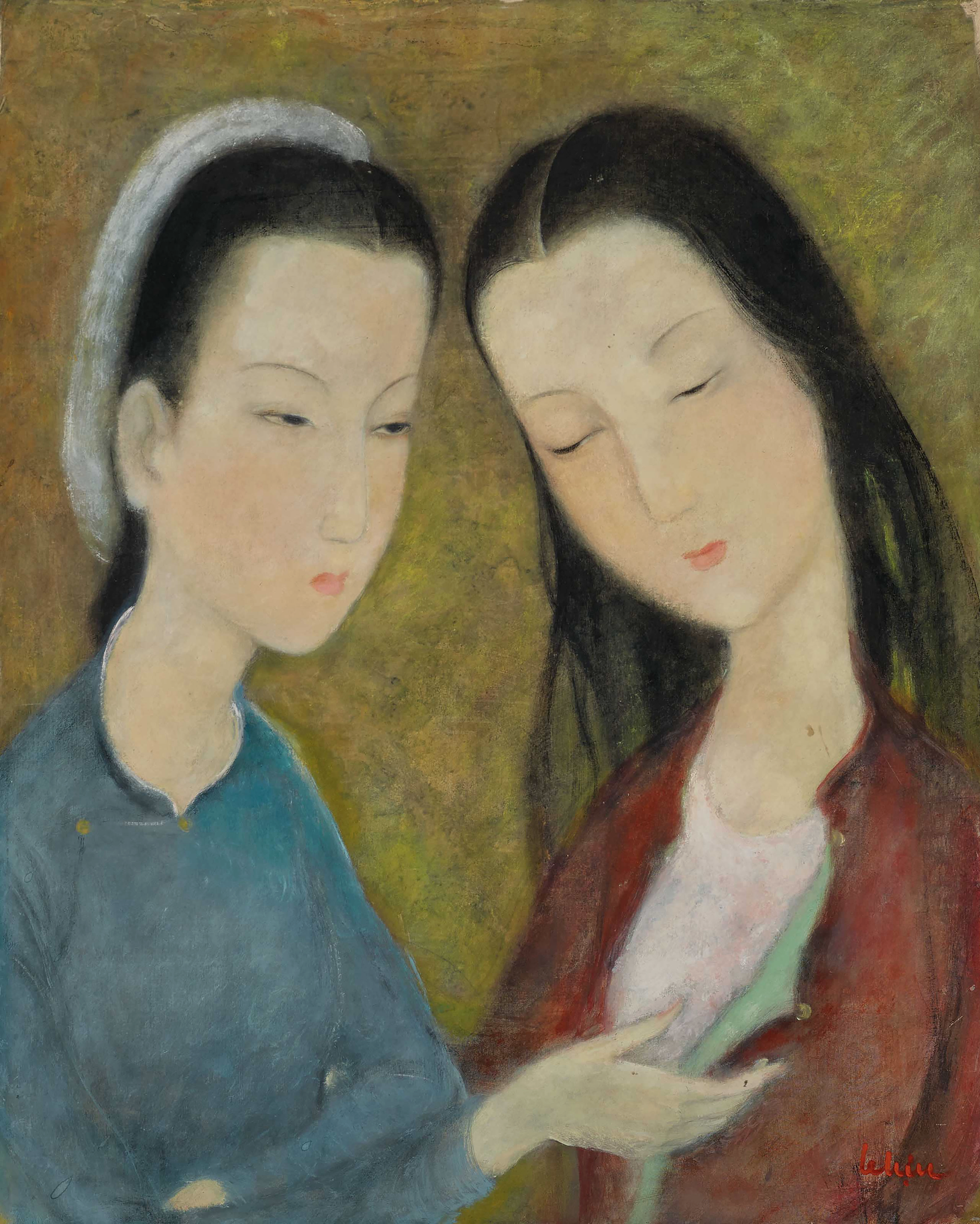
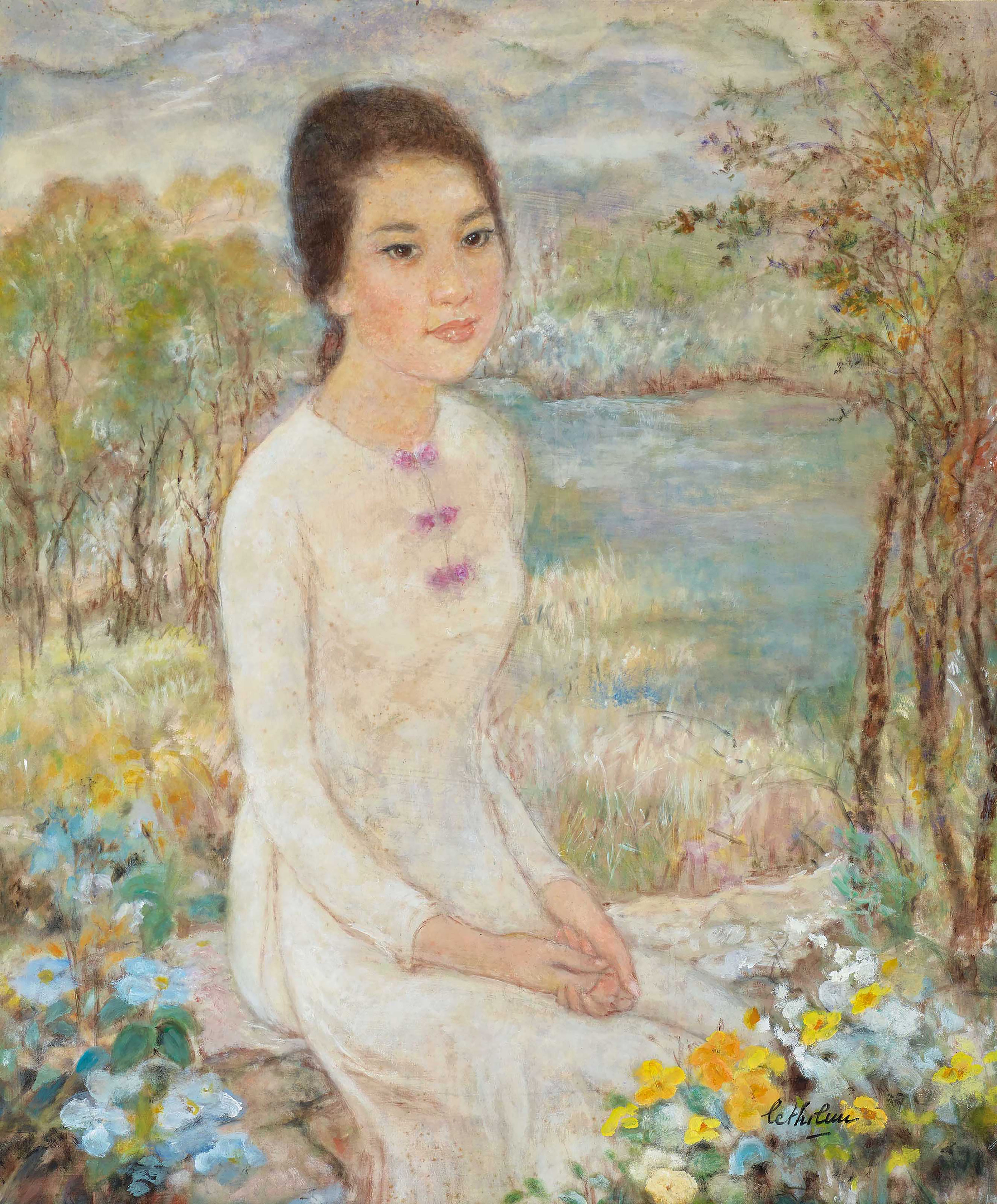
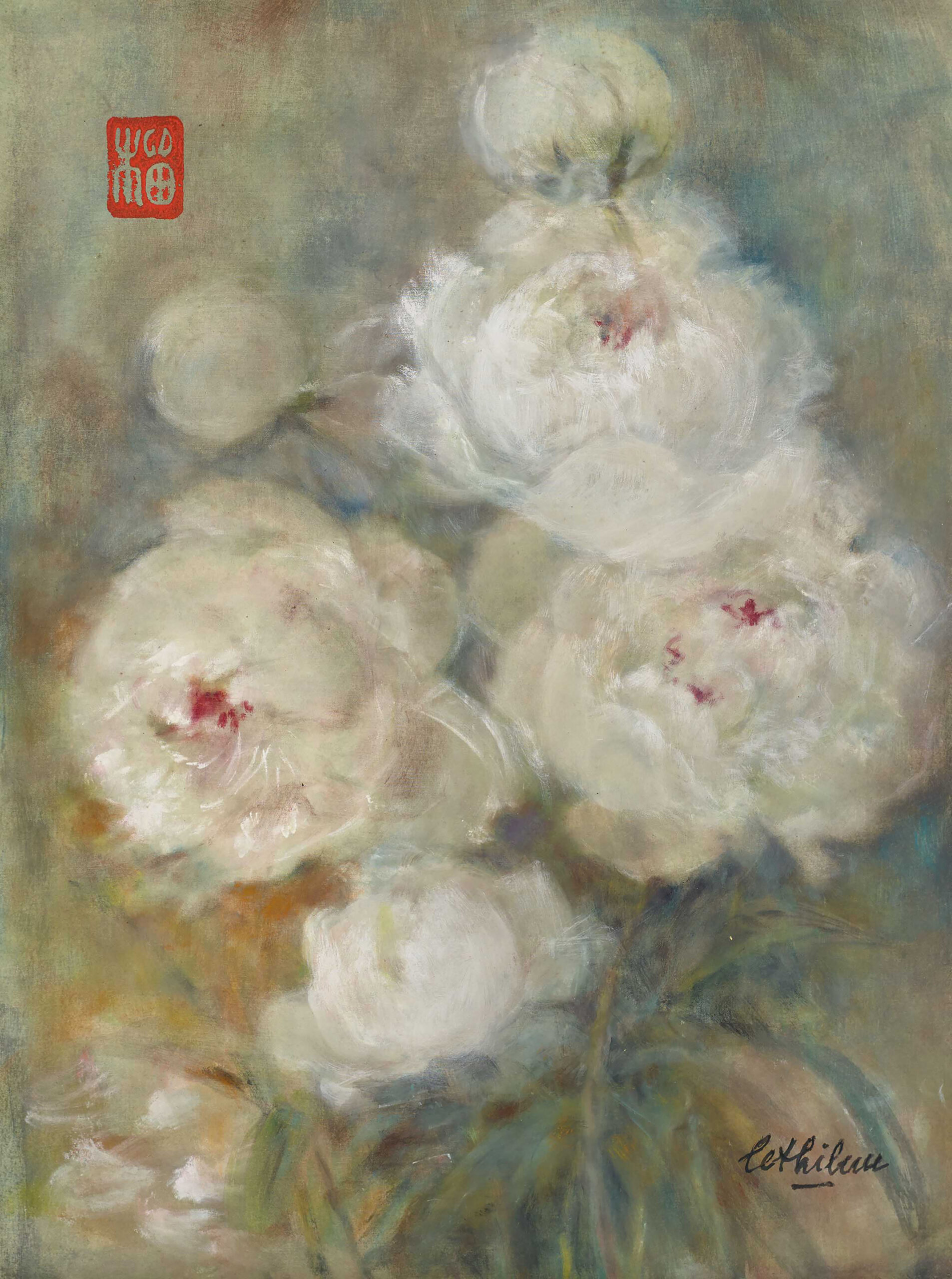
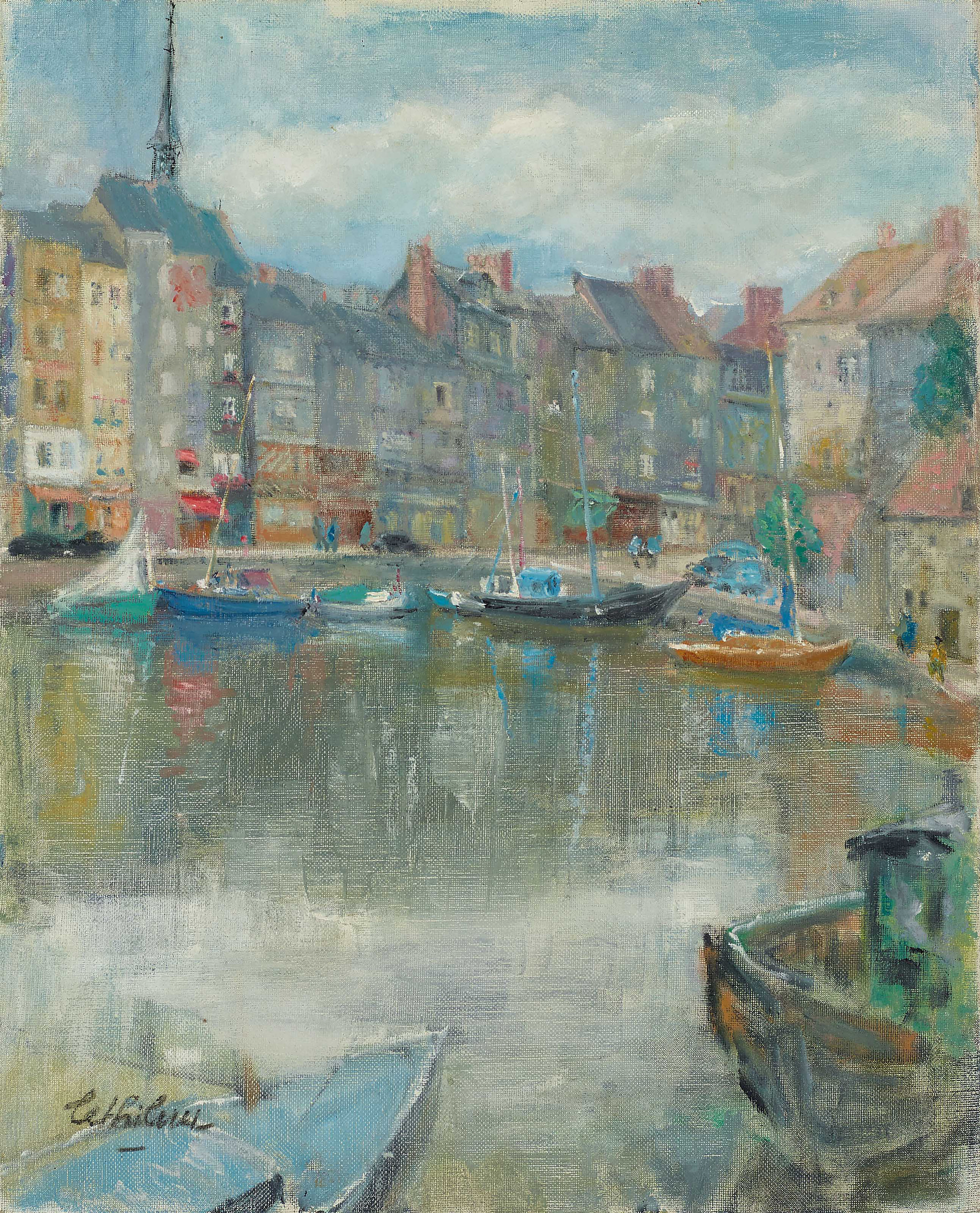
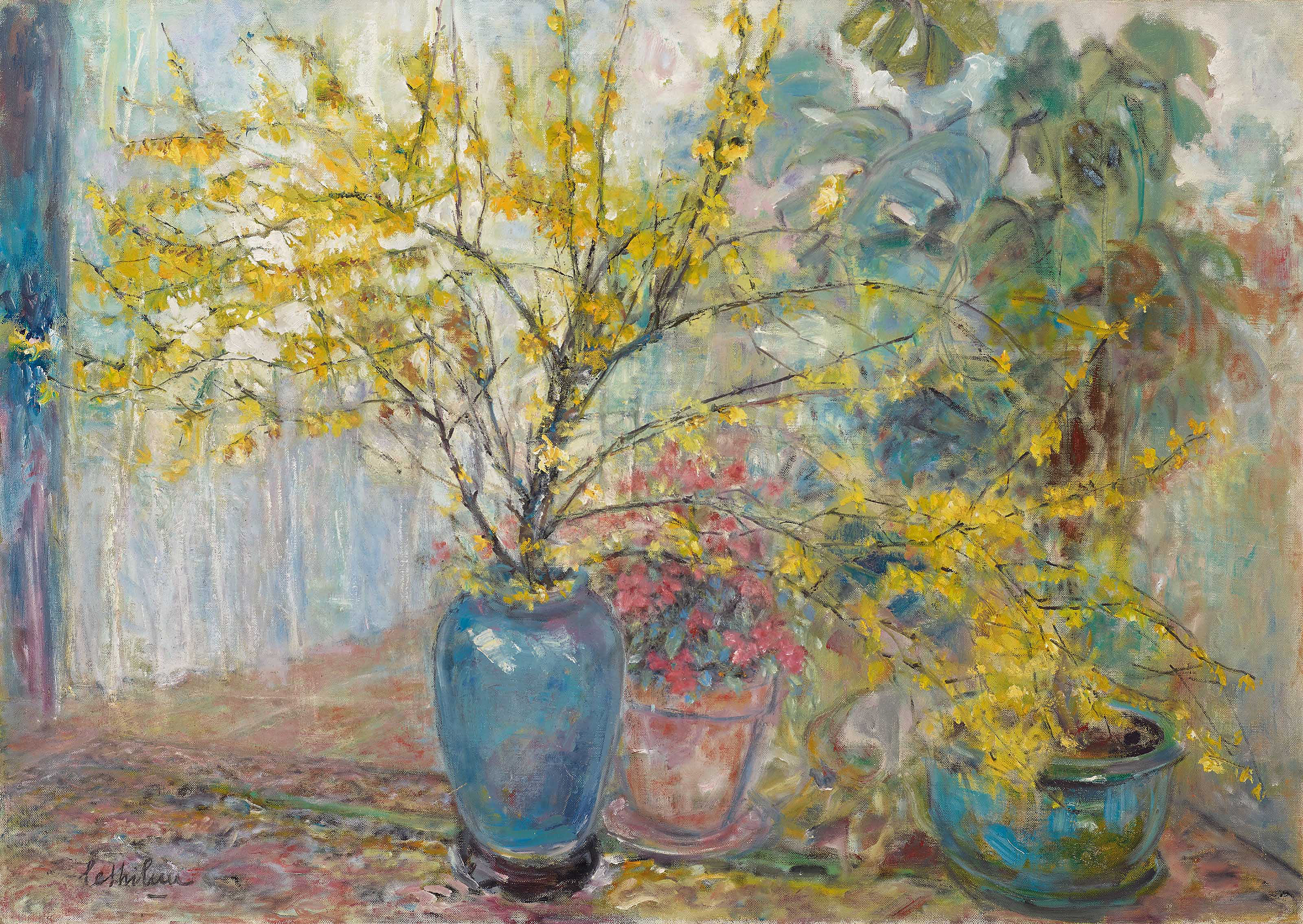
In Boi Tran, this recognition finds its resonance. Her practice, spanning painting, lacquer, and the construction of space through Boi Tran Garden, unfolds beyond medium into a lived environment, one in which art is not only created, but inhabited.
Following Le Thi Luu, Boi Tran stands among the rare Vietnamese women artists whose work has entered and been recognised by the international art market.
In this sense, the words of Ngo Manh Duc do not function as praise alone. They mark a moment in which one artistic lineage acknowledges another, not through proximity, but through perception.
From Le Thi Luu, whose works moved between continents, to Ngo Manh Duc, who preserved and transformed that sensibility into space, to Boi Tran, who continues to translate art into both image and lived environment, a continuity may be observed.
Not as a lineage of influence, but as a quiet recognition when one way of seeing encounters another.