
Boi Tran Art Gallery in Trinh Cong Son’s Epilogue: A Tender Monument Remembered
TRINH CONG SON
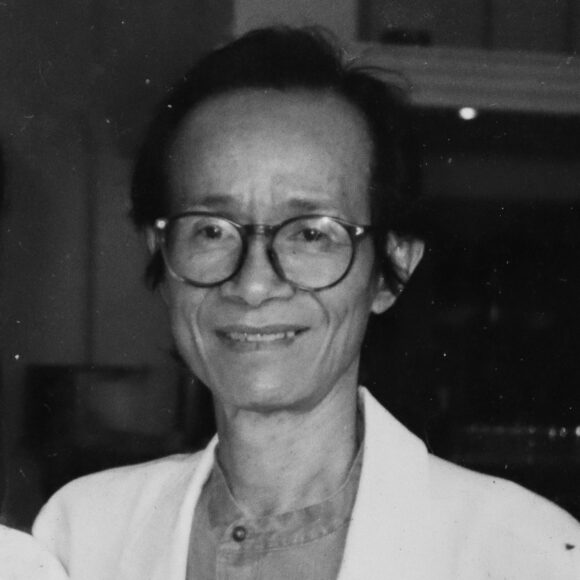
Whether small or not, Boi Tran Art Gallery is a monument in the city; its appearance will be remembered for ever. Returning to the old city…, to this art gallery, one feels that as he or she is coming back to see a sweetheart, who one will miss and love and never forget for a moment.
Not all monuments are made of stone. Some come into being through feeling, through a certain quiet recognition between a place and those who enter it. They do not declare permanence, and yet, they endure.
In 1995, within the refined yet time-worn setting of the Saigon Morin Hotel, Boi Tran Art Gallery emerged in such a manner. It did not impose itself upon Hue, nor did it seek to redefine the city. Instead, it entered softly into its atmosphere, aligning with something already present, an unspoken longing for a place where beauty might gather and be shared.
The inaugural exhibition brought together a generation of artists whose works had shaped the artistic and poetic language of Vietnam, Nguyen Trung, Hoang Dang Nhuan, Trinh Cong Son, Tran Van Thao, Do Hoang Tuong, Nguyen Tan Cuong, Hong Viet Dung, Do Quang Em, Dang Xuan Hoa, Ho Huu Thu, Truong Be, Vinh Phoi, Buu Chi, Dinh Cuong, Tran Luu Hau. Yet what unfolded was not simply an exhibition, but a moment of recognition.
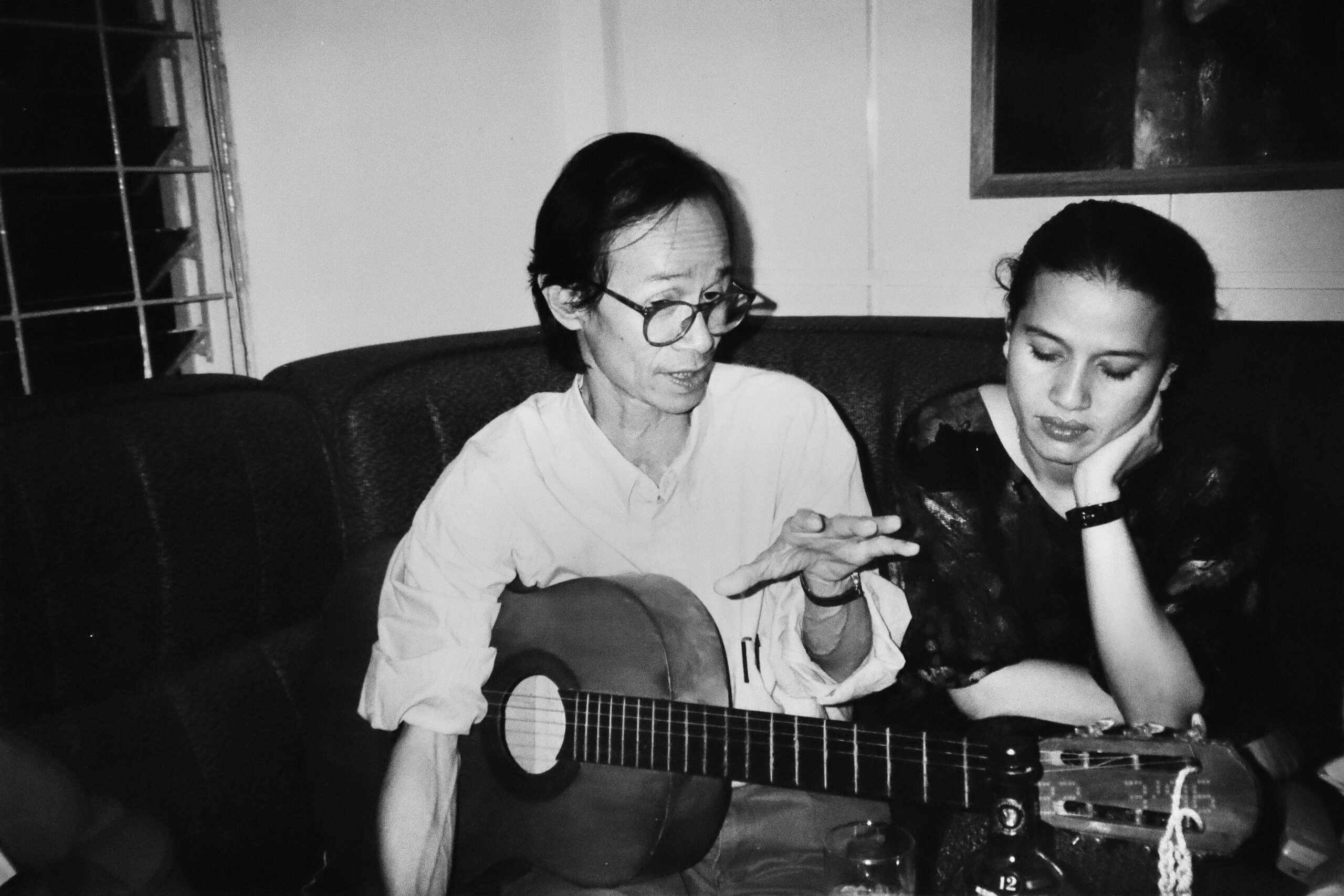
It was Trinh Cong Son who perceived this most intuitively. Writing the epilogue for the occasion, he approached Boi Tran Art Gallery not as a structure, but as a presence. His words do not describe. They dwell. They move between memory and feeling, between the visible and the remembered.
For him, the gallery did not stand apart from the city. It entered its inner life. It became something one returns to, as one returns to a beloved presence.
His epilogue is preserved here in full:
Epilogue
In this city there comes forth an art gallery that bears the heart and the yearning for beauty. This has created an indication of a luxurious gesture to the beloved people and made better an ambience within the structures, greenness of the grass and of the old citadel.
Right here, at the Boi Tran Art Gallery, not with sudden sadness, but with delightful emotion, with thankful laughs in the sun for the as a dreamful dream as we have expected in time.
Right here, in the sun along with mythological dreams, there seems to be a solid vanity, life and death, so the pain in sorrow would be subsided.
Upon walking along a corridor and visualizing the silky world over the whole world, we would be living together, sharing and gazing at this unforgettable scene. So doubtful that we can’t help wondering the world we are now living in.
Whether small or not, this art gallery is a monument in the city; its appearance will be remembered for ever.
Returning to the old city…, to this art gallery, one feels that as he or she is coming back to see a sweetheart, who one will miss and love and never forget for a moment.
Trinh Cong Son
What Trinh Cong Son recognised was not scale, but presence. A gallery may exist in space, yet only rarely does it come to inhabit memory.
From its earliest moment, Boi Tran Art Gallery belonged to this rarer condition. It did not seek permanence through structure, but through attachment. It became something one might miss, something one might return to, something that continues to live beyond its physical form.
This sensibility endures today at Boi Tran Garden. The transformation is not one of expansion, but of deepening. Art does not separate itself from life. Architecture does not assert dominance. Nothing seeks to impress.
Everything remains available to be felt.
In this way, what was once written as an epilogue has never truly concluded. It continues, quietly, as presence.