The Largest Museum in Canada: The Royal Ontario Museum and Its Letter to Boi Tran, or Two Ways of Holding the World
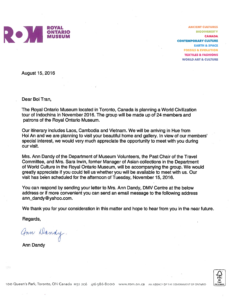
In 2016, the Royal Ontario Museum addressed a letter to Boi Tran as part of its Indochina cultural tour, marking a moment in which an institutional journey extended beyond its own structures to encounter a space where art and life remain inseparable.
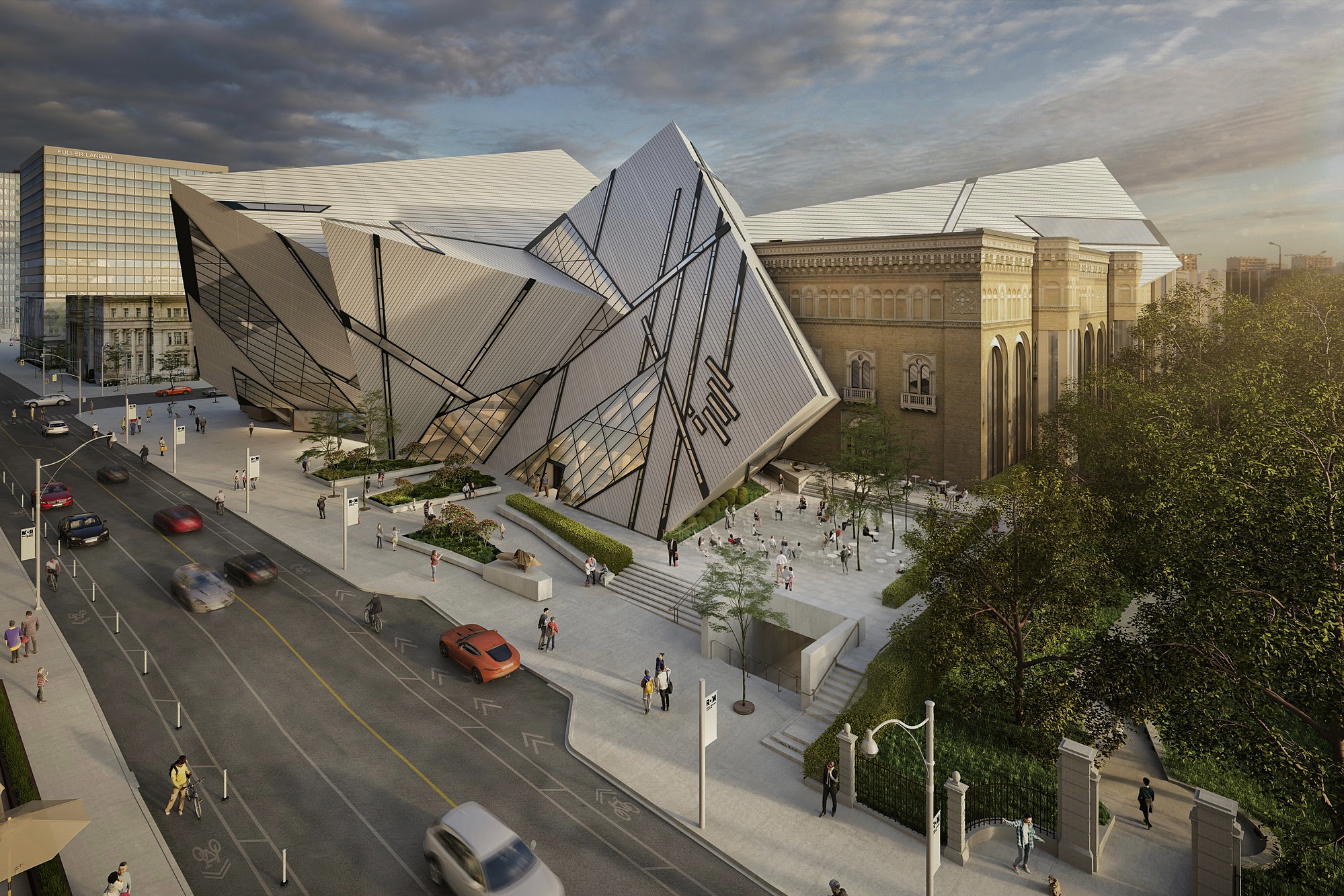
The Royal Ontario Museum
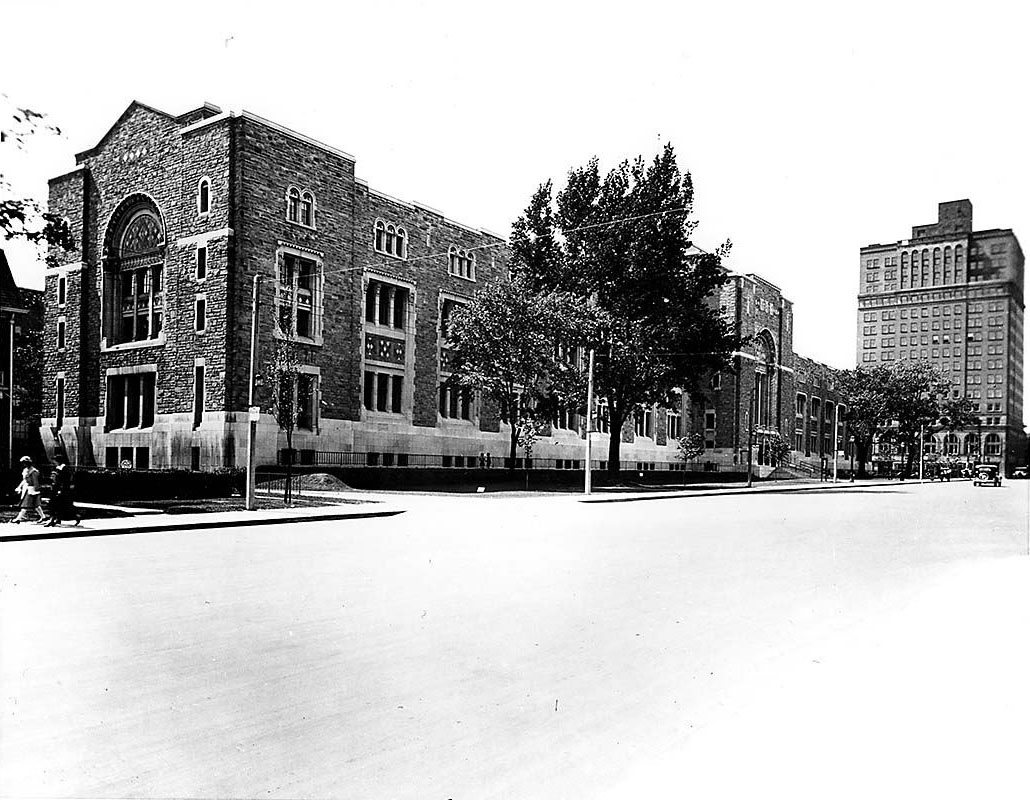
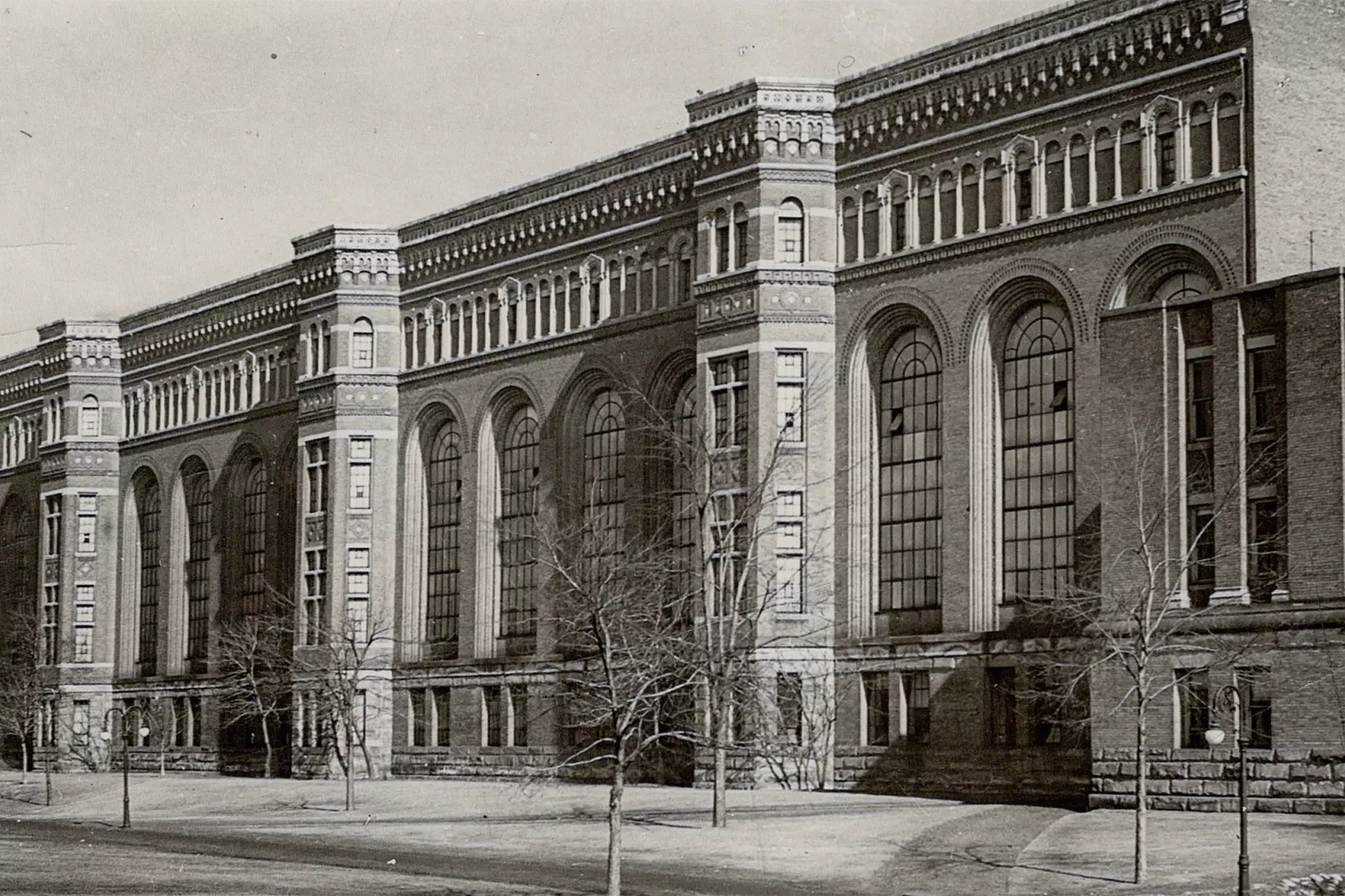
Founded in 1912 and opened to the public in 1914, the Royal Ontario Museum is today the largest museum in Canada and one of the most established cultural institutions in North America. With more than six million objects spanning fields as varied as natural history and world cultures, it has long extended its reach beyond its physical site in Toronto, through research, conservation, and ongoing international exchange. Its scale may suggest a certain completeness, yet its work has always depended on something less fixed: a continued movement outward, a need to encounter, and to deepen its understanding of the cultures it represents.
It is within this movement that the letter of August 2016 finds its place. Rather than reading it as a simple administrative document, it may be seen as part of a longer path, one in which the museum, through a carefully arranged journey across Laos, Cambodia, and Vietnam, sought not only to observe but to come closer, to move from the general to the specific, and from established monuments to lived spaces. The inclusion of a visit to Boi Tran Garden reflects this shift in attention, turning toward a place that does not define itself through scale or classification, but through continuity, arrangement, and a quiet sense of presence.
The letter itself, addressed to Boi Tran, remains direct and measured, without unnecessary formality. It expresses a wish not only to visit, but to meet, to speak, and to experience a space that had already been recognised, even from a distance, as holding a particular significance. The mention of accompanying members from the Department of Museum Volunteers and the Department of World Culture places the visit within an institutional context, yet does not fix its nature, which feels closer to a gesture of attention than to any formal protocol.
What matters here is not the expansion of a collection, nor the acquisition of knowledge in the usual sense. It is something quieter: a moment of alignment. A large institution, shaped by its role of gathering and preserving, turns toward a space that operates differently, where art is not divided into categories but unfolds within daily life, where painting, objects, architecture, and memory exist side by side, and where looking cannot be separated from being present.
In this way, the letter does not simply precede a visit. It marks a moment of recognition. It does not announce itself, nor does it attempt to define authority. It simply records a point at which distance is briefly reduced, and where the scale of the museum meets the intimacy of a lived space, not in contrast, but in continuity.
Archival Letter
Royal Ontario Museum
Letter to Boi Tran
August 15, 2016
Dear Boi Tran,
The Royal Ontario Museum located in Toronto, Canada is planning a World Civilization tour of Indochina in November 2016. The group will be made up of 24 members and patrons of the Royal Ontario Museum.
Our itinerary includes Laos, Cambodia and Vietnam. We will be arriving in Hue from Hoi An and we are planning to visit your beautiful home and gallery. In view of our members’ special interest, we would very much appreciate the opportunity to meet with you during our visit.
Mrs. Ann Dandy of the Department of Museum Volunteers, the Past Chair of the Travel Committee, and Mrs. Sara Irwin, former Manager of Asian collections in the Department of World Culture in the Royal Ontario Museum, will be accompanying the group. We would greatly appreciate if you could tell us whether you will be available to meet with us. Our visit has been scheduled for the afternoon of Tuesday, November 15, 2016.
You can respond by sending your letter to Mrs. Ann Dandy, DMV Centre at the below address or if more convenient you can send an email message to the following address.
We thank you for your consideration in this matter and hope to hear from you in the near future.
Regards,
(signed)
Ann Dandy