

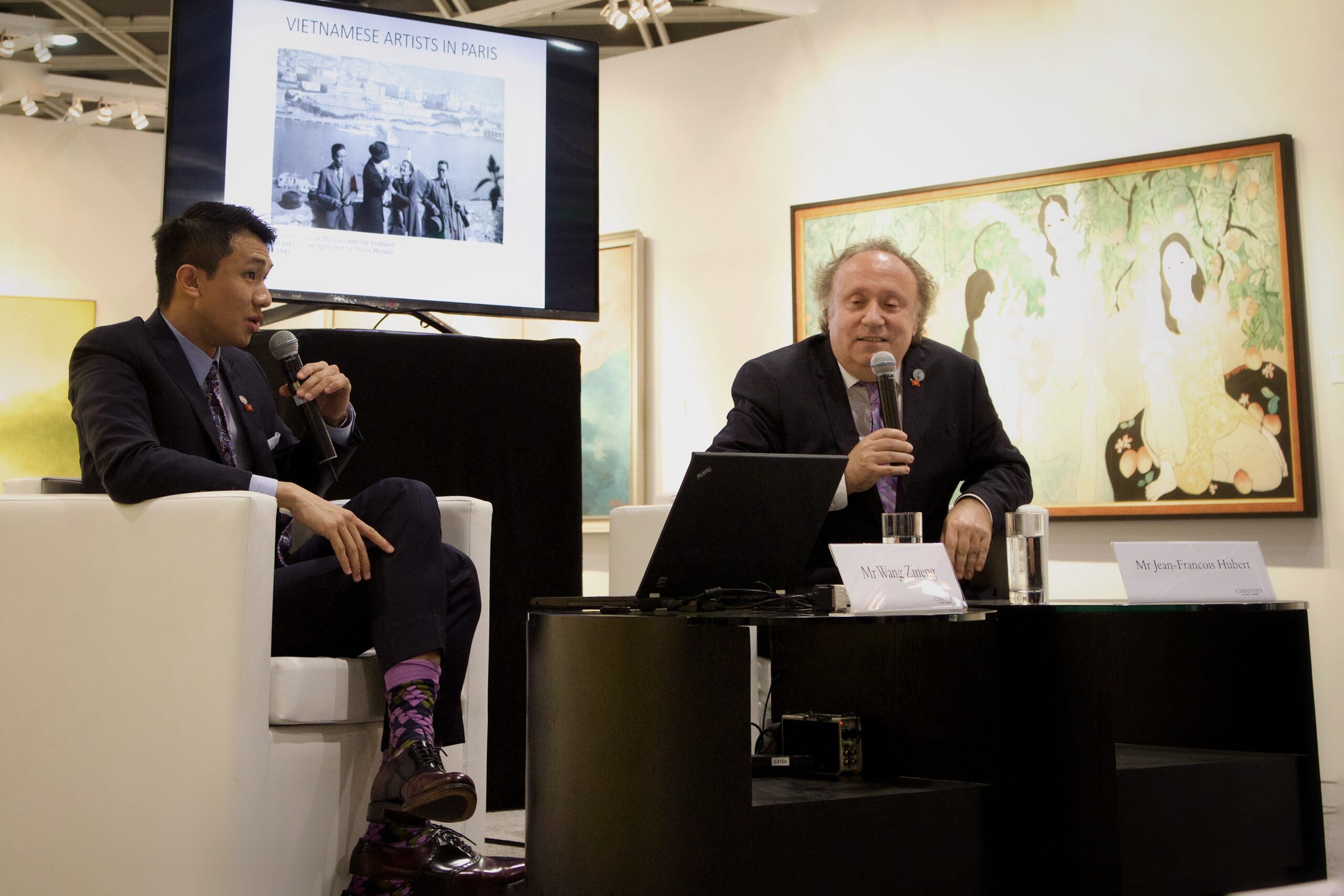
A First for Vietnam: Thuc Doan and Christie’s, or The First Vietnamese Woman to Contribute to a Landmark Vietnamese Art Auction “Se Souvenir Des Belles Choses: A Curated Collection of Vietnamese Art” as an Art Advisor and Translator
In 2016, during the 250th anniversary year of Christie's, a landmark sale devoted to Vietnamese art was presented in Hong Kong under the title Se Souvenir Des Belles Choses. Among those contributing behind the scenes was Thuc Doan, recognised as the first Vietnamese woman to assist Christie’s in such a capacity as translator, advisor and cultural interlocutor.
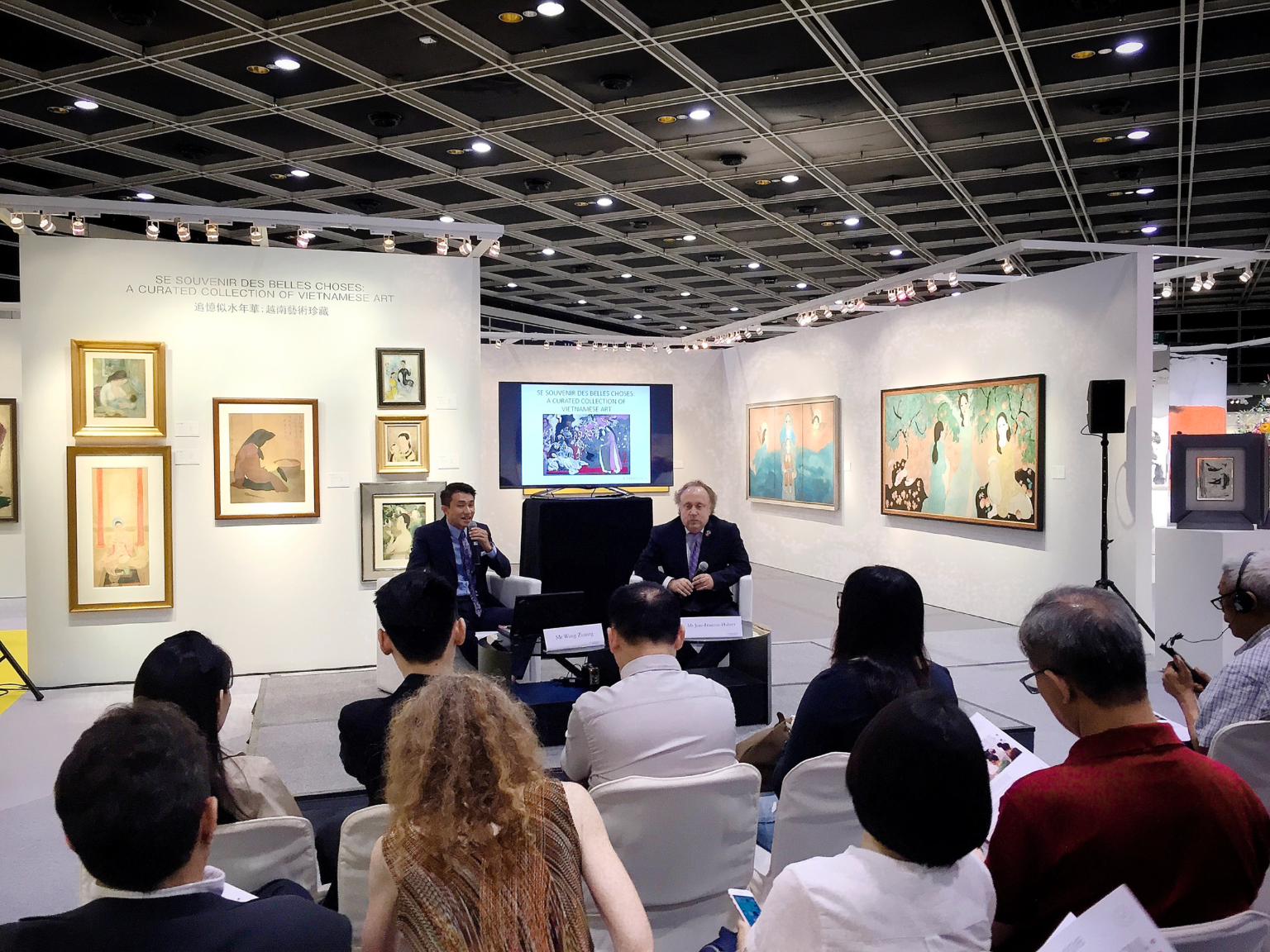
The acknowledgement came in a private note, concise and generous in tone.
On 30 June 2016, Zineng Wang and Jean-François Hubert wrote to Thuc Doan:
“We would like to personally thank you for your valuable contribution to the exhibition and sale at Christie’s Se Souvenir Des Belles Choses: A Curated Collection of Vietnamese Art. Your translation work, your suggestions, and your constant enthusiasm have made the catalogue, the exhibition and the sale a total success…”
The language was courteous. Its meaning was substantial.
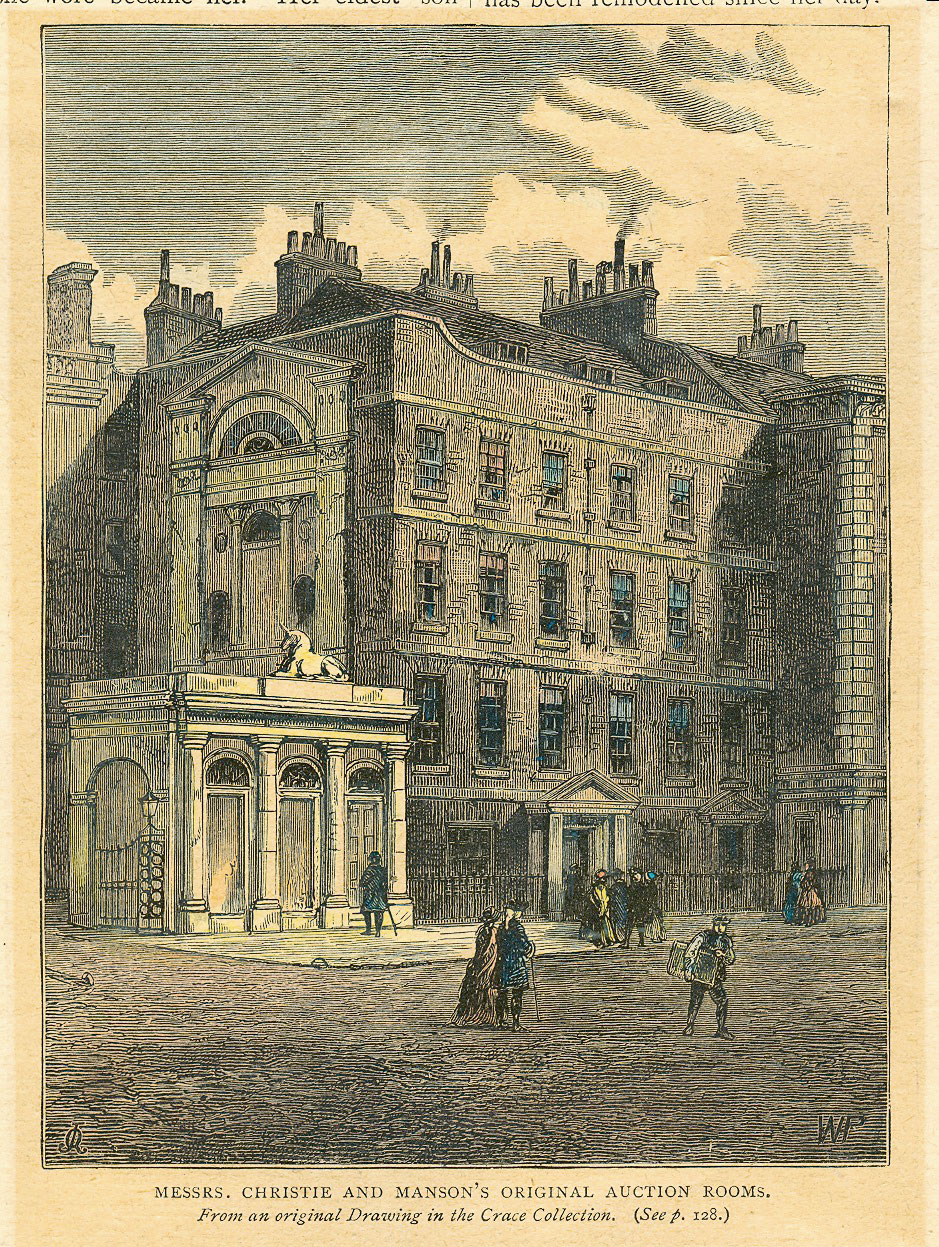
That year marked the 250th anniversary of Christie's, founded in 1766 when James Christie held his first sale in Pall Mall, London. Across the world, Christie’s celebrated the milestone with special auctions, exhibitions and publications. In Asia, the season also marked thirty years of Christie’s presence in the region.
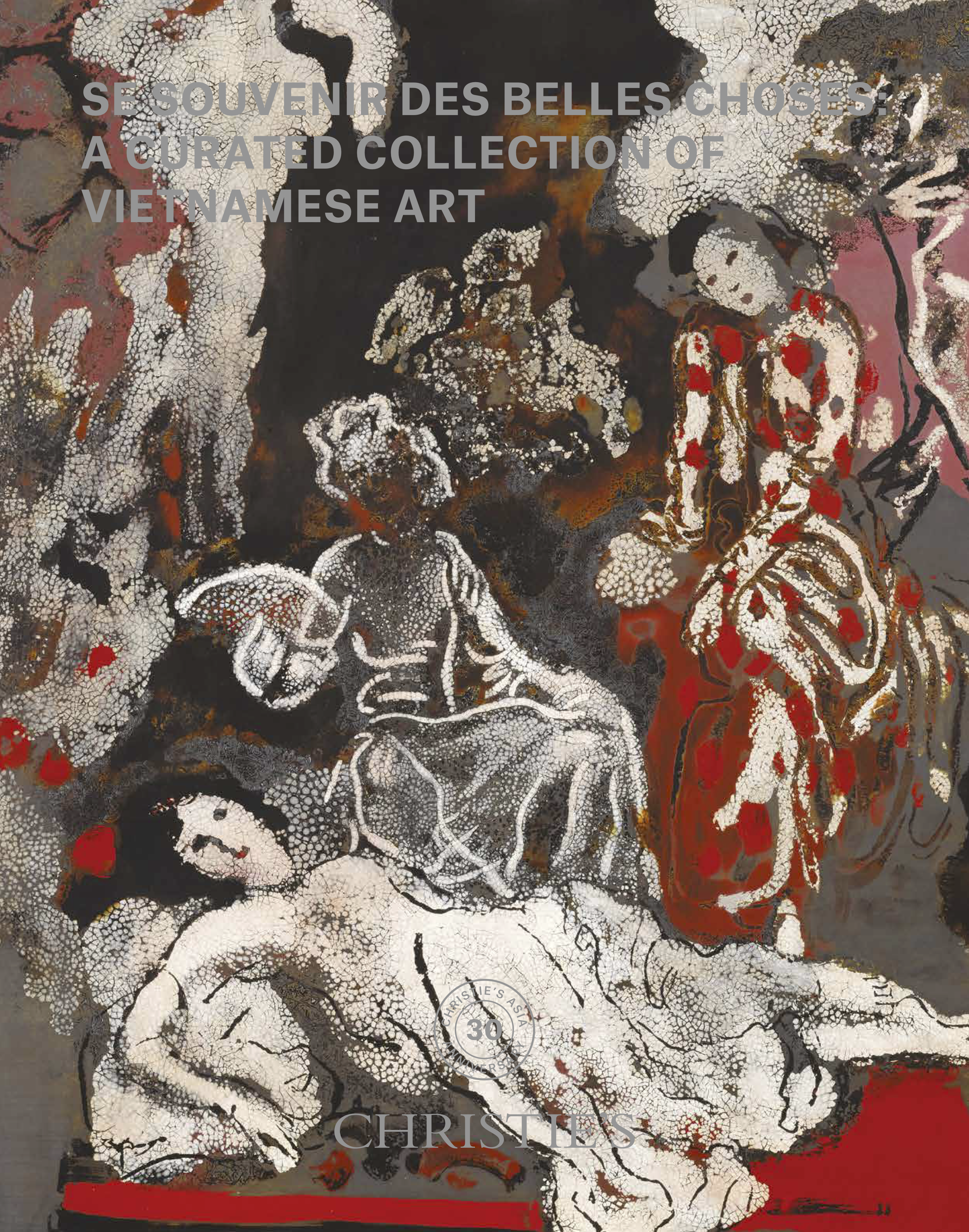
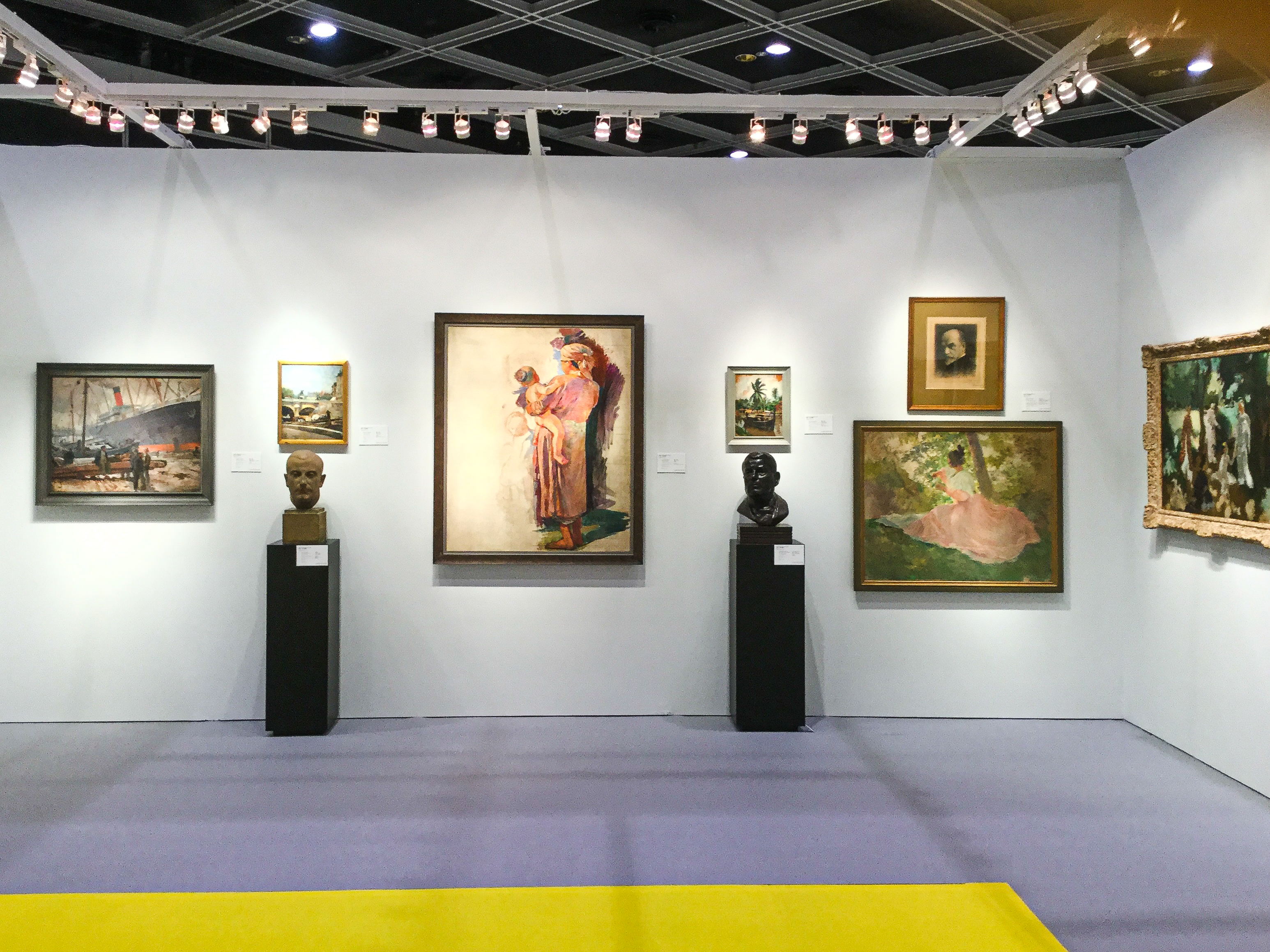
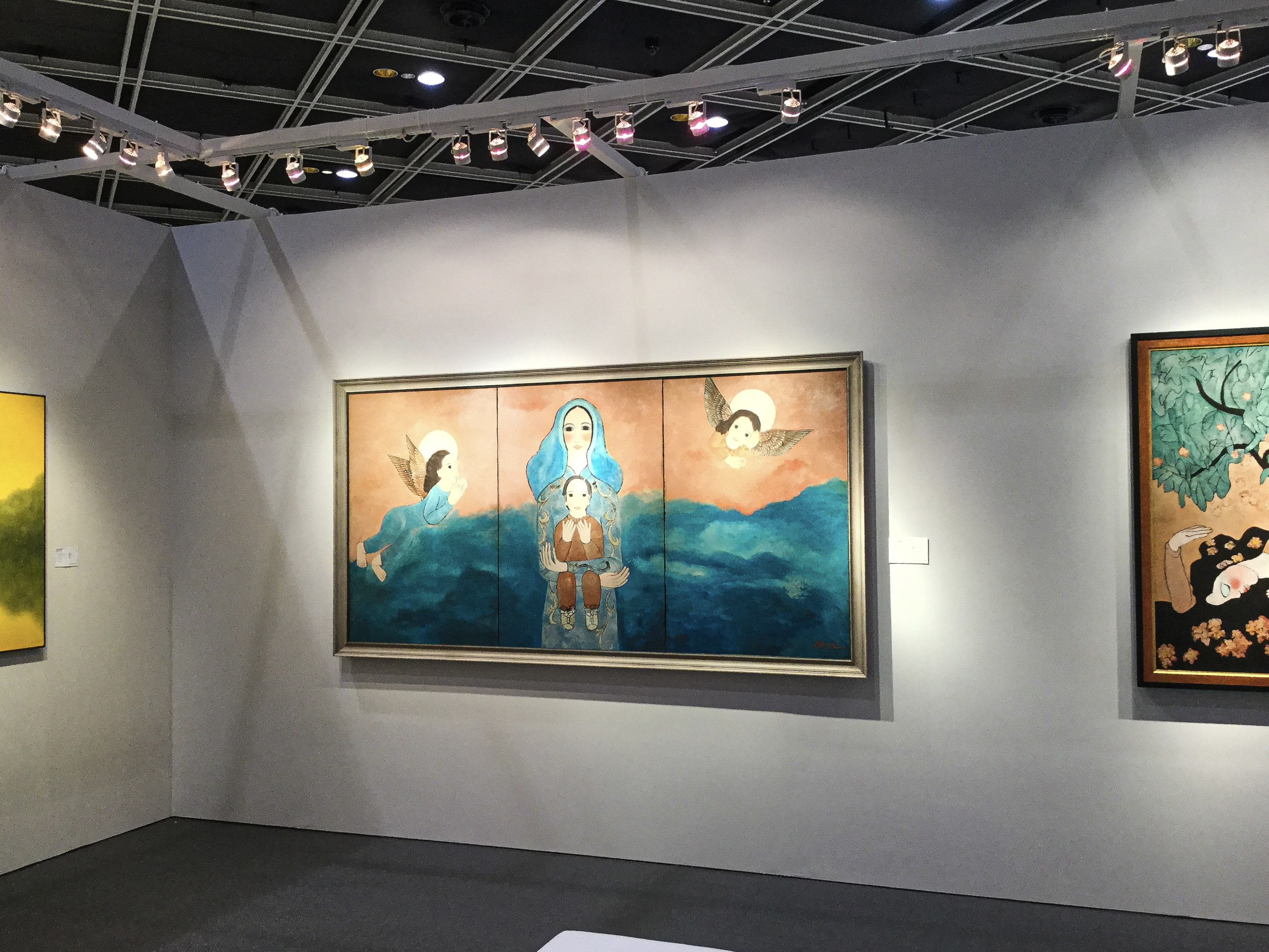
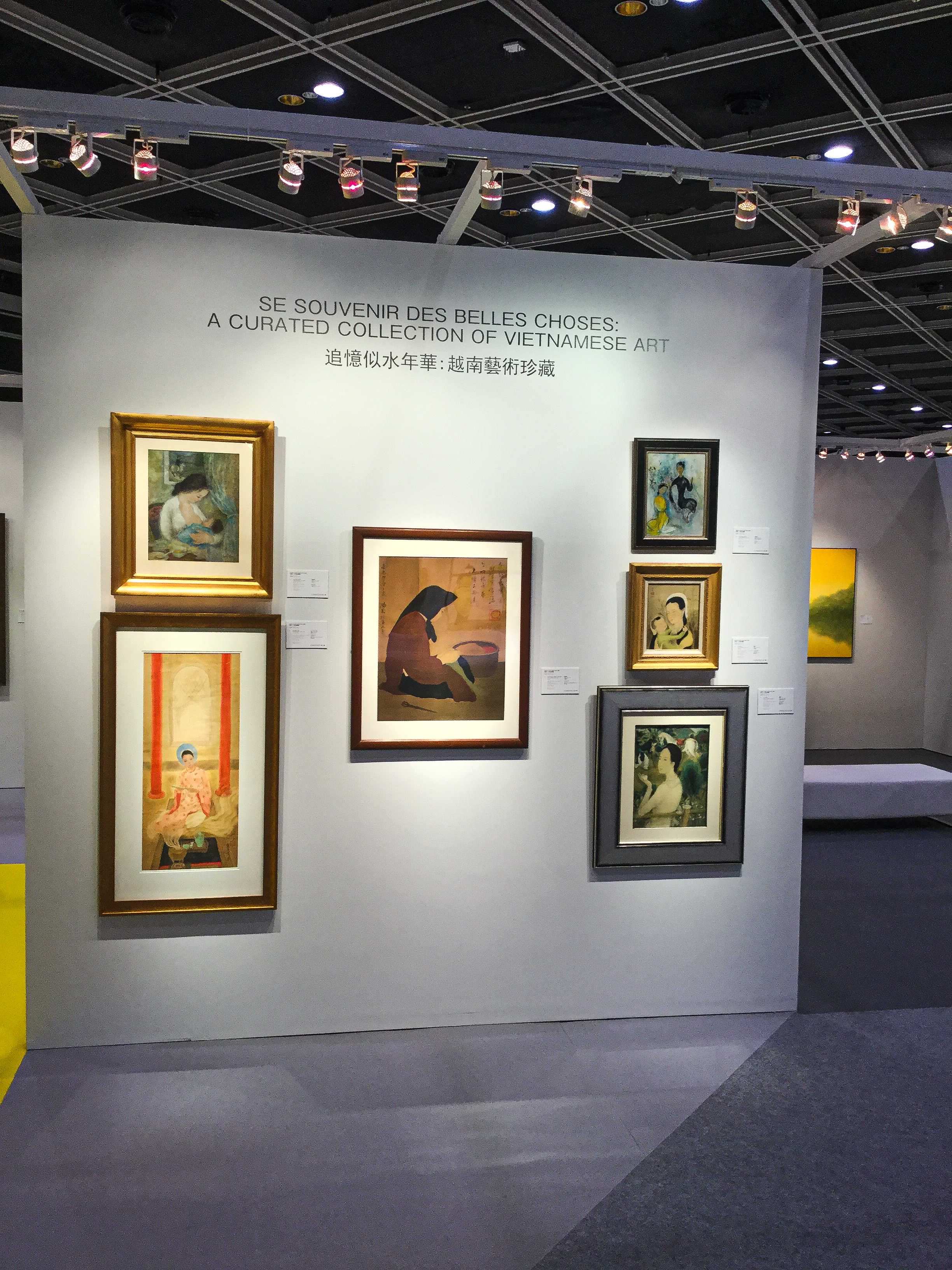
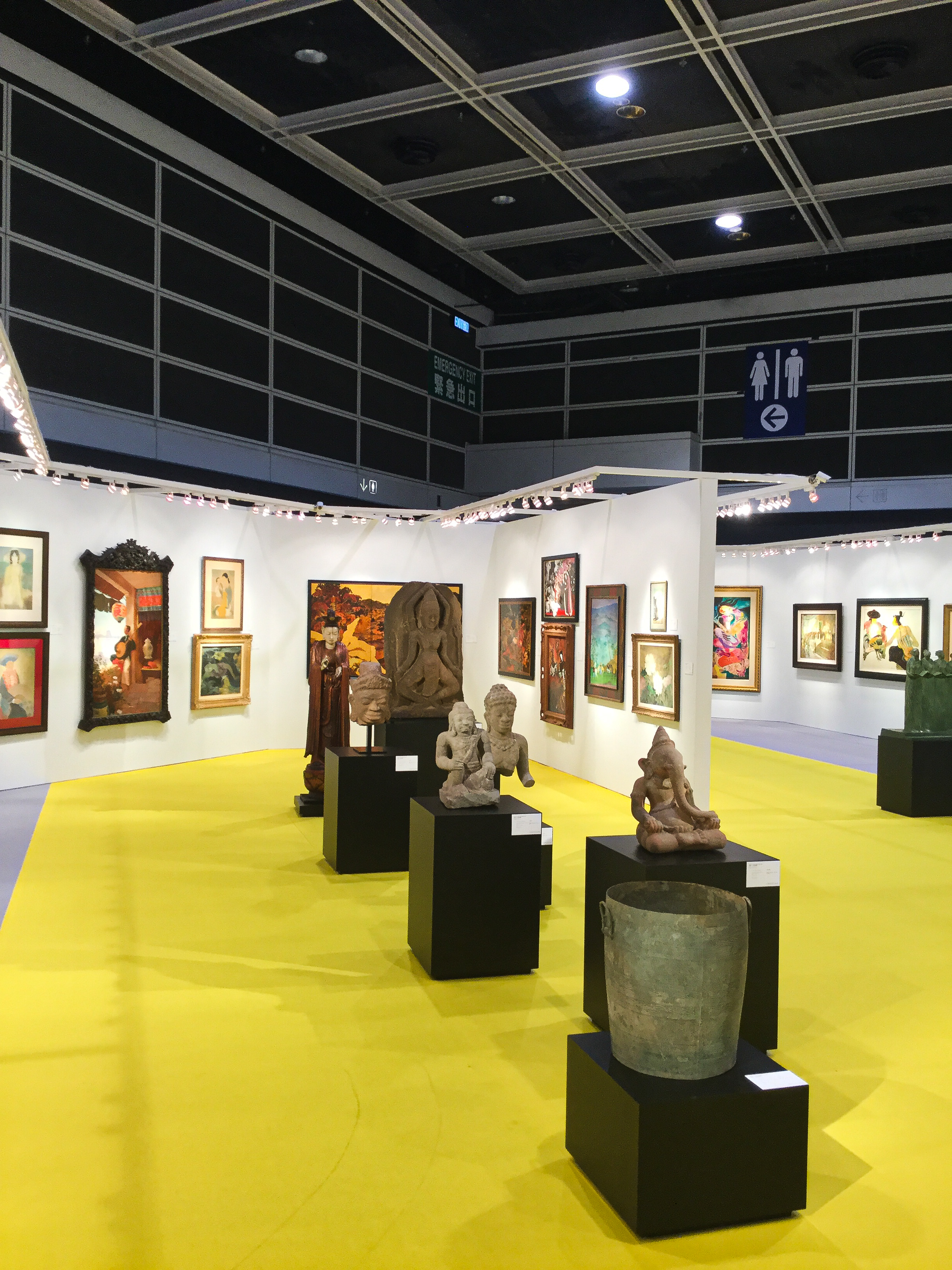
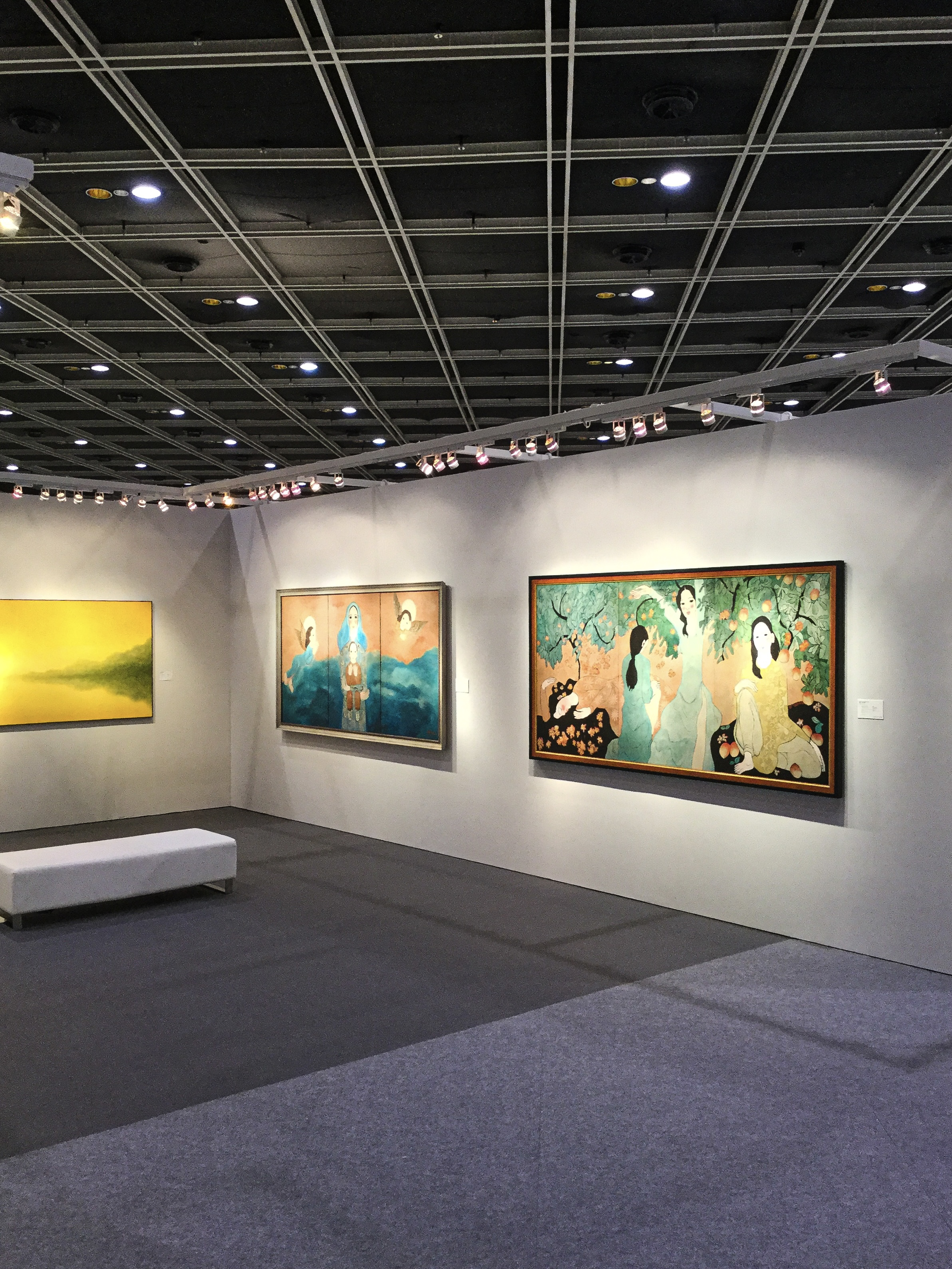
Within that commemorative programme appeared a project of singular importance for Vietnam: Se Souvenir Des Belles Choses: A Curated Collection of Vietnamese Art. For the first time, Christie’s issued a dedicated standalone catalogue focused on Vietnamese art within its Asian 20th Century and Contemporary Art framework. It was not merely a commercial gesture. It was an intellectual statement.
The title, in French, may be rendered as “Remembering Beautiful Things.” It carried both nostalgia and discernment, qualities long associated with collecting at its highest level.
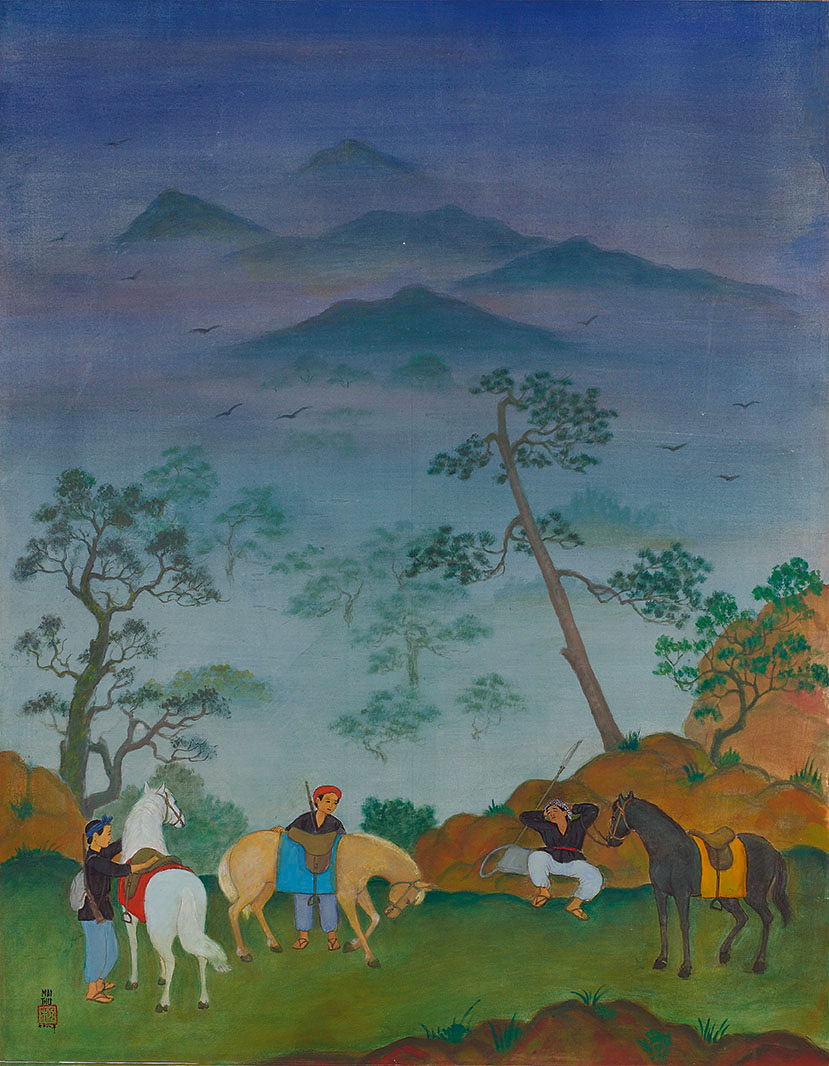
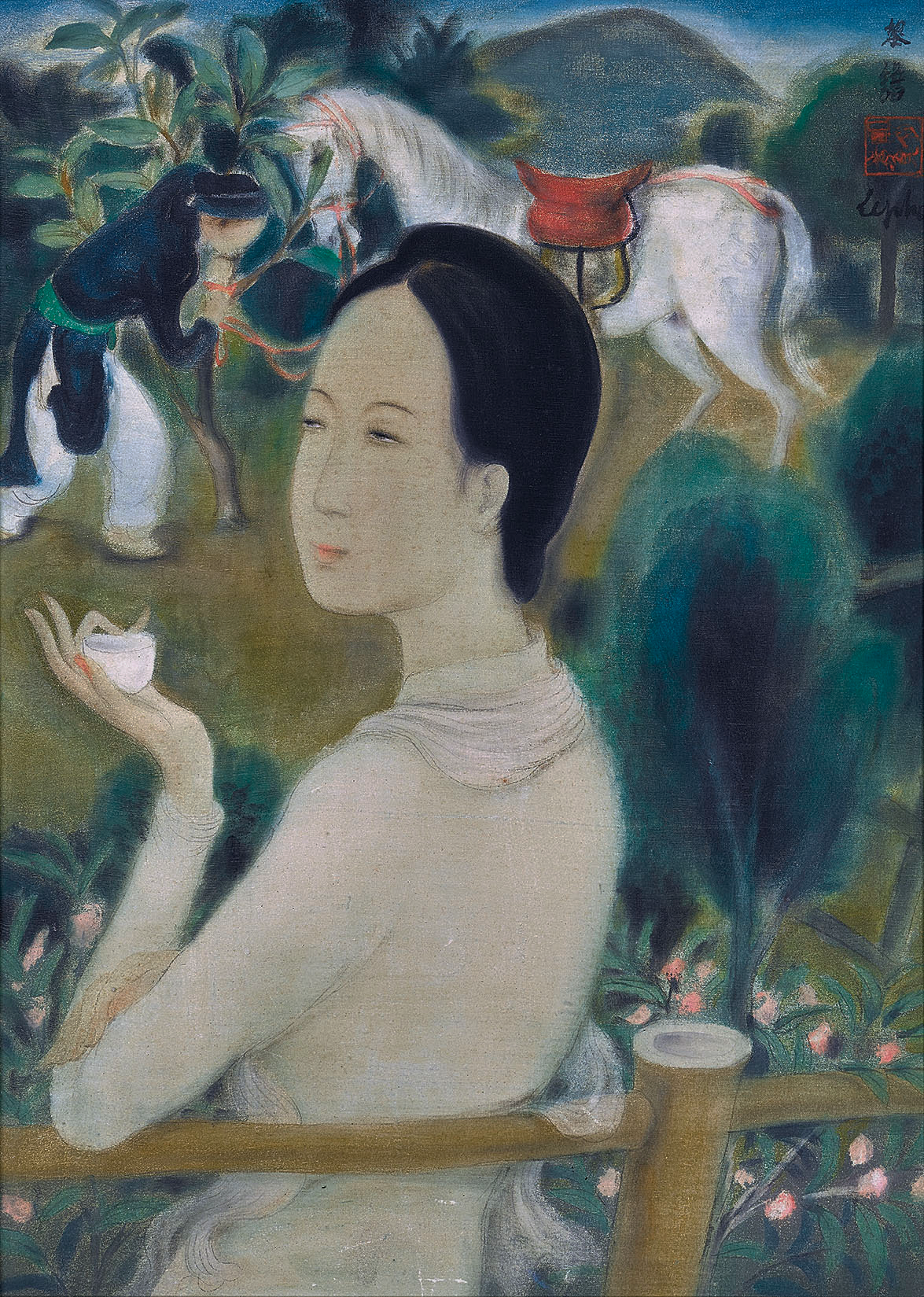
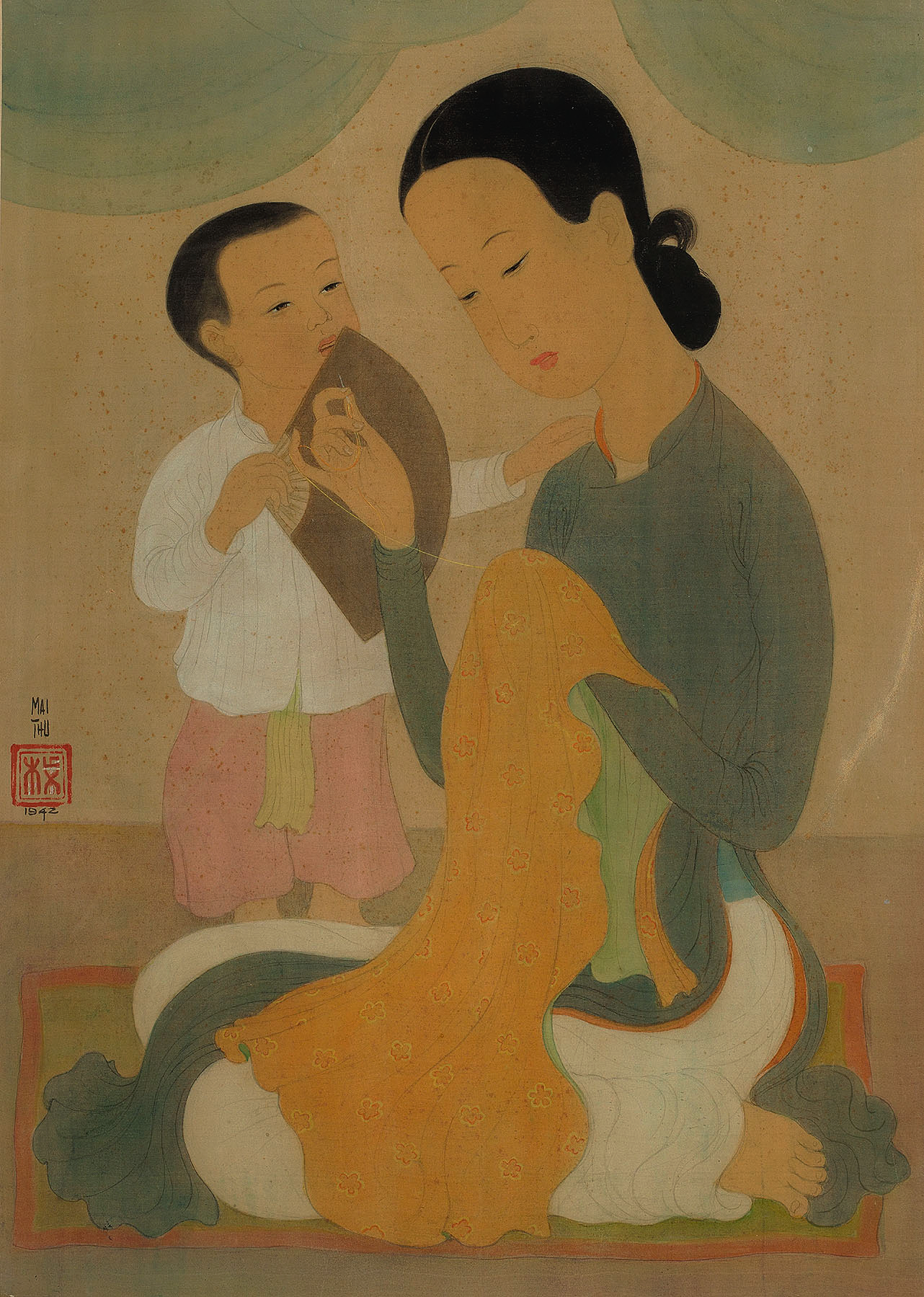
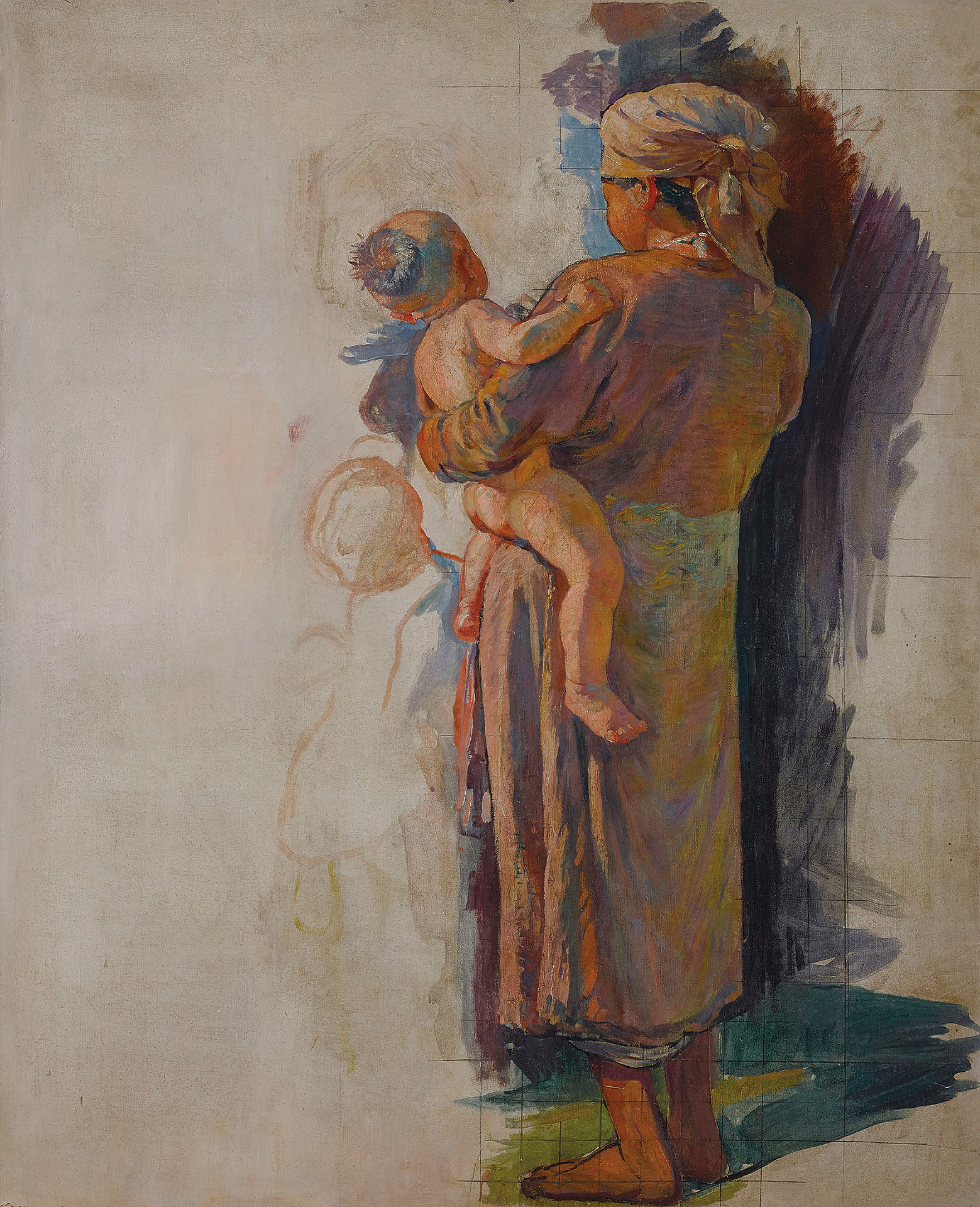
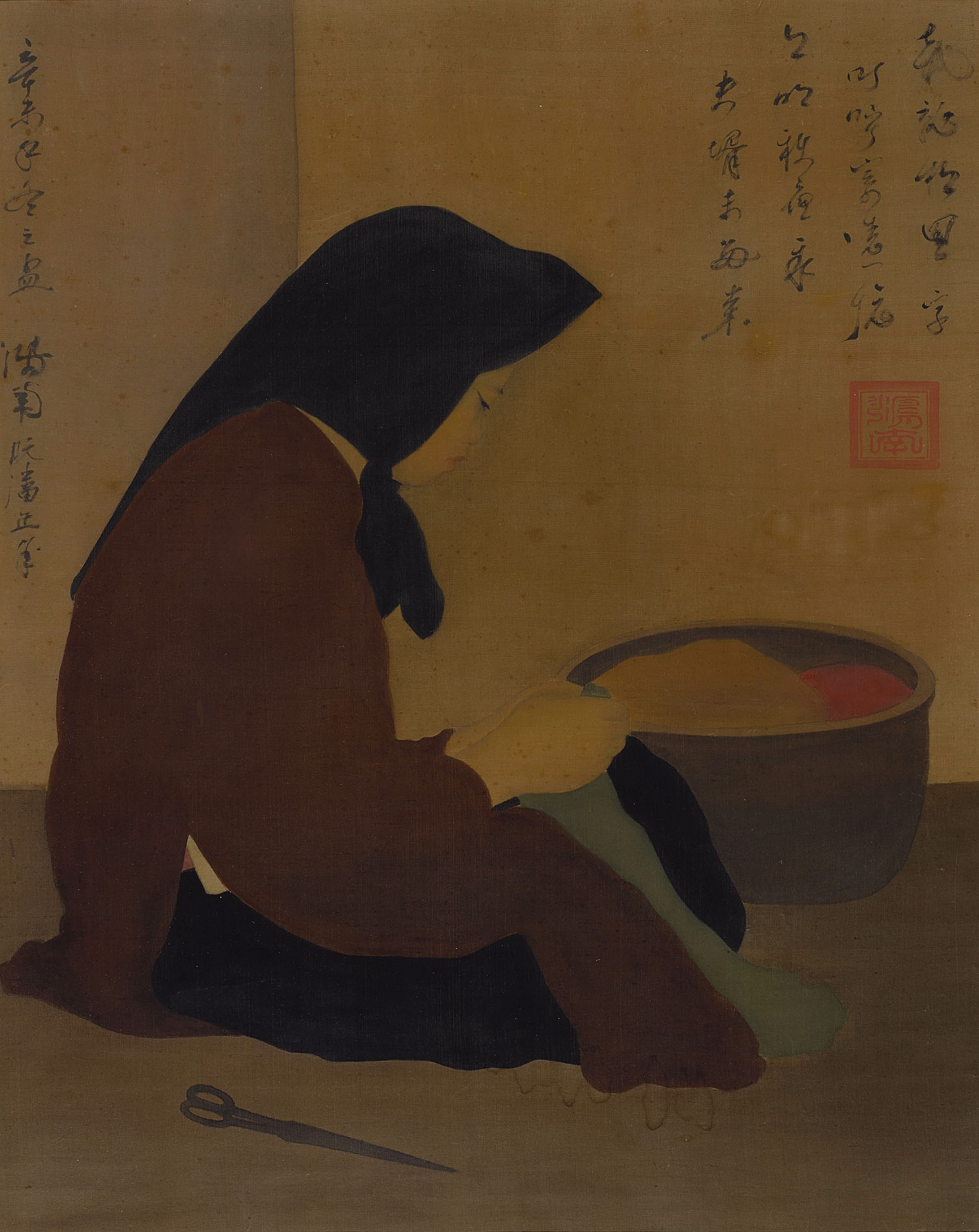
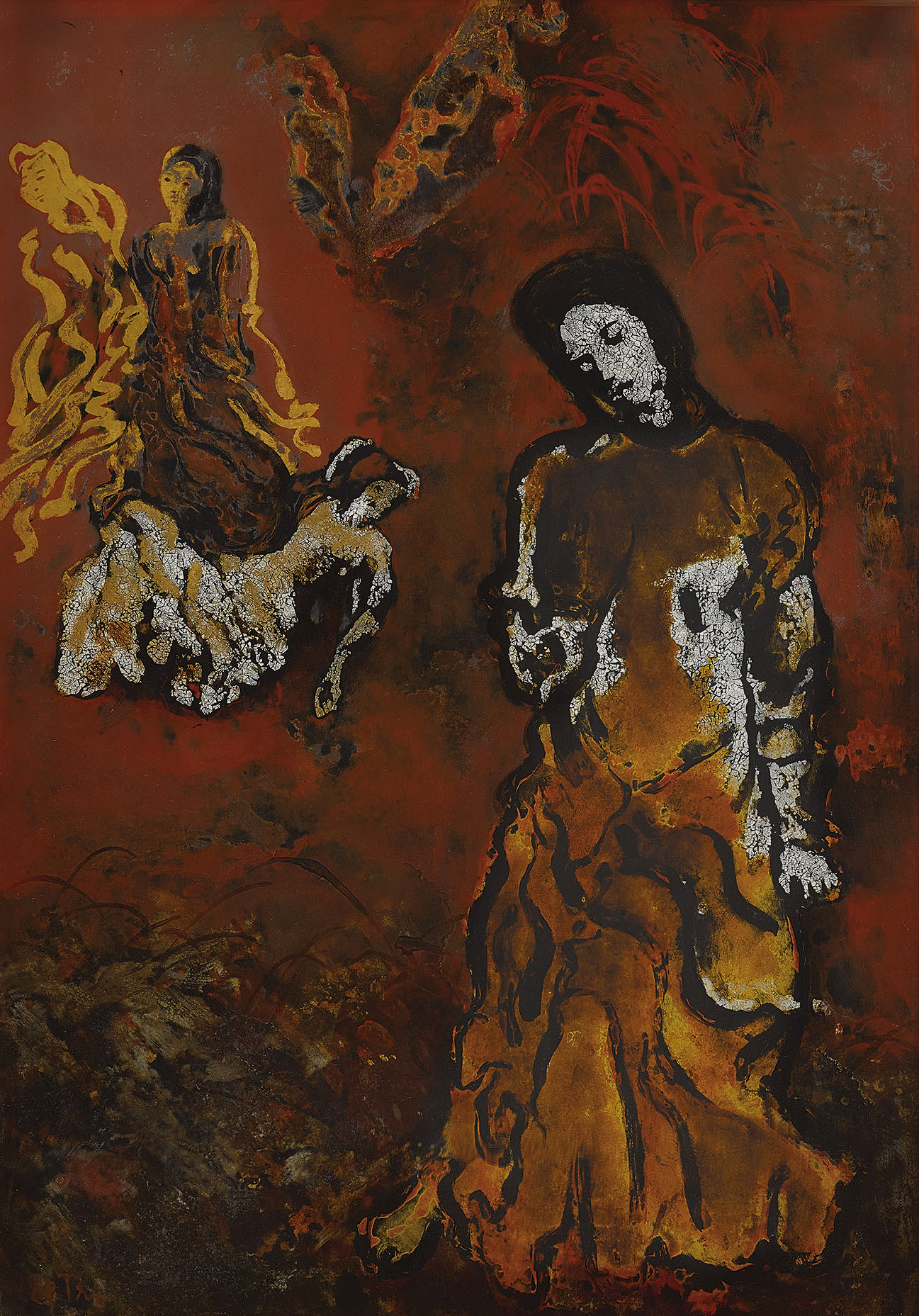
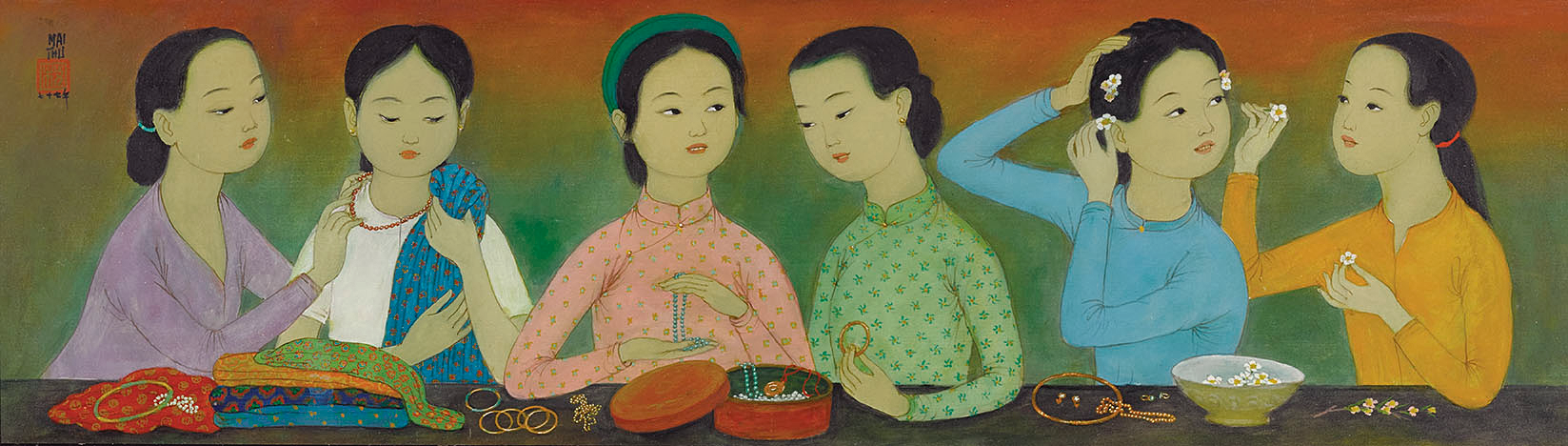
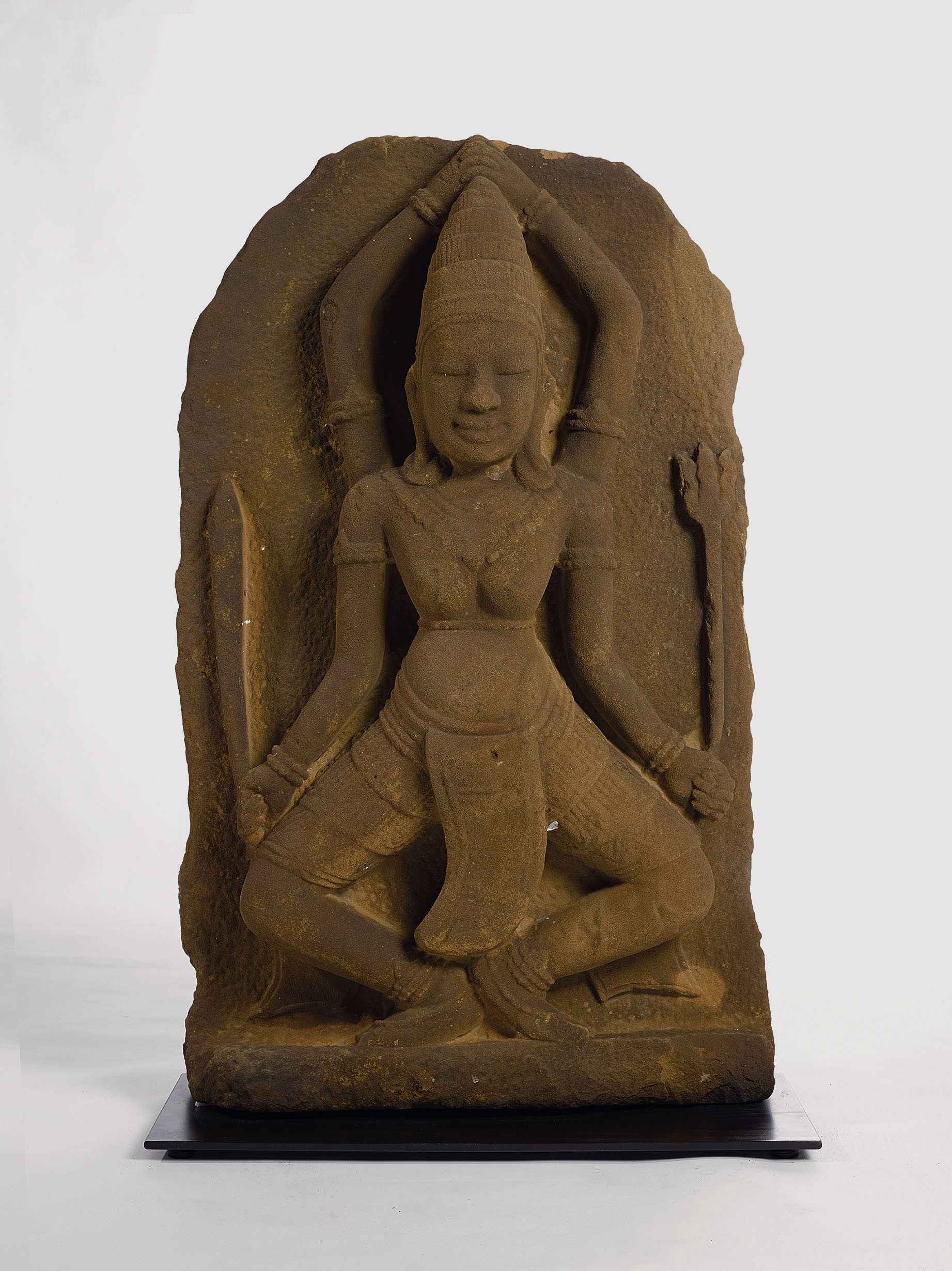
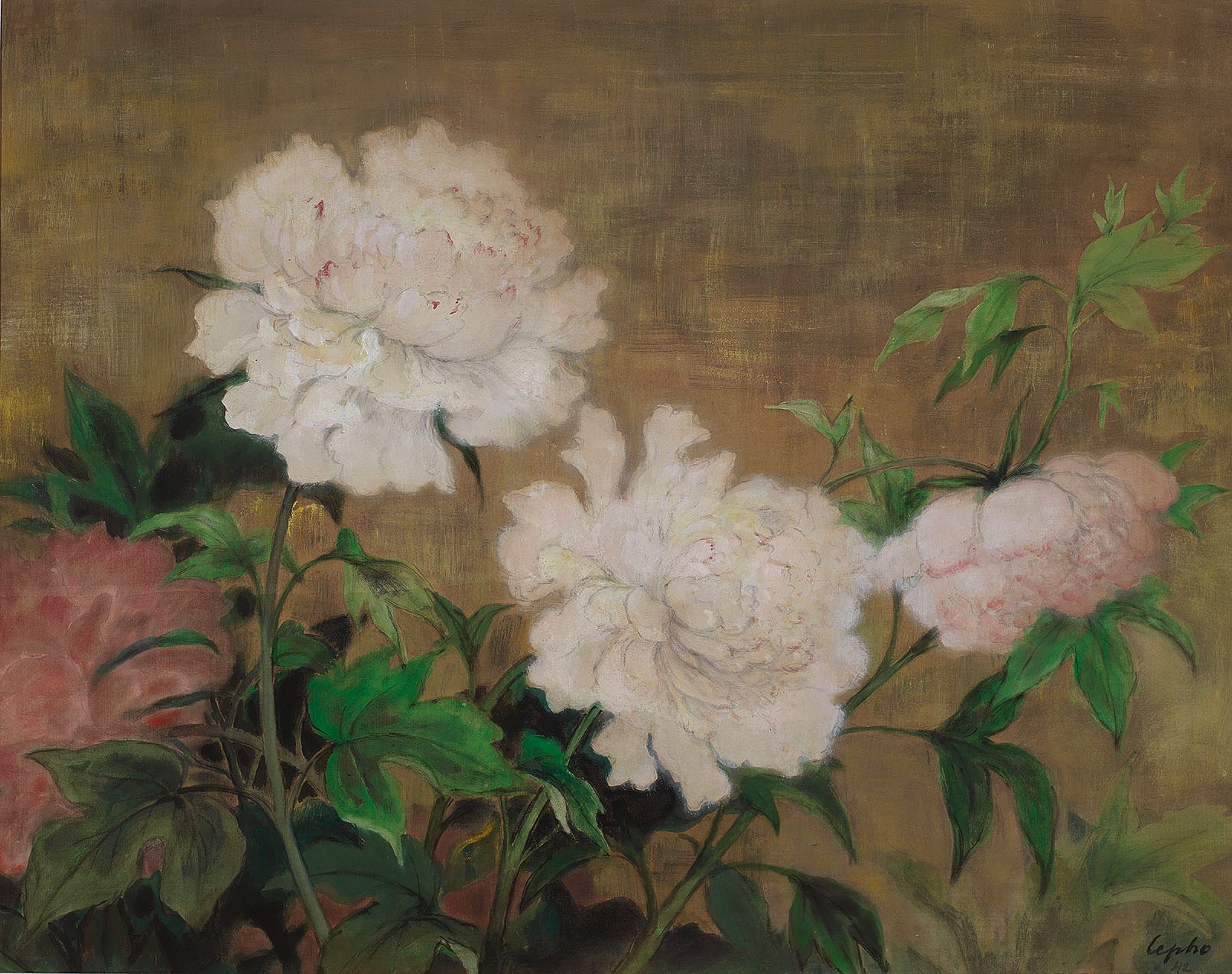
The catalogue posed a fundamental question: how can art tell the story of a nation?
Its first seventy lots attempted an answer through objects spanning ancient heritage, colonial encounter, modern innovation and living memory. The narrative moved from Đông Sơn bronze culture and Champa sculpture to the formation of modern Vietnamese art through the École Supérieure des Beaux-Arts de l’Indochine in Hanoi, founded in 1924.
Works linked to Victor Tardieu and Joseph Inguimberty stood alongside Vietnamese masters such as Nguyen Phan Chanh, To Ngoc Van, Le Pho, Mai Trung Thu, Vu Cao Dam and Le Thi Luu. The result was not a narrow school history, but a broad meditation on identity, continuity and exchange.
The market responded with conviction. Paintings by Nguyen Gia Tri, Mai Trung Thu, Nguyen Phan Chanh and Le Pho realised strong prices, confirming a rising international confidence in Vietnamese art.
Yet catalogues of this seriousness are never produced by visible names alone.
Behind the printed page stood research, translation, nuance, historical judgement and the delicate work of moving between languages without losing meaning. In this sphere, Thuc Doan played a notable role. As an independent advisor with expertise in private Vietnamese collections, curatorial development, and market intelligence for collectors, buyers and consignors, she contributed as translator, advisor and interpreter.
Her participation marked something larger than one assignment. It represented a first: a Vietnamese woman contributing directly to a landmark Christie’s Vietnamese art initiative in such a professional capacity.
For those who know the history of Vietnamese art abroad, this matters. Markets open through confidence, but confidence is built through understanding. Translation is not mechanical labour; it is cultural stewardship. To explain a title, a school, a material, a provenance, or the subtle emotional climate of a work is to help shape how a nation is seen.
Thuc Doan’s later path would continue through scholarship, advisory work and the cultivation of Boi Tran Garden in Hue, where art, hospitality and memory remain in living dialogue. Seen in retrospect, the Christie’s chapter forms part of a wider vocation: carrying Vietnamese culture across thresholds without surrendering its inner tone.
Some milestones arrive with ceremony. Others appear first as an email of appreciation.