
"A Perfect Evening of Companionship" with Skirball Cultural Centre Founding President and CEO Uri D Herscher at Boi Tran Garden, or Where Hearts Spoke Naturally
Some evenings are remembered for refinement. Others for conversation. A rare few endure because those present felt, however briefly, entirely understood. The visit of Dr. Uri D. Herscher to Boi Tran Garden in March 2018 belongs to that quieter category.
Not every distinguished visitor leaves the same kind of trace. Some are recorded in photographs, some in guestbooks, some in protocol. A smaller number leave something more valuable: words written afterward, when courtesy has passed and only sincerity remains.
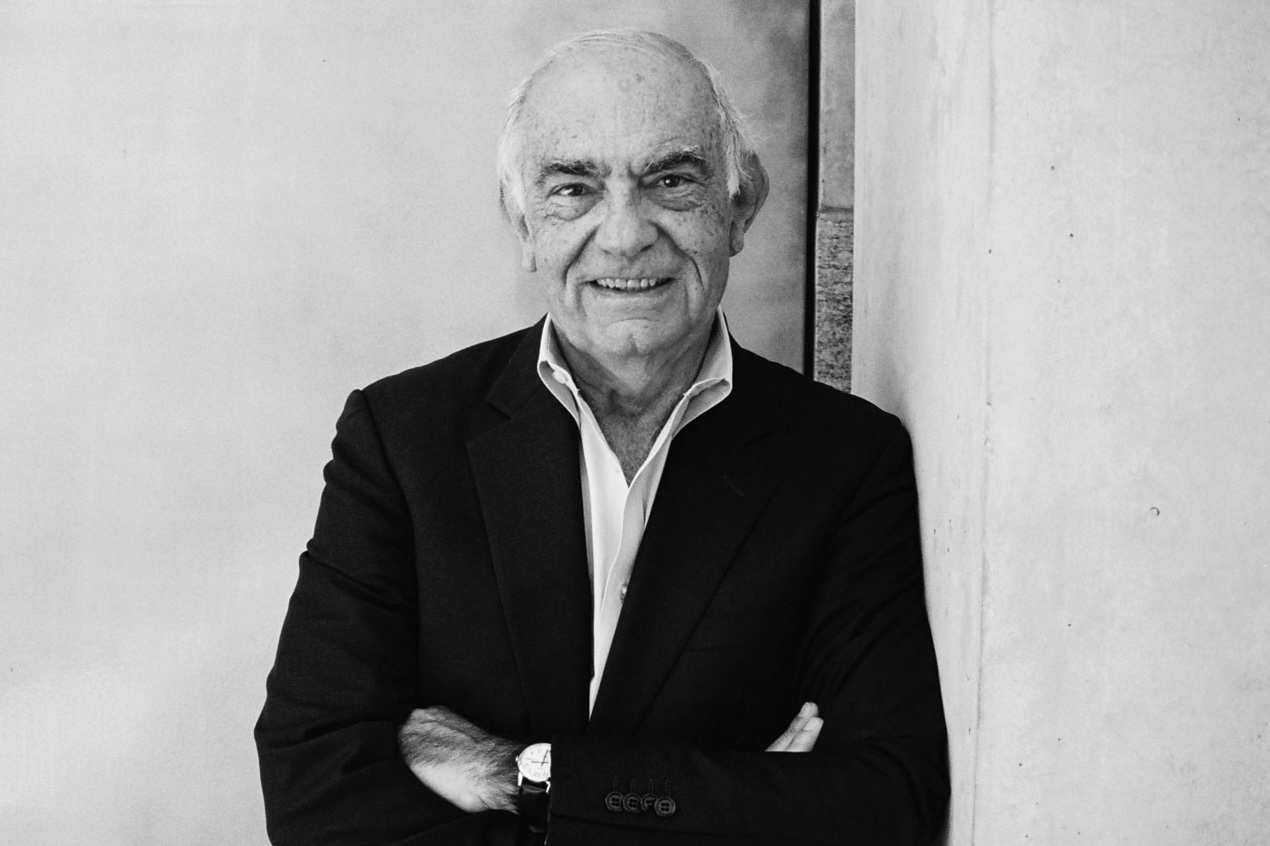
Such was the note sent by Dr. Uri D. Herscher following his visit to Boi Tran Garden in March 2018. Scholar, rabbi, civic leader, and Founding President and CEO of the Skirball Cultural Center in Los Angeles, Dr. Herscher has long been associated with institutions built upon dialogue, learning, and the ethical practice of welcome. His response to one evening in Huế therefore carries a particular resonance.
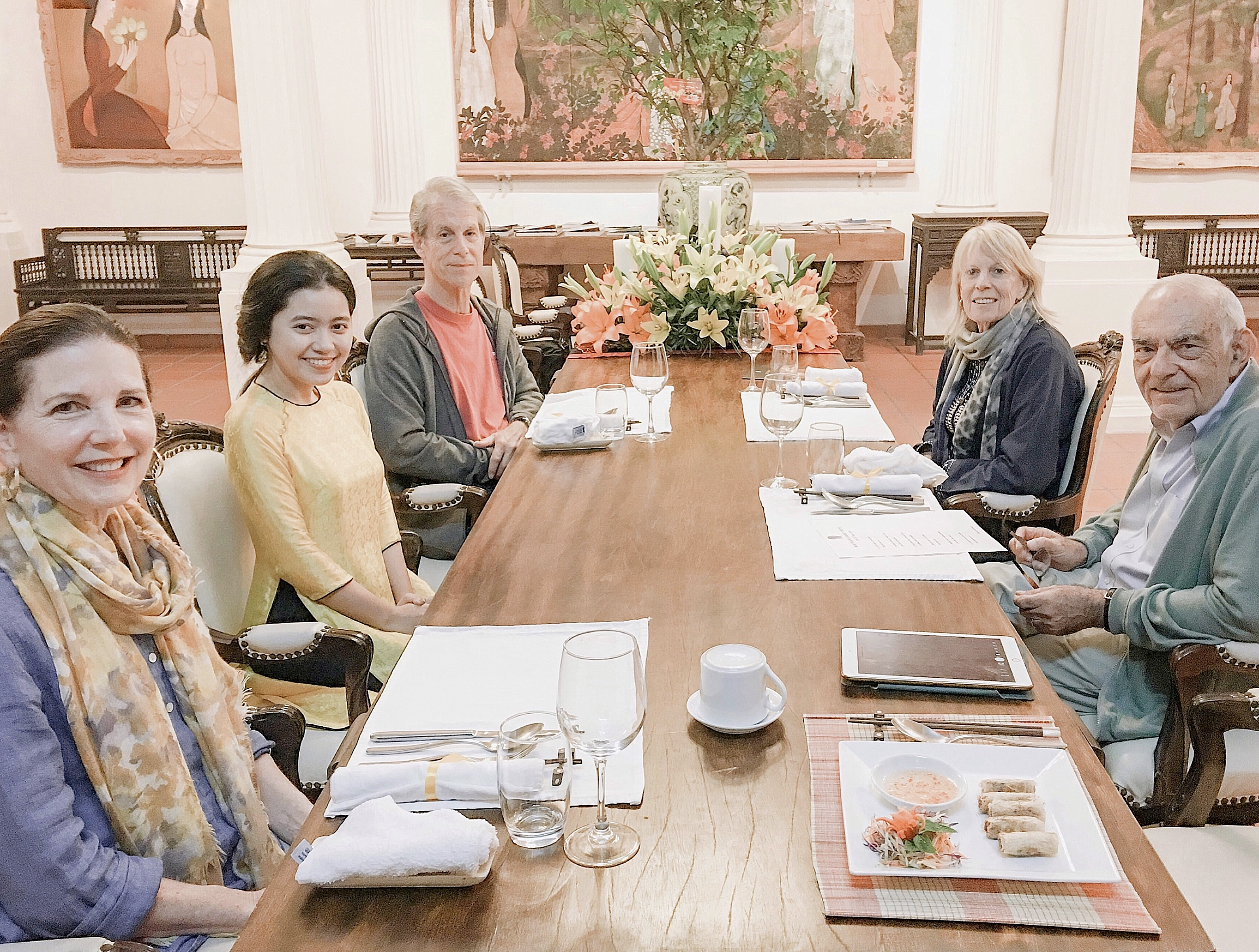
The gathering itself was intimate rather than ceremonial. Present were Dr. Herscher, Mrs. Myna Herscher, Mrs. Pamela Balton, Mr. Jeffrey Balton, and Thuc Doan / Bem. The setting was the home of Artist Boi Tran, where paintings, garden, architecture, and domestic grace have long formed a single environment. Here, art is not isolated on walls. It lives among meals, conversation, memory, and daily light.
In his email of 13 March 2018, Dr. Herscher wrote:
“You treated us to such a joyful experience in the home of your mother surrounded by her portraits of beauty. You were a magnificent host. Your words came from your heart and entered ours and our words came from our hearts and were meant to enter yours. It was a perfect evening of companionship.”
There is elegance in the simplicity of these lines. He does not praise luxury, nor describe spectacle. Instead, he speaks of joy, beauty, heart, and companionship. These are not decorative terms. They are measures of human experience.
His phrase “the home of your mother surrounded by her portraits of beauty” captures something essential about Boi Tran Garden. It is neither museum nor restaurant in any ordinary sense. It remains, first of all, a lived house. The paintings do not merely decorate it; they extend the presence of the artist. Guests are received not in a venue, but in an atmosphere shaped over decades by sensibility and care.
That he addresses Bem as “a magnificent host” is equally meaningful. Hospitality is often mistaken for efficiency or display. In truth, it resides in attentiveness: the ability to make others feel not managed, but welcomed. One senses that the evening offered precisely this.
Most striking is his description of conversation itself: words travelling from one heart into another. This is not the language of formal thanks. It is the language of genuine exchange. Something passed between guests and hosts that could not be listed on a menu or arranged by schedule.
For a man whose life was shaped by migration, scholarship, and the founding of institutions devoted to encounter, such recognition is significant. Dr. Herscher understood that culture reaches its fullest meaning not when exhibited, but when shared between people.
The message closes with an invitation to Southern California for Bem and her mother. The gesture is graceful and reciprocal. A welcome offered in Huế returns across an ocean.
Many evenings are pleasant. Few are remembered in sentences such as these. At Boi Tran Garden, on that March night, companionship itself became the lasting form of art.
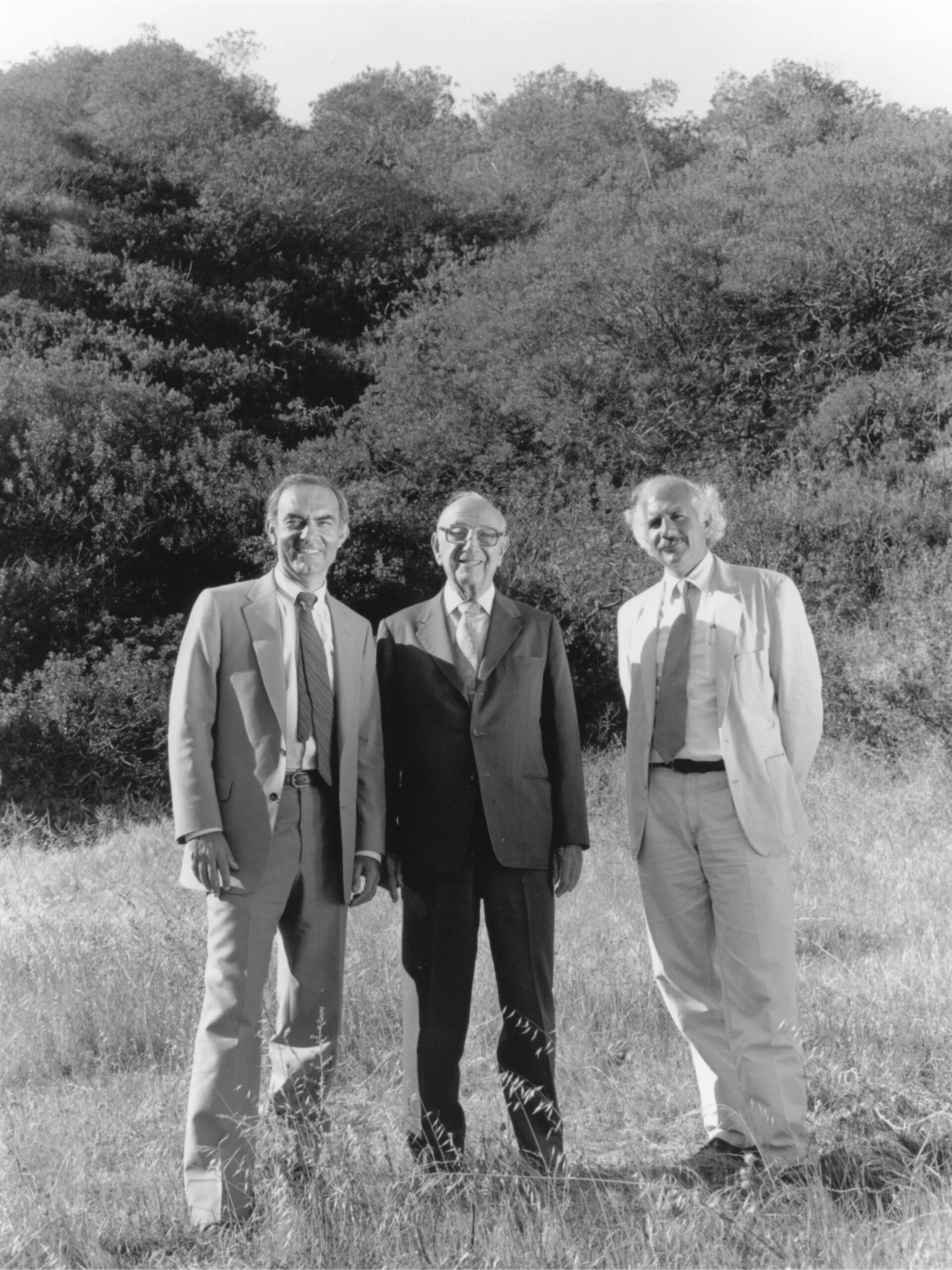
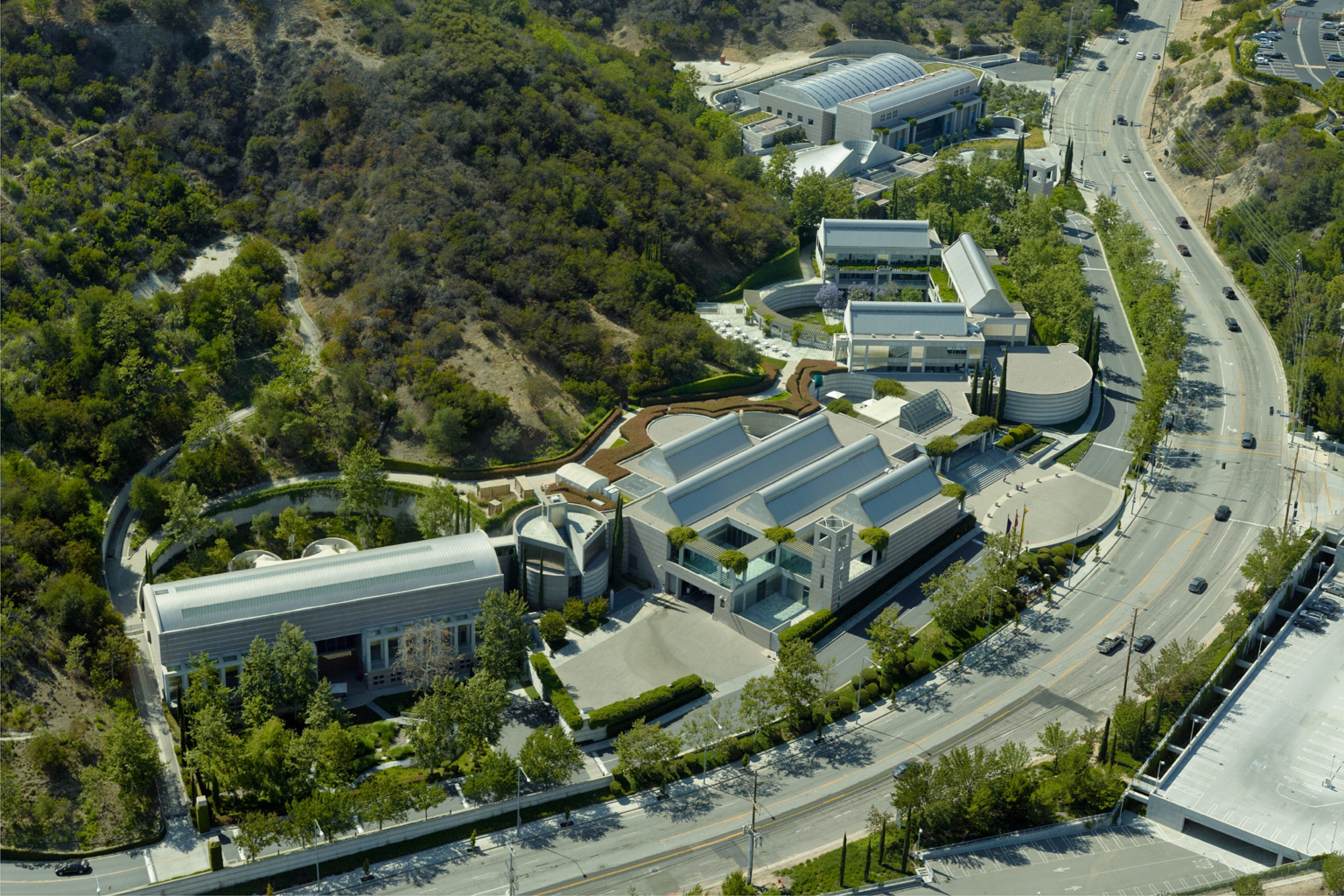
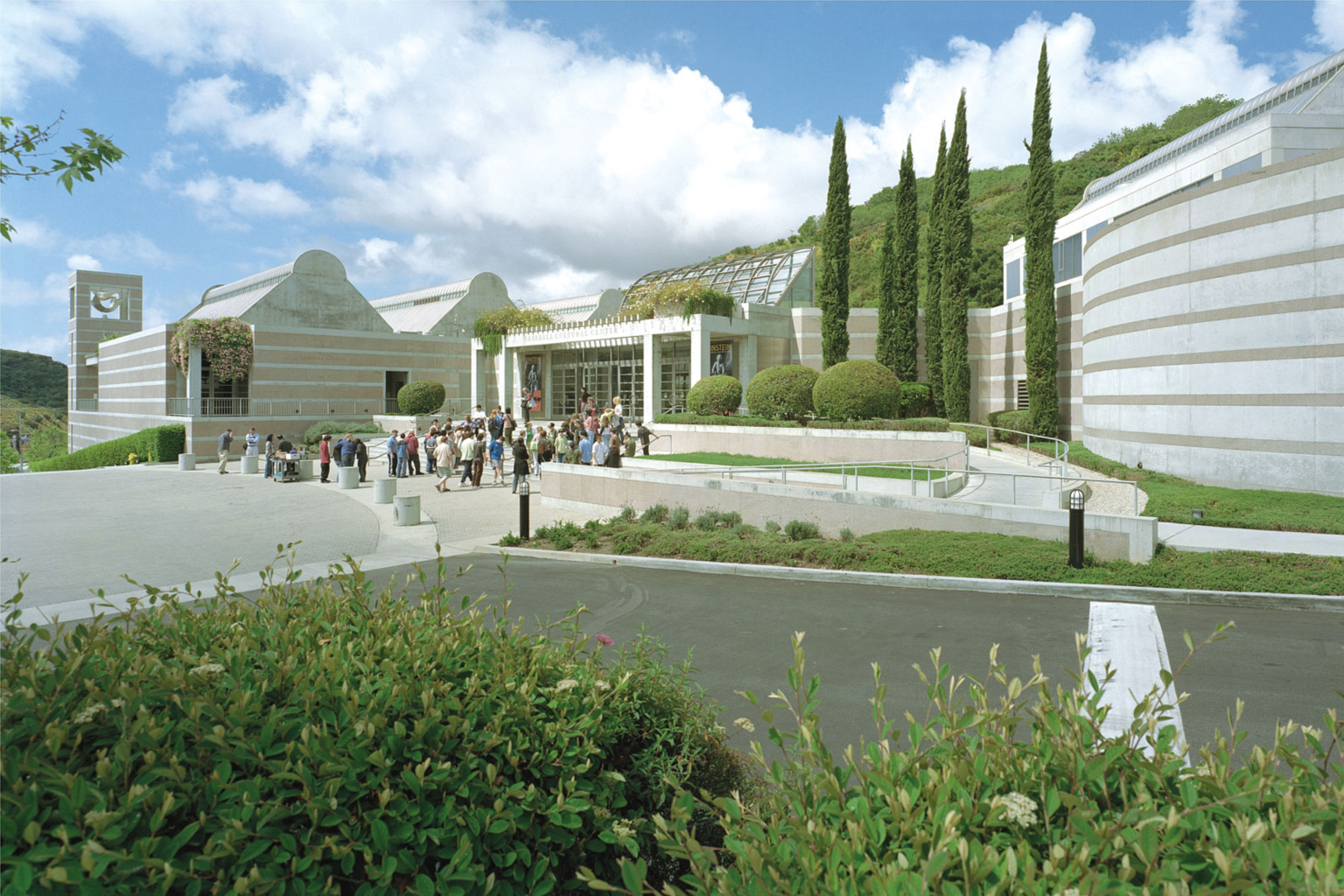
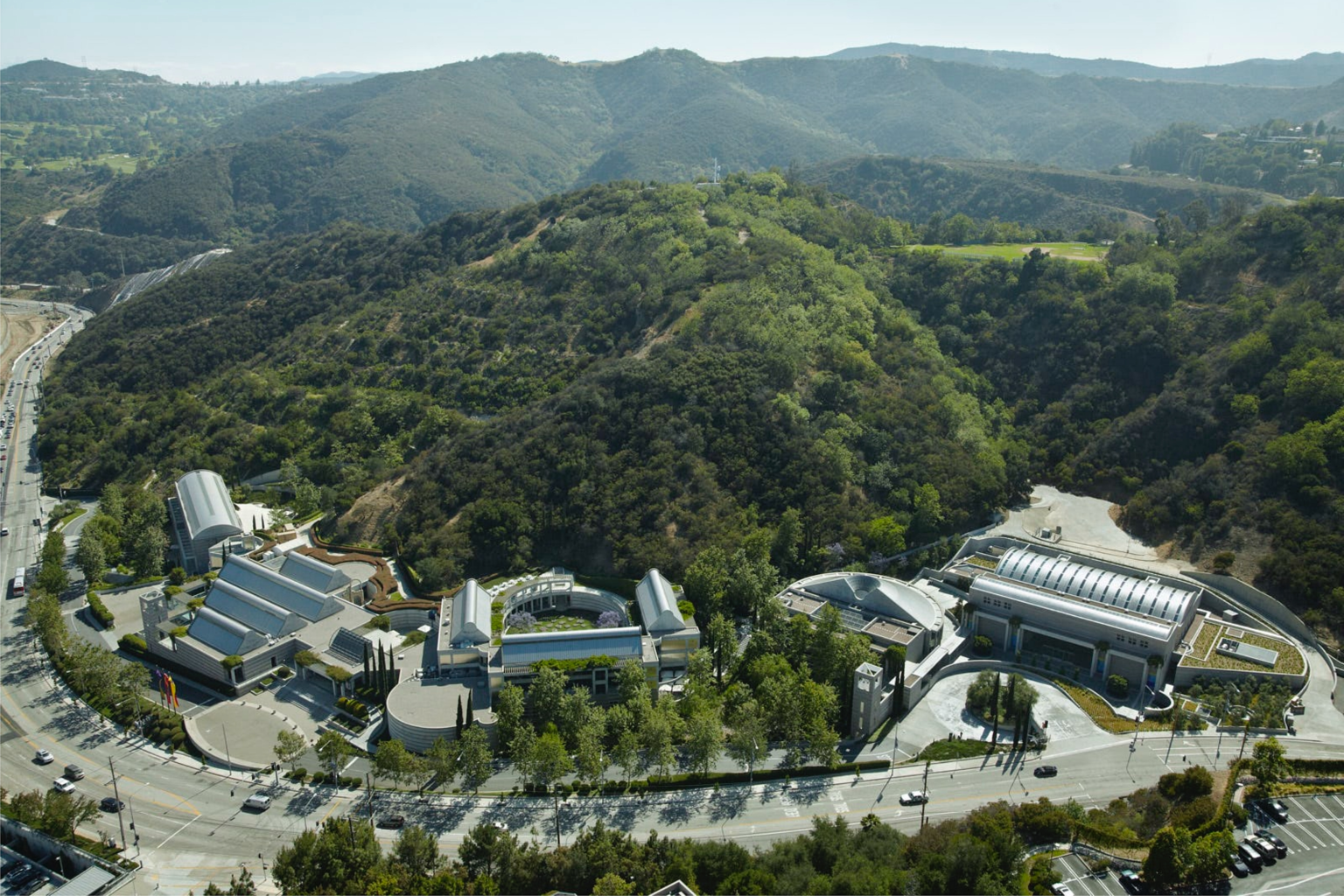
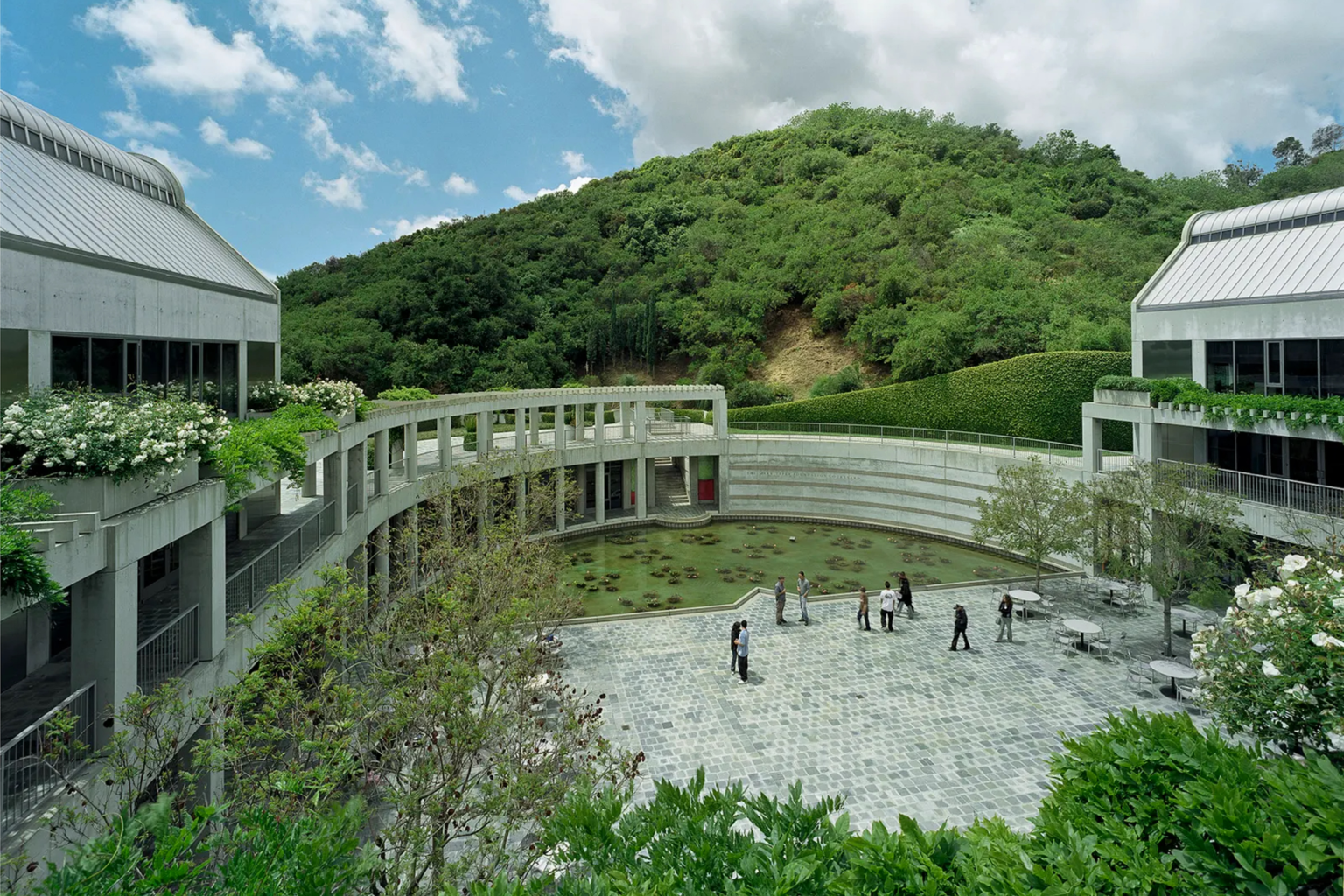
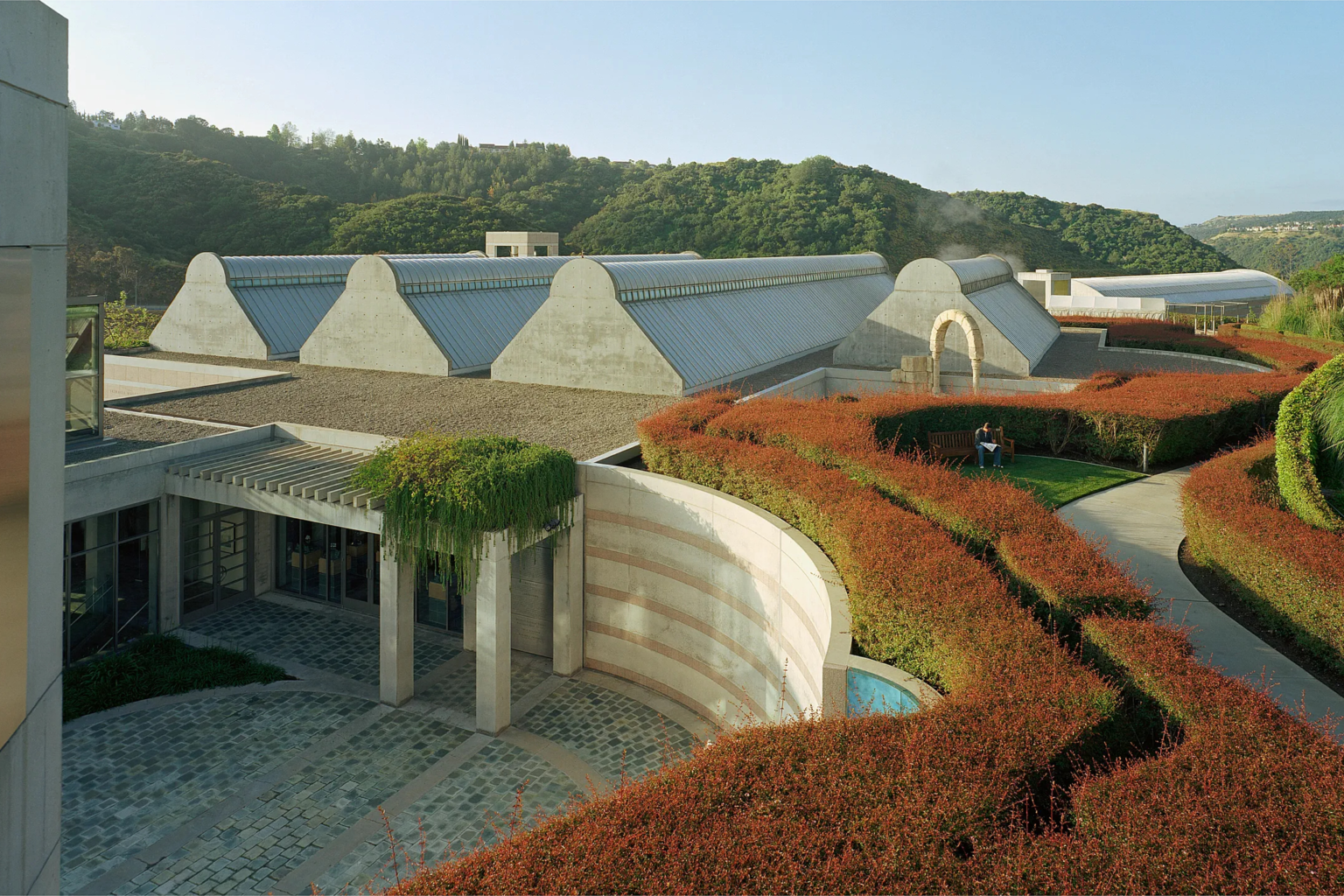
Uri D. Herscher, Executive Committee, is the visionary and founder of the Skirball Cultural Center. He led Skirball from its inception in the early 1980s and was named Founding President and CEO when the institution opened to the public in October 1995. The Skirball Cultural Center is a place of meeting guided by the Jewish tradition of welcoming strangers and inspired by the American democratic ideals of freedom and equality. We welcome people of all communities and generations to participate in cultural experiences that celebrate discovery and hope, foster human connections and call upon us to help build a more just society. He served in that role until June 2020. Dr Herscher is a scholar, administrator, and rabbi whose abiding commitment to Jewish values, which he embraces as universally ethical in essence and practice, has infused the Skirball throughout its history.
Prior to founding the Skirball Cultural Center, Dr Herscher was Executive Vice President and Dean of Faculty of the four-campus Hebrew Union College–Jewish Institute of Religion (HUC–JIR), a position he held for twenty-five years (1970–1995). During that time, he also held the position of Professor of American Jewish History. Over the course of his academic career, Dr Herscher authored several influential books on the history and sociology of American Jewry, among them On Jews, America, and Immigration (American Jewish Archives), Jewish Agricultural Utopias in America (Wayne State University Press), A Century of Memories, 1882–1982: The Eastern European Experience in America (American Jewish Archives), and Queen City Refuge (Behrman House).
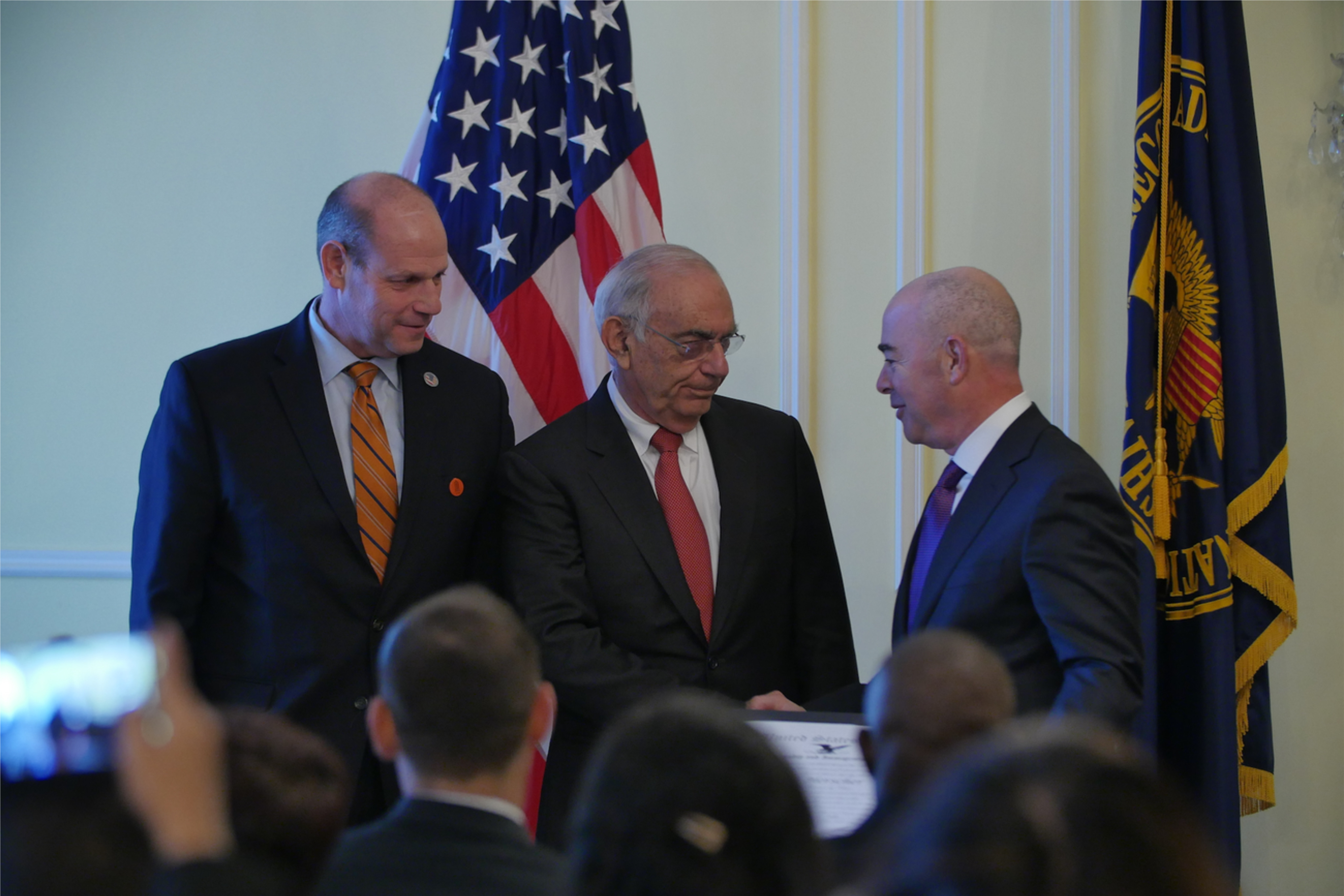
Among his civic contributions to the city, Dr Herscher served a five-year term (2001–2006) as one of five commissioners on the Los Angeles Ethics Commission. Throughout his years of institutional and communal leadership, Dr Herscher sought to build public support and appreciation for the constructive role of immigration in American life. Under the auspices of the Department of Homeland Security at a White House ceremony in April 2016, Dr Herscher was recognized by US Citizenship and Immigration Services as an Outstanding American by Choice. This honour is bestowed upon a select few naturalized citizens who have made significant contributions to this nation through civic participation
Dr Herscher was born in Tel Aviv in 1941 to German Jewish refugee parents who had fled Hitler’s rise to power and made their way to British Mandate Palestine in the mid-1930s. His grandparents and many relatives were murdered in Nazi death camps. In the mid-1950s, Dr Herscher immigrated with his family to the United States, settling in San Jose, California. As an undergraduate at the University of California at Berkeley, Dr Herscher co-founded Cal Camp, a summer camp for underprivileged children in the Bay Area, which continues to operate today. He graduated with honours in 1964 with degrees in history and sociology. He ordained a rabbi at HUC–JIR in 1970 and received a doctorate in American Jewish history in 1973. Dr Herscher holds honorary degrees from the University of Southern California, the University of Judaism, and Hebrew Union College.