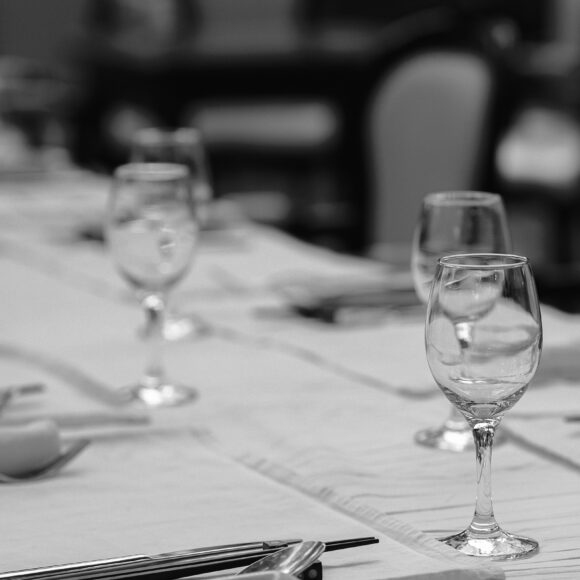
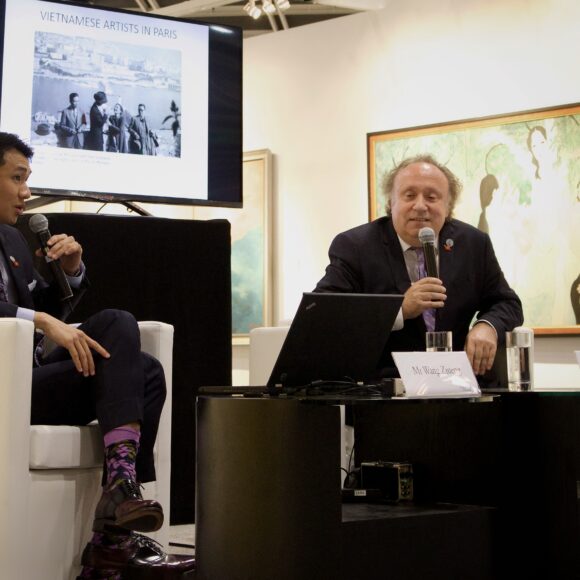
In 2016, during the 250th anniversary year of Christie's, a landmark sale devoted to Vietnamese art was presented in Hong Kong under the title Se Souvenir Des Belles Choses. Among those contributing behind the scenes was Thuc Doan, recognised as the first Vietnamese woman to assist Christie’s in such a capacity as translator, advisor and cultural interlocutor.
Category: <span>Art</span>
Boi Tran – Hue Elegance, or The Quiet Strength of Hue: Boi Tran and the Interior World of Beauty
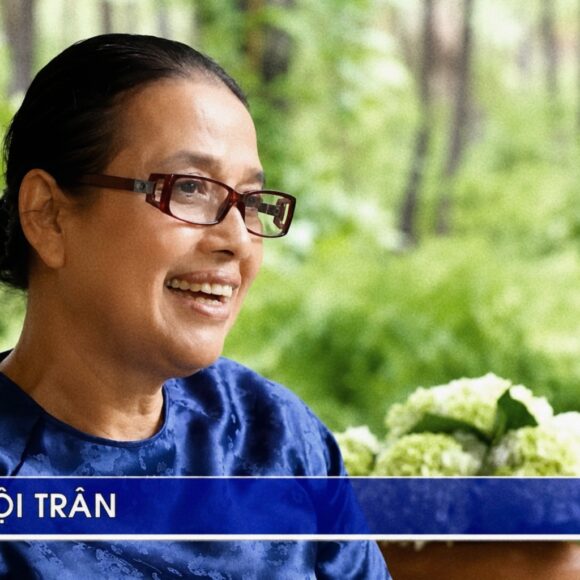
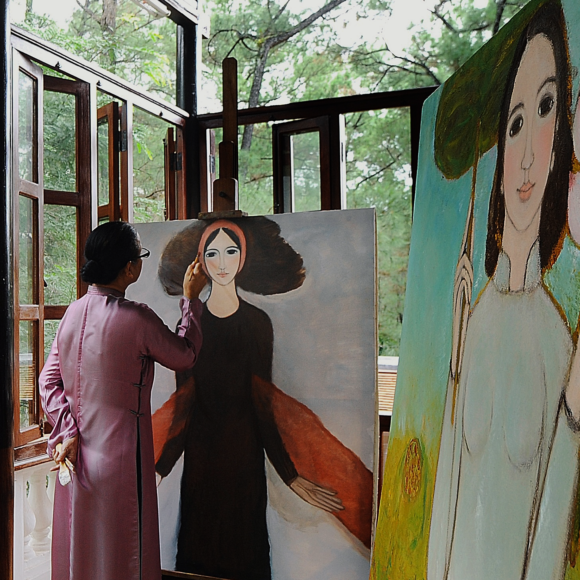
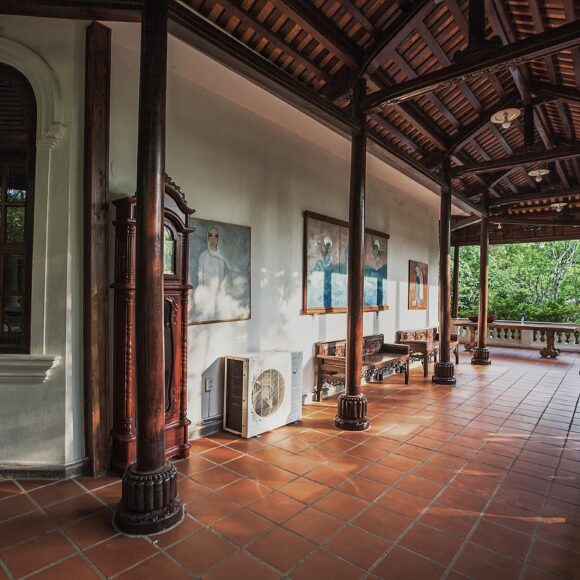
The 2015 HUE TV (TRT) documentary on Artist Boi Tran approached Hue not as spectacle, but as atmosphere, a world shaped by painting, memory, cuisine, feminine resilience, and the slow poetry of daily life on Thien An Hill. At Boi Tran Garden, art was never separated from existence. Old houses, winding garden paths, paintings, ceramics, and silence formed a living continuity rather than a reconstruction of the past.
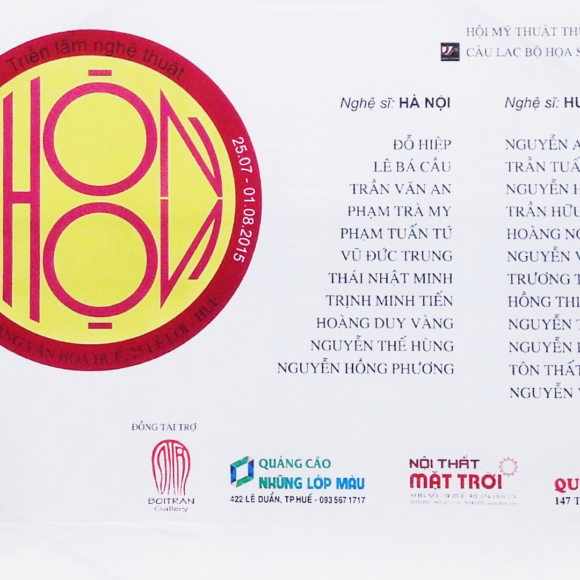
Group Exhibition “Chòn Chòn”, 2015, Or The Circle As A Shared Horizon Between Hanoi And Hue, With The Support Of Boi Tran Art Gallery
Boi Tran Art Gallery is honoured to support the group exhibition “Chòn Chòn,” as part of its sustained engagement in nurturing younger generations of artists and contributing to a broader ecosystem in which contemporary Vietnamese art continues to evolve and expand.
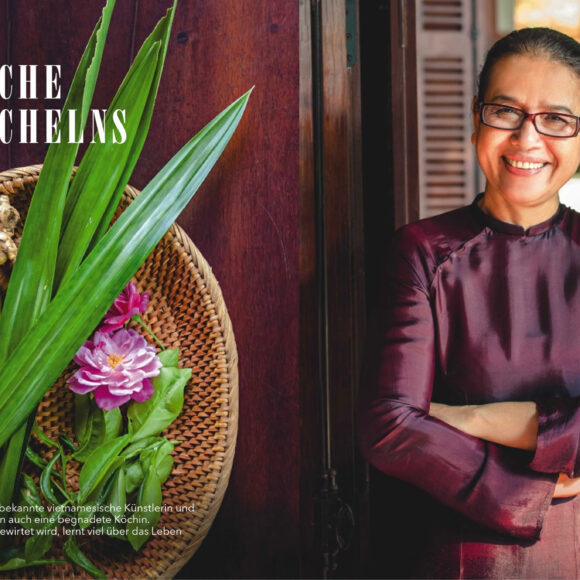
Brigitte Woman: The Kitchen of Smiles
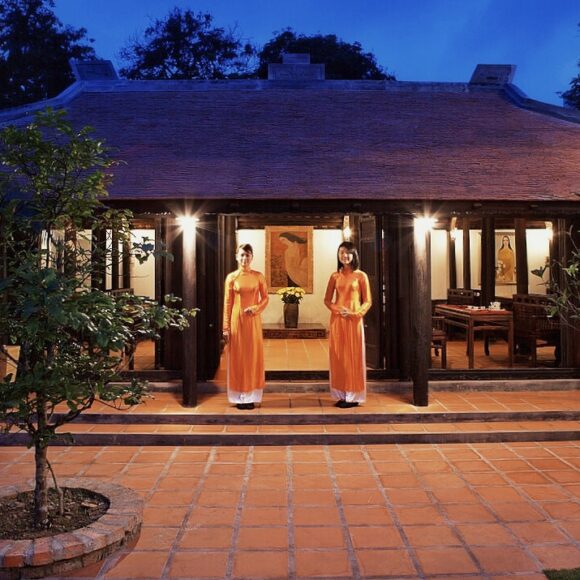
Boi Tran is not only a distinguished Vietnamese artist and garden architect, but also a gifted cook. To be received by her in the former imperial city of Hue is both a pleasure and a discovery. Within a secluded garden of lotus ponds and wooden architecture, everything has been shaped by her own hand. Here, cooking becomes more than craft; it is an extension of life, rooted in the refined traditions of Hue and guided by balance, precision, and memory. What emerges is not simply a meal, but a quiet harmony, where art, space, and gesture come together as one.
A Diplomatic Encounter: Where Culture Becomes A Language Of State or The Quiet Authority of Culture
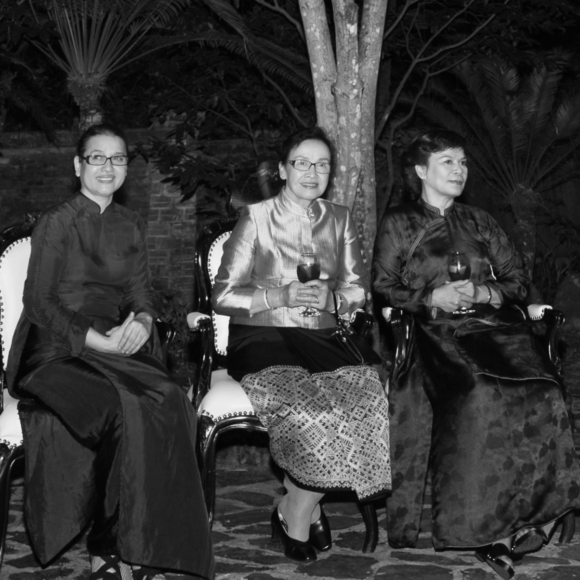
Formally requested by Vietnam First Lady Mai Thi Hanh, Boi Tran Garden was privileged to host a cultural exchange meeting combined with Hue royal refined music and Hue fine dining on the official first foreign visit to Vietnam of Laos First Lady Naly Sisoulith.
Best of Both Worlds: The Road Ahead Remains Open, The Painter of Poetic Hue
The path of art is vast and endless. It always urges us to work and create without rest. For painter Boi Tran, when holding a brush, a palette knife, or a pen, all can become works of art. And this garden is also a work that she cherishes. It has no boundary between surrealism and realism. And that is exactly the artistic path that she has chosen.
Cao Trong Thiem, A Letter Of 2013, Or The Moment When An Institution Pauses Before A Lived Space
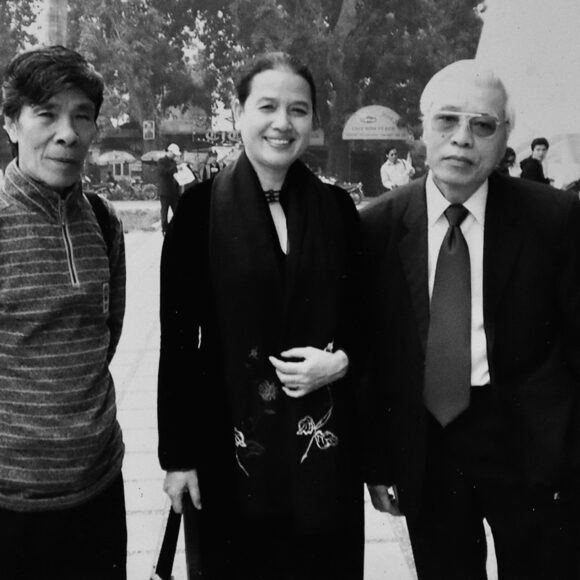
On 14 November 2013 in Hue, a letter was left for Boi Tran, signed by Cao Trong Thiem. He did not come alone. Alongside him were Phan Van Tien, Vi Kien Thanh, and Le Van Suu; figures who, each in their own capacity, embody the institutional structure of Vietnamese art.
Yet what was left behind was not a statement of authority, but a gesture. Not institutional, but human.
The Grace of Memory: Boi Tran Through Vinh Tuong’s Letter
Remembering an evening on Thien An Hill, Emeritus Professor Vinh Tuong writes of an encounter where hospitality and art became indistinguishable. In the quiet presence of Boi Tran’s paintings, meaning did not declare itself, but emerged slowly, through silence and attention. What remained was not simply admiration, but a memory shaped by feeling as much as by form.
DestinAsian Magazine: Hungry for Hue
Many of the old culinary traditions live on, and today, Hue cuisine is held to be Vietnam’s most delicious and diverse. A visit to Ancient Hue, a home restaurant and gallery of an eccentric, elegant artist and chef Boi Tran, gives visitors an inkling of what a royal banquet and a meal crafted.
Boi Tran and the Language of Taste | A Fork in Asia’s Road: Best Bites of an Occidental Glutton
Writing on Hue, John Krich pauses in Boi Tran’s garden, where the light disappears before the first course. What emerges in its place is not darkness, but a different clarity, one in which the meal is no longer seen, but recognised.