
Boi Tran and the Language of Taste | A Fork in Asia's Road: Best Bites of an Occidental Glutton

John Krich
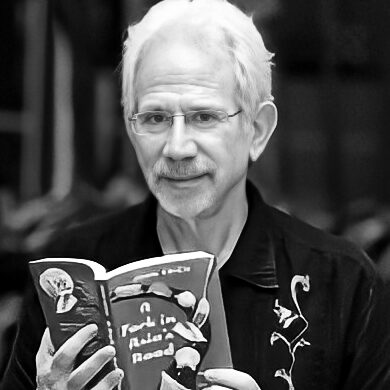
John Krich
Author John Krich

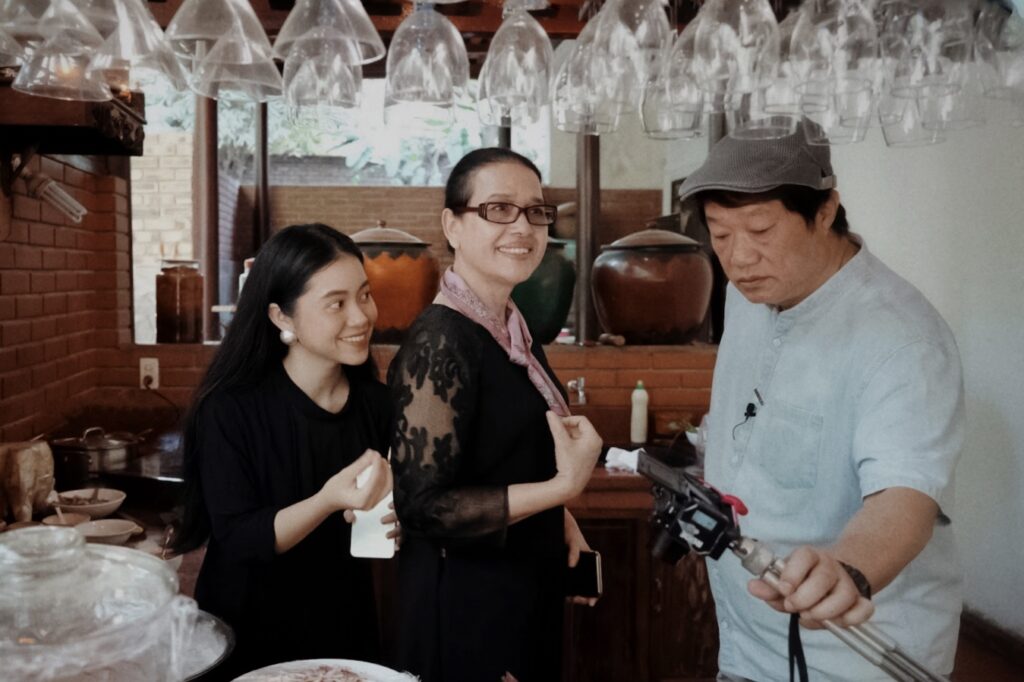
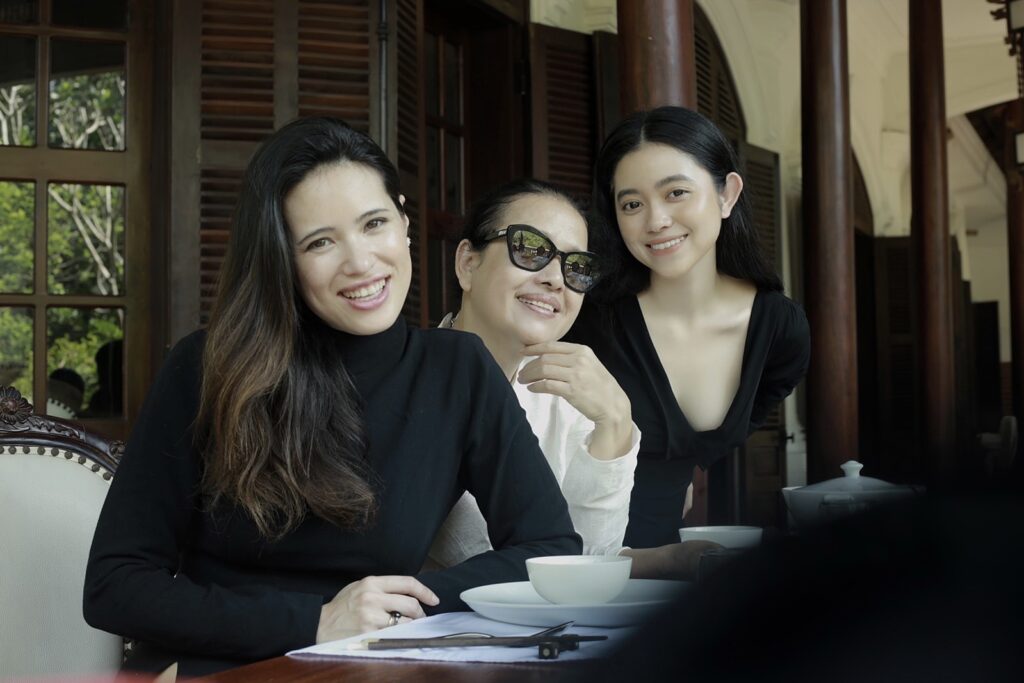
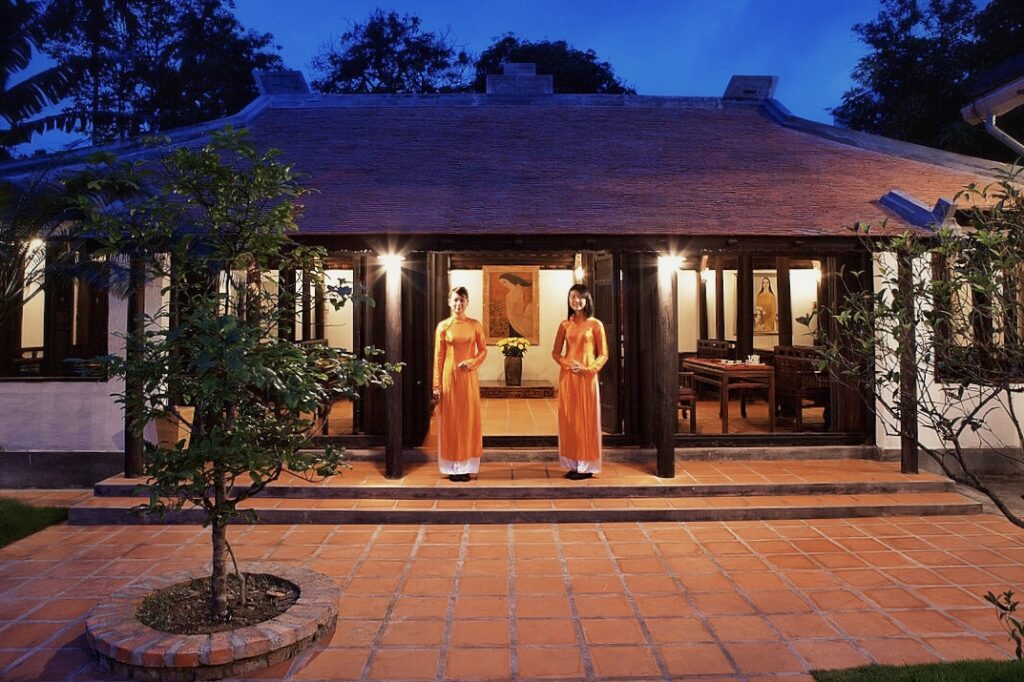
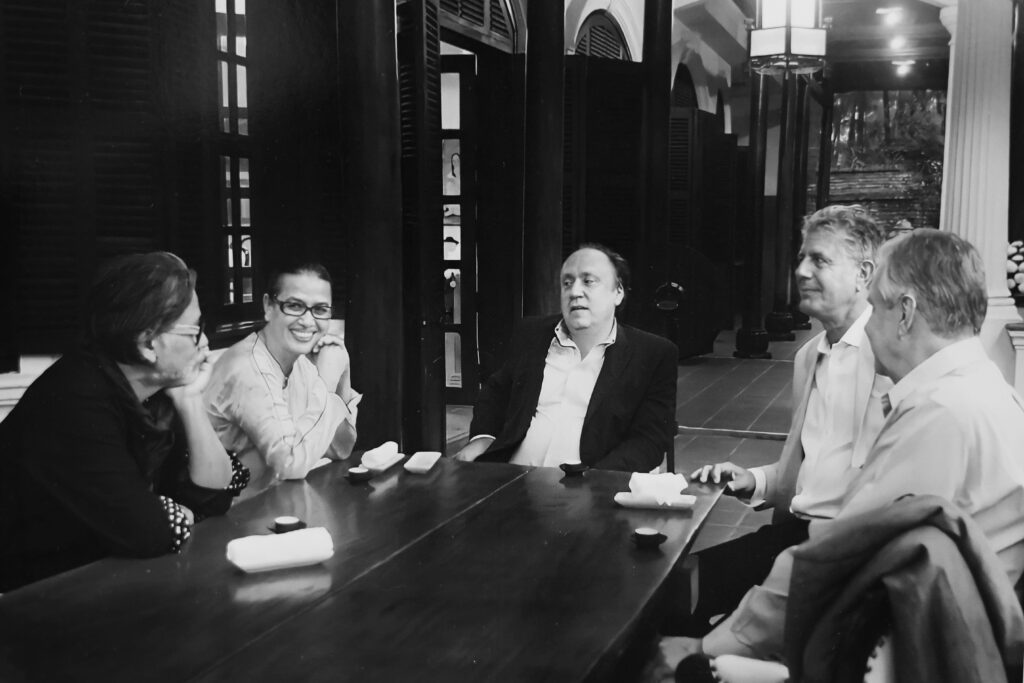
Writing on Hue, John Krich pauses in Boi Tran’s garden, where the light disappears before the first course. What emerges in its place is not darkness, but a different clarity, one in which the meal is no longer seen, but recognised.
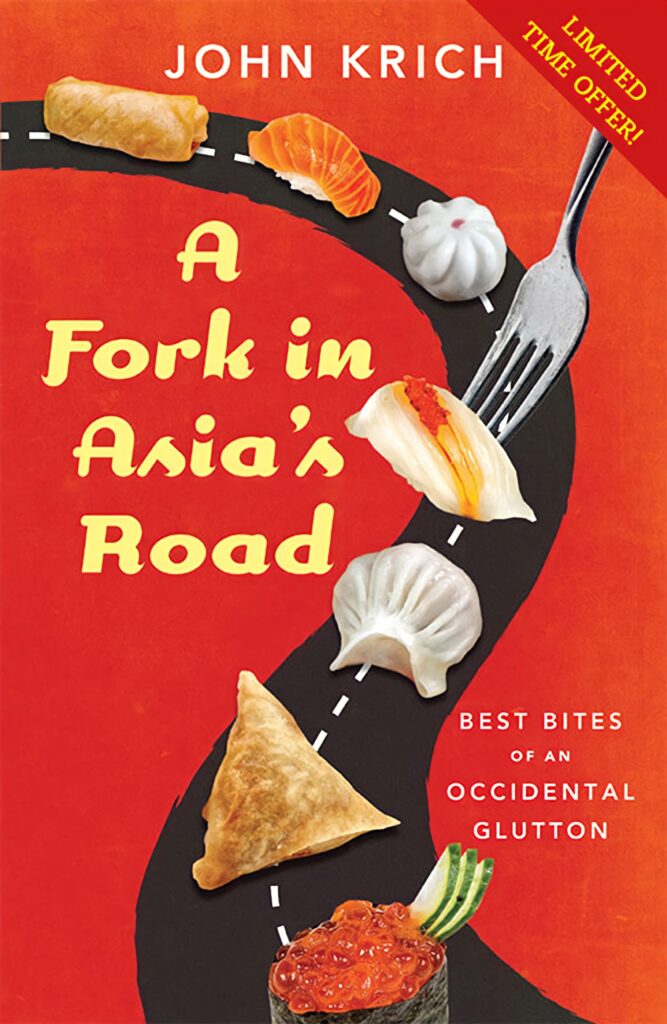
A Fork in Asia's Road: Adventures of an Occidental Glutton, John Krich

The light goes out before the meal begins.

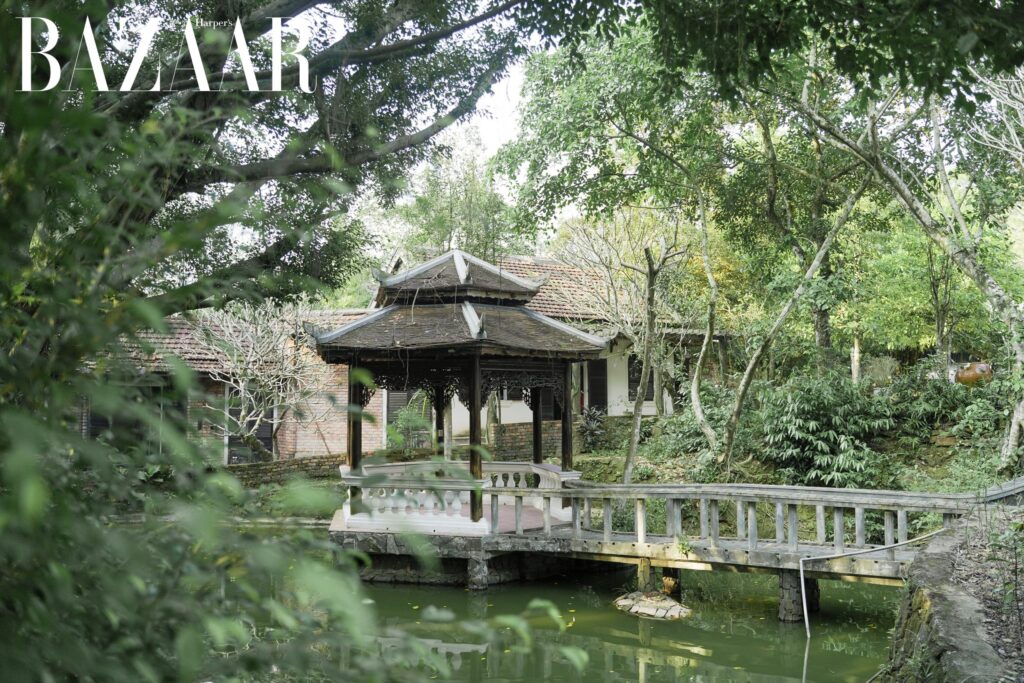
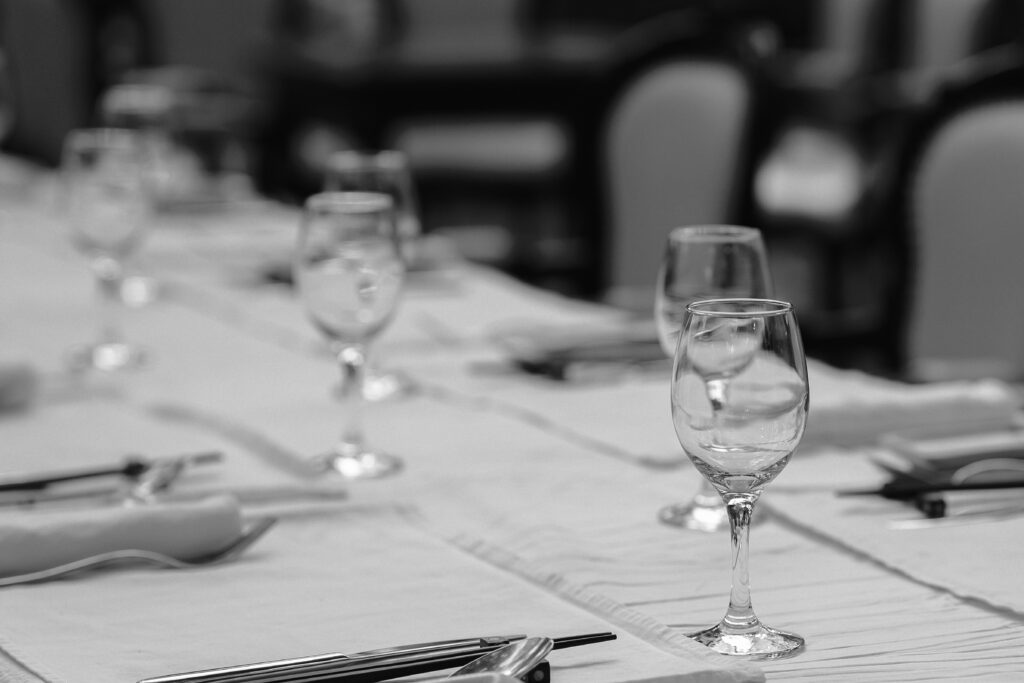
Not by design, but as a condition of the place itself, a hillside beyond the city, where the road bends toward the royal tombs and the evening is allowed to arrive without interruption. For a brief moment, the table disappears into darkness. Then, slowly, the outlines return, the trees disclose the sky, and the dishes begin to emerge, not as display, but as presence.

Nothing is revealed at once.
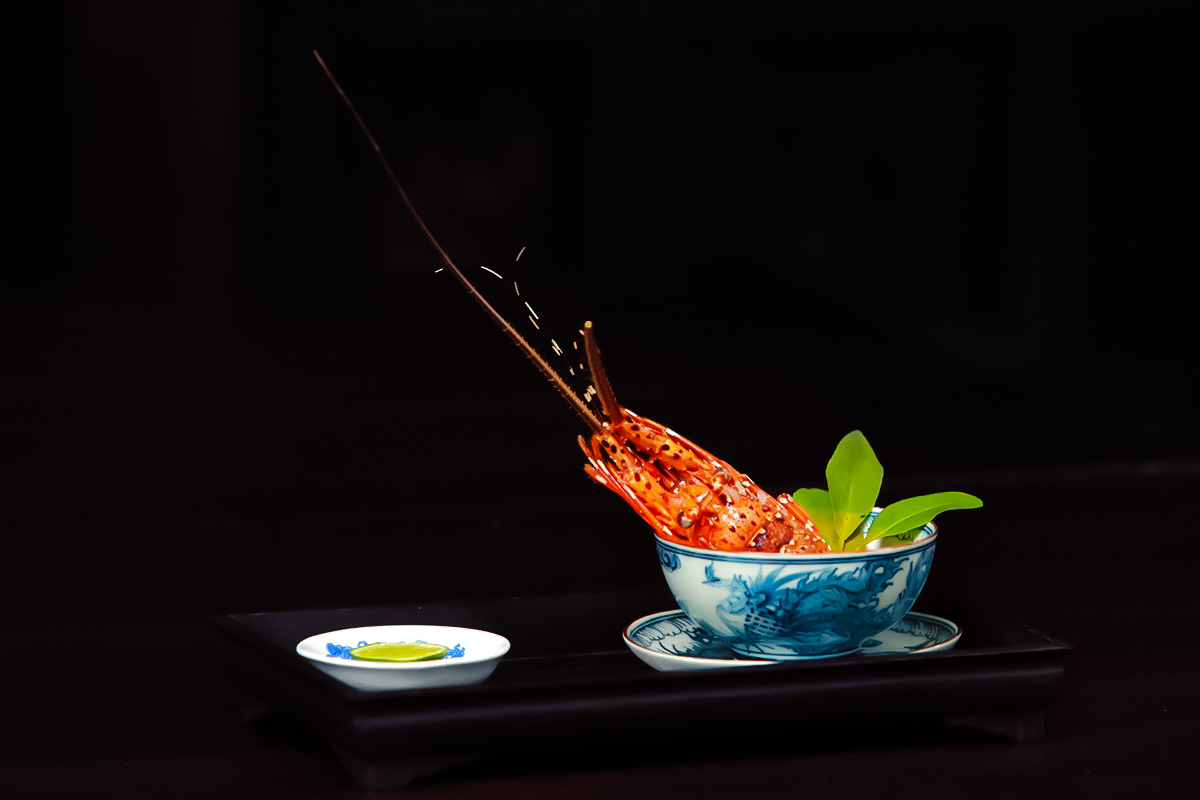
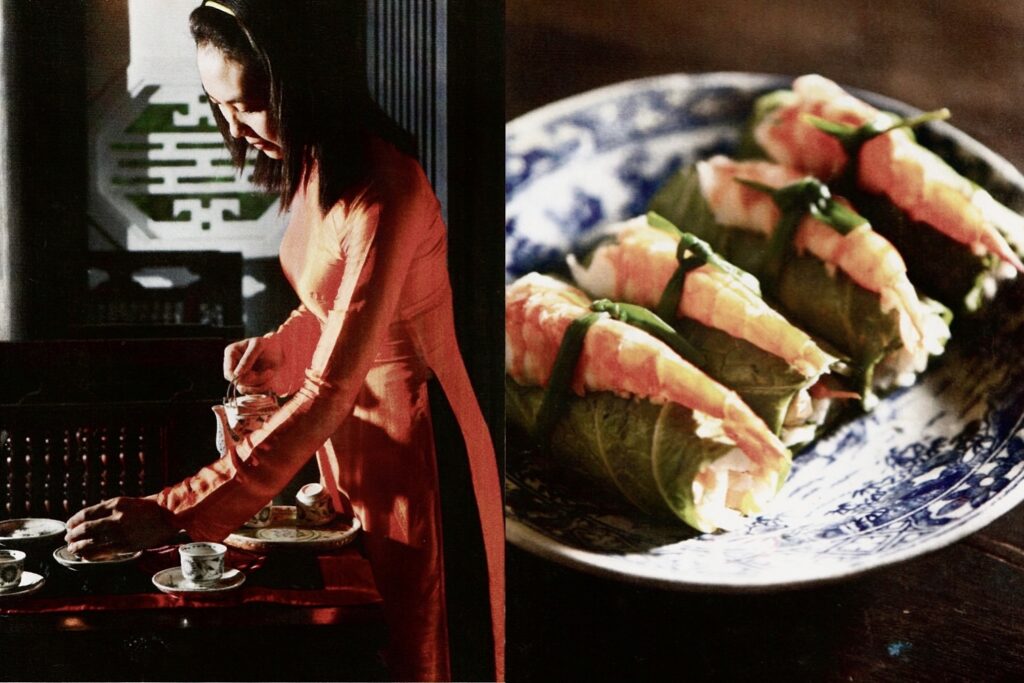
Prawns with Five Spices

Each element holds back. A shrimp prepared in five tastes rests in a clear broth that does not seek intensity. A fig, minced and seasoned, recalls something raw without imitating it. A soup assembled over many hours refuses acceleration. These are not inventions, nor reinterpretations. They belong to a continuity that has not been broken, only displaced, and here, quietly resumed.

Before the first course is taken, it becomes evident that this is not a restaurant in any conventional sense. The space does not organise itself around service. It unfolds as an extension of a life.

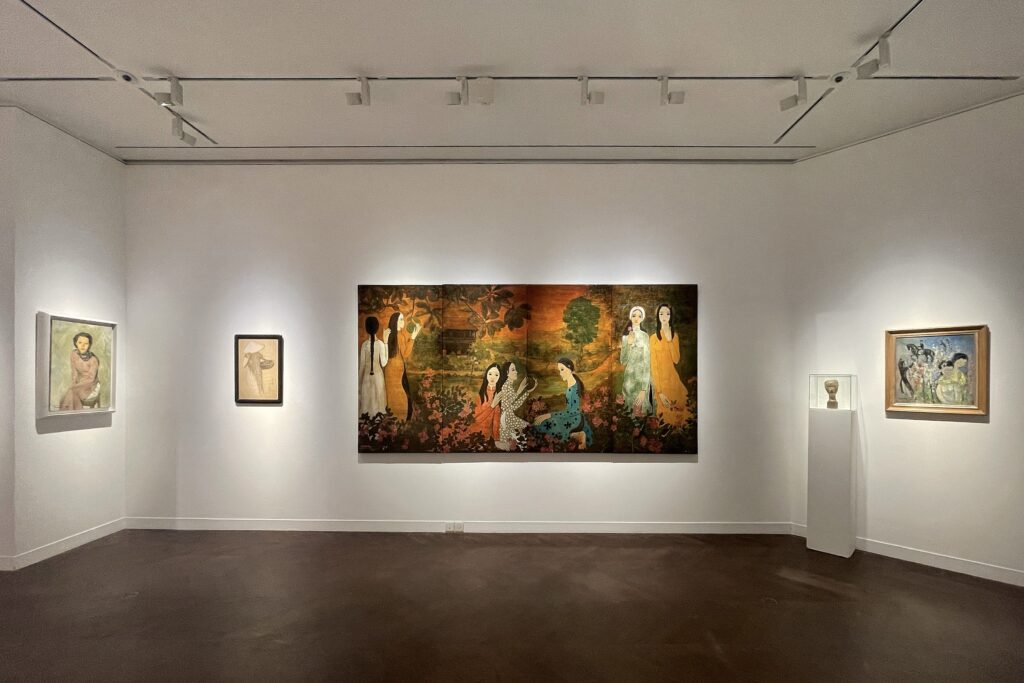
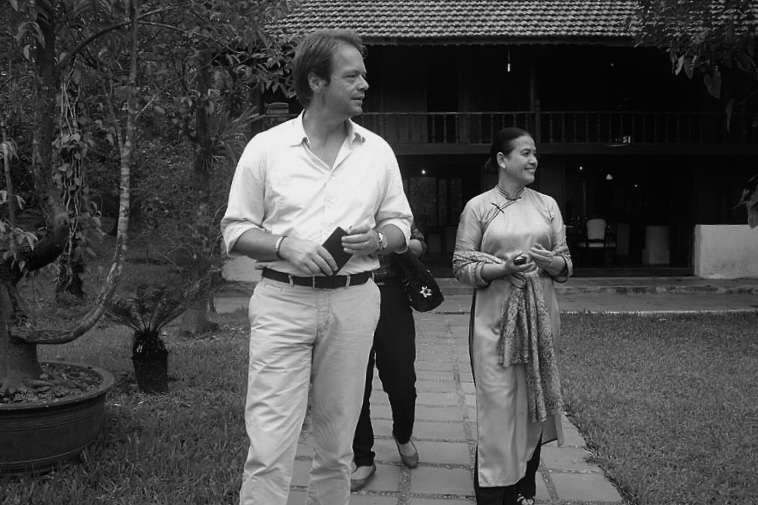
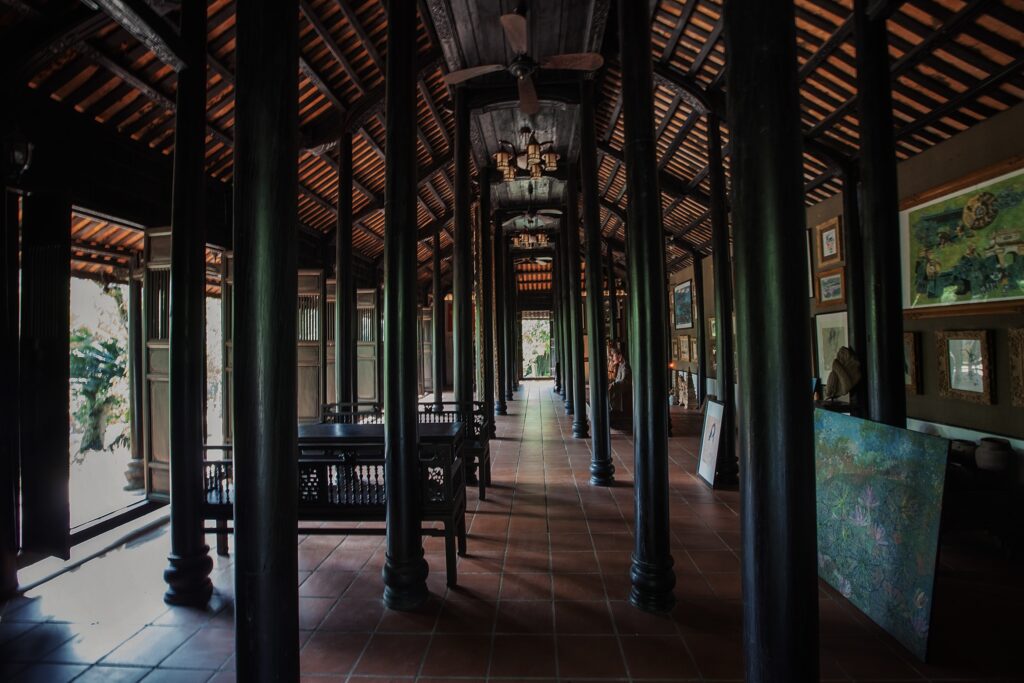
At the front stands a long, oblong gallery, where paintings of women and landscapes remain in a state that does not ask to be explained. Beyond it, the garden extends, with lotus ponds, fruit trees, and wooden houses that do not reconstruct tradition, but continue it. For more than a decade, Boi Tran has worked here, painting and cooking within the same ground, without separating one from the other.

She does not move between disciplines.
She remains within a single condition.

What appears on canvas and what is placed on the table are not parallel practices. They proceed from the same restraint, the same refusal to exaggerate, the same attention to what must not be lost.

“At first, I cooked only for friends,” she says, without emphasis. “Then people began to ask.”

The gesture did not change. It extended.

In a city often described as the culinary capital of Vietnam, where fragments of imperial cuisine persist in diminished or stylised forms, what is encountered here is not revival in the theatrical sense. It is not reconstruction. It is not preservation as display.

It is continuation.
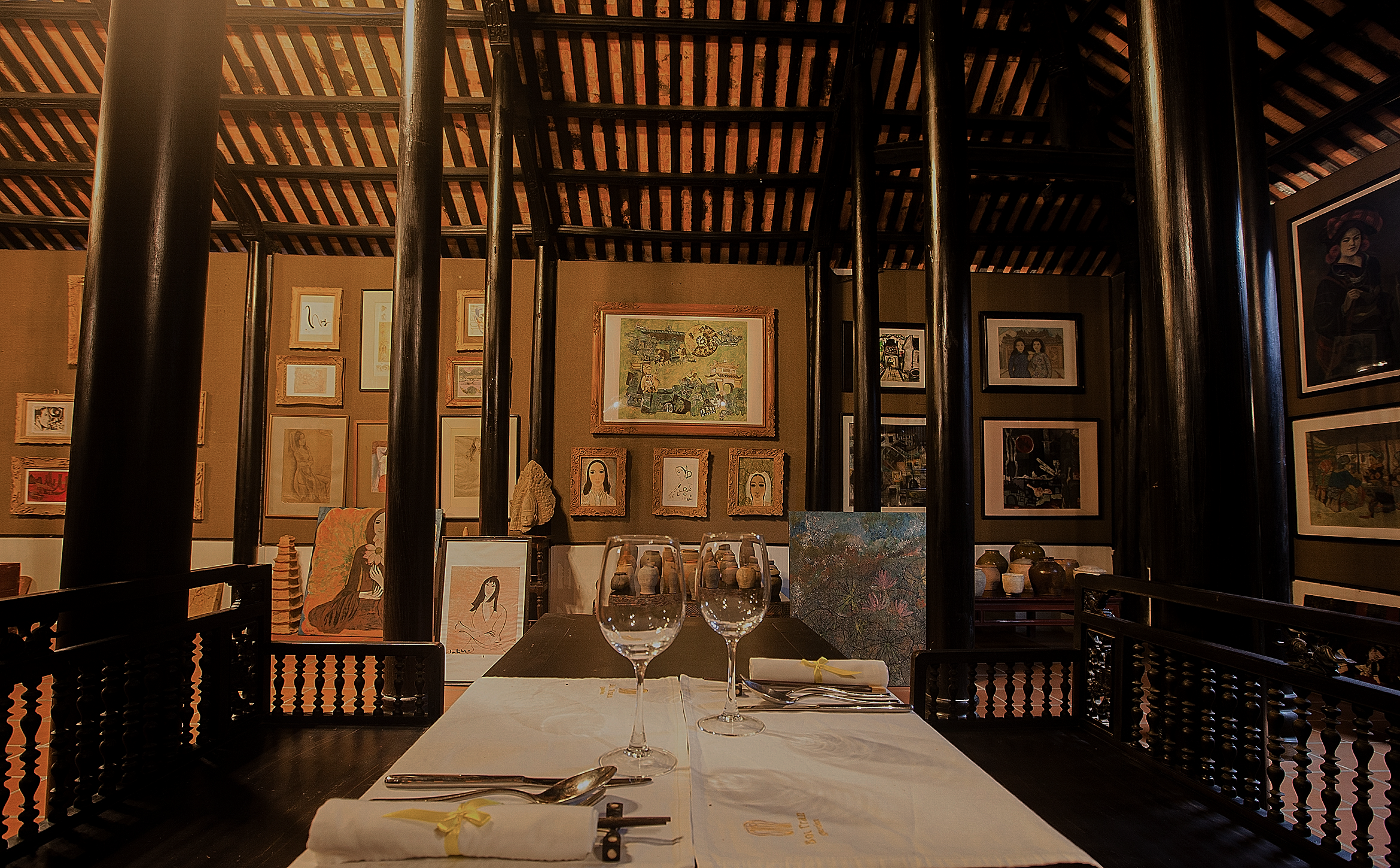
Best of Both Worlds
Artworks displayed at Boi Tran Garden (Boi Tran Art Gallery)

Hue cuisine, in its most refined form, was never designed for abundance. It was structured through balance, small portions, precise arrangements, a sensibility that placed equal weight on colour, taste, and form. Such principles cannot be reproduced through scale. They can only be sustained through attention.

Boi Tran does not claim to restore what has been lost. She does not position herself within a narrative of recovery. Instead, she works within what remains, selecting, refining, and allowing it to continue without distortion.

This is not an act of nostalgia.
It is an act of responsibility.

Her life, like the space she has built, does not follow a singular path. Trained as a painter, shaped through years of artistic practice in Ho Chi Minh City, she returned to Hue not to withdraw, but to construct a place where art, memory, and daily life could coexist. The garden was never conceived as a restaurant. It became one only insofar as it needed to receive those who came.

What is offered here is not hospitality in its conventional form. It is not performance. It is not service.

It is an invitation to remain.

In the absence of excess, something else becomes perceptible. The meal does not seek to recreate the past, nor to interpret it. It holds a condition in which the past has not entirely disappeared.

And in that condition, Boi Tran’s work, whether on canvas or at the table, does not present itself as achievement.

It persists as continuity.
You may also like

Minh Duc Trieu Tam Anh

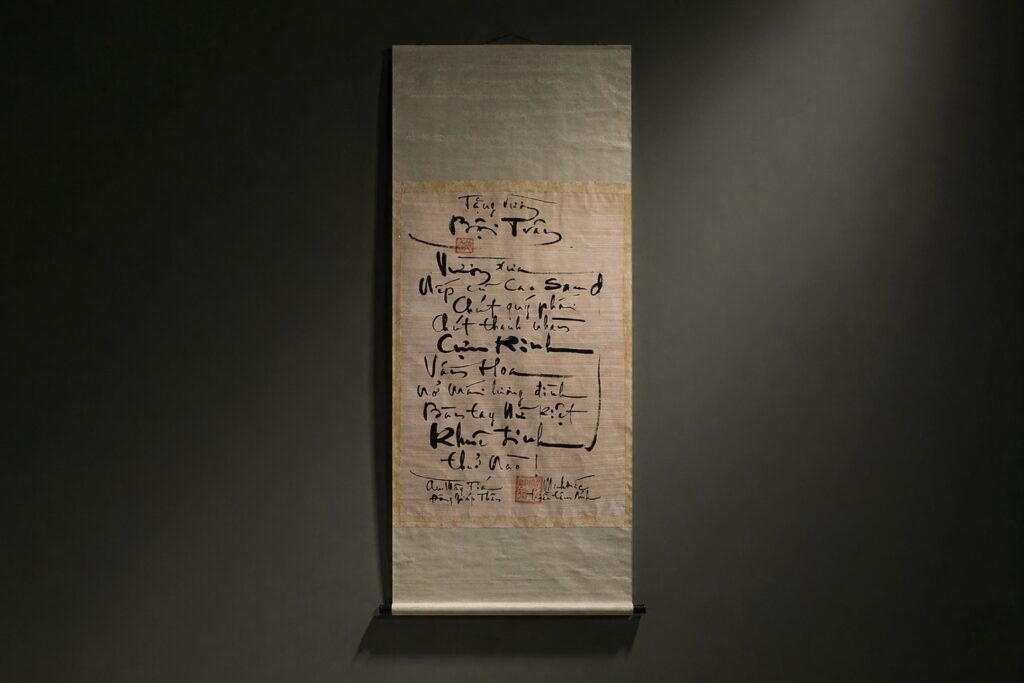
Lines of Noble Regard: The Venerable Giới Đức (Minh Đức Triều Tâm Ảnh) Writes for Boi Tran, 2004

Dr Phan Thanh Hai & Artist Boi Tran

Boi Tran, The Woman Who Paints the Dream of Hué

Boi Tran, “The Elegants Of Hué”, 2015, or The Inevitable Choice of Distinction Against Fate

Boi Tran, “The Elegants Of Hué”, 2015, or The Inevitable Choice of Distinction Against Fate

Christie’s Paris | The Phoenix Glue and the Broken Silk Thread: Important Vietnamese Artworks from the Melchior Dejouany Collection

Christie’s Paris | The Phoenix Glue and the Broken Silk Thread: Important Vietnamese Artworks from the Melchior Dejouany Collection

Boi Tran Garden, an Artistic Space Imbued with the Spirit of Hue

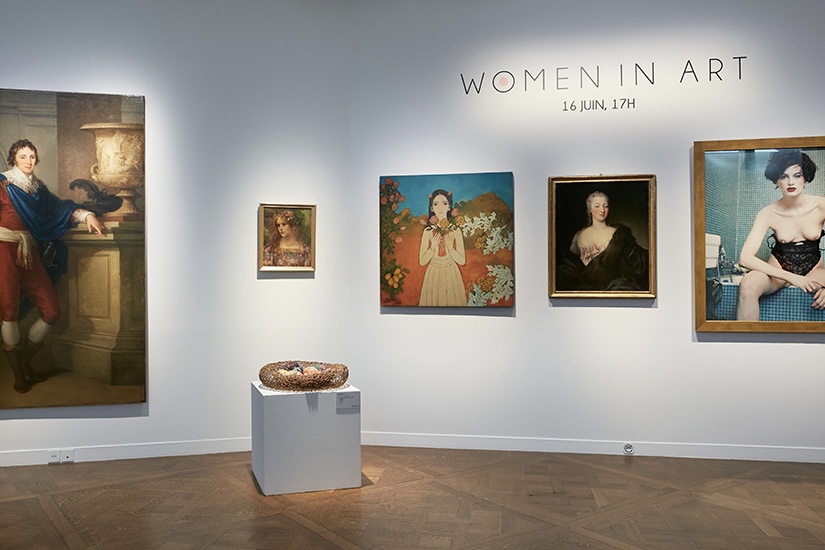
Christie’s Paris | Women in Art From the XVIth to the XXIst Century, or Boi Tran: When a Singular Presence from Vietnam Does Not Remain in the Shadows

Éternité Magazine | Cloud Landing Collection by Photographer Tran Dinh Thuc Doan

Éternité Magazine | Cloud Landing Collection by Photographer Tran Dinh Thuc Doan

The Hue To Go by KF Seetoh | Royal Cuisine & Cultural Interview at Boi Tran Garden

Anne-Solenne Hatte’s “La Cuisine De Bà”, or “Tasting Vietnam” at Boi Tran Garden

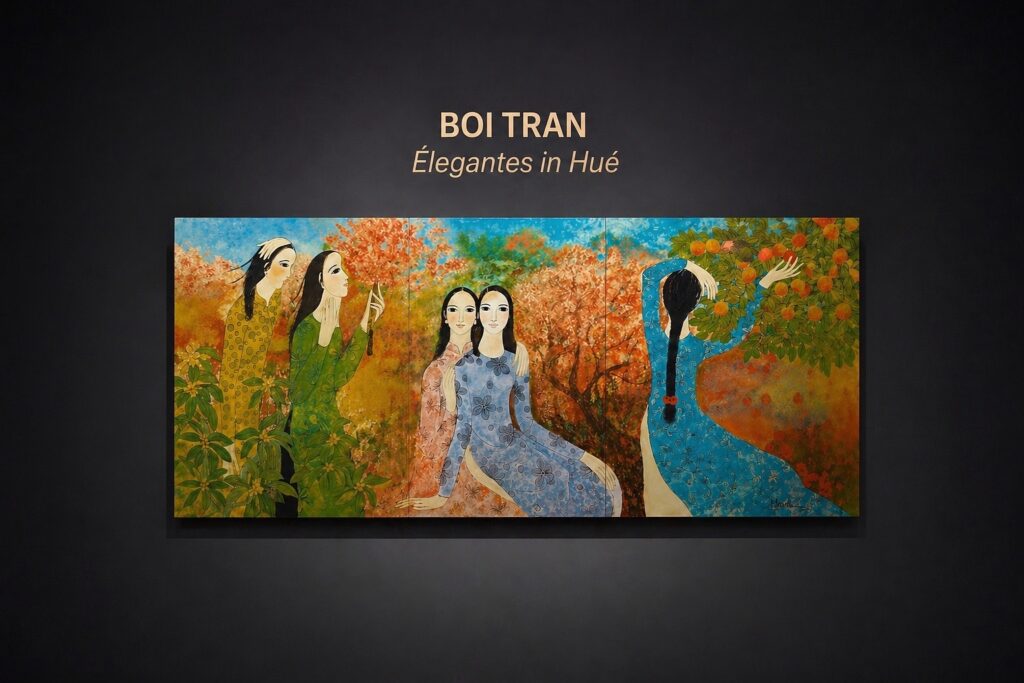
Elégantes in Hué | lacquer on panel (triptych) | each 120 x 80 cm (47 1/4 x 31 1/2 in.), overall 120 x 240 cm (47 1/4 x 94 1/2 in.). Hammered Price: USD 15,189 at Ravenel: Select Modern & Contemporary Art, Vietnamese Modern Art, 2019

Ravenel, Vietnamese Modern Art, or the Architecture Of Elegance and the Discipline of Beauty in Boi Tran

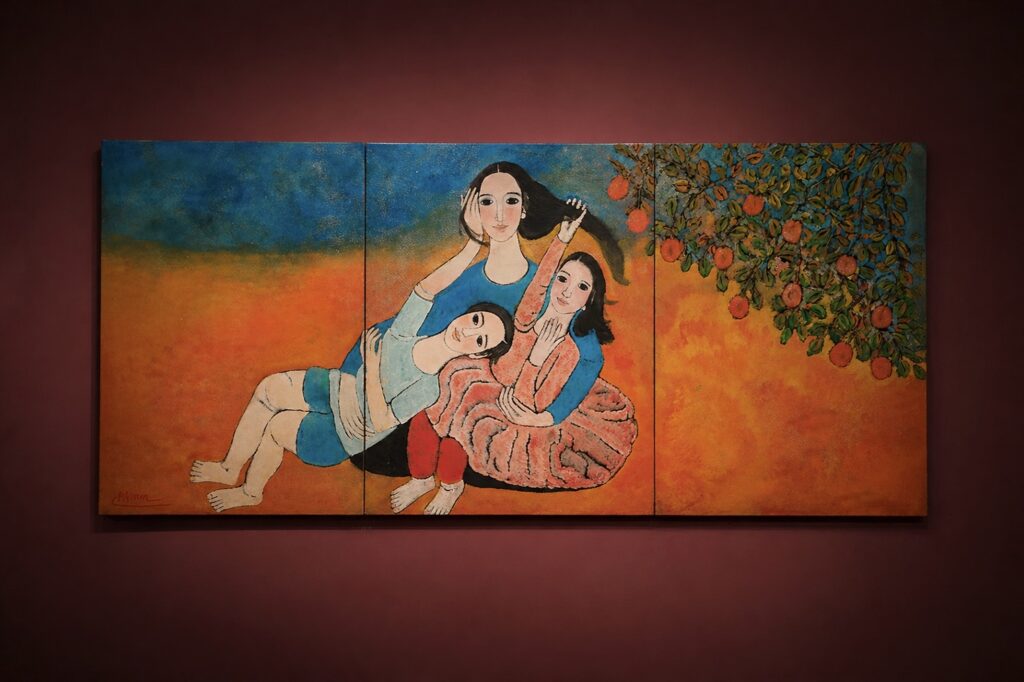
Boi Tran (Vietnam, B. 1957)
Mother and Children
signed 'Btran' (lower left)
lacquer on panel (triptych)
each 120 x 80 cm. (47 1/4 x 31 1/2 in.)
overall 120 x 240 cm. (47 1/4 x 94 1/2 in.)
Painted in 2010

Thanh Nien News | Complete Transcendence

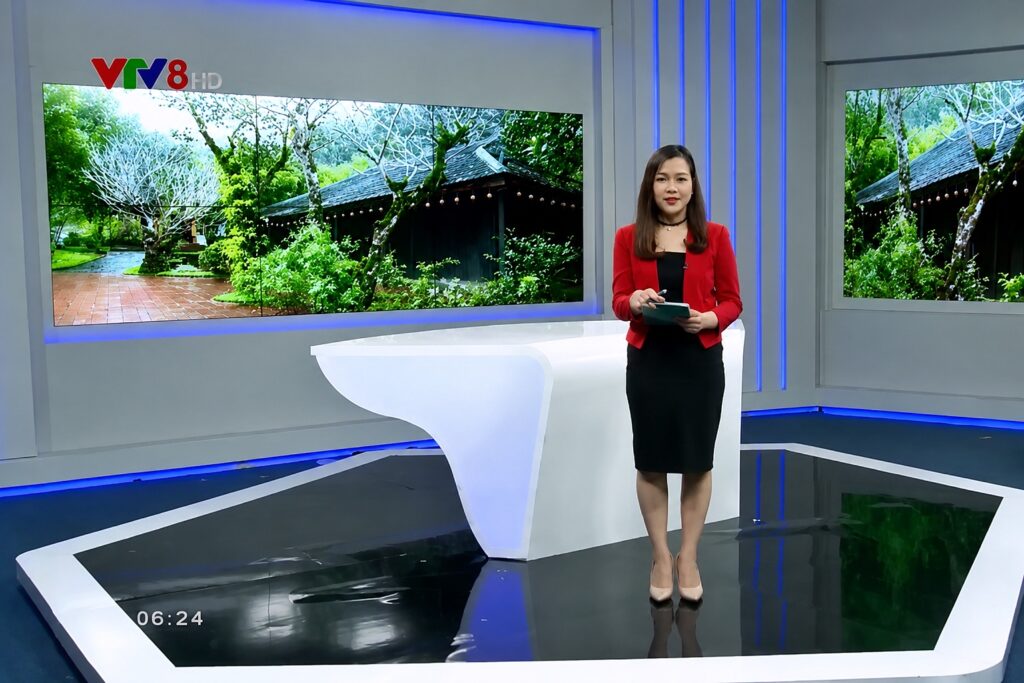
VTV8 | The Elegance of Hue Continues at Boi Tran Garden

VTV8 | The Elegance of Hue Continues at Boi Tran Garden

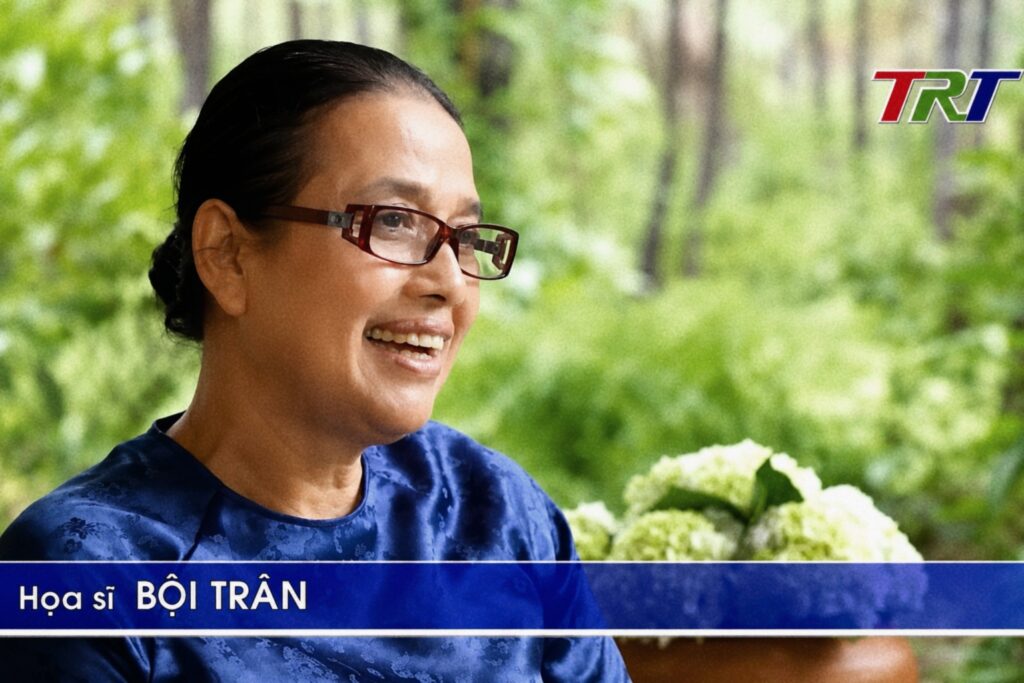
TRT

Boi Tran – Hue Elegance, or The Quiet Strength of Hue: Boi Tran and the Interior World of Beauty

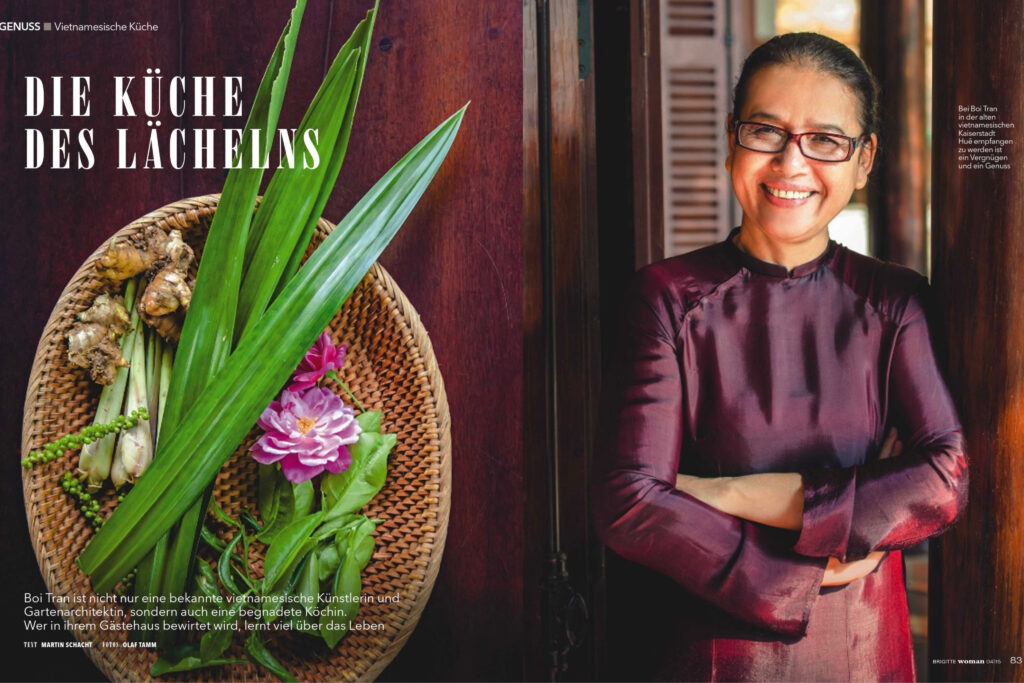
Brigitte Woman: The Kitchen of Smiles

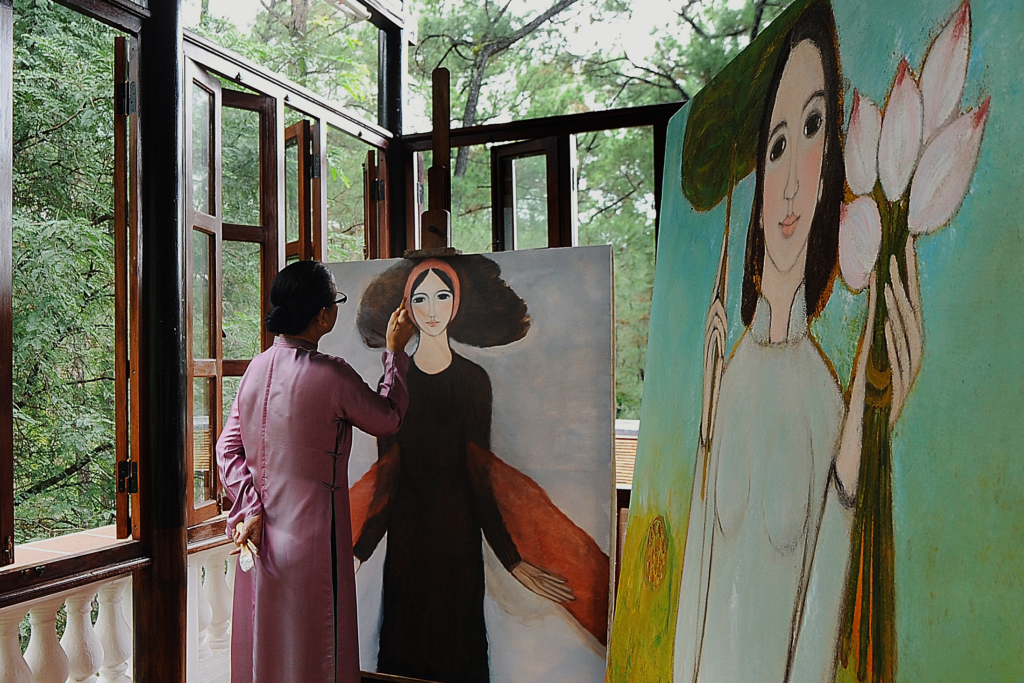
Painter Boi Tran depicting her oil painting in 2014

Best of Both Worlds: The Road Ahead Remains Open, The Painter of Poetic Hue

Hoang Vien Restaurant, Founded and Managed by Artist Boi Tran

DestinAsian Magazine: Hungry for Hue

Boi Tran and the Language of Taste | A Fork in Asia’s Road: Best Bites of an Occidental Glutton

Anthony Bourdain at Boi Tran Garden | CNN Parts Unknown: Vivacious in Vietnam

ZDF Journalist Peter Kunz and Painter Boi Tran

Peter Kunz and the Gentle Beauty of Boi Tran Garden: A Conversation of Hearts

Travel + Leisure: Vietnamese Food, The Ultimate Food Guide

madonna

Boi Tran’s ‘Madonna’, the First Time Presented and Phenomenally Hammered at Sotheby’s in 2008

Tran Ninh Ho's Handwriting to Boi Tran, 2005, "To love and esteem Artist Boi Tran and your family. Hanoi, Early Summer 2005."

Boi Tran’s Art Graces the Cover of Poet Tran Ninh Ho’s Poetry Publication

Boi Tran and Nguyen Trong Tao, 2017.

Youth, Flowers, and the Quiet Language of Boi Tran’s The Young Girl and the Flowers

‘I and The Call from Within’ Exhibition: Nguyen Trung on Boi Tran’s World of Grace and Art

The Rebirth of Ancient Houses: Architecture, Memory and the Return to Hue Or Boi Tran and a Return to Living Heritage

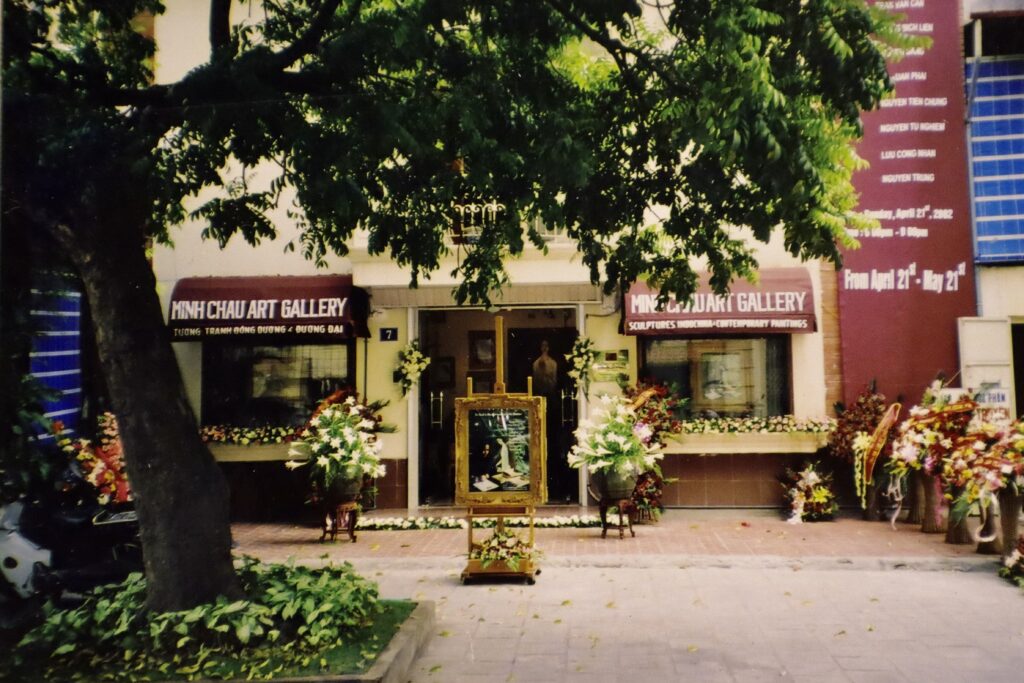
Small and Miniature Paintings by the Masters at Minh Chau Art Gallery

Minh Chau Art Gallery: A Quiet Keeper of Vietnamese Legacy

Hue to the World: Boi Tran Art Gallery, A Pioneer Recognised by Christie’s in 1999

Vinh Phoi

Vinh Phoi And Boi Tran Art Gallery: A Reference Letter, 1996, or the Simplest Form of Moral Authority and Trust in Art

Boi Tran and Buu Y, Boi Tran Art Gallery, Hue, 1995

A Prologue by Buu Y: Boi Tran Art Gallery and the First Form of Art in Hue