

“Incubating Culture In Vietnam And Hue’s Rebirth As Vietnam’s Centre Of Art And Heritage” Hosted by Harvard Kennedy School, Fulbright University Vietnam, and Boi Tran Garden, or The Confidence of Institutions
When respected institutions choose a private cultural house as the setting for serious conversation, the gesture carries meaning of its own. On 18 January 2020, Harvard Kennedy School and Fulbright University Vietnam joined Boi Tran Garden in Hue for an evening that affirmed both the international credibility of the gathering and the singular cultural standing of the host venue.
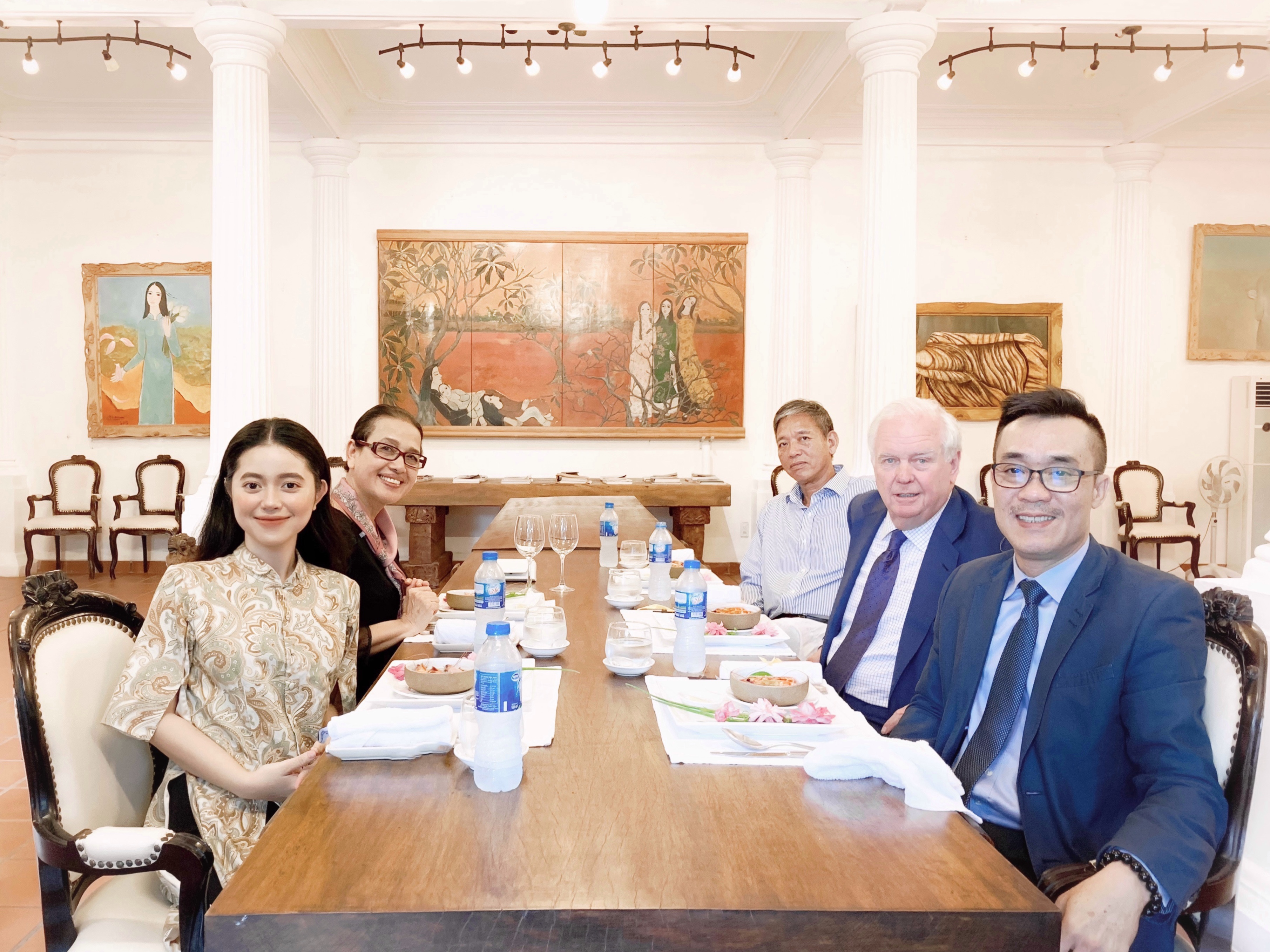
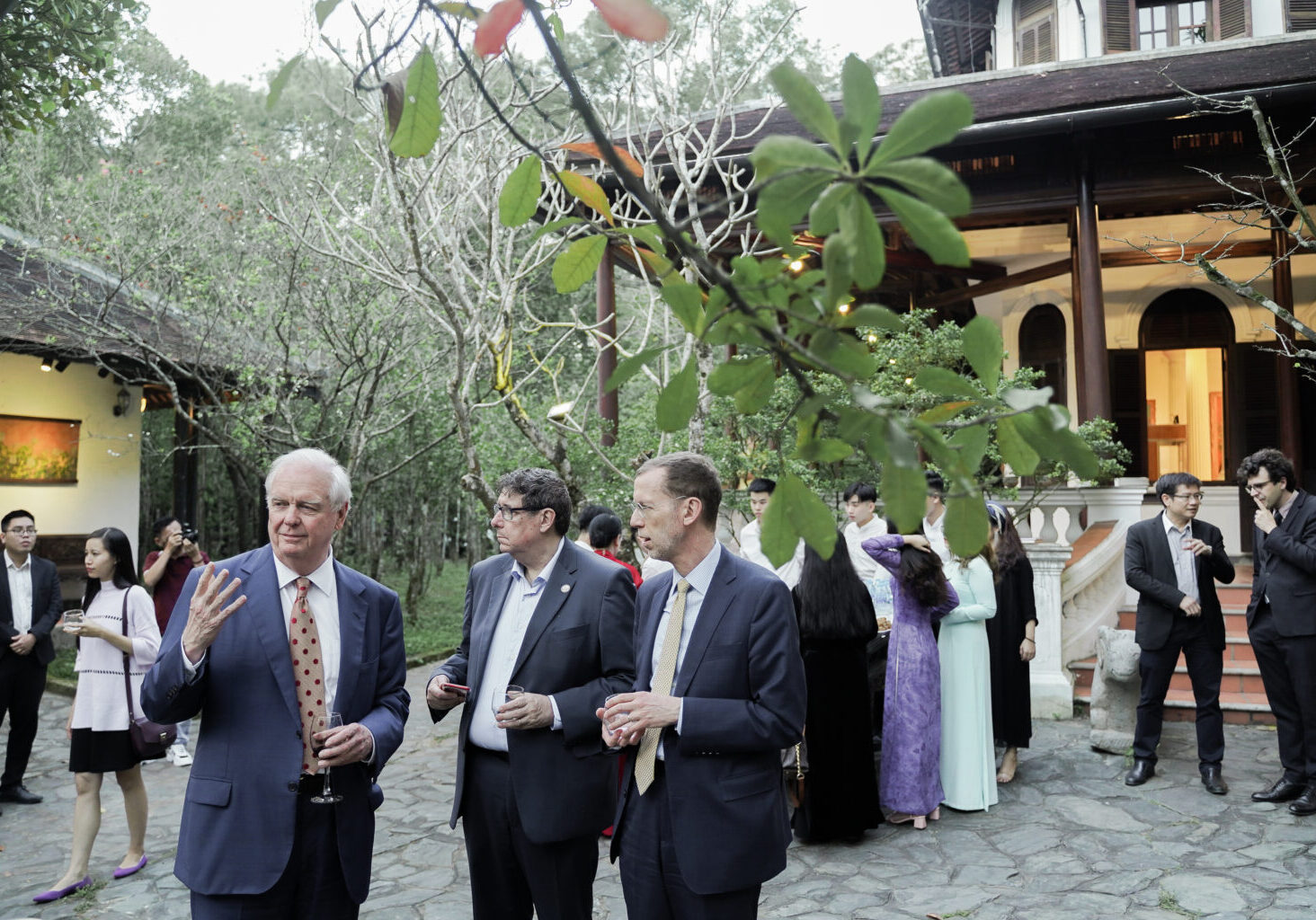
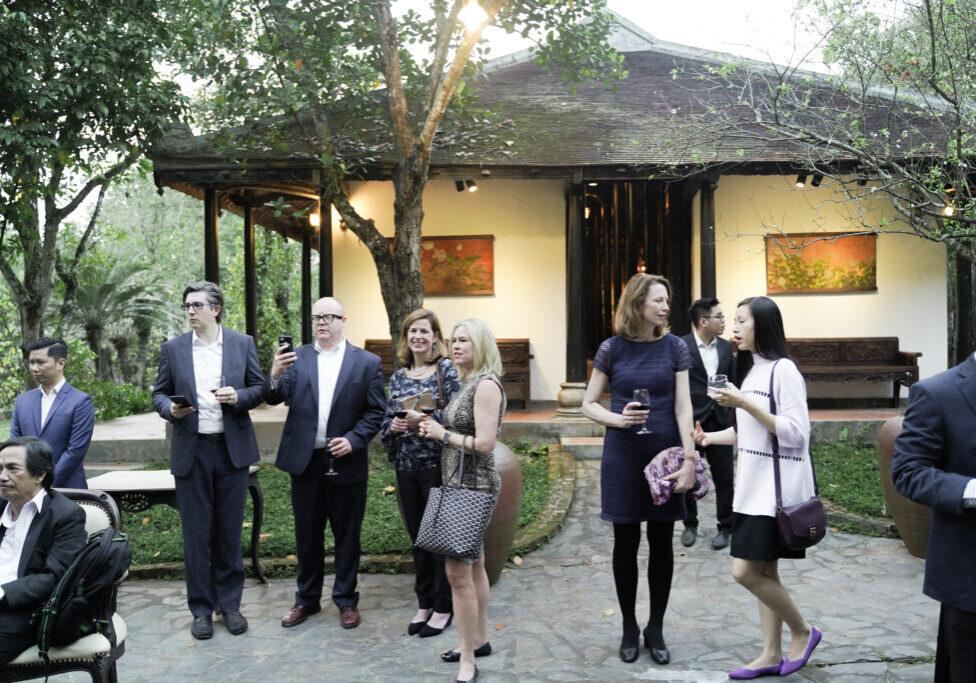
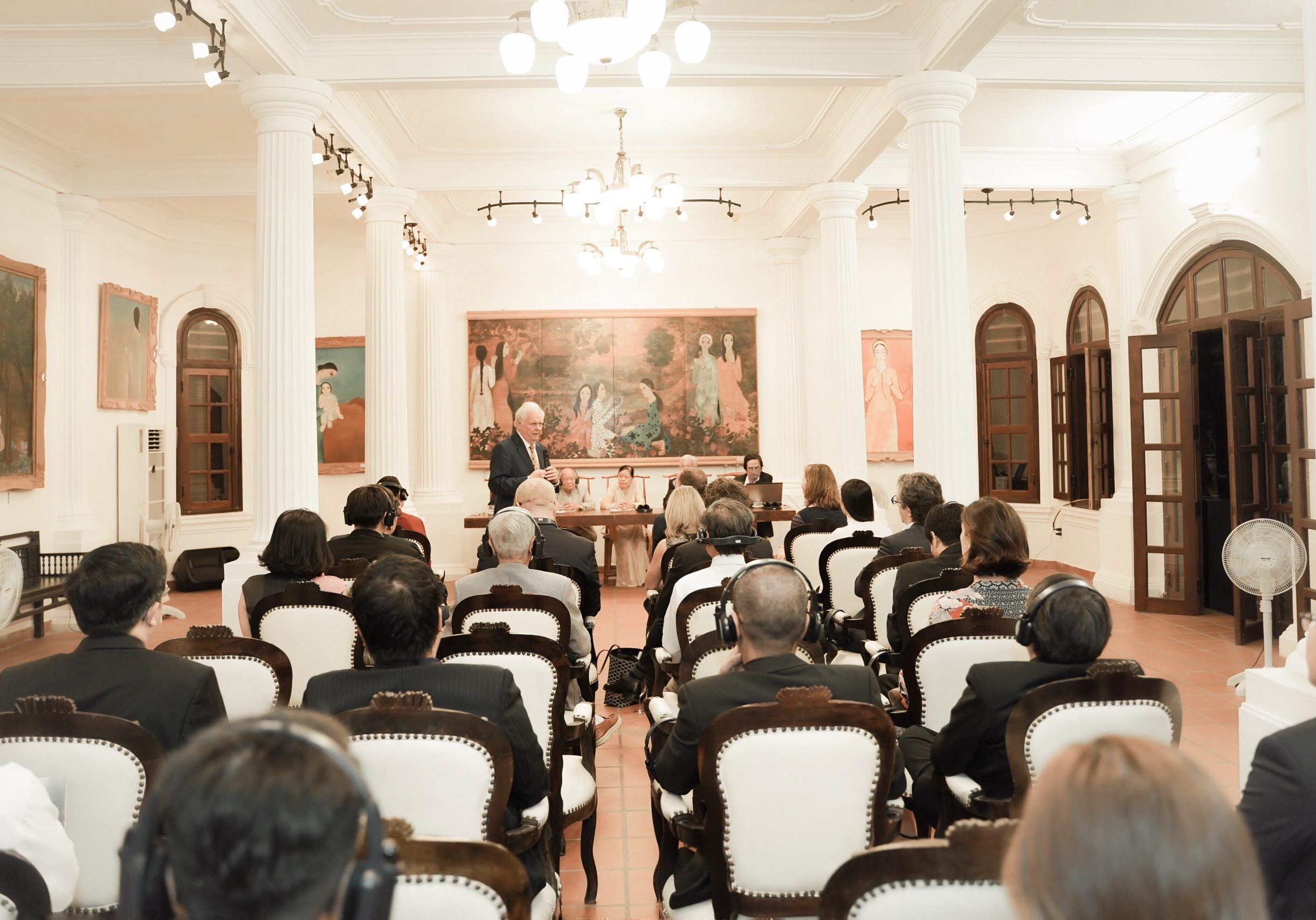
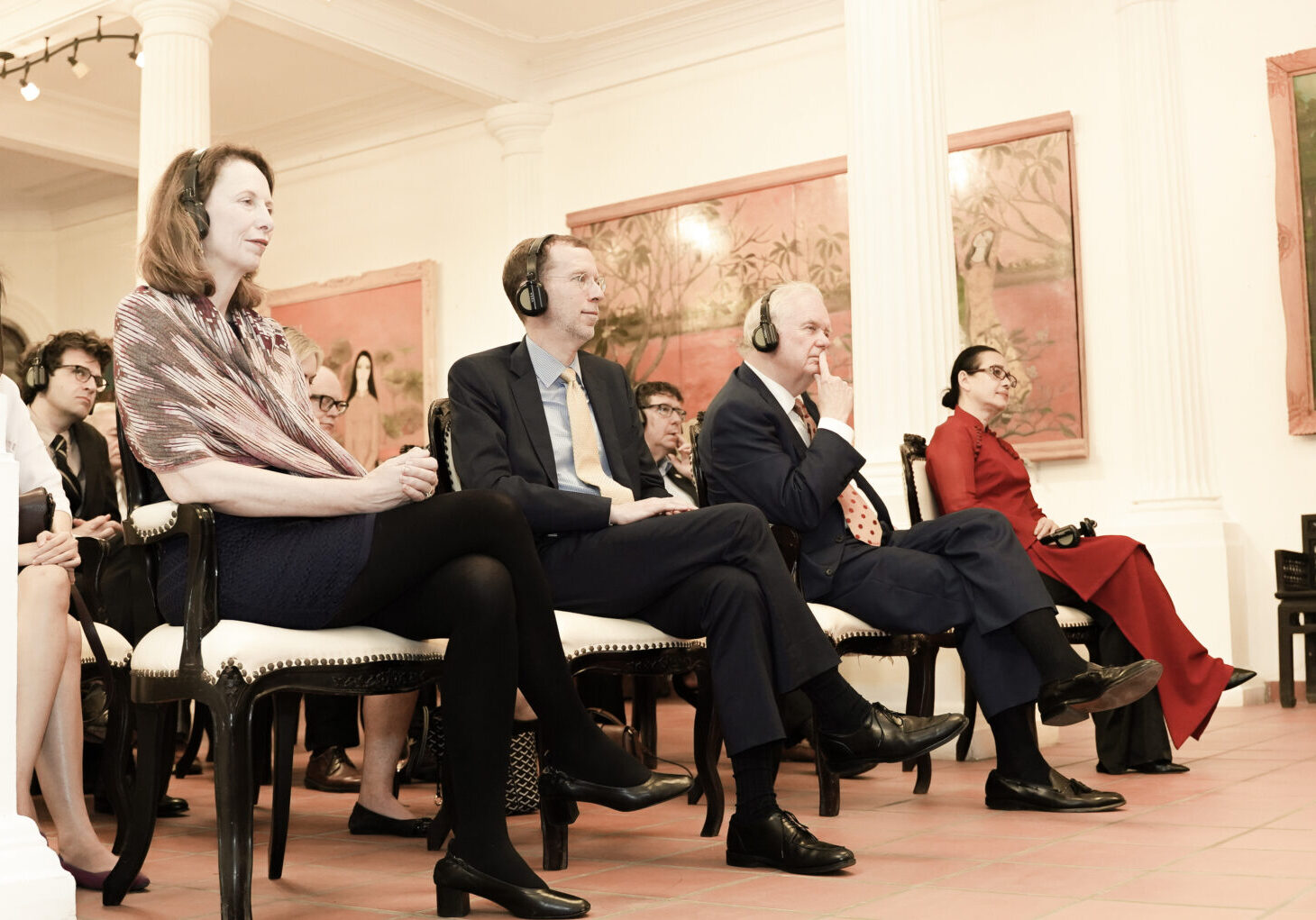
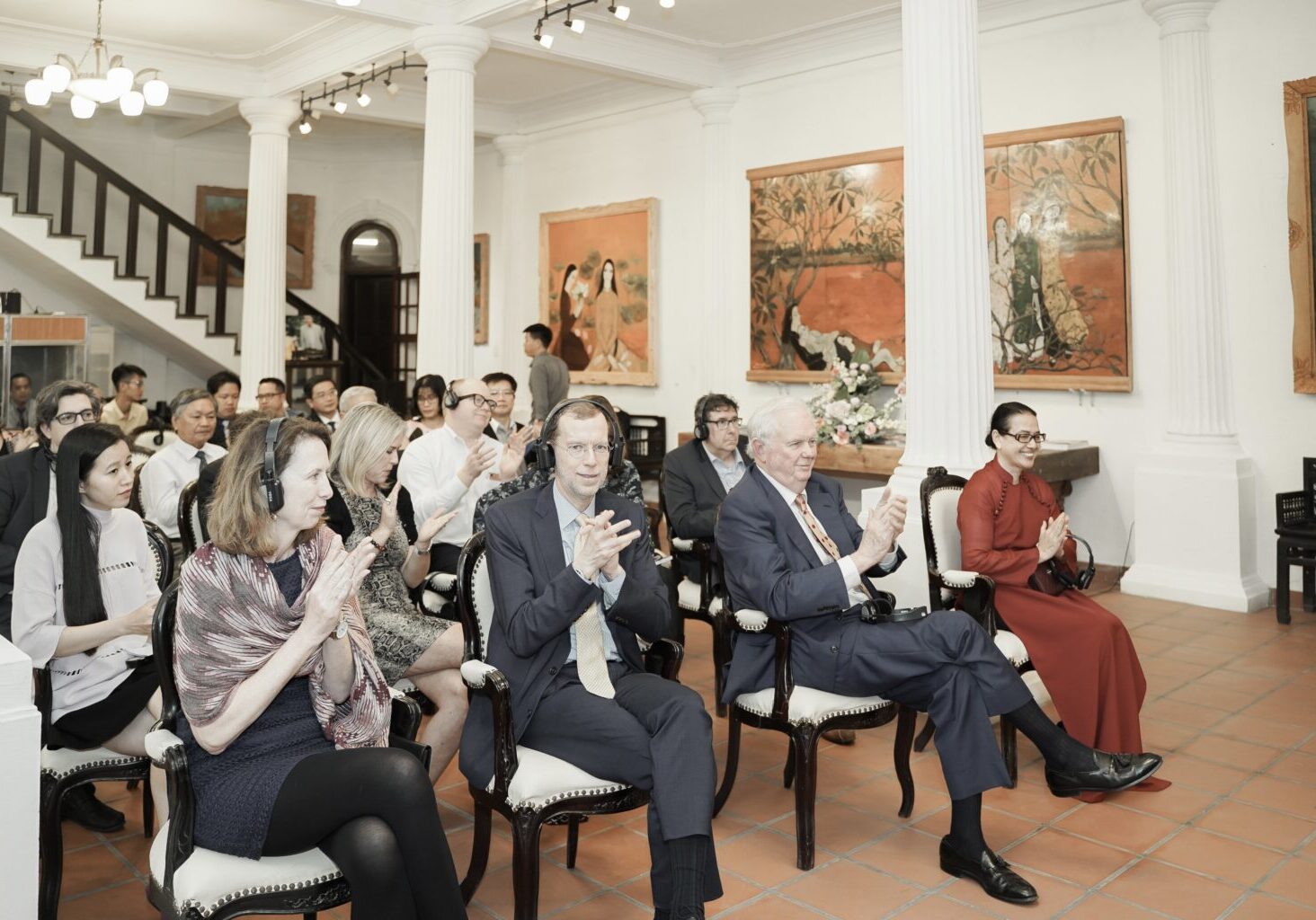
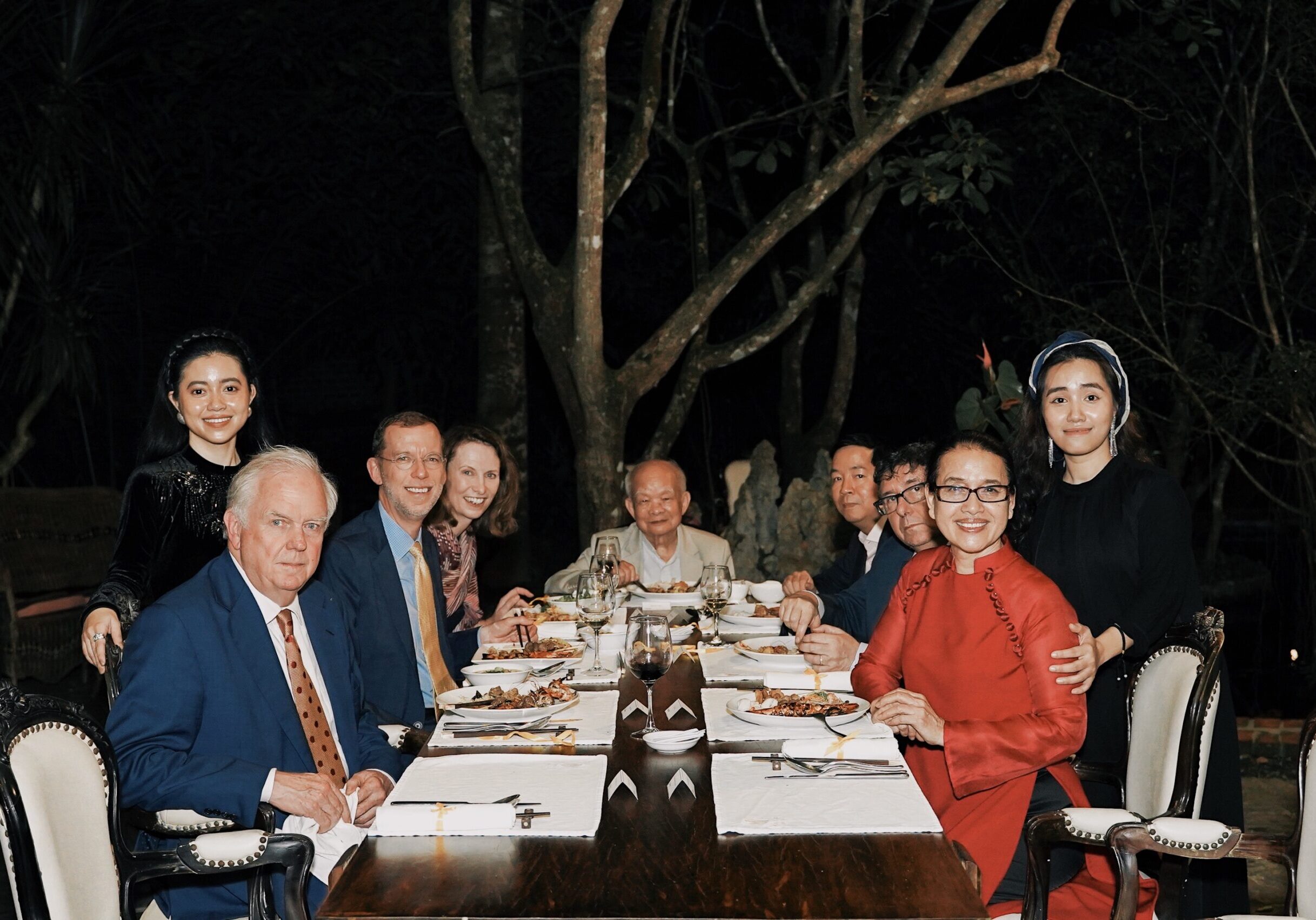
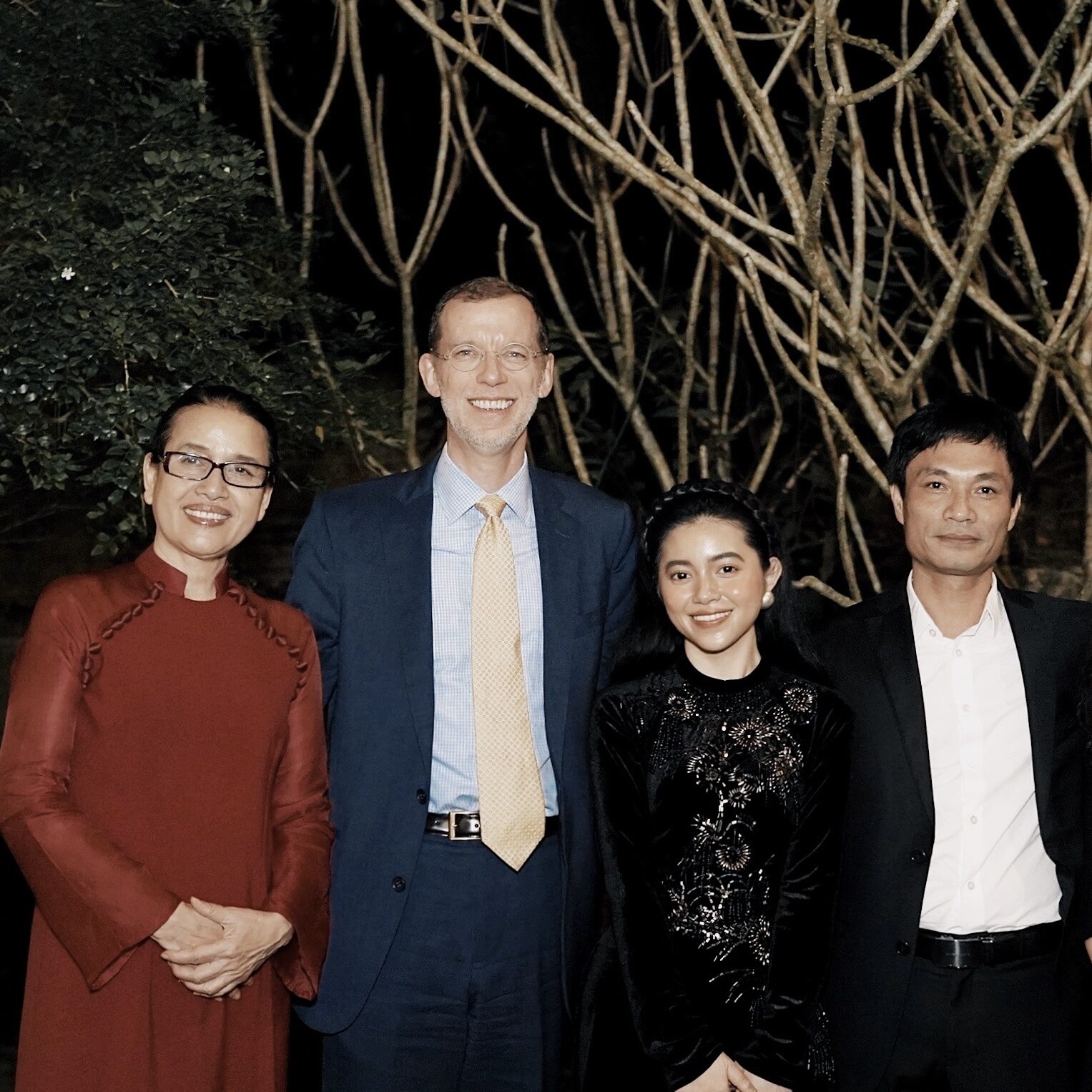
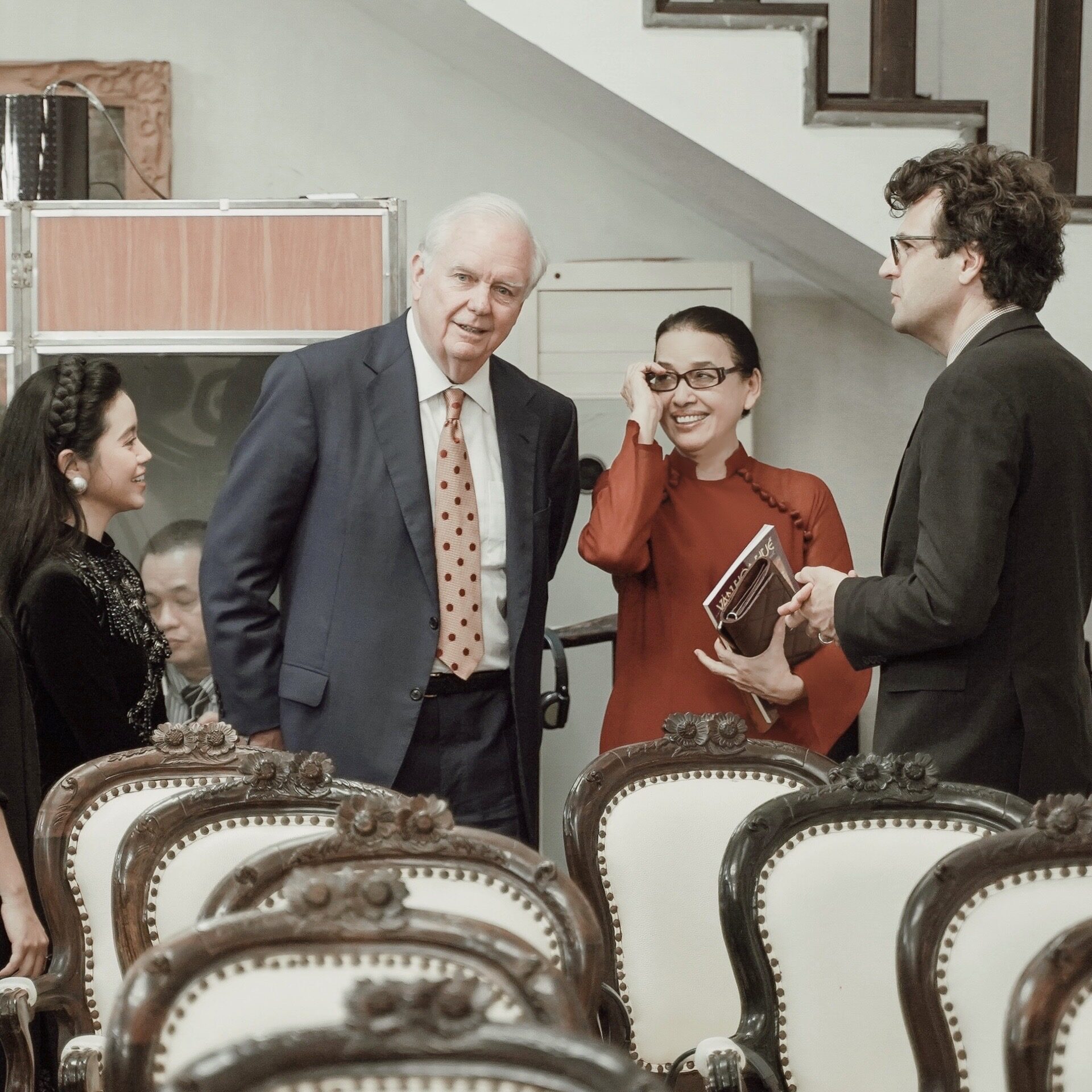
On 18 January 2020, the reception hall of Boi Tran Garden became the meeting place of scholarship, diplomacy, and cultural vision. Under the title Incubating Culture in Vietnam and Hue’s Rebirth as Vietnam’s Center of Art and Heritage, the evening was organized with Harvard Kennedy School, Fulbright University Vietnam, and Boi Tran Garden on Thiên An Hill, Huế.
The significance of the occasion began with a simple fact: institutions such as Harvard Kennedy School and Fulbright University Vietnam choose their partners carefully. Their names are associated internationally with academic rigor, public leadership, independence of thought, and serious standards of engagement. When such institutions convene within a private cultural residence in Huế, it is also an act of recognition.
That recognition belonged in no small measure to Boi Tran Garden.
For many years, Boi Tran Garden has stood apart from ordinary categories. It is not merely a home, nor solely a restaurant, gallery, or event venue. It is a cultivated world in which architecture, fine art, historical memory, garden aesthetics, scholarship, and refined hospitality coexist in lived form. Few private places in Vietnam have sustained such continuity of taste while remaining intellectually open to the world.
The host of the evening, Boi Tran, has long represented a rare figure in contemporary Vietnam: artist, cultural custodian, and creator of an environment where beauty is practiced daily rather than displayed occasionally. Through her vision, Boi Tran Garden has welcomed diplomats, scholars, collectors, writers, broadcasters, and travelers seeking a deeper encounter with Huế.
The scholarly delegation reflected the seriousness of the event.
At its center was Thomas J. Vallely, Senior Advisor for Mainland Southeast Asia at Harvard Kennedy School’s Ash Center, founder of the Harvard Vietnam Program in 1989, and a key architect in the establishment of the Fulbright School in Ho Chi Minh City in 1994, now part of Fulbright University Vietnam. His decades-long commitment to Vietnam has made him one of the most respected international academic voices connected to the country.
Also present was Douglas Elmendorf, then Dean of Harvard Kennedy School, whose presence alone underscored the level of confidence placed in the gathering and in Hue as a site of meaningful future engagement.
He was joined by Karen Dynan, distinguished economist and scholar; Anthony Saich, noted authority on governance and Asia; Professor Ian Bickford; Professor Hải Nguyễn; Professor Vũ Thành Tự Anh; Professor Trần Xuân Thảo, former Director of the Fulbright Program in Vietnam (1999–2010); writer Nguyen Ngoc; Mr Ho Dang Hoa, Associate Producer of The Vietnam War; and Mr Pham Xuan Hoang An, Consultant to the Harvard Vietnam Program.
Their presence together created more than prestige. It created trust. Serious people commit time only where conversation is likely to matter.
The discussion addressed Huế’s recent recognition as a Heritage City and the opportunities that follow such designation. Yet the tone of the evening was notably practical. Heritage status alone does not secure renewal. Cities flourish when preservation is joined to education, civic intelligence, artistic confidence, and sustained cultural ecosystems.
Here again, Boi Tran Garden offered a living example.
Rather than presenting heritage as static nostalgia, the Garden demonstrates another model: culture inhabited, maintained, discussed, and shared. Its architecture is used, its collections are lived with, its table remains active, and its atmosphere encourages thought. This is precisely why the venue carried authority beyond symbolism.
Among the most meaningful proposals raised was the aspiration to offer a semester in Huế for students majoring in Vietnamese Studies and Art through Fulbright University Vietnam. Such an initiative would place students within one of Vietnam’s richest cultural landscapes, where learning can happen not only in classrooms but through architecture, ritual, cuisine, language, and daily forms of refinement.
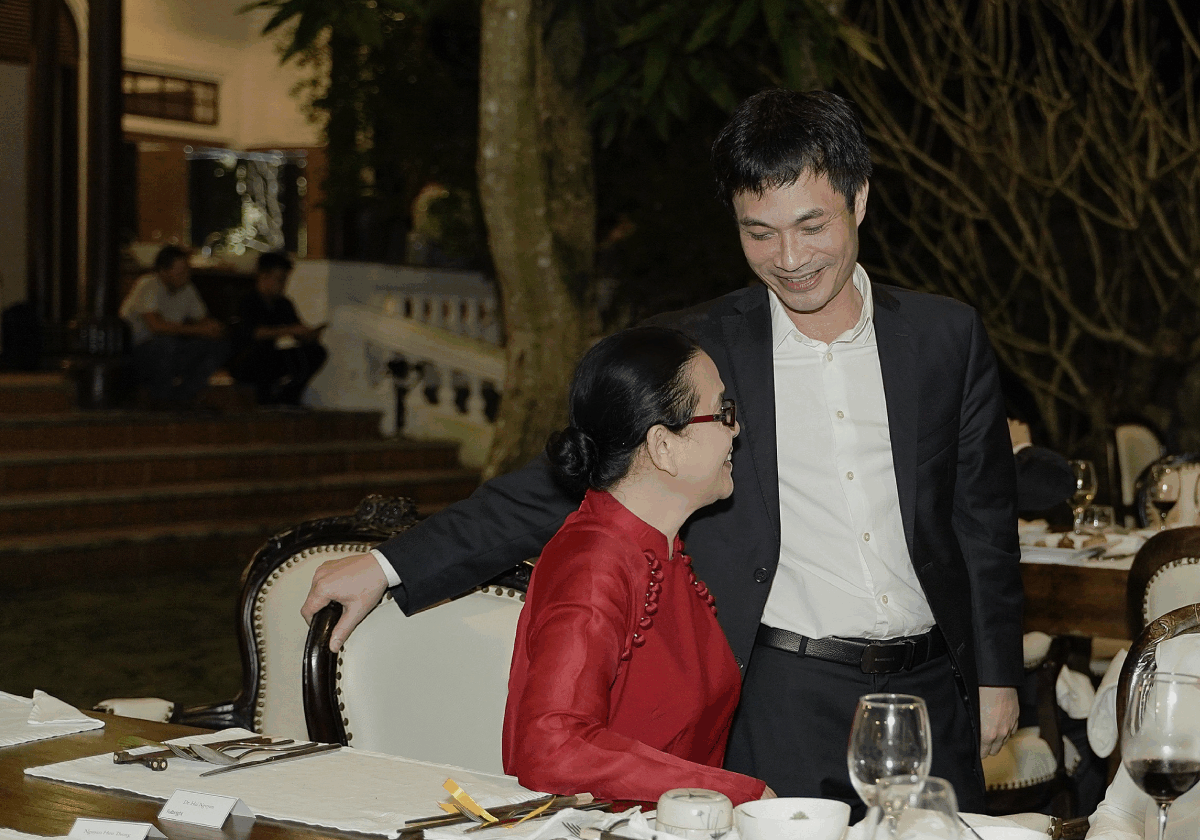
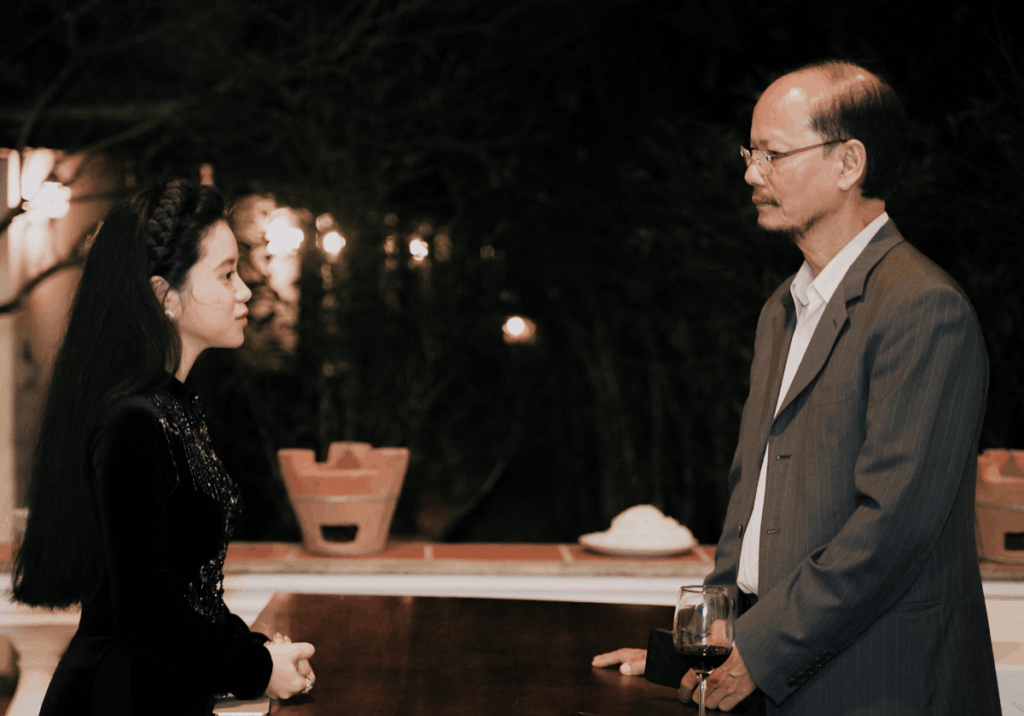
Following the panel, guests were received to dinner. In Huế, hospitality has long been one of the higher arts. At Boi Tran Garden, dinner was not separate from the intellectual program; it completed it. Meals in such settings become acts of transmission, where memory, etiquette, and generosity are carried through gesture.
Professor Vallely later recalled his visit warmly and expressed deep respect for the pioneering work that helped make Hue’s artistic rebirth a reality. Another guest wrote appreciatively of the magnificent estate, gracious welcome, fine food, and inspiring conversation.
Such remarks, offered privately and sincerely, reveal what formal language often cannot.
Looking back, the evening stands as an important chapter in the cultural life of modern Huế. Harvard Kennedy School and Fulbright University Vietnam brought institutional weight and global credibility. Boi Tran Garden provided what institutions alone cannot manufacture: atmosphere, continuity, beauty, and the authority of lived culture.
Where trust meets refinement, meaningful futures often begin.