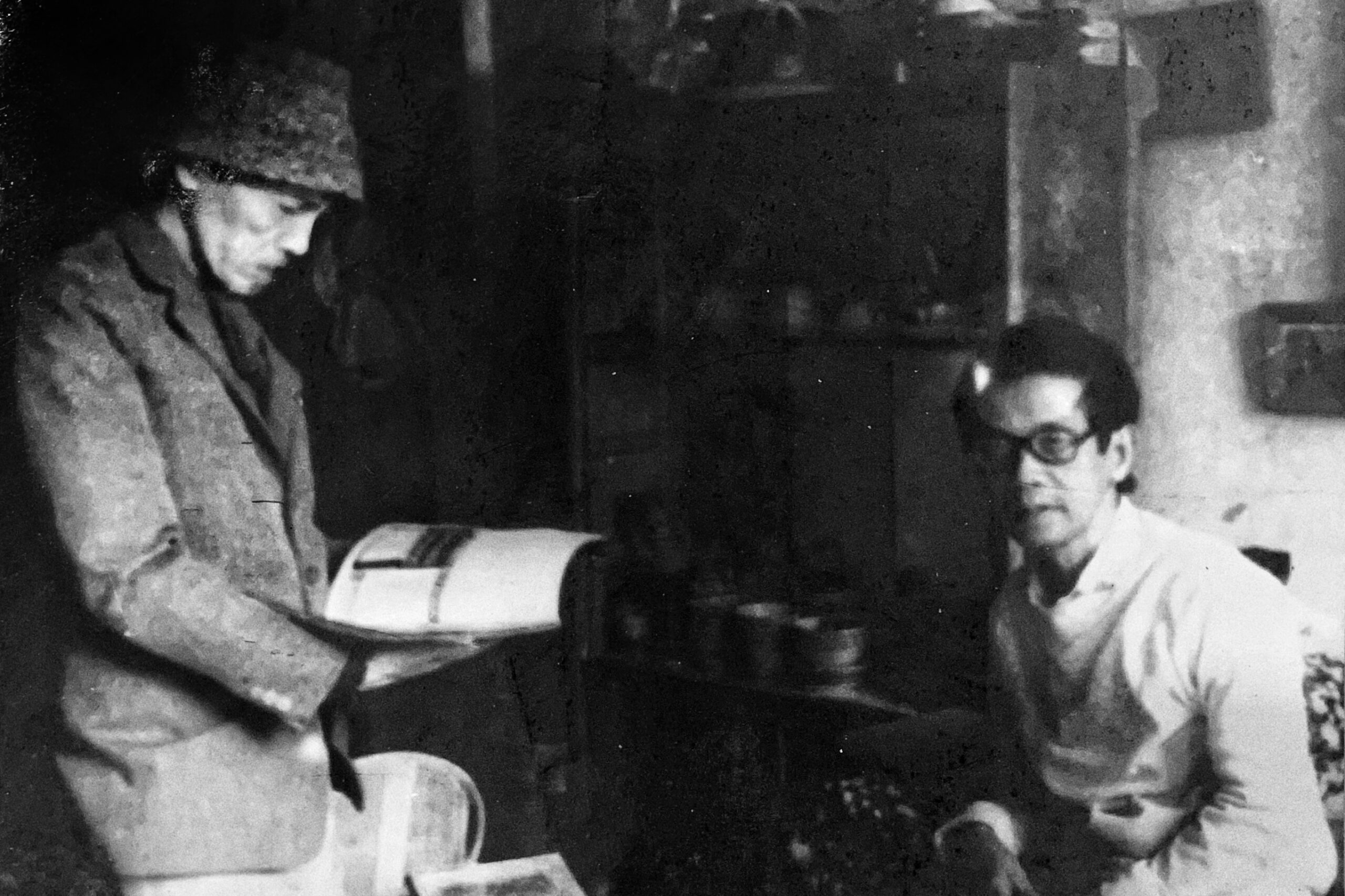
Bui Xuan Phai And His Closest Companions, Nguyen Trong Niet And Nguyen Ba Dam, 1988, Or The Last Sketchbook And Works Of A Life Observed
A sketchbook dated June 1988 offers a rare insight into the final days of Bui Xuan Phai. Comprising drawings and brief notes, it records not images, but moments of presence. Preserved by Nguyen Trong Niet and shared within a close circle, including Nguyen Ba Dam, its passage to Boi Tran and Boi Tran Art Gallery reflects continuity grounded in trust and memory.
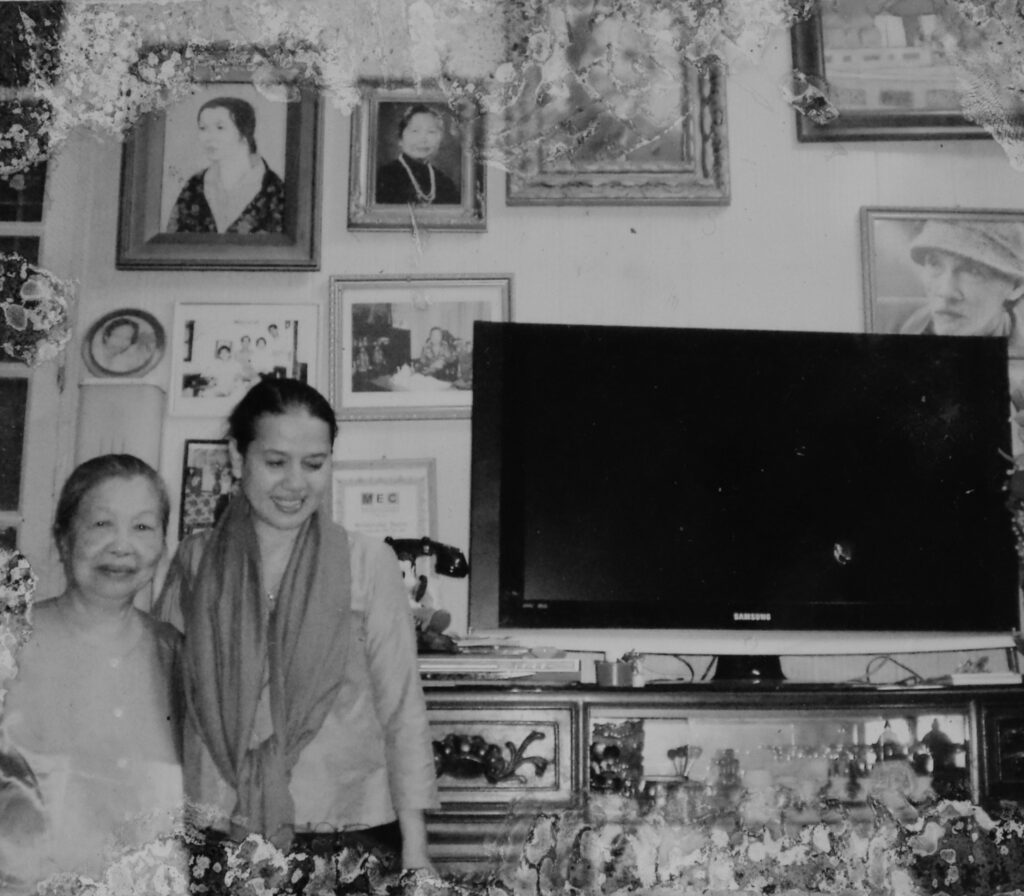
Bui Xuan Phai remains one of the most significant figures in modern Vietnamese art. Born in Hanoi, where he lived and worked throughout most of his life, he graduated from the École des Beaux-Arts de l’Indochine in 1945 and later taught at the Hanoi College of Fine Arts. His works, now held in important public and private collections, are widely recognised for their distinctive visual language and enduring emotional depth.
Yet beyond the well-known images of Hanoi streets and theatre figures lies a more intimate body of material, one that does not seek to represent the world, but simply to register its presence.
In June 1988, in the final days of his life, Bui Xuan Phai produced a number of drawings and notes gathered within a sketchbook dated 20 June 1988. These works do not constitute a series in the conventional sense. They are neither preparatory studies nor resolved compositions.
They exist as fragments of observation.
A self-portrait appears among these pages. Executed with economy of means, it does not attempt likeness or hyperrealism in the traditional sense. Instead, it records a state, a presence, a moment of awareness.
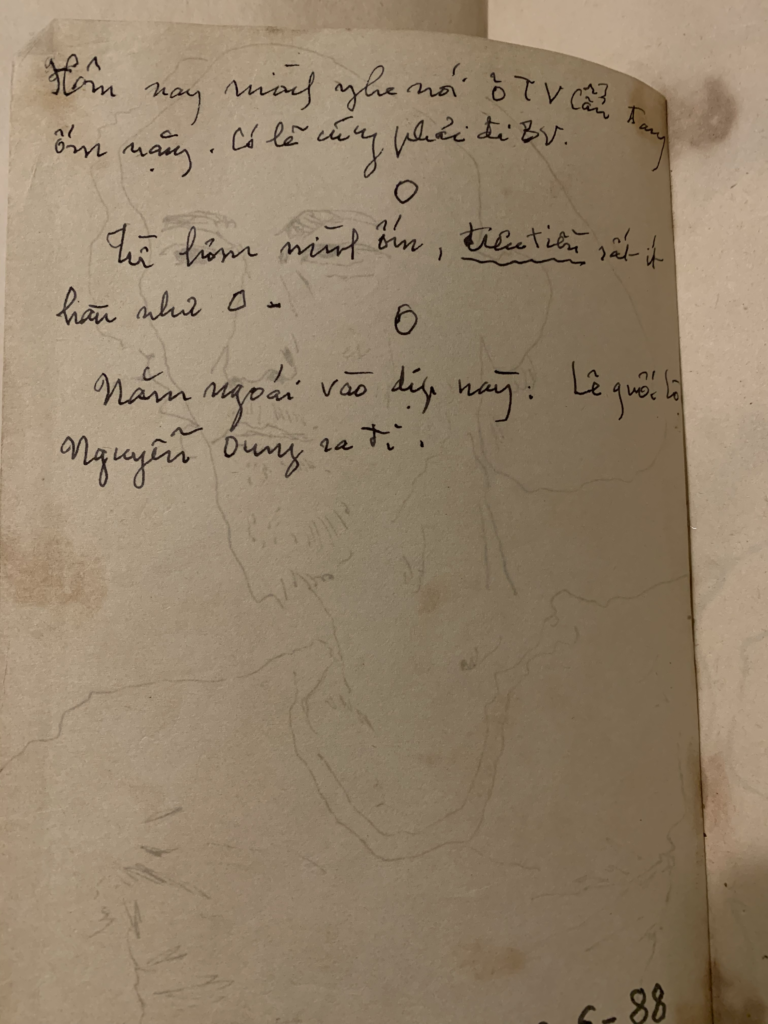
Alongside it, brief written lines note the condition of others such as Trần Văn Cẩn, the passing of acquaintances: Lê Quốc Lộc and Nguyễn Dung, and the quiet rhythms of illness and daily life. There is no narrative, no reflection beyond what is immediately perceived.
“Today, I heard that Tran Van Can was seriously ill…
Since the day I have been unwell, I have hardly spent any money…
On this occasion last year, Le Quoc Loc and Nguyen Dung passed away.”
These words do not seek meaning. They do not construct memory. They register time.
To approach this sketchbook is therefore not only to encounter the artist, but also those who remained closest to him.
Nguyen Trong Niet and Nguyen Ba Dam, together with photographer Tran Van Luu and writer Nguyen Tuan, formed a circle that accompanied Bui Xuan Phai throughout periods of artistic restriction, personal hardship, and social isolation.
This circle did not define his work. It sustained his presence.
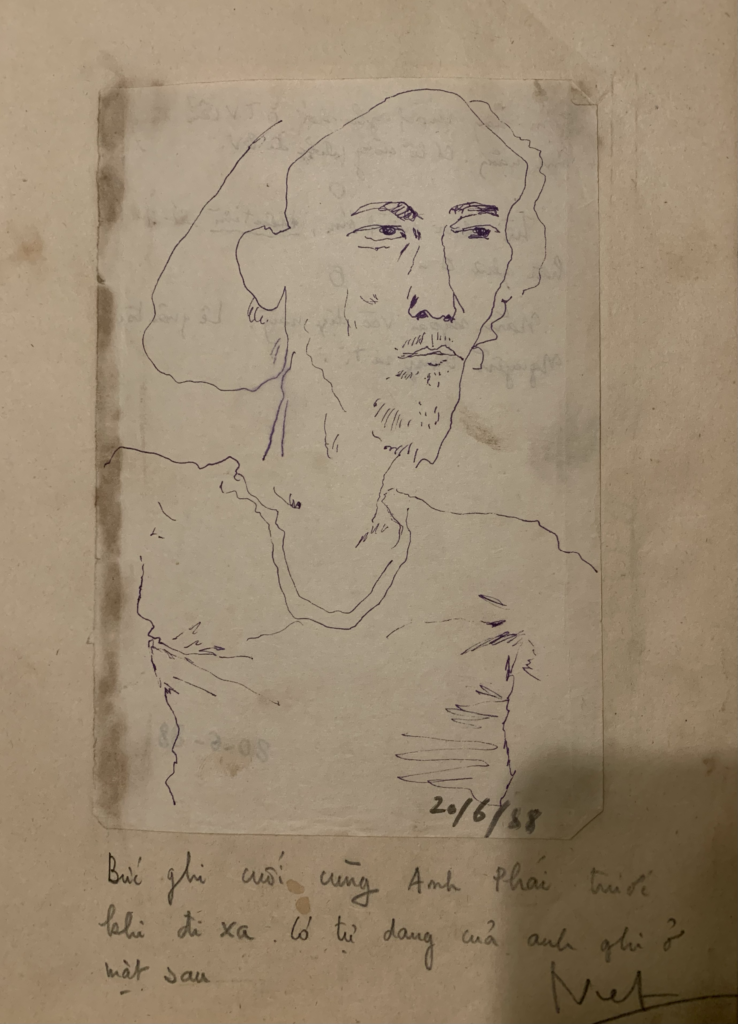
The sketchbook itself was preserved by Nguyen Trong Niet, to whom Bui Xuan Phai had previously gifted drawings, including a sketchbook offered on the occasion of Niet’s pottery exhibition. Within its pages, Niet later inscribed a simple note:
“The last sketch of Phai before his quietus. His handwriting is on the reverse.”
This statement does not interpret. It establishes proximity.
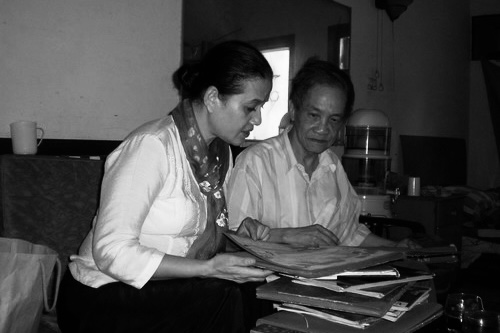
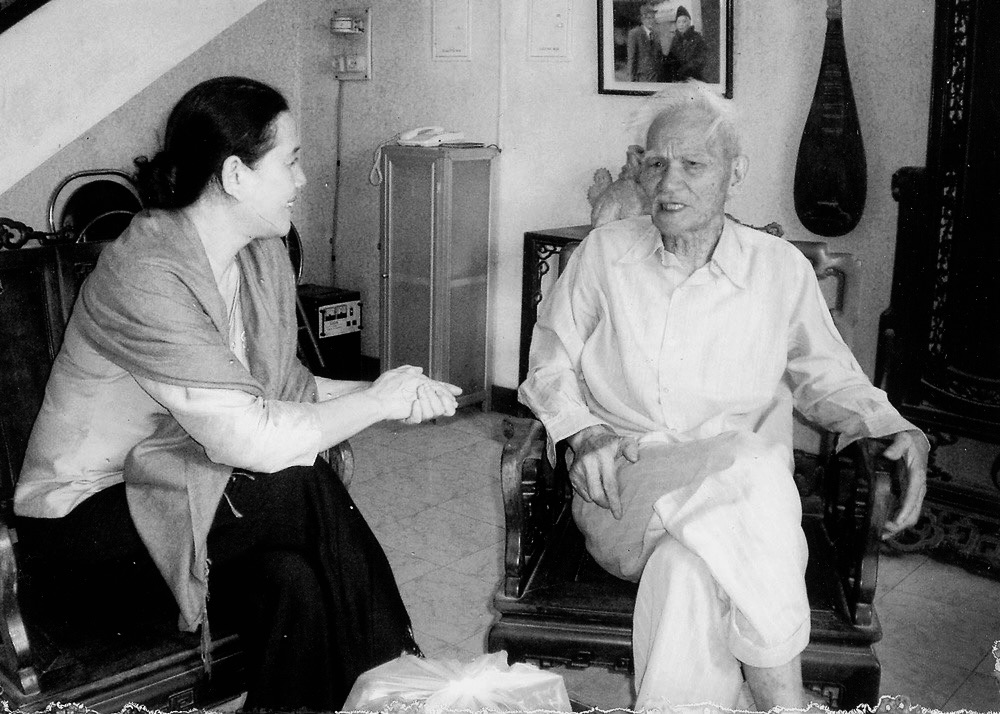
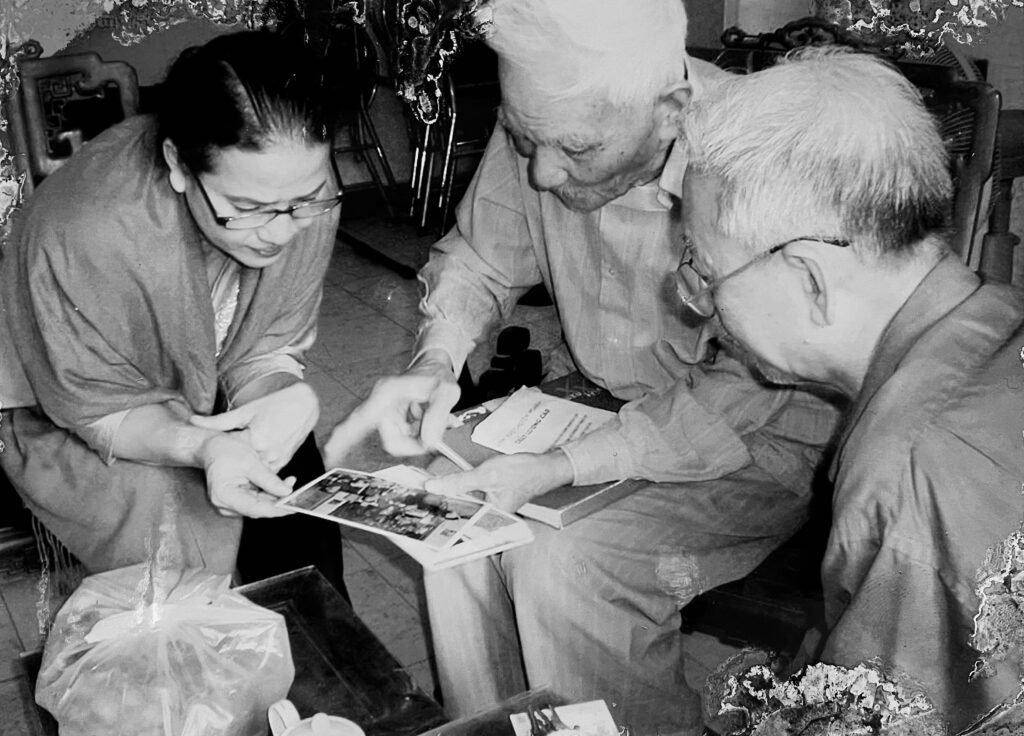
Years later, in Hanoi, Boi Tran met with Nguyen Trong Niet and Nguyen Ba Dam, listening to their recollections and viewing the works they had carefully preserved. These encounters did not reconstruct the past as history.
They transmitted it as lived experience.
The passage of the sketchbook and associated drawings from Bui Xuan Phai to Nguyen Trong Niet, and later into the care of Boi Tran Collection and Boi Tran Art Gallery, reflects a continuity grounded not in transaction but in trust, proximity, and shared memory.
Bui Xuan Phai’s life has often been described through adversity. Following his association with the Nhân Văn movement, he was barred from exhibiting his work for many years. Recognition came later, notably with the Ho Chi Minh Prize in 1996.
Yet none of this is present in the sketchbook.
There is no statement of hardship. No attempt at legacy.
What remains are works that do not seek to conclude, but simply to continue observing.
In this sense, the sketchbook and drawings of June 1988 may be understood not as a final work, but as a final condition: a life still attentive to the world, still recording, still present.
And then, no longer.