Category: <span>History</span>

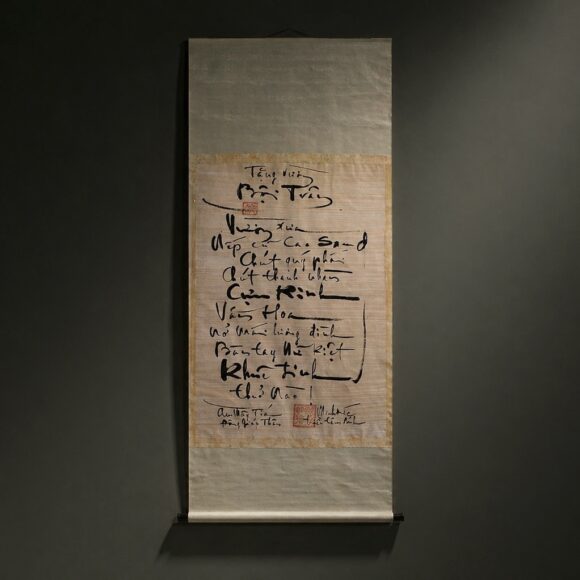
Lines of Noble Regard: The Venerable Giới Đức (Minh Đức Triều Tâm Ảnh) Writes for Boi Tran, 2004

Lines of Noble Regard: The Venerable Giới Đức (Minh Đức Triều Tâm Ảnh) Writes for Boi Tran, 2004

A sheet of aged paper, a few strokes of ink, and the authority of a discerning eye. In a brief dedication to Boi Tran, Thượng tọa Giới Đức, known in letters as Minh Đức Triều Tâm Ảnh, offered not casual praise but recognition of something rare: the survival of Hue refinement through house, garden, art and conduct.
April 28, 2026April 28, 2026
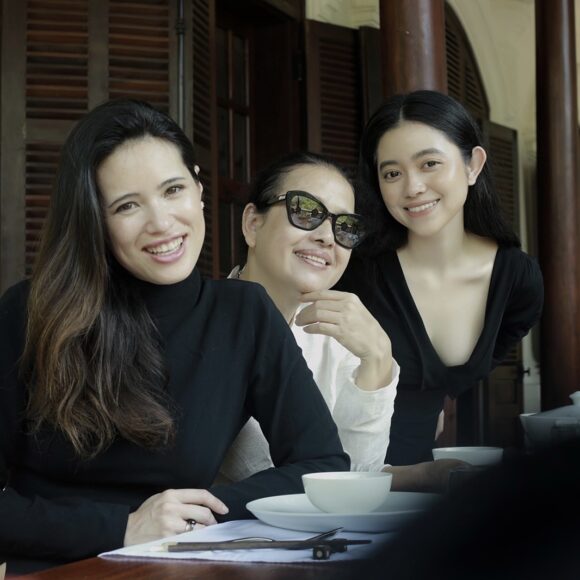
Anne-Solenne Hatte’s “La Cuisine De Bà”, or “Tasting Vietnam” at Boi Tran Garden

Anne-Solenne Hatte’s “La Cuisine De Bà”, or “Tasting Vietnam” at Boi Tran Garden

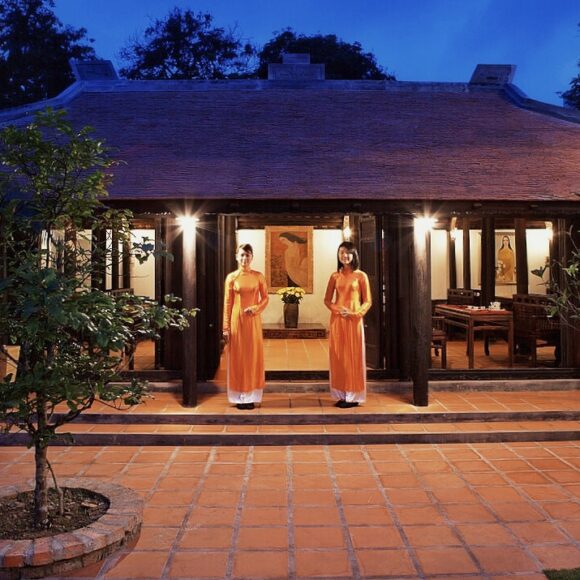
Some returns do not follow roads, nor do they answer to maps. They arrive through memory, through the hand that prepares, through flavours carried across time. In Huế, the visit of Anne-Solenne Hatte to Boi Tran Garden became such a return, where questions of origin, feminine inheritance, and Vietnamese cuisine were gathered within a house where culture continues to breathe.

February 14, 2020April 25, 2026
Ravenel, Vietnamese Modern Art, or the Architecture Of Elegance and the Discipline of Beauty in Boi Tran

Ravenel, Vietnamese Modern Art, or the Architecture Of Elegance and the Discipline of Beauty in Boi Tran

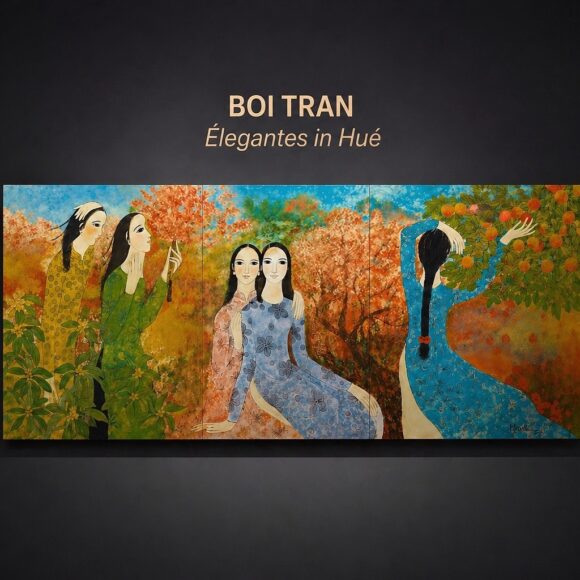
Boi Tran is one of the few outstanding Vietnamese female artists. Her style is influenced by her teacher, Trung Nguyen. She also worked as Nguyen's model, serving as a source of creative inspiration for the artist. Boi Tran's Elegant in Hue trilogy is presented in a classical European triptych form. They depict a group of beautiful goddesses strolling, sitting and dancing in a glorious garden. The composition of the piece is extraordinary and spectacular.

May 11, 2019April 27, 2026
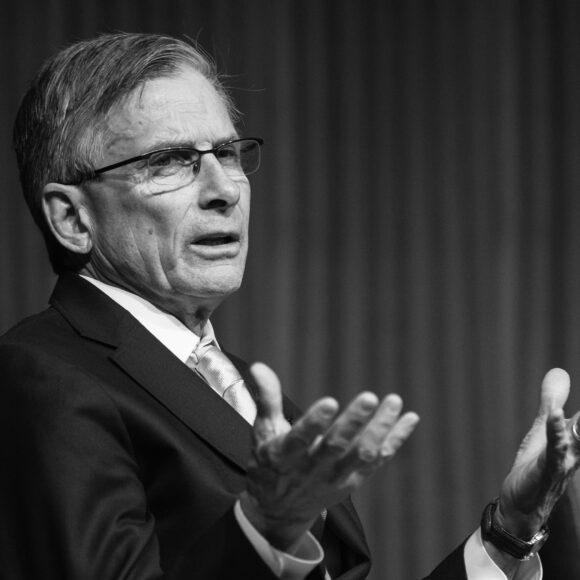
“A Perfect Evening of Companionship” with Skirball Cultural Centre Founding President and CEO Uri D Herscher at Boi Tran Garden, or Where Hearts Spoke Naturally

“A Perfect Evening of Companionship” with Skirball Cultural Centre Founding President and CEO Uri D Herscher at Boi Tran Garden, or Where Hearts Spoke Naturally

Some evenings are remembered for refinement. Others for conversation. A rare few endure because those present felt, however briefly, entirely understood. The visit of Dr. Uri D. Herscher to Boi Tran Garden in March 2018 belongs to that quieter category.

August 13, 2018April 27, 2026
An Offering of Silence: The Zen Inscription to Boi Tran

An Offering of Silence: The Zen Inscription to Boi Tran

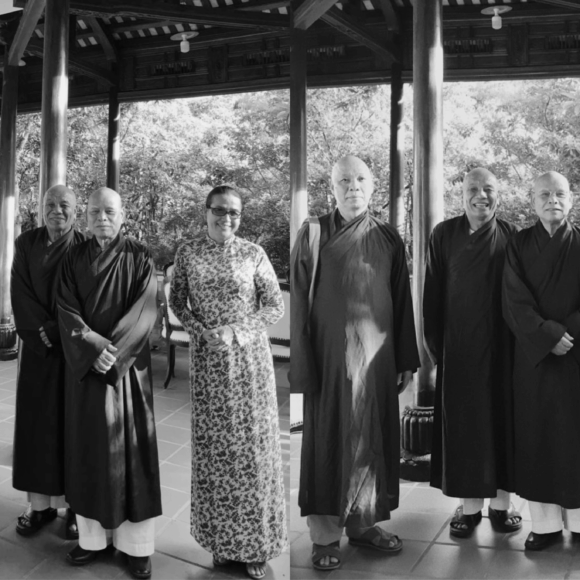
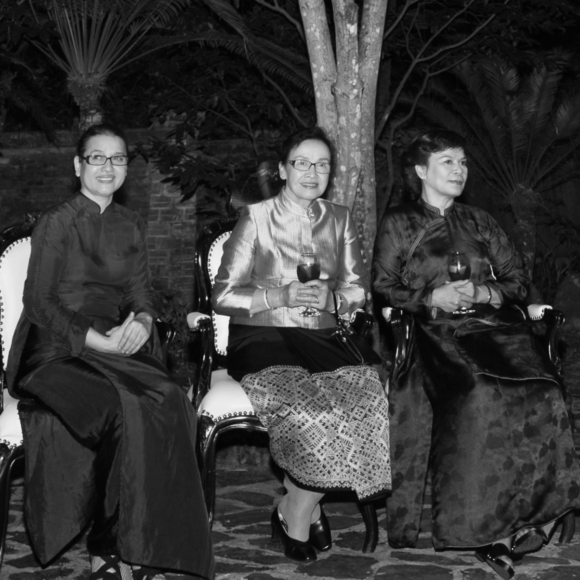
There are moments that do not announce themselves, and yet remain. One such moment unfolded quietly at Boi Tran Garden, where a small gathering of Buddhist masters paused within its stillness. Nothing had been arranged; nothing needed to be. In that shared quiet, a poem was offered, not as tribute, but as recognition, a reflection on how a life, shaped by time and experience, comes to rest in grace.

August 6, 2018April 28, 2026
When Conversation Refused To End: Mr William Drea Adams, 10th Chair Of The National Endowment For The Humanities, Mr Joe Boulos, And An Evening At Boi Tran Garden

When Conversation Refused To End: Mr William Drea Adams, 10th Chair Of The National Endowment For The Humanities, Mr Joe Boulos, And An Evening At Boi Tran Garden

On 16 March 2017, Boi Tran Garden welcomed two distinguished American guests: William Drea “Bro” Adams, then Chair of the National Endowment for the Humanities, and entrepreneur-philanthropist Joe Boulos. What began as dinner became one of those rare evenings when thought, memory, hospitality and shared curiosity extended naturally beyond the table. Later, Adams would write simply: “It will certainly be one of the highlights of our trip.”

March 18, 2017April 28, 2026
Cao Trong Thiem, A Letter Of 2013, Or The Moment When An Institution Pauses Before A Lived Space

Cao Trong Thiem, A Letter Of 2013, Or The Moment When An Institution Pauses Before A Lived Space

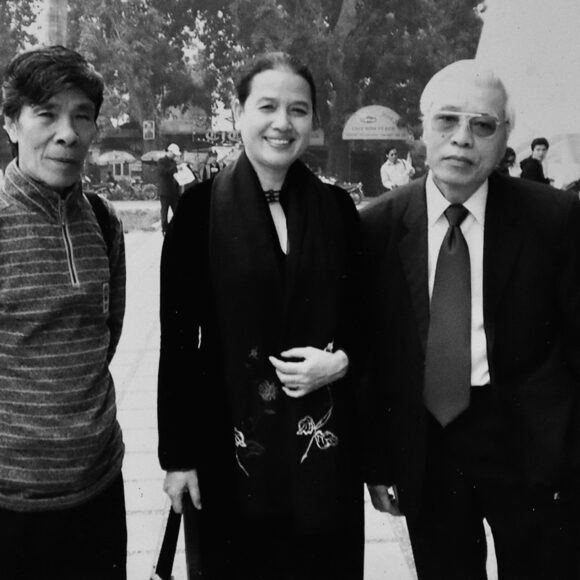
On 14 November 2013 in Hue, a letter was left for Boi Tran, signed by Cao Trong Thiem. He did not come alone. Alongside him were Phan Van Tien, Vi Kien Thanh, and Le Van Suu; figures who, each in their own capacity, embody the institutional structure of Vietnamese art.
Yet what was left behind was not a statement of authority, but a gesture. Not institutional, but human.

November 14, 2013April 6, 2026
  • 1
  • 2