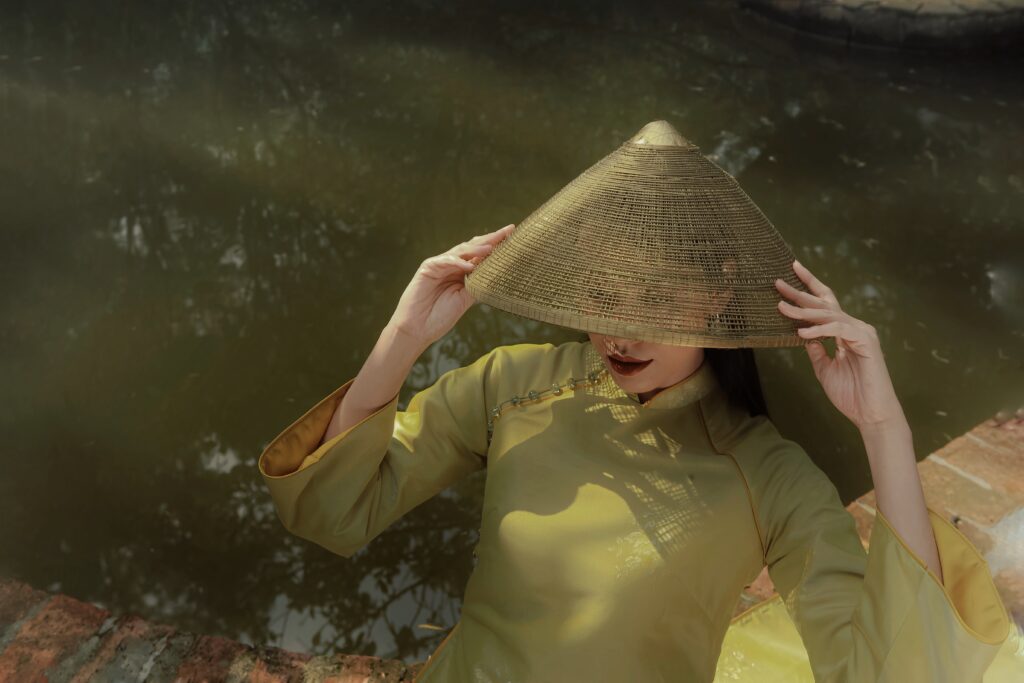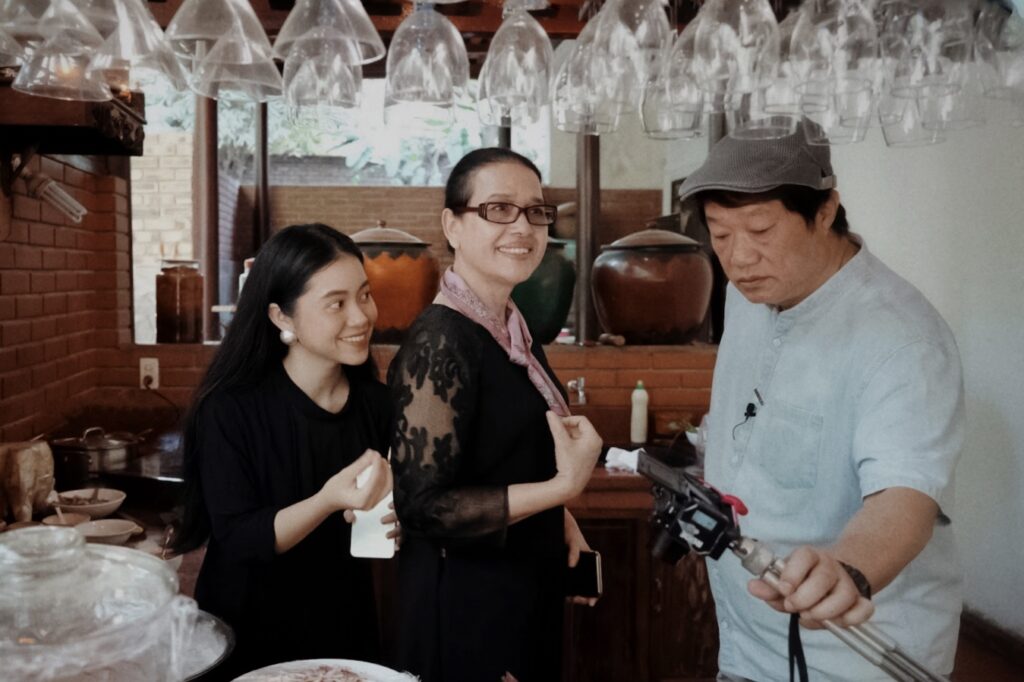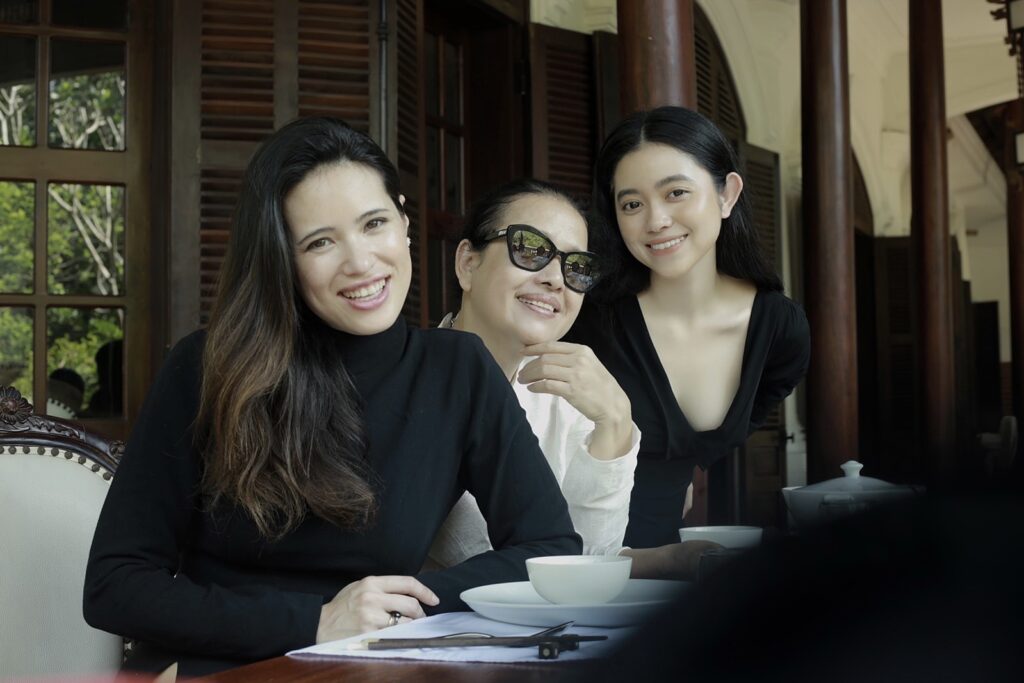
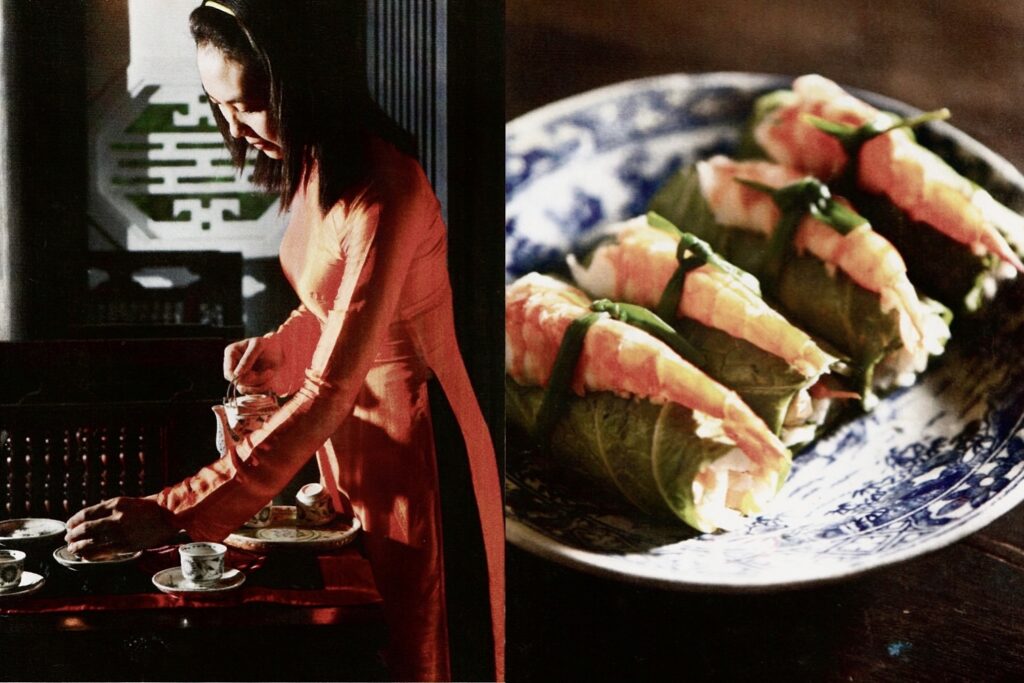
In Hue, flavors whisper where history once roared, a quiet kingdom of tastes, where each dish is a gentle invitation to slow down, to listen, and to remember.
Publications

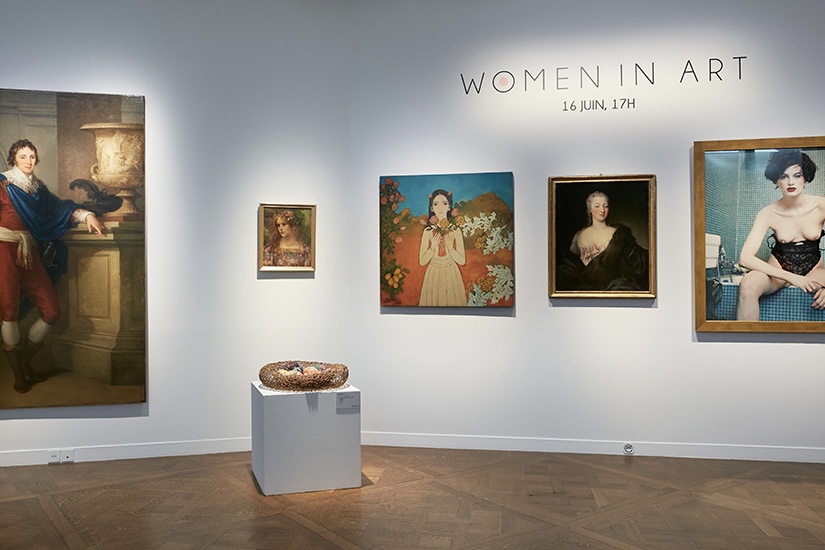
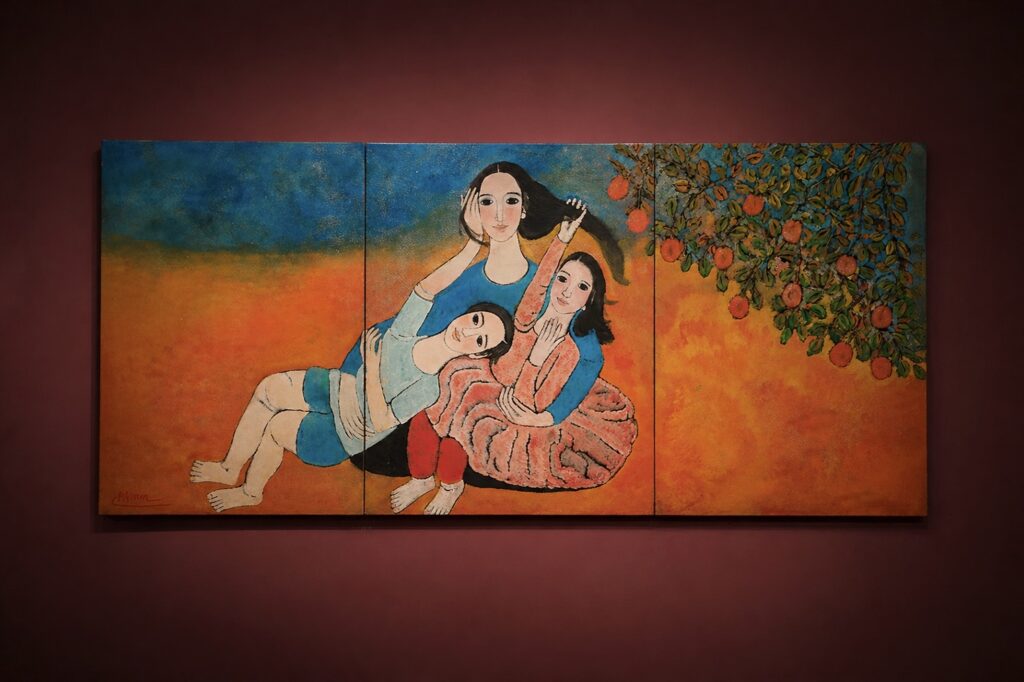
First presented and auctioned at Sotheby’s in 2008, Madonna marks a quiet milestone in Boi Tran’s artistic journey. Rooted in solitude, shaped by grace, the work reflects her devotion to the timeless feminine, serene, wounded, yet transcendent. It was not just her first auctioned painting. It was a moment where the world paused to listen.

Where silence becomes form and longing takes colour. Femme au Lotus (Lady with Lotus), Boi Tran’s luminous painting, graces the cover of For The One I Long For (Cho Người Tôi Thương Nhớ) by poet Tran Ninh Ho. In this rare meeting of brush and verse, two kindred spirits of Vietnamese art recall, quietly and tenderly, what love leaves behind.

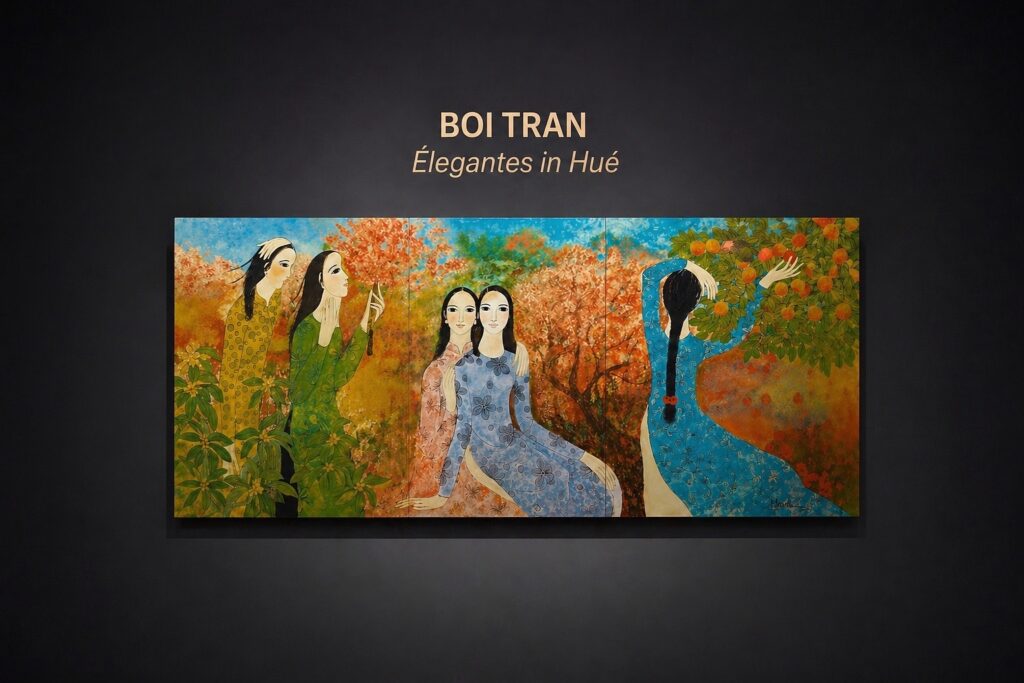
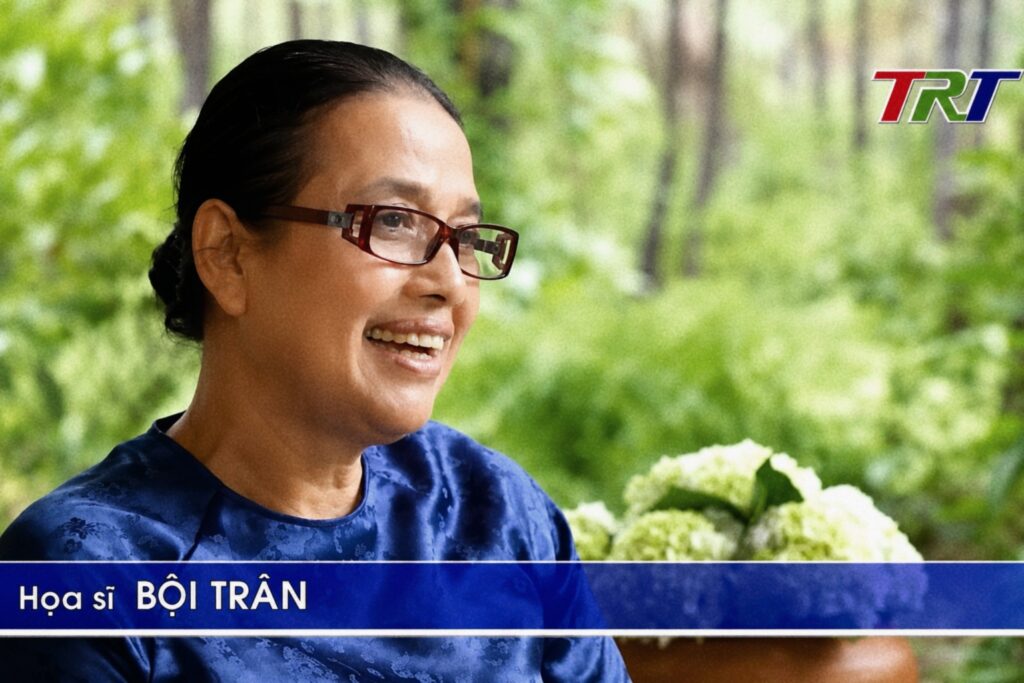
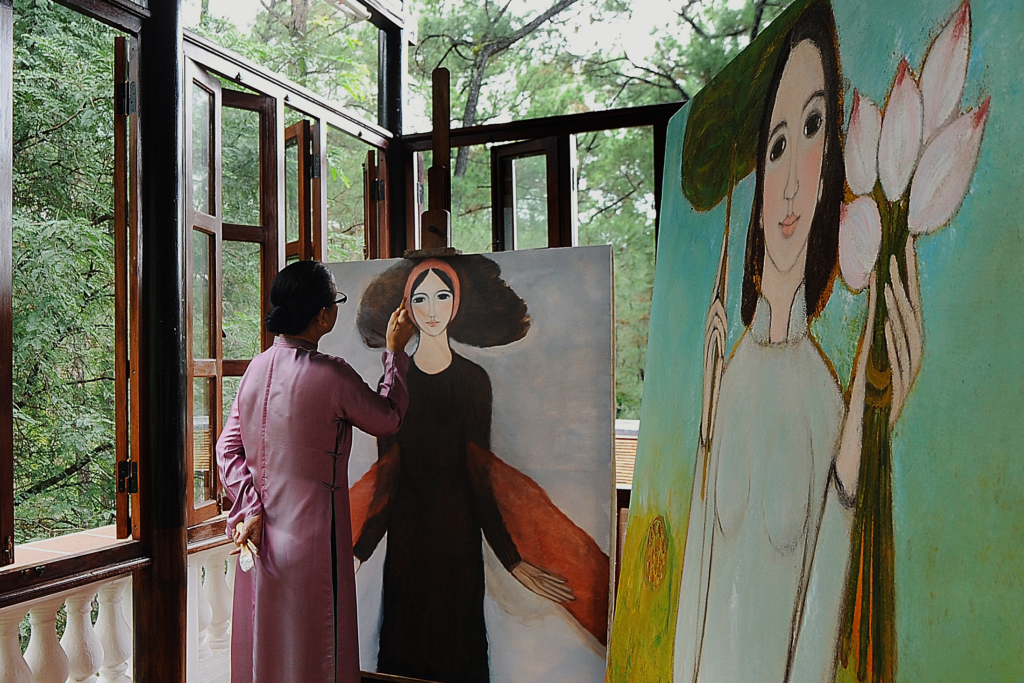
In Boi Tran’s world, women remember, flowers grieve, and colour becomes memory. Her art blooms quietly, rooted in loss, yet radiant with grace. “She has grown accustomed to finding joy in the midst of fatigue,” she once said. And from that quiet strength, her beauty endures.
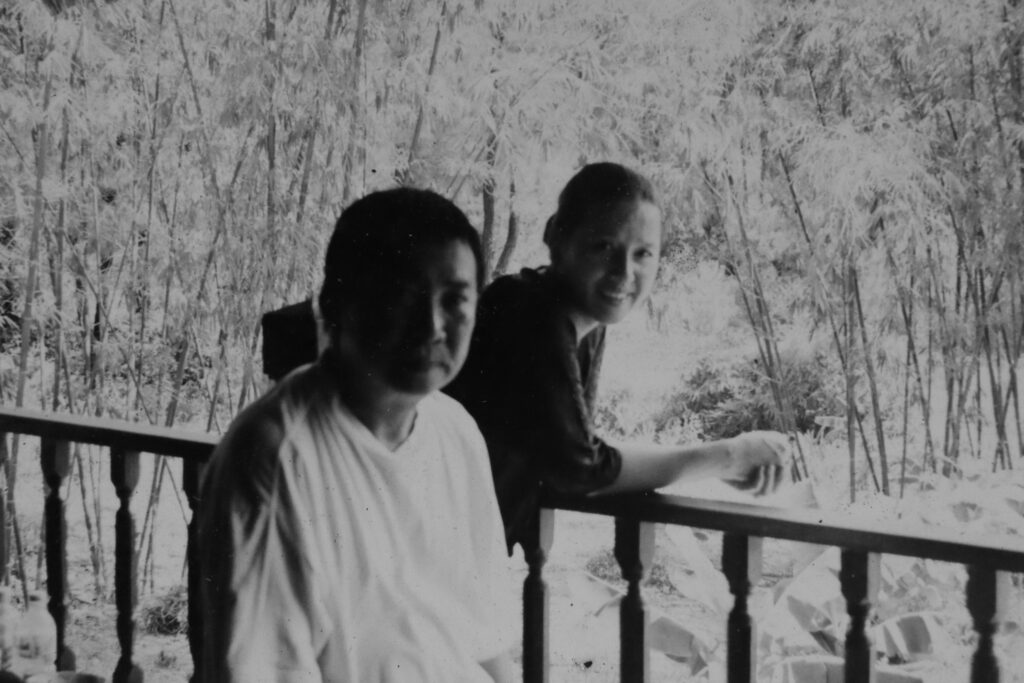
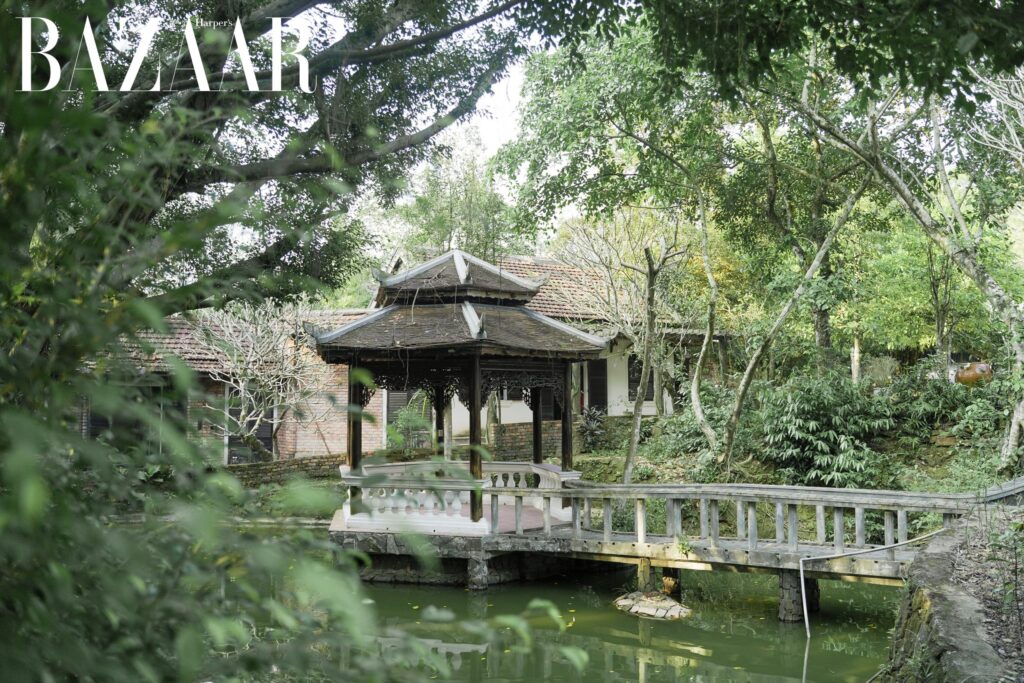
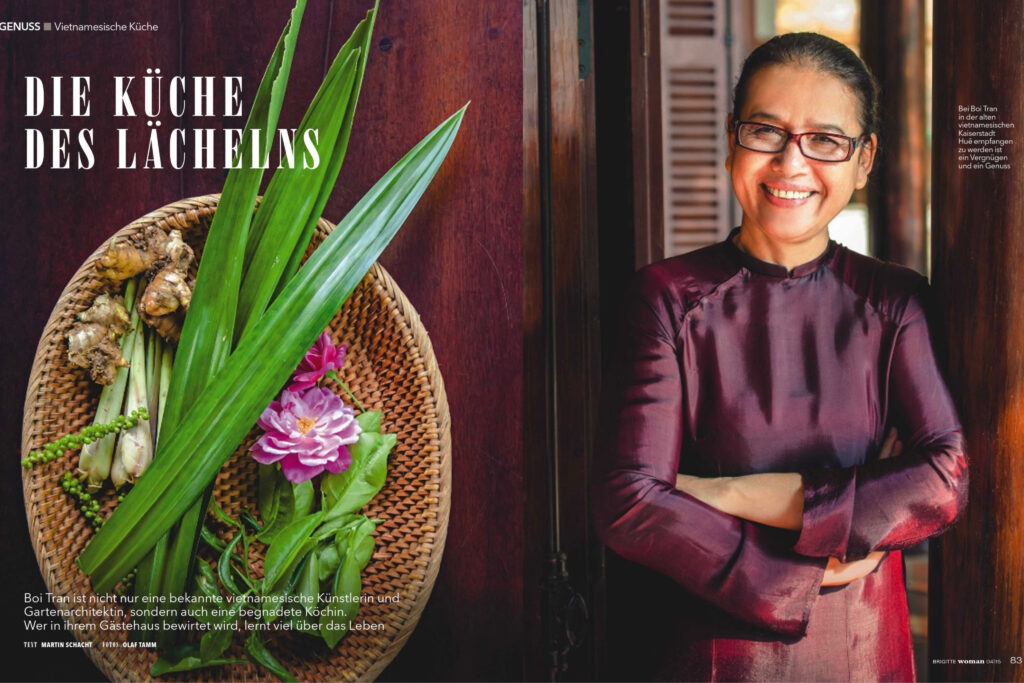
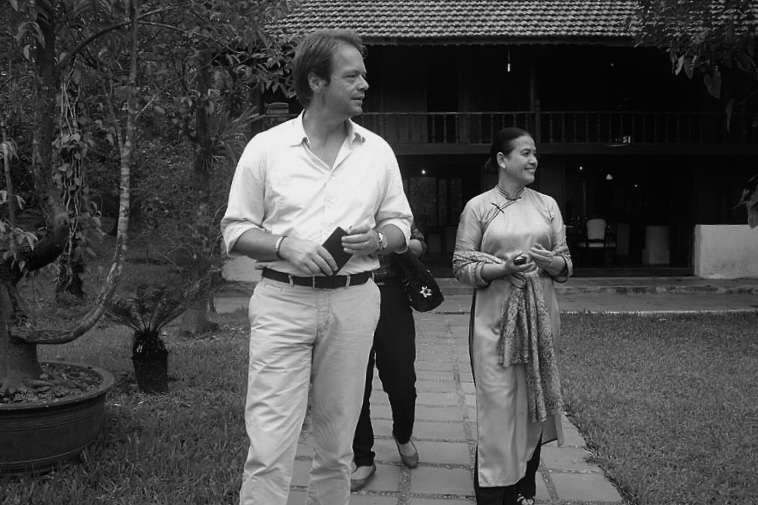
Boi Tran, with a sensible heart and the gifted talent of an artist, fully perceives the artistic and literary beauty of nature that comes right out from her magnificent garden and then conveys that beauty most aesthetically to her works.
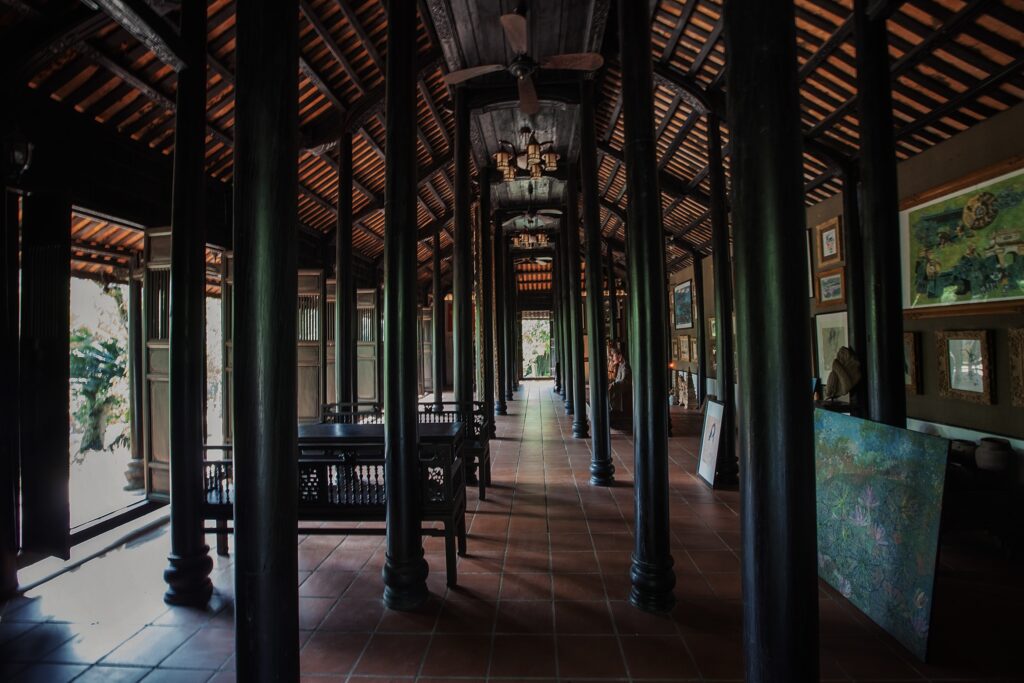
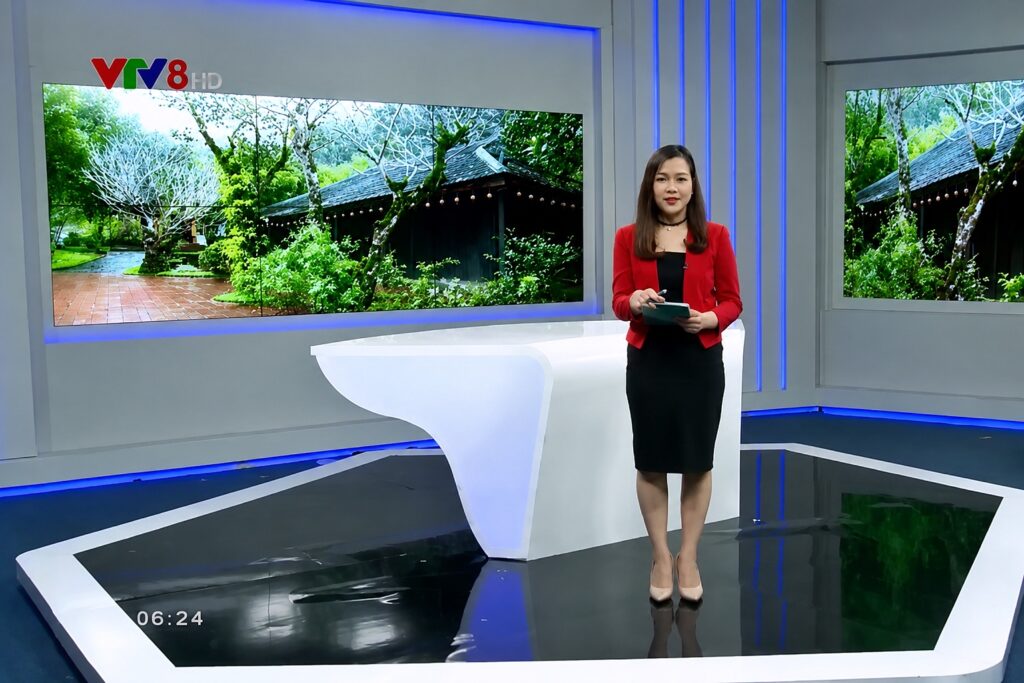
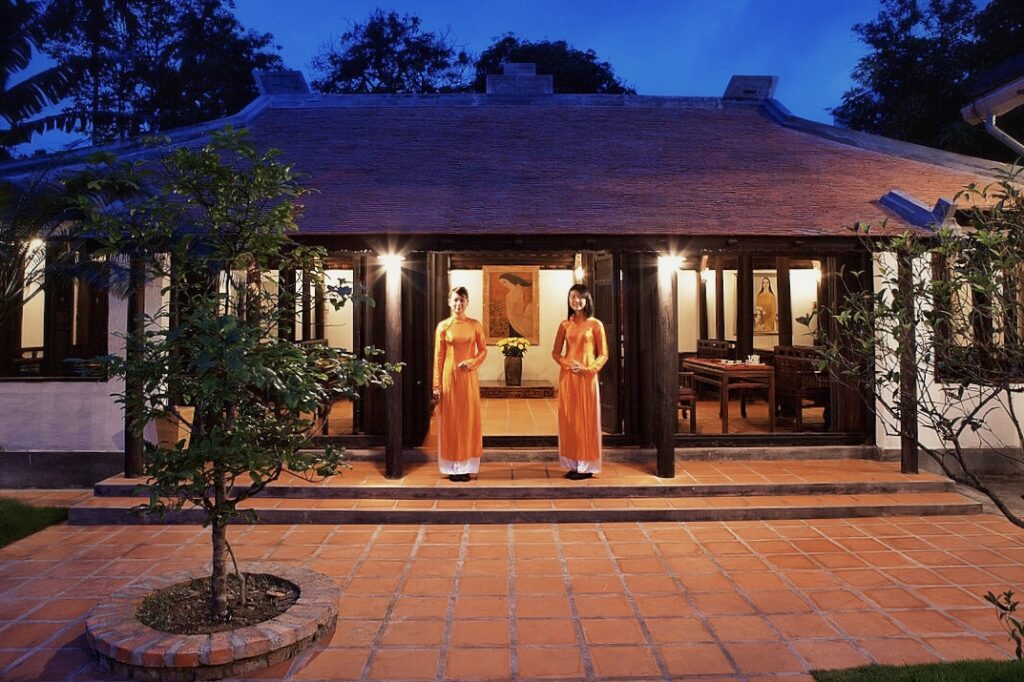
Hue becomes a poem capital in Vietnam thanks to its nature-blended architecture. In some aspects, the renaissance of pillar houses contributes to the reconstruction, preservation and protection of cityscape, cultural awareness and consciousness of this Imperial city.
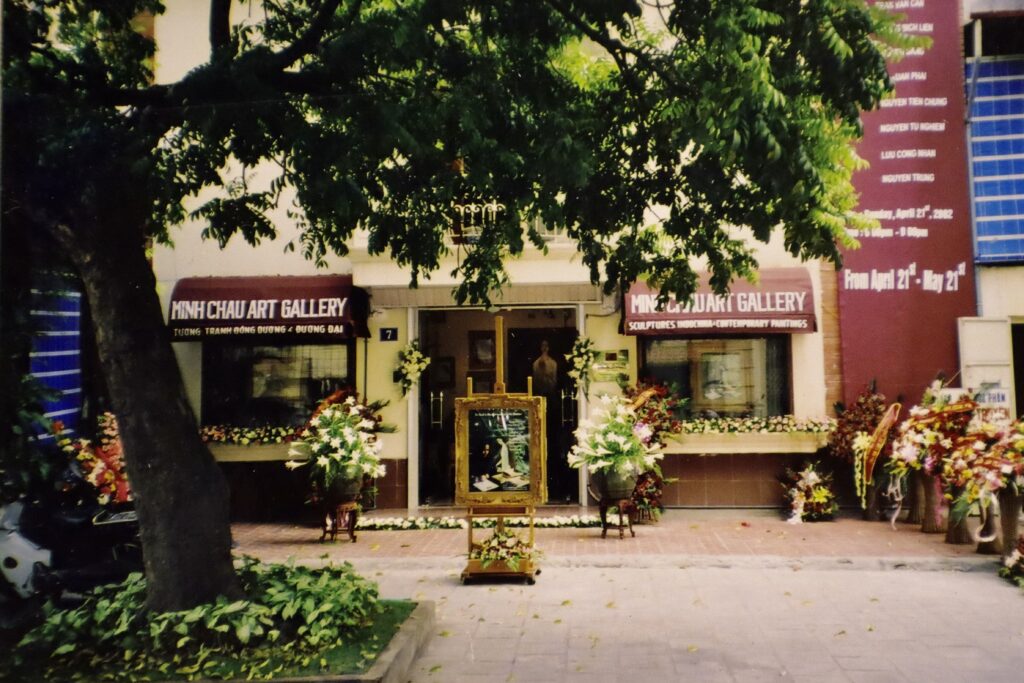
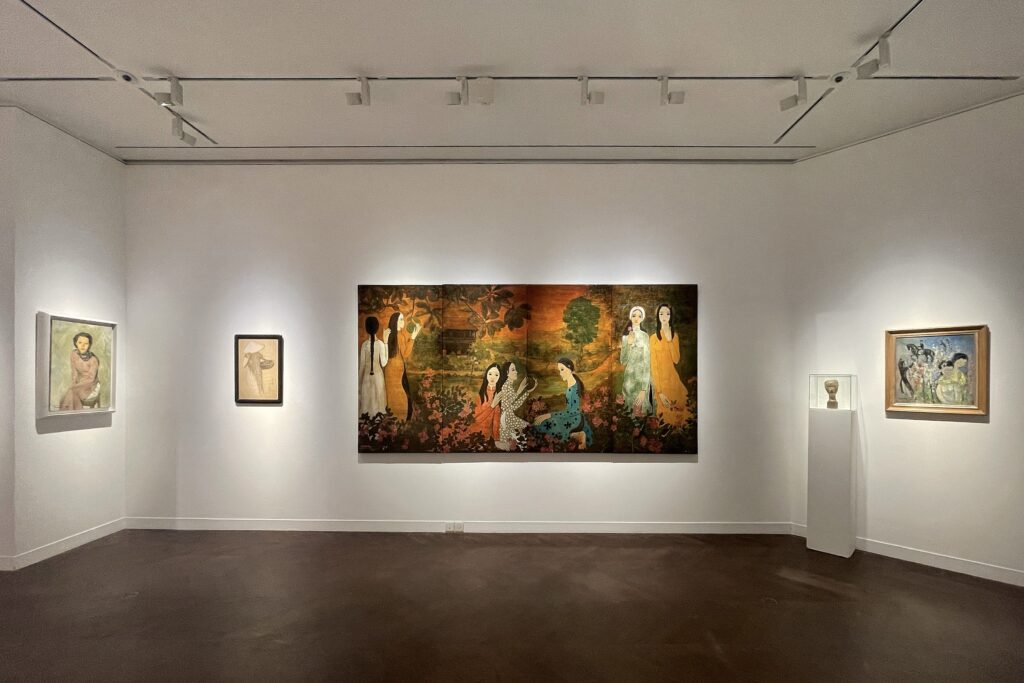
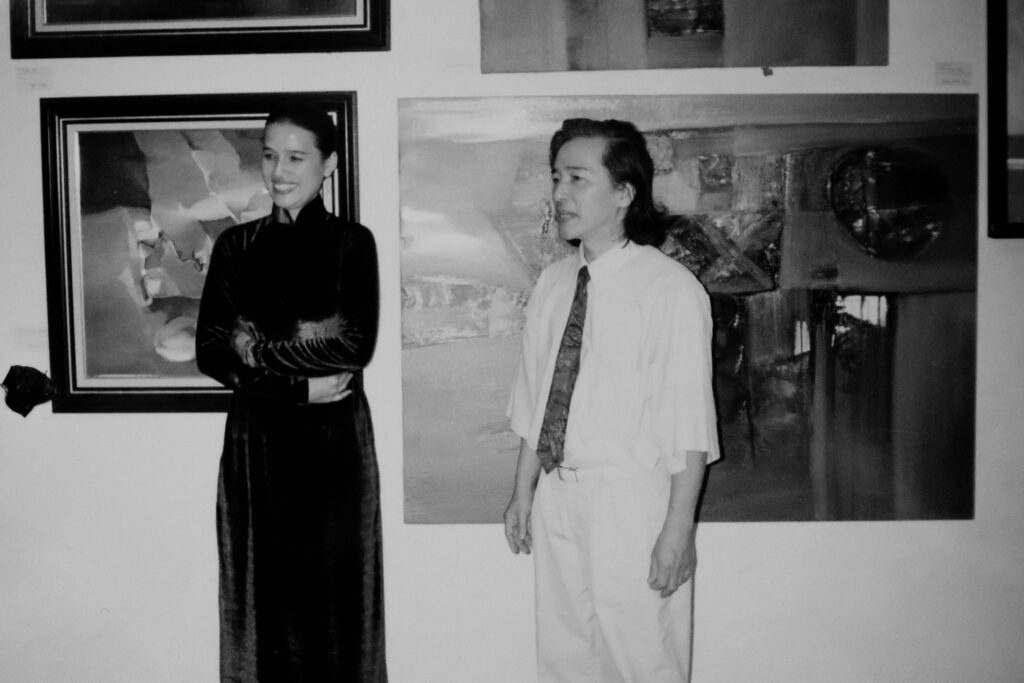
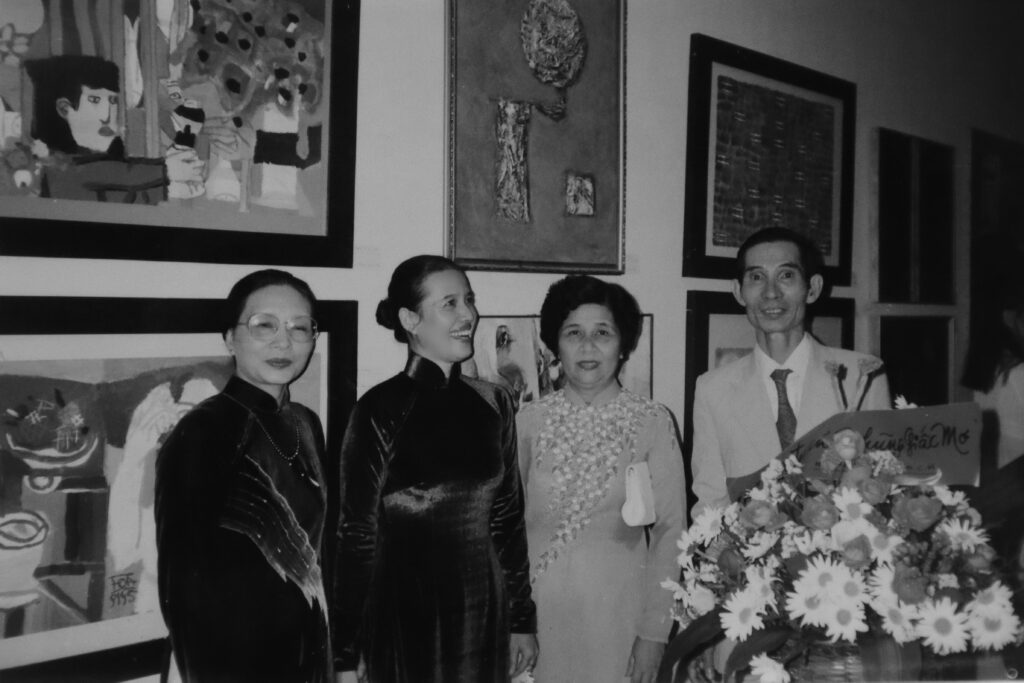
At Minh Chau Gallery, Vietnam’s great masters spoke in small, tender strokes: portraits, landscapes, memories distilled to palm-sized grace. Amid them, Boi Tran’s presence shimmered like silk: luminous, gentle, quietly enduring. These were more than paintings. They were moments held close. Echoes of beauty that linger in stillness.

Tucked within the storied streets of Hanoi, Minh Chau Art Gallery offers more than paintings; it offers remembrance. A sanctuary of light and lineage, it gathers the works of Vietnam’s most beloved masters: Nguyen Gia Tri, Bui Xuan Phai, Nguyen Trung, and among them, the gentle spirit of Boi Tran.
Founded by Minh Chau, herself born of Hue’s artistic soil, the gallery reflects a devotion to heritage both personal and national.
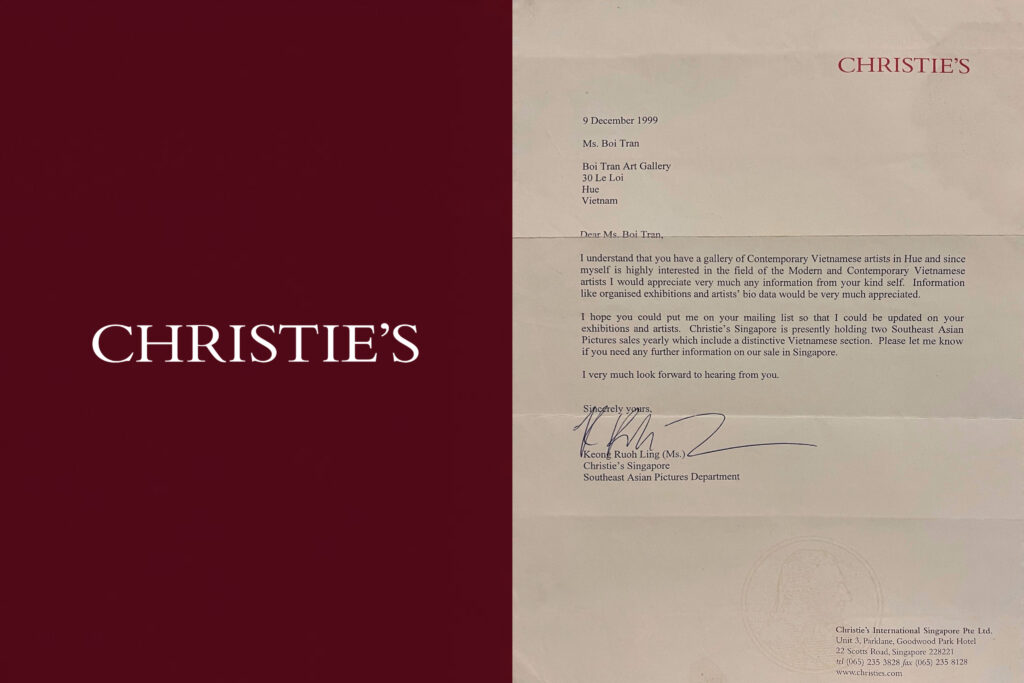
In December 1999, a letter arrived from Christie’s, full of grace. It crossed borders to honour a pioneering art gallery in Hue, where Boi Tran had quietly nurtured not just art, but meaning. At a time when few heard the voices of contemporary Vietnam, her gallery had already become a sanctuary of beauty, memory, and soul.
The letter was not a headline. It was something rarer: a moment of quiet recognition.
And from that stillness, Hue began to speak. And the world began to listen.
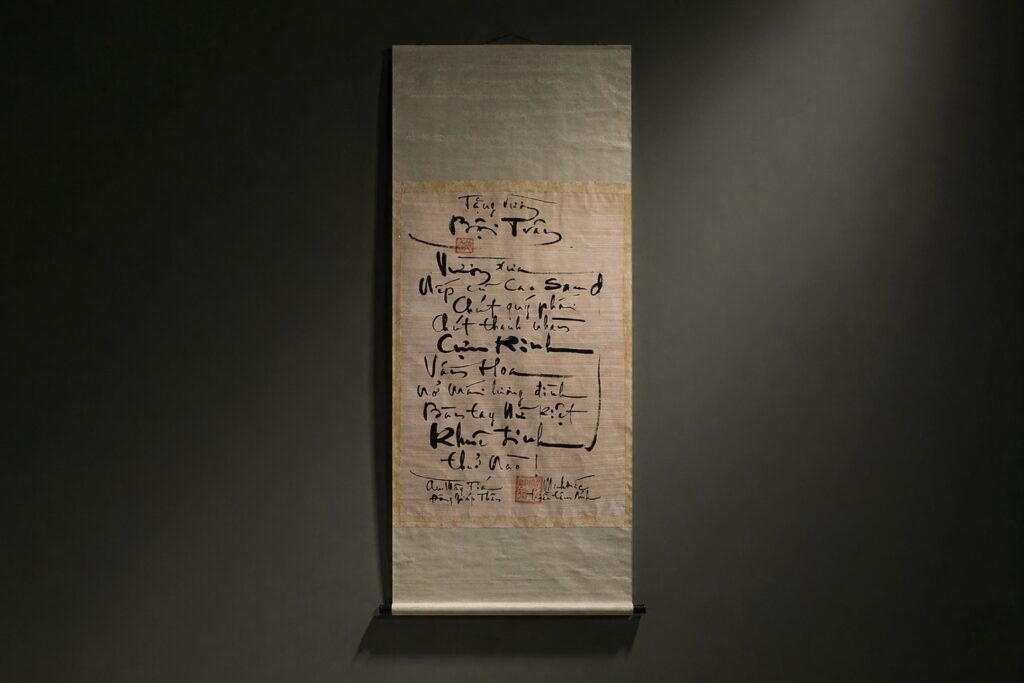
Dated 4 May 1996 in Hue, the letter bears the signature of Vinh Phoi (1938–2017). In a few restrained lines, he introduces a young painter and entrusts his evaluation to Boi Tran. There is no rhetoric, only a gesture of trust; a signature whose authority rests not on institutions, but on the life behind it.
It is not merely a recommendation, but a moral guarantee.