Dream of Dreams: A Contemporary Group Exhibition Featuring Eight Vietnamese Artists at Boi Tran Garden
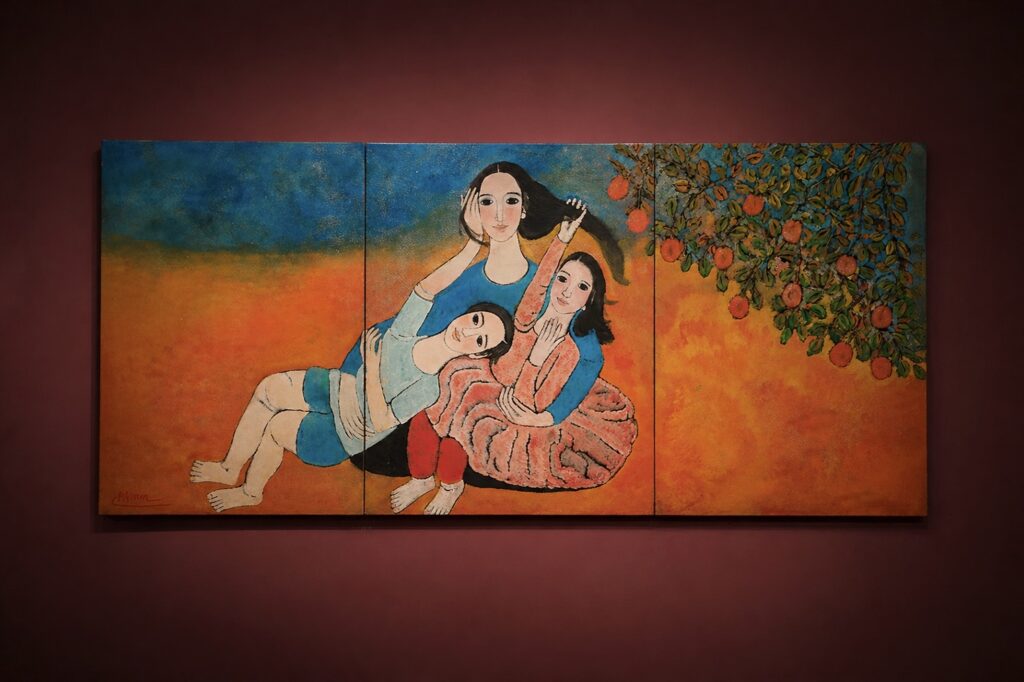
Dream of Dreams brings together eight Vietnamese artists: Trần Nguyên Đán, Trần Văn Mãng, Phan Thanh Bình, Trần Anh Huy, Nguyễn Vũ Lân, Hoàng Đăng Khanh, Lê Hữu Long and Lê Thừa Hải in a contemplative exhibition at Boi Tran Garden. Conceived not as a narrative but as a state of presence, the exhibition unfolds through subtle correspondences between works, where memory, imagination and painting converge. Each practice remains singular, yet together they form a quiet continuum, like images that return, transform and persist across time.
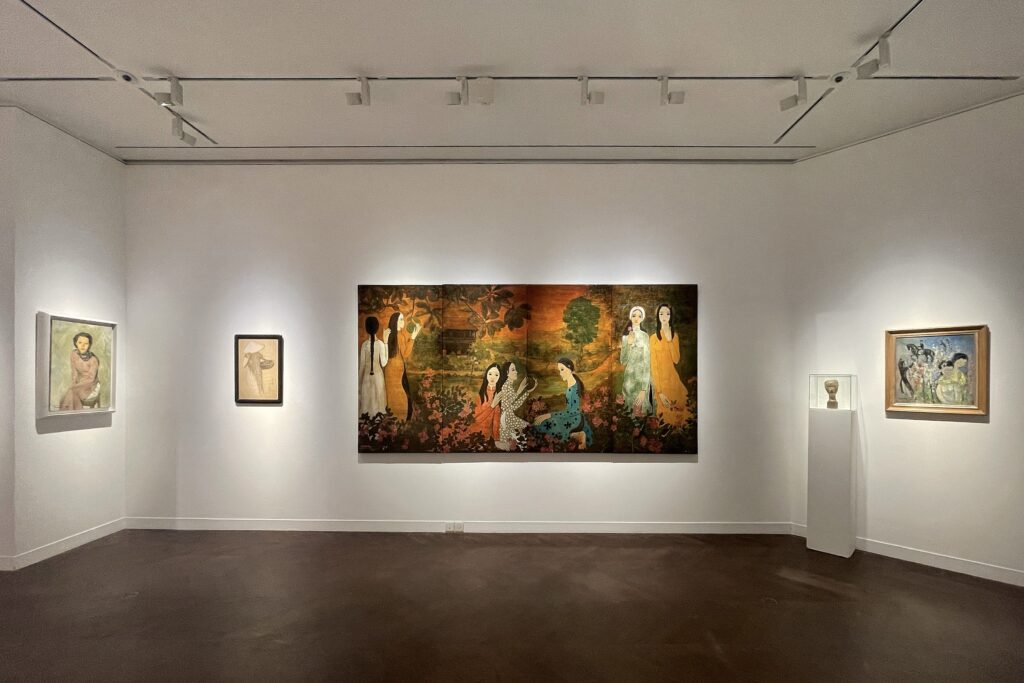
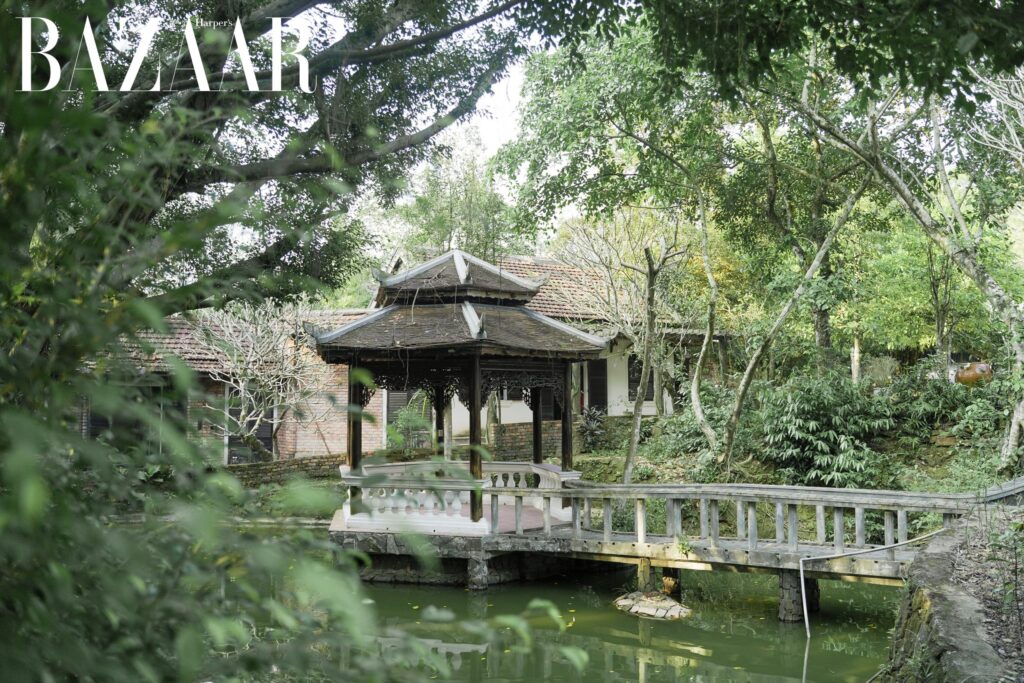
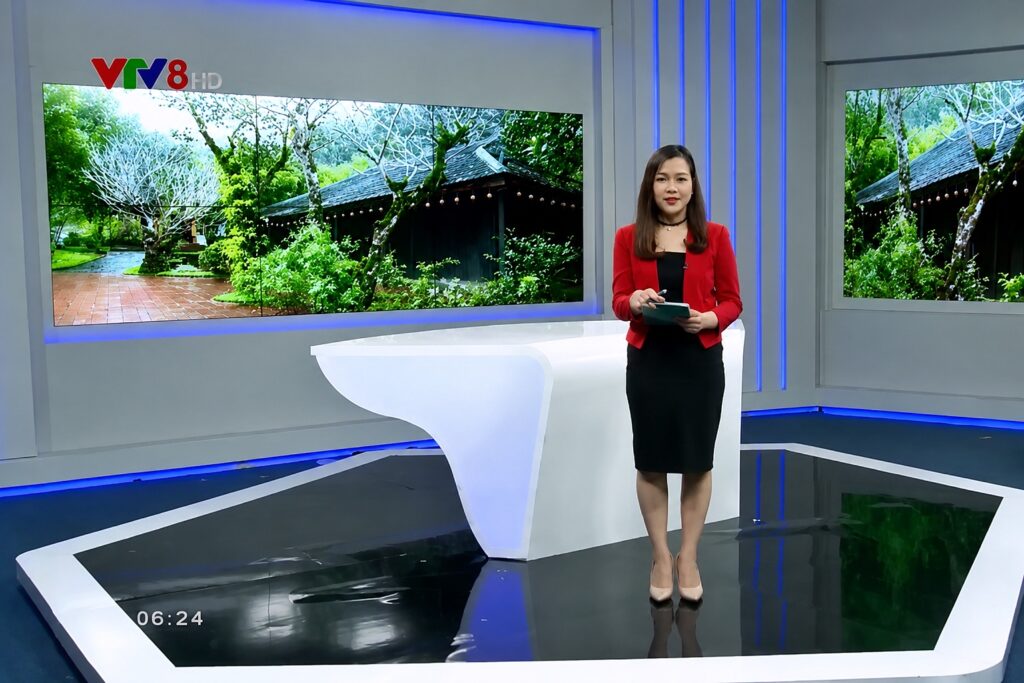
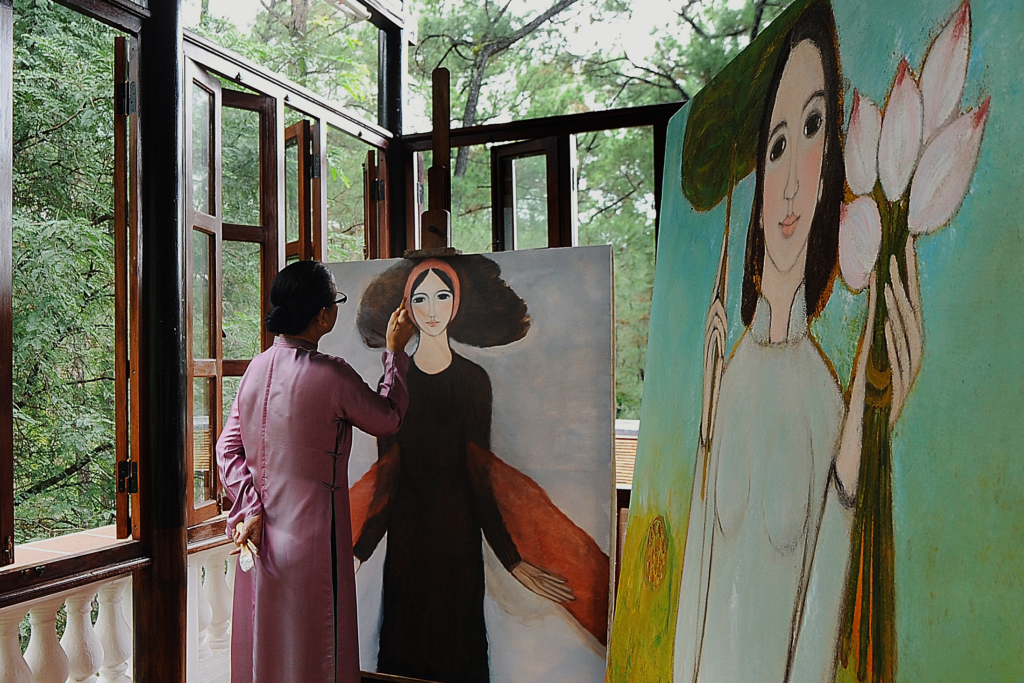
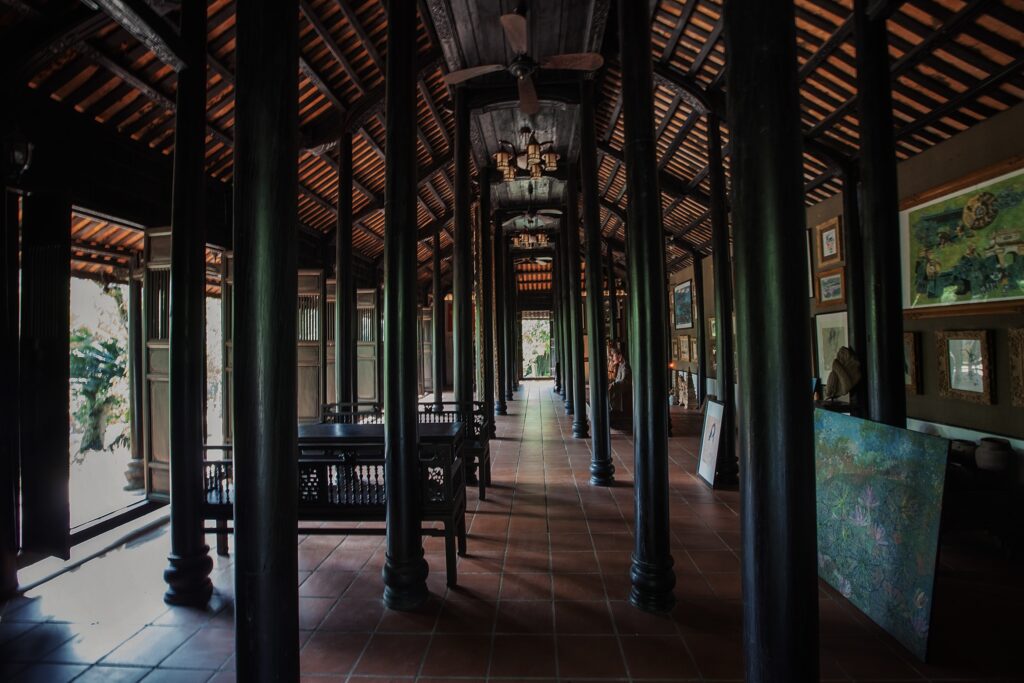
Huế – Boi Tran Garden presents Dream of Dreams, a group exhibition bringing together eight Vietnamese artists: Trần Nguyên Đán, Trần Văn Mãng, Phan Thanh Bình, Trần Anh Huy, Nguyễn Vũ Lân, Hoàng Đăng Khanh, Lê Hữu Long and Lê Thừa Hải. Conceived within the quiet, unfolding landscape of Boi Tran Garden, the exhibition offers not a defined narrative but a state of presence, where painting, memory and atmosphere converge.
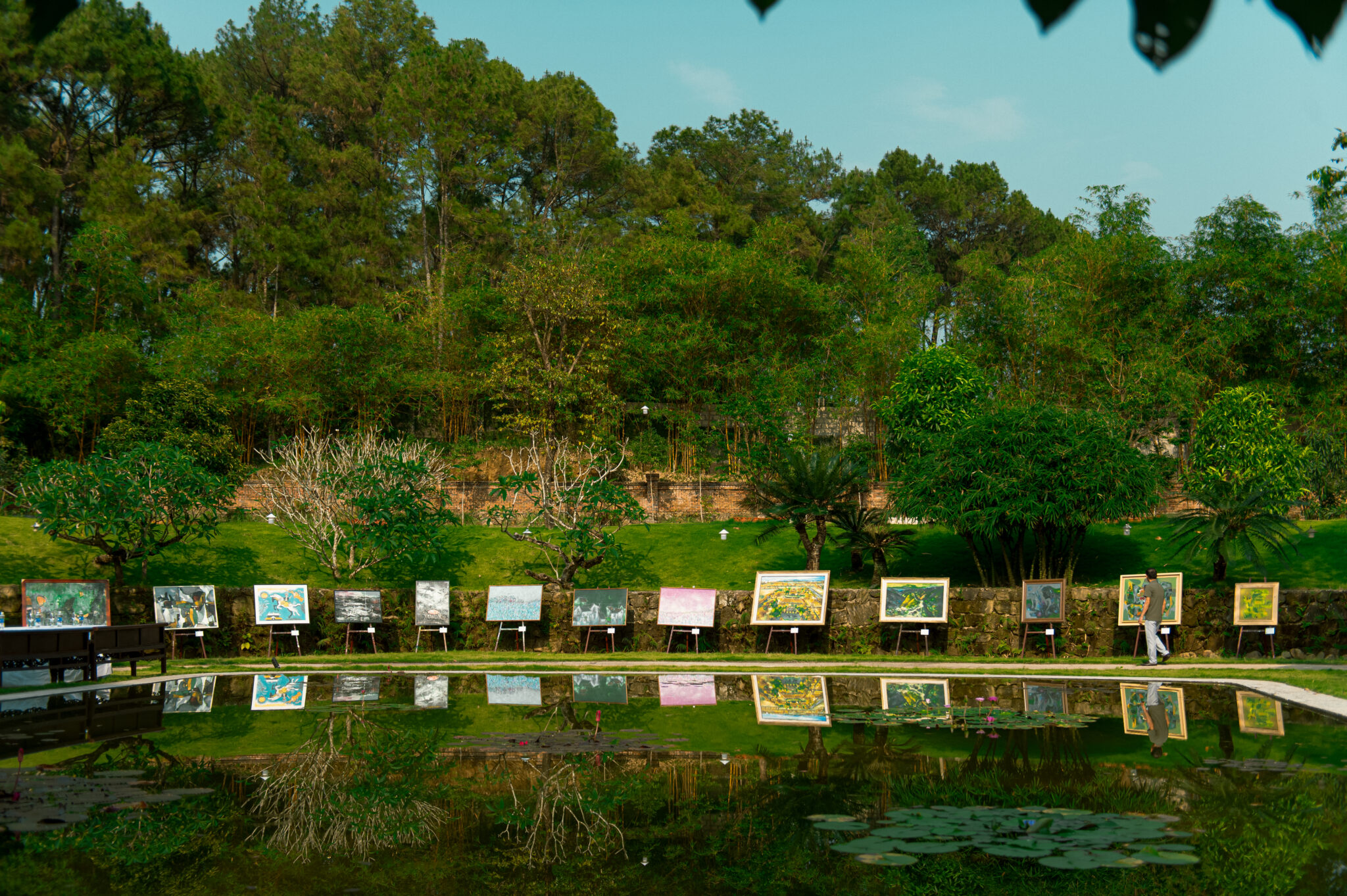
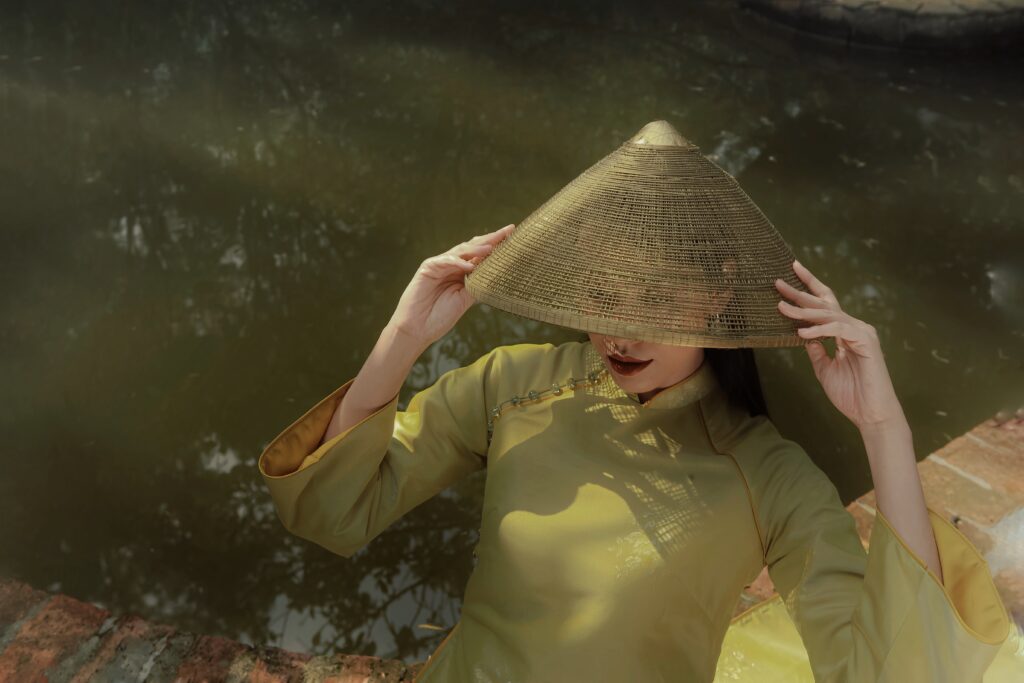
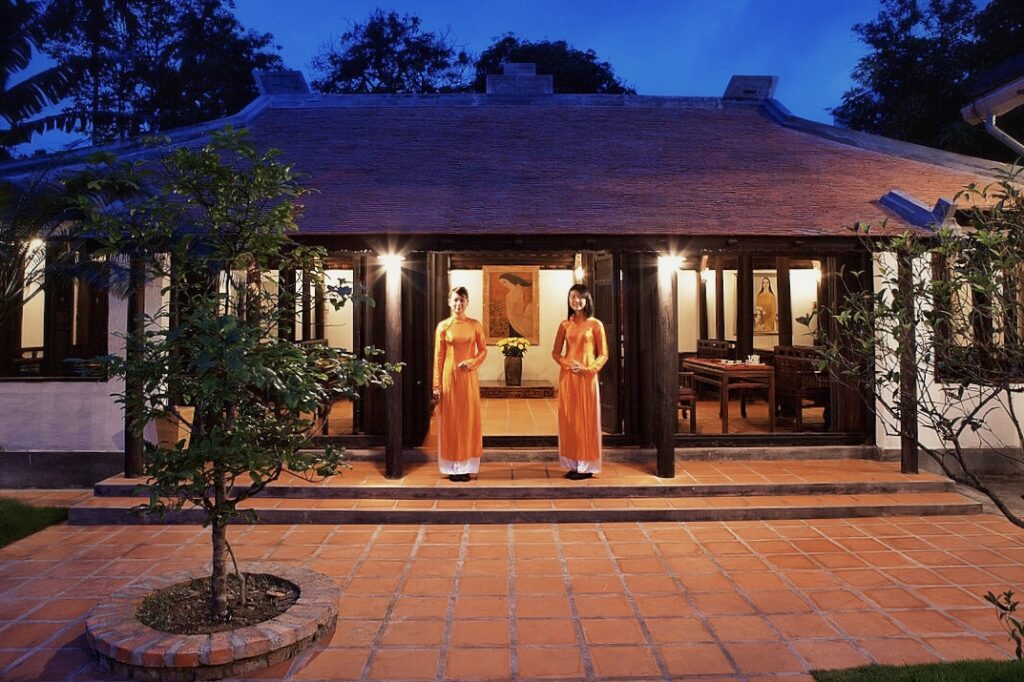
Dream of Dreams Exhibition at Boi Tran Garden, Kim Son, Hue, Vietnam
The title itself resists literal interpretation. Dream of Dreams suggests a condition rather than a theme, a continuity of inner images that move gently across time. In this space, dreams are neither singular nor fixed. They accumulate, echo, and transform, carrying within them traces of what has been lived and intimations of what has yet to emerge. The exhibition unfolds as a field of correspondences, where each work remains distinct yet participates in a shared sensibility.
Organised by Boi Tran Garden, the exhibition brings together eight artistic voices whose practices span generations and approaches. Their works do not seek to resolve into a unified statement. Instead, they form a polyphonic ensemble, held together by a quiet coherence that arises from sensitivity rather than structure. Landscape, abstraction, urban fragments and imagined forms appear not as subjects in themselves but as vessels of perception, each bearing a fragment of memory or a subtle shift in awareness.
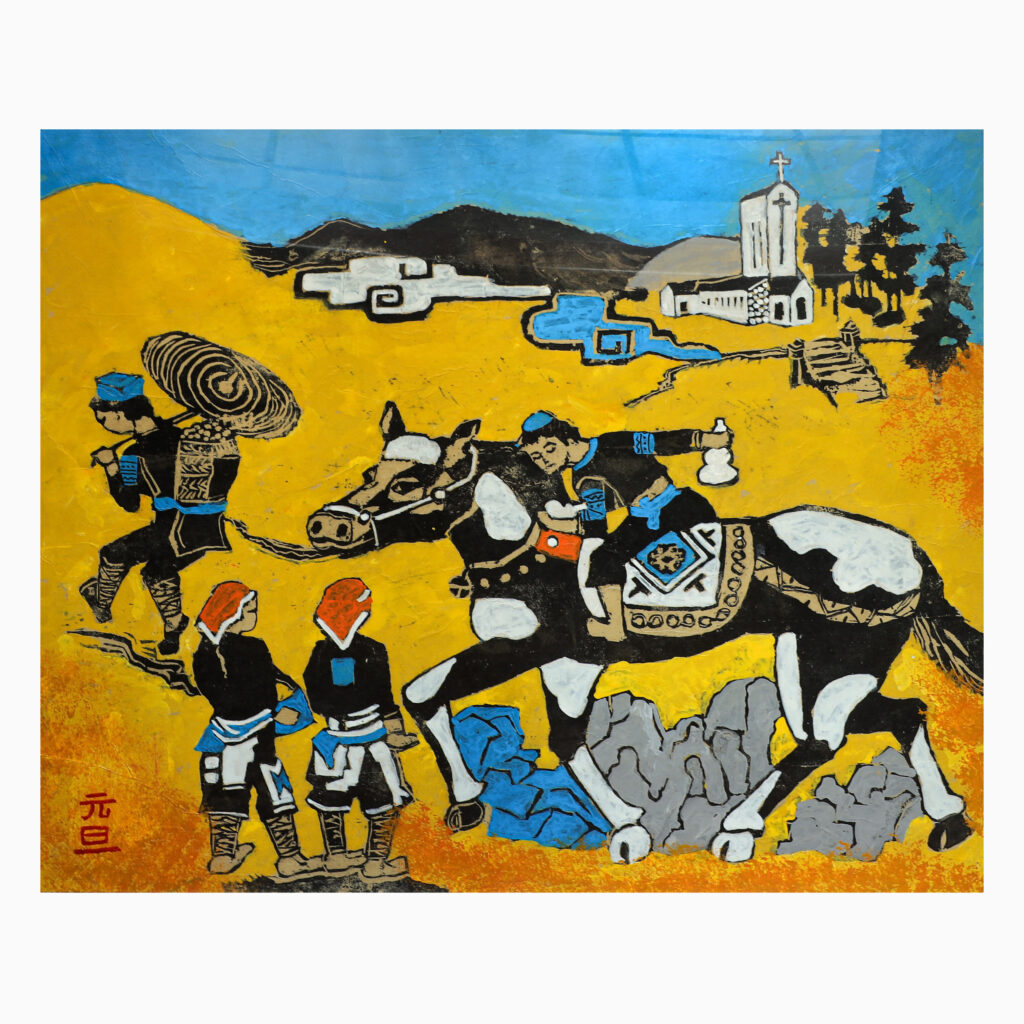
Tran Nguyen Dan, Drunk at Village Market (Say Rượu Chợ Phiên). 2024. Woodcut print on paper, 80 x 100 cm. (31 1/2 x 39 3/8 in.). Private Collection, Vietnam.
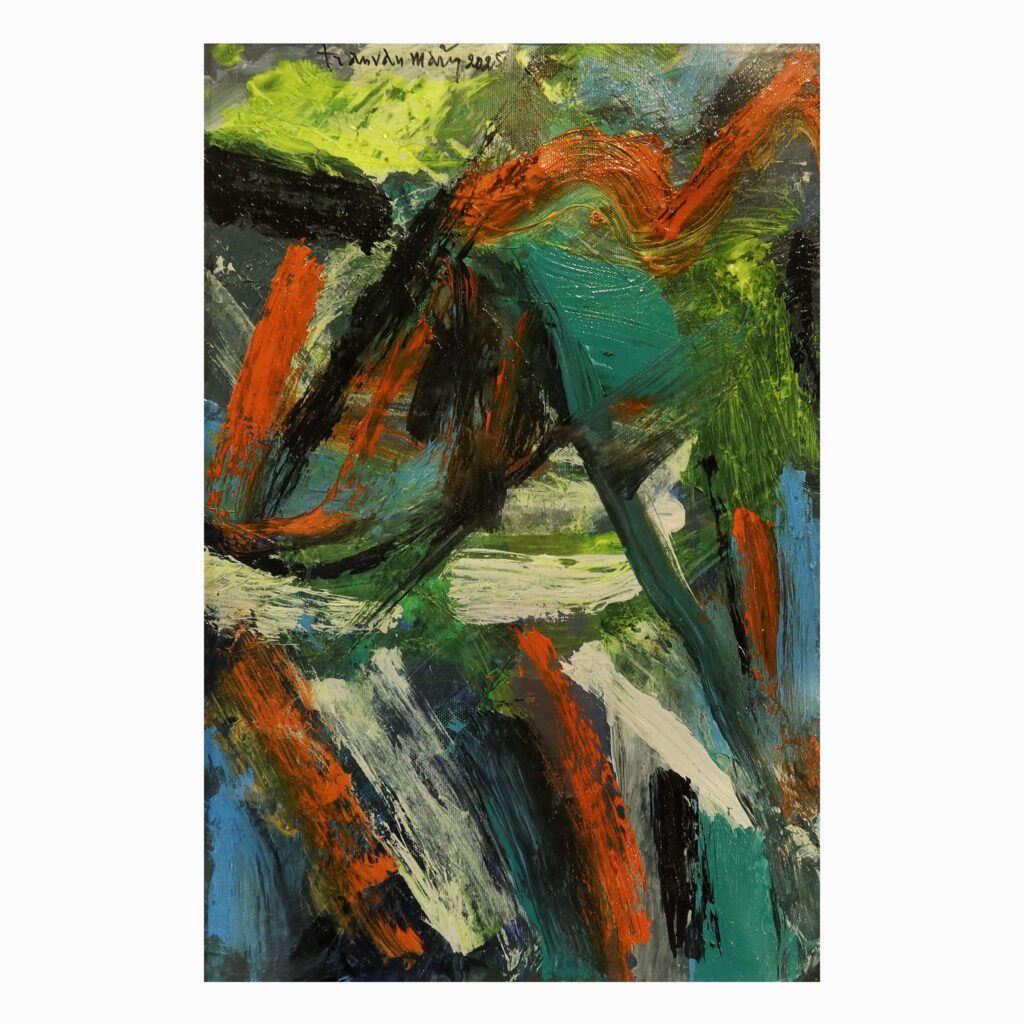
Tran Van Mang, Sunlit Village (Nắng Qua Làng), 2025. Oil on canvas, 42,5 × 28 cm (16 3/4 × 11 in.)
At one end of this constellation stands Trần Nguyên Đán, whose woodblock prints draw from the enduring vitality of folk imagination. His images, at once direct and deeply rooted, carry the rhythm of oral tradition, where myth and daily life remain inseparable. Nearby, Trần Văn Mãng renders the stillness of Huế’s urban memory through a painterly language in which form dissolves into layers of colour and time. His surfaces do not describe the city so much as recall its lingering presence.
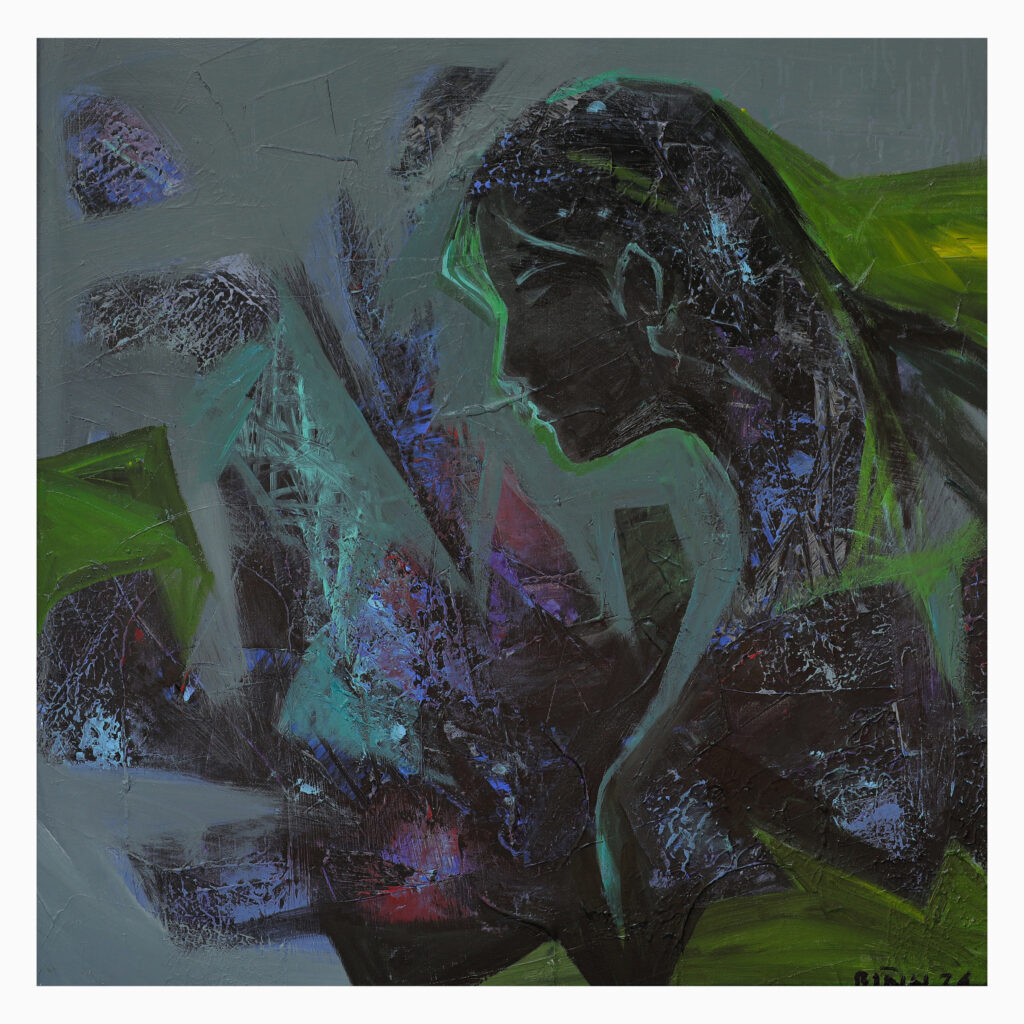
Phan Thanh Binh, Shadows of Time (Bóng Thời Gian). 2026. Oil on canvas, 70 × 70 cm (27 1/2 × 27 1/2 in.).
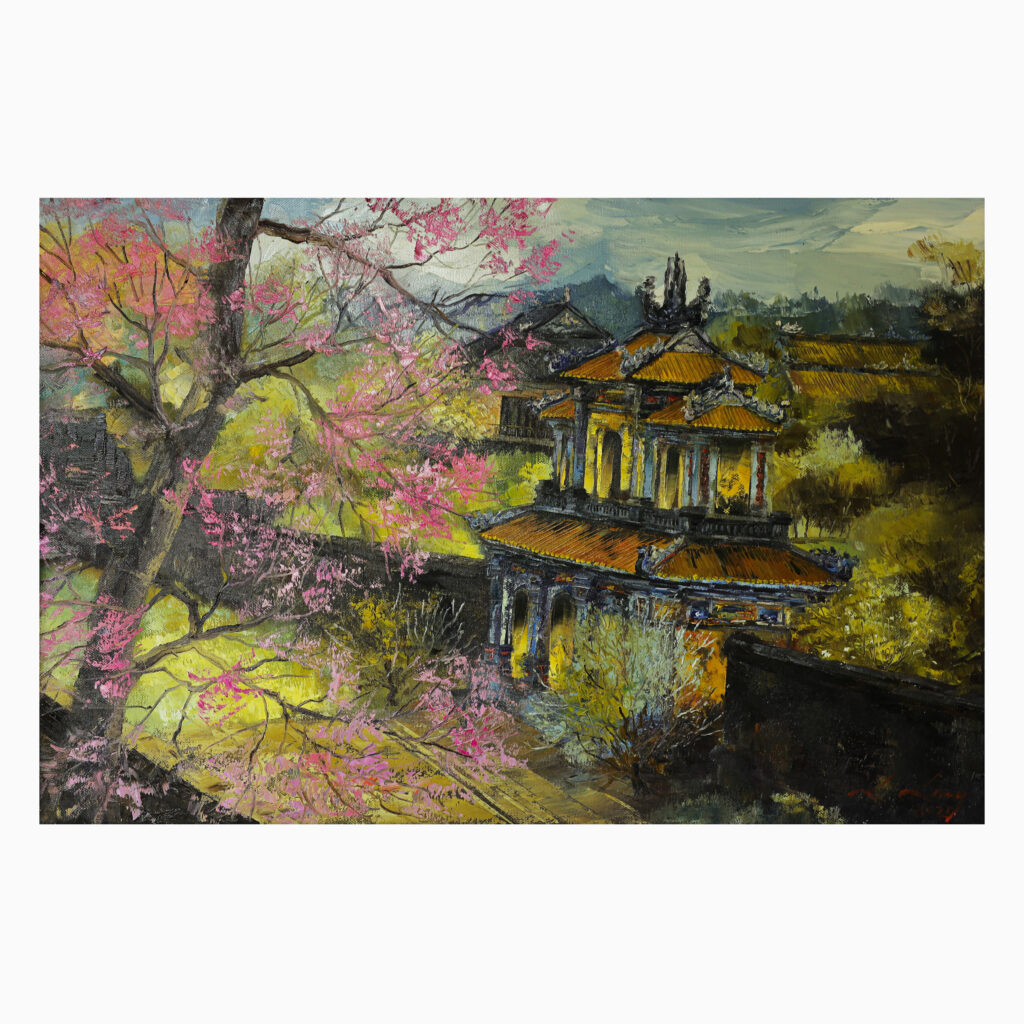
Le Huu Long, Fragrance of the Paulownia (Hương Ngô Đồng), 2025. Oil on canvas, 80 × 120 cm (31 1/2 × 47 1/4 in.). Private Collection, Vietnam.
The work of Phan Thanh Bình introduces a different order, one that might be described as an architecture of colour. Through the accumulation and collision of chromatic planes, he seeks a form of equilibrium within emotional complexity. This sensibility finds an echo in Lê Hữu Long, whose landscapes are not simply observed but inhabited. His use of colour carries both intensity and restraint, allowing the visible world to open into a deeper experiential field.
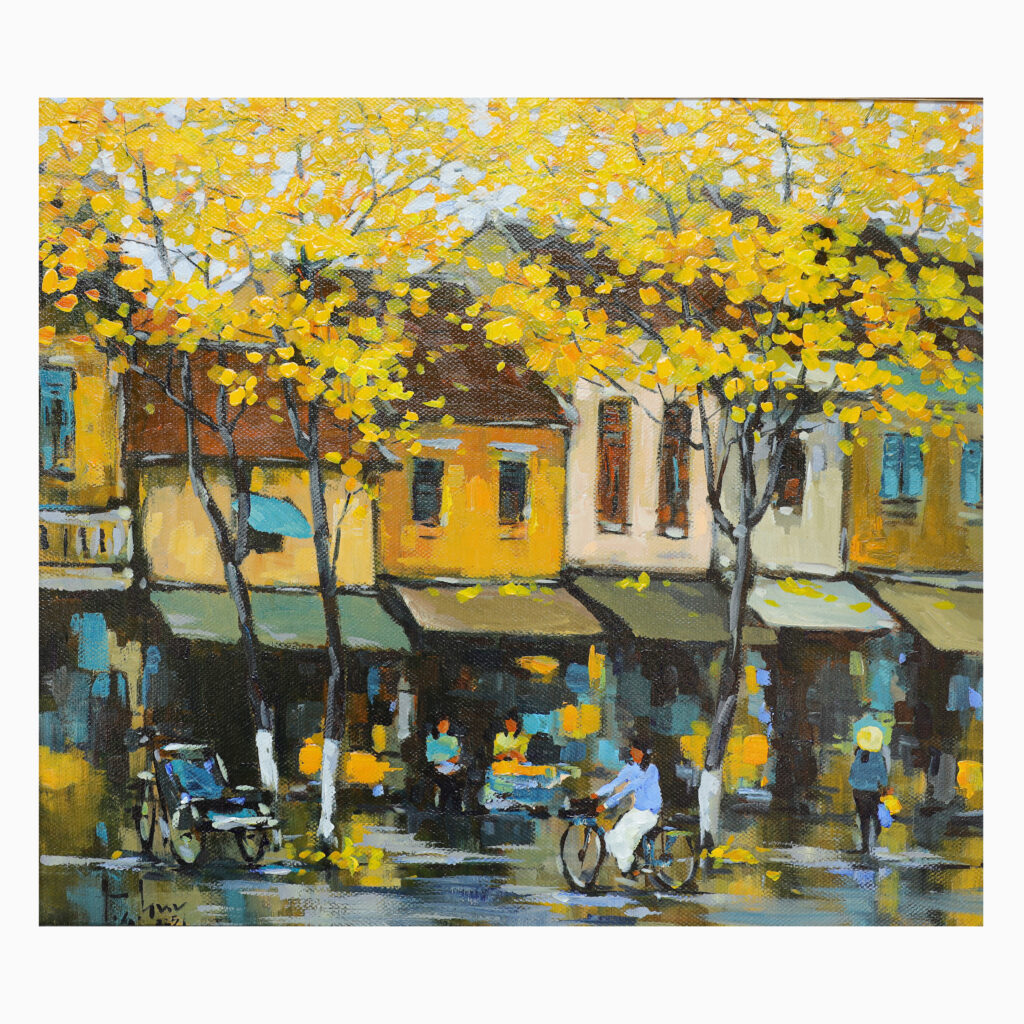
Tran Anh Huy, Bach Dang Street After Rain (Đường Bạch Đằng Sau Cơn Mưa). 2025. Acrylic on canvas, 70 × 80 cm (27 1/2 × 31 1/2 in.).
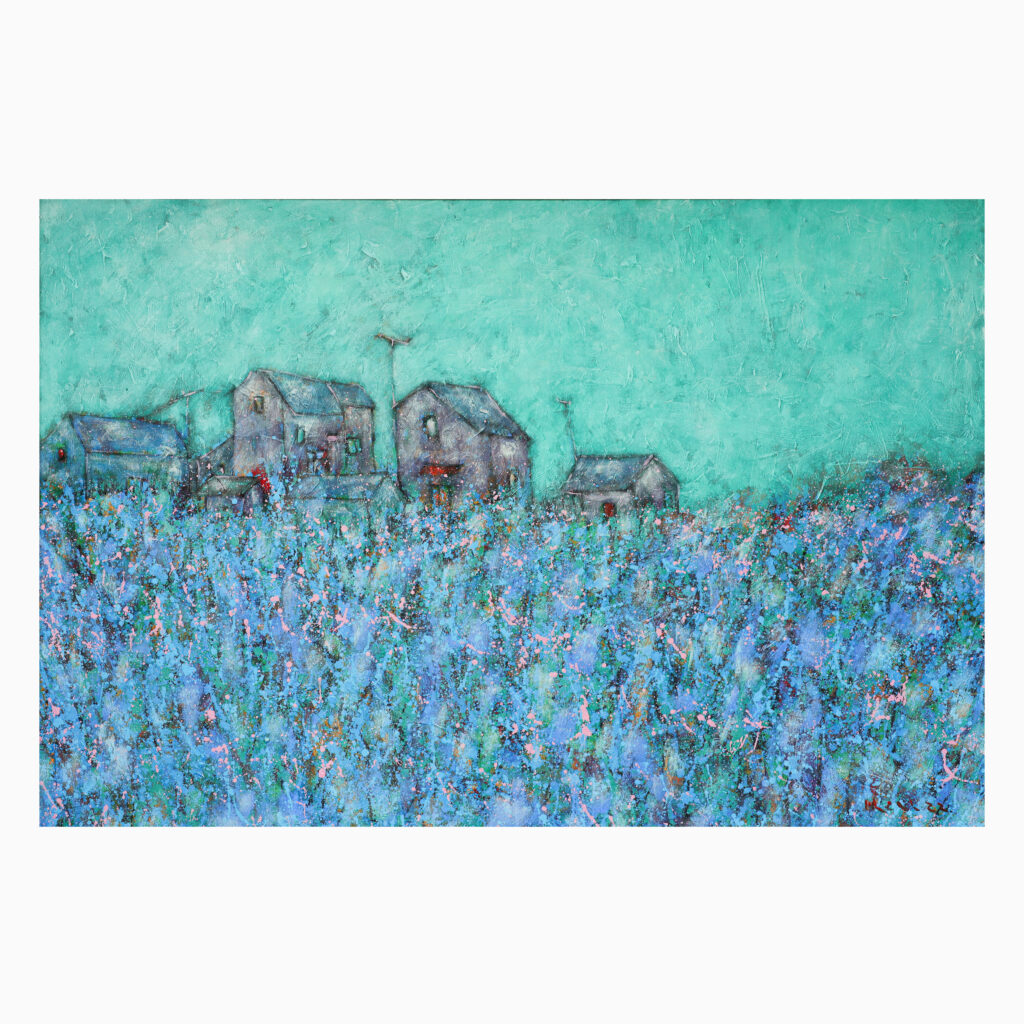
Hoang Dang Khanh, The House upon the Hill (Nhà Trên Đồi), 2022. Acrylic on canvas, 80 × 120 cm (31 1/2 × 47 1/4 in.).
In the paintings of Trần Anh Huy, light becomes the primary agent of transformation. The city appears as a shifting surface, animated by reflections and fleeting atmospheres, where perception itself seems to reorganise space. In contrast, Hoàng Đăng Khanh approaches painting as a quiet unfolding. His softened forms and diffused tonalities create a suspended world, one that invites a slower gaze and a more inward attention.
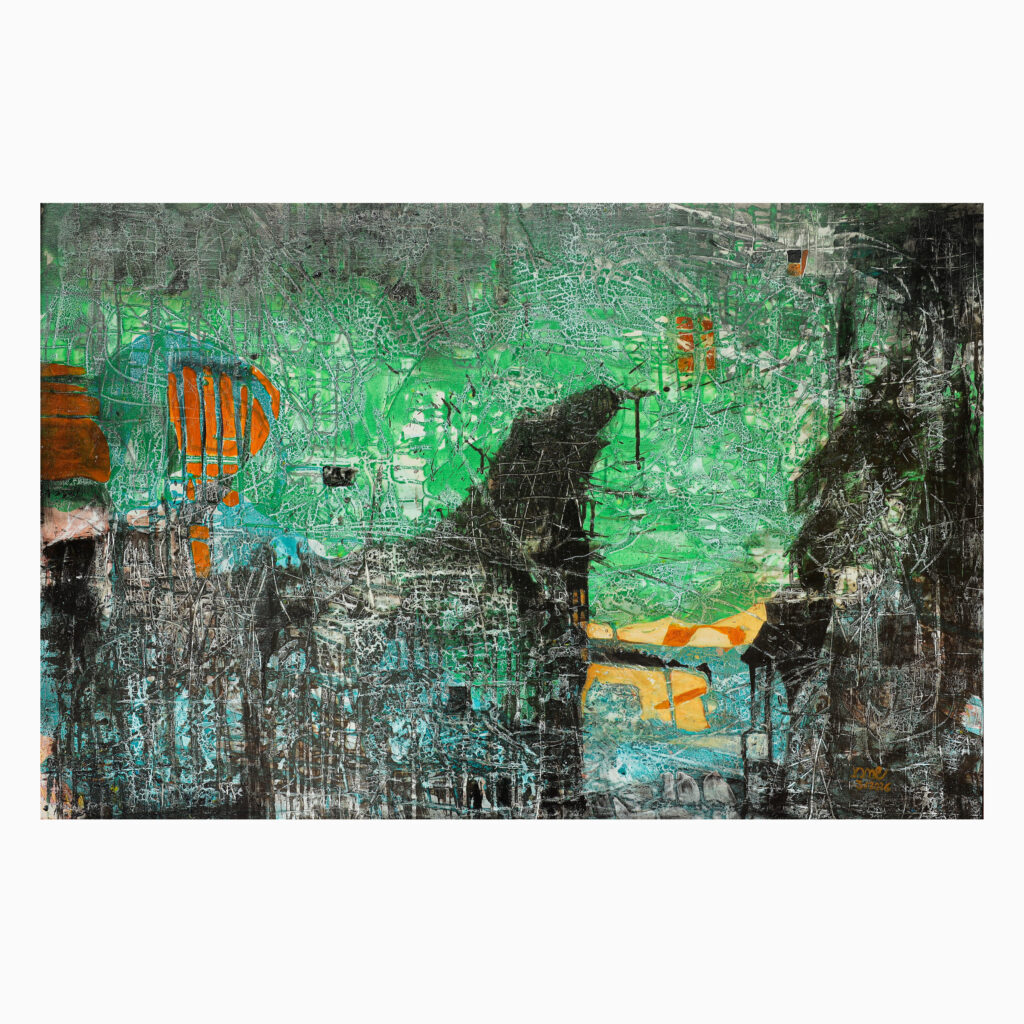
Nguyen Vu Lan, Shards of Memory (Mảnh Ký Ức). 2026. Acrylic on canvas, 100 × 150 cm (39 3/8 × 59 1/16 in.).
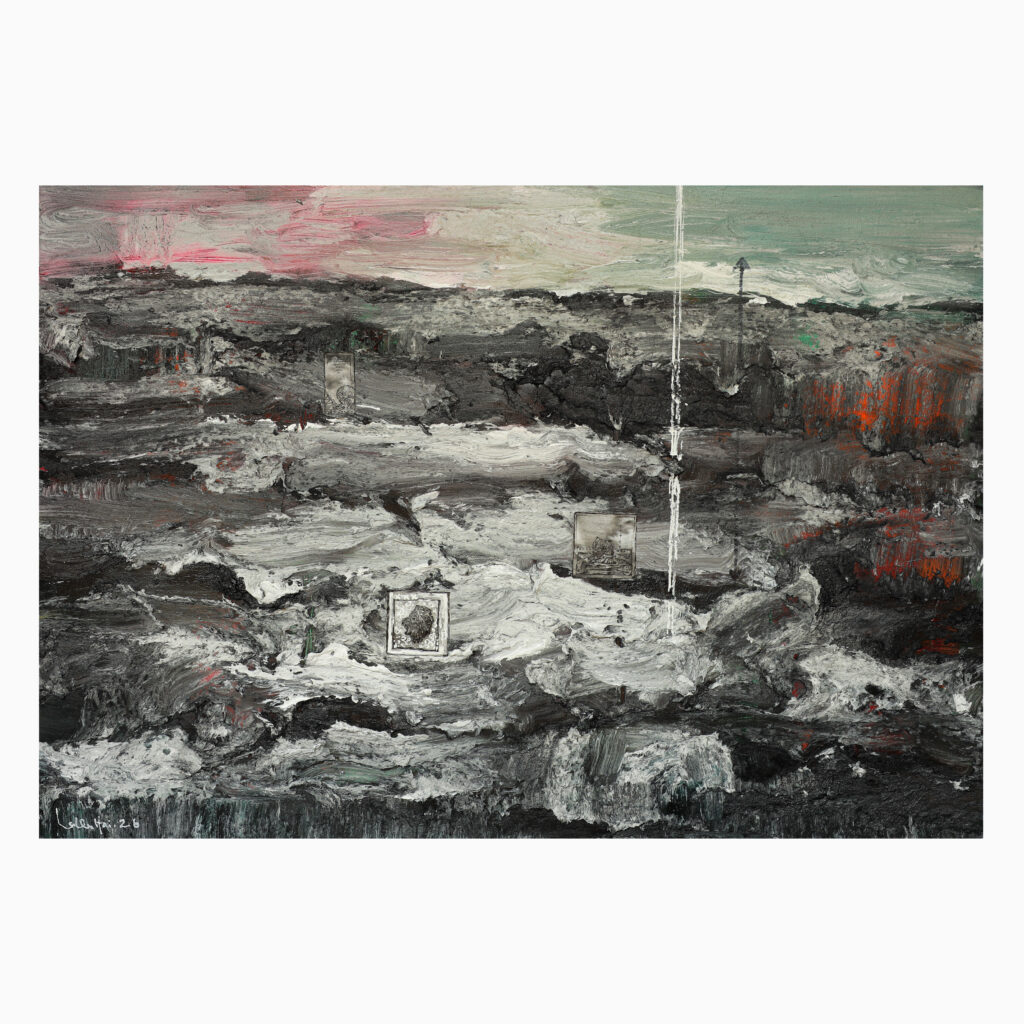
Le Thua Hai, Trace I (Vết Tích 1), 2025. Mixed media on canvas, 100 × 70 cm (39 3/8 × 27 1/2 in.).
The exhibition also brings forward a more material investigation of painting through Nguyễn Vũ Lân and Lê Thừa Hải. Their works engage the surface as a site of excavation, where layers are built, erased and reconstituted. What emerges is not an image in the conventional sense, but a stratigraphy of gestures and traces, where time is embedded within matter itself. In the work of Lê Thừa Hải in particular, the canvas becomes a sensitive ground, marked by tension and persistence, as though bearing the imprint of its own becoming.
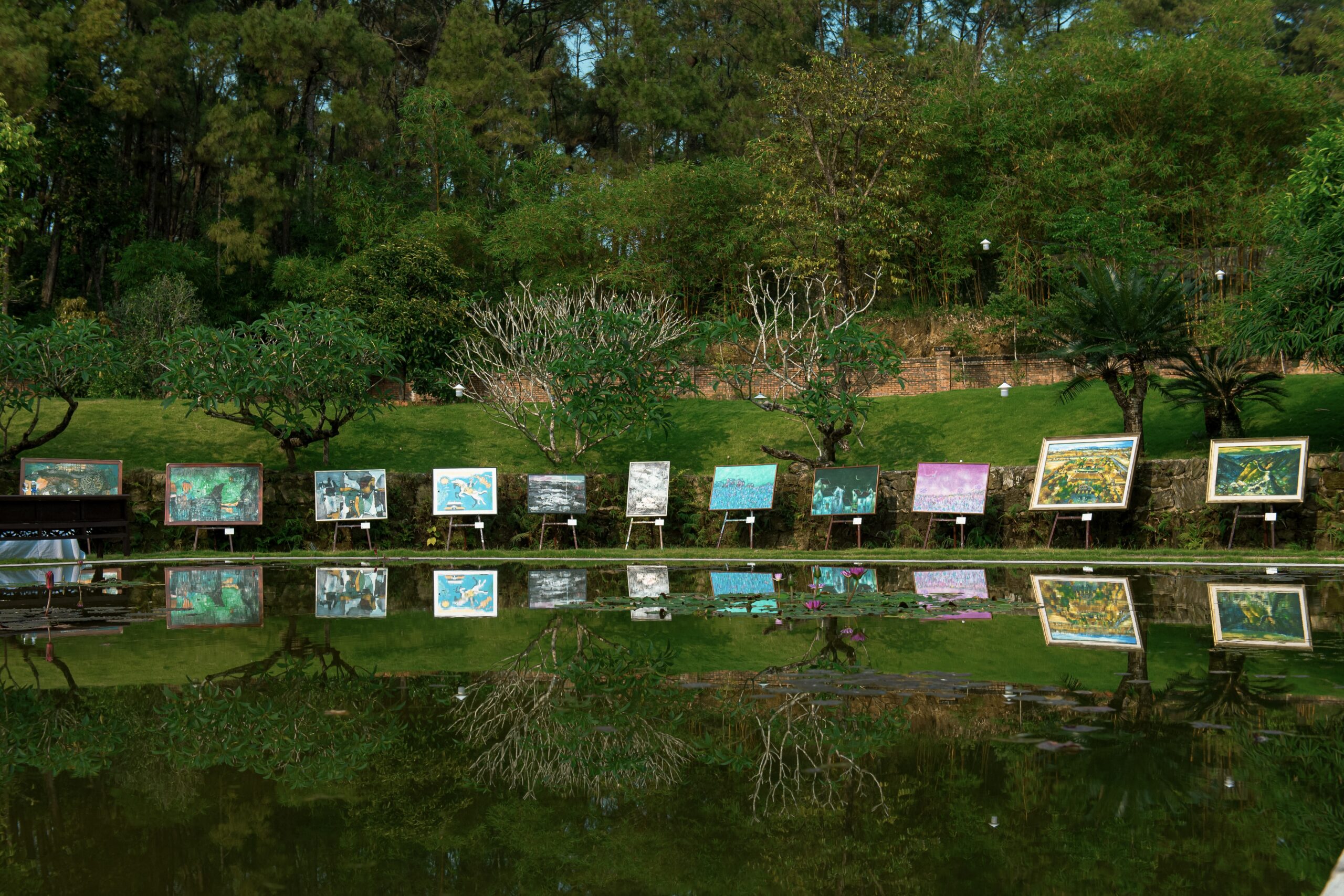
Installed within the garden, these works enter into a subtle dialogue with their surroundings. Huế, with its long association with quietude, introspection and cultural depth, offers a context in which such an encounter acquires a particular resonance. The exhibition does not impose itself upon the space. It inhabits it lightly, allowing art and nature to coexist within the same temporal flow.
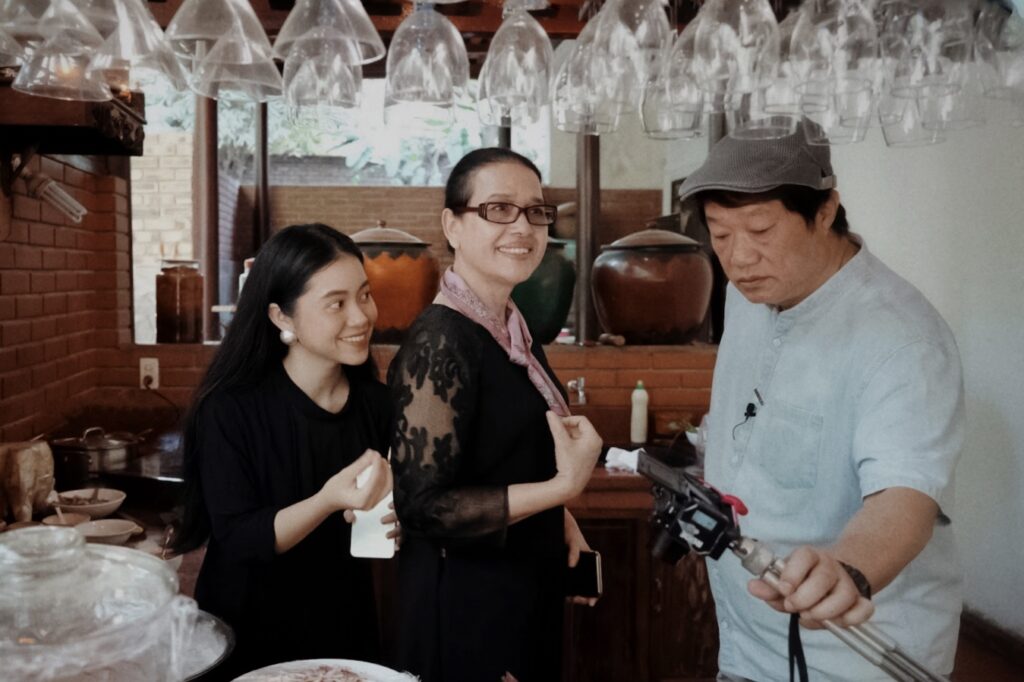
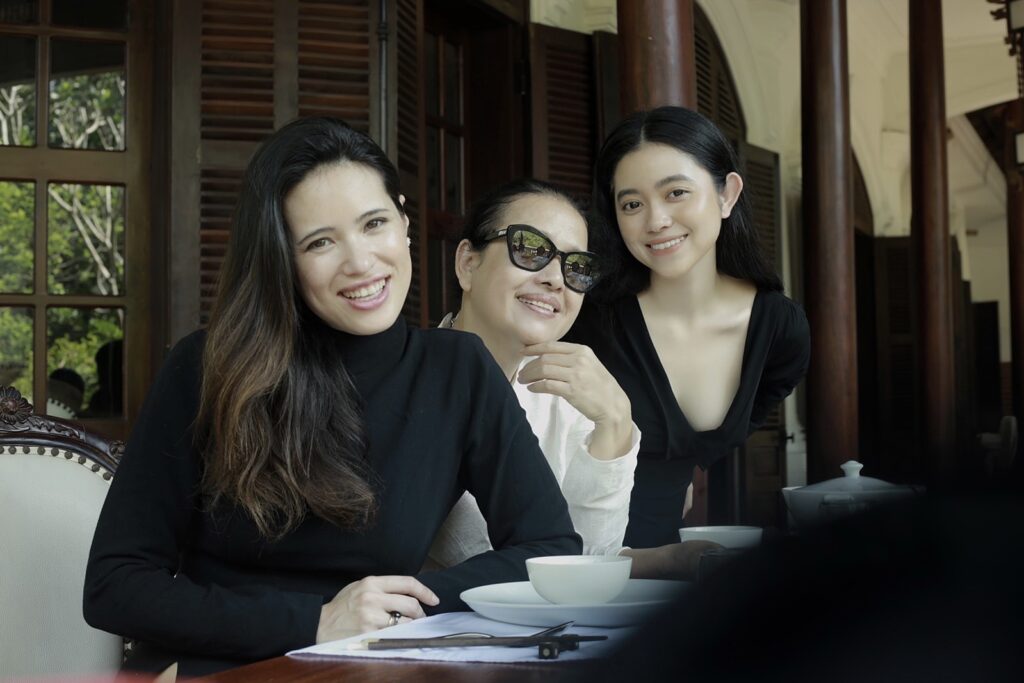
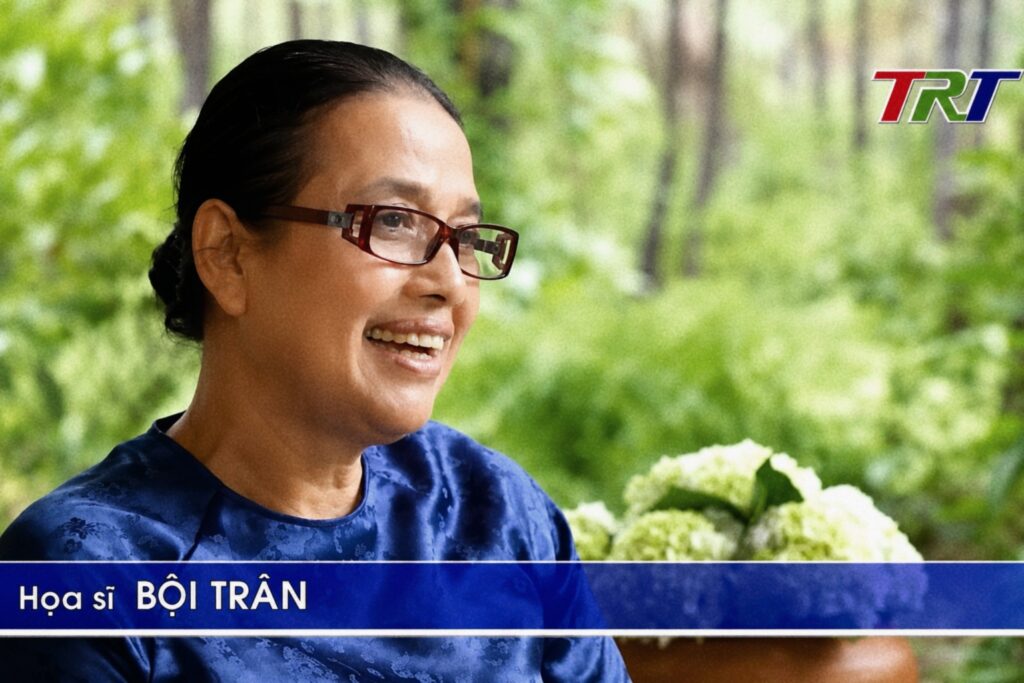
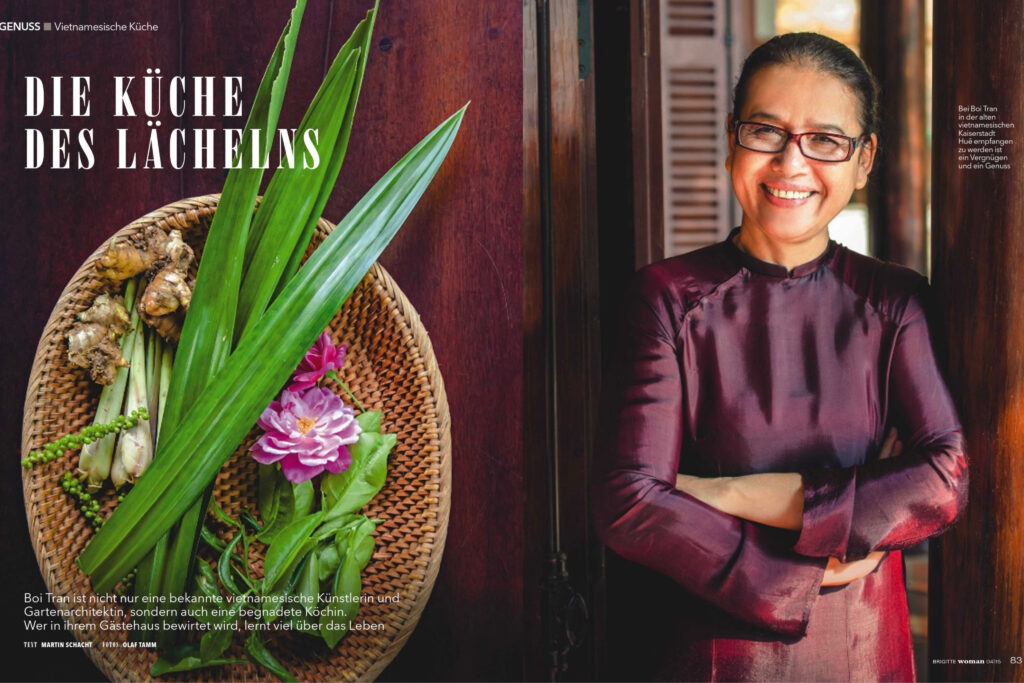
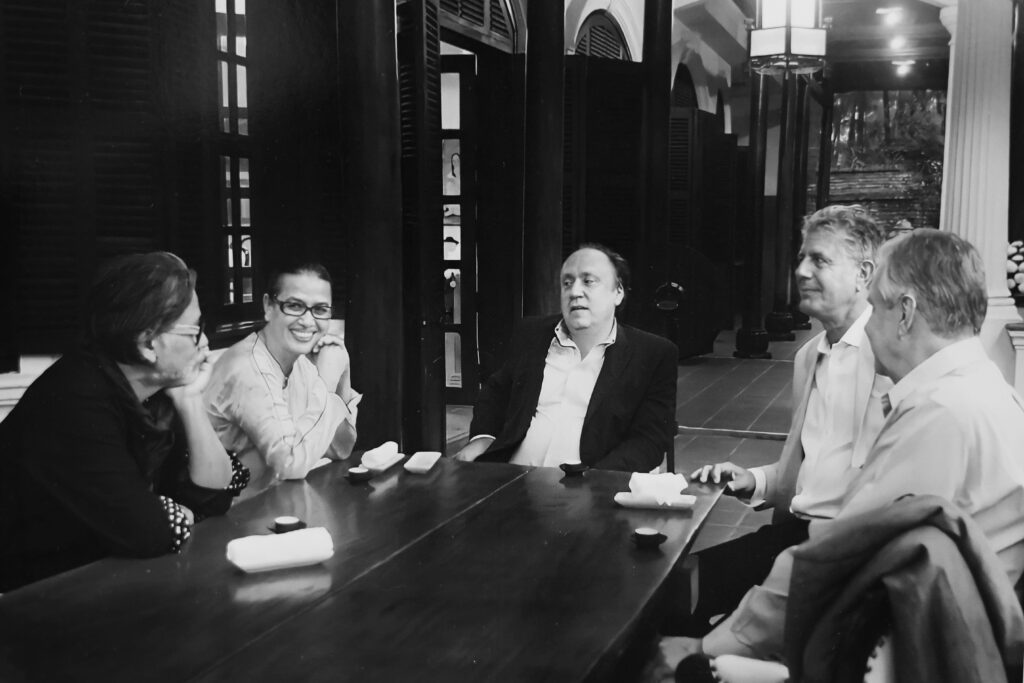
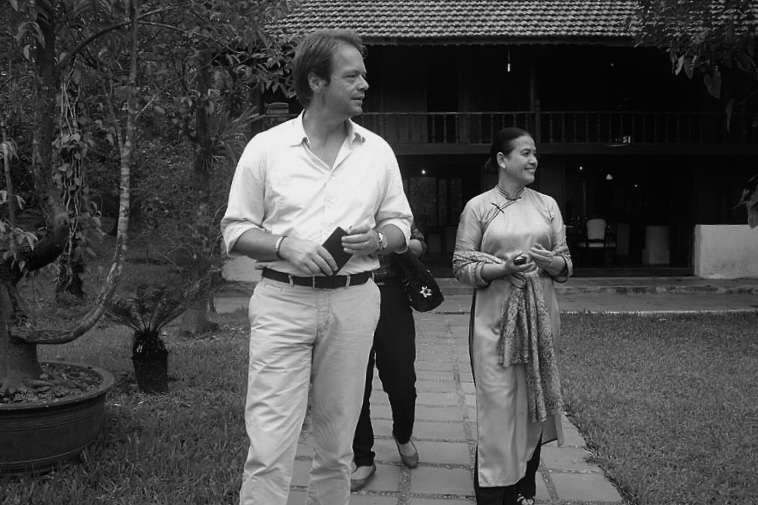
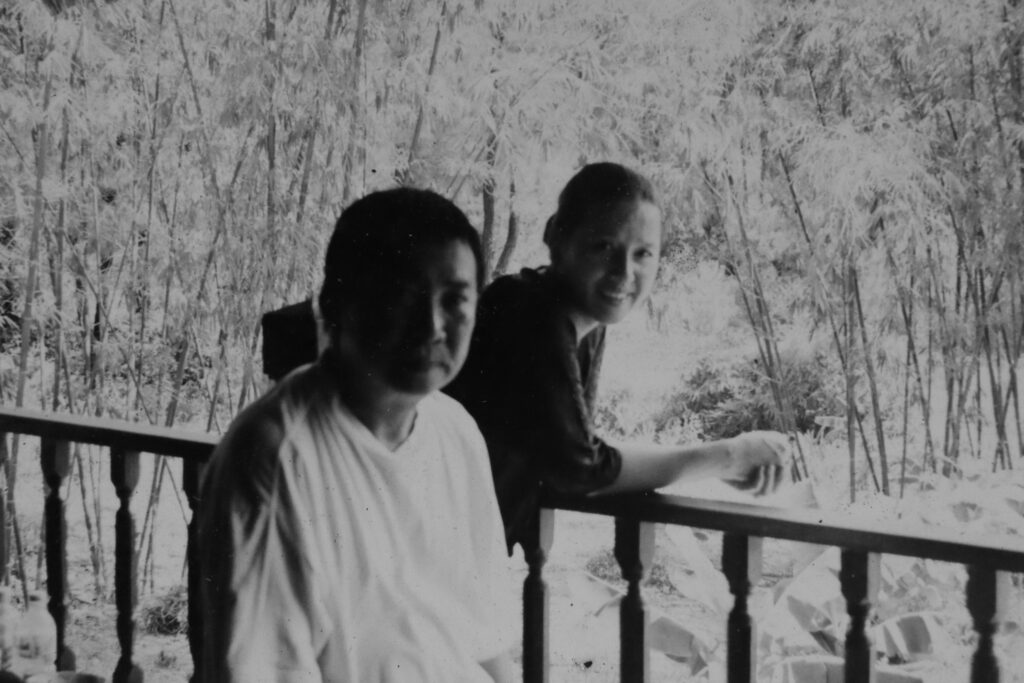
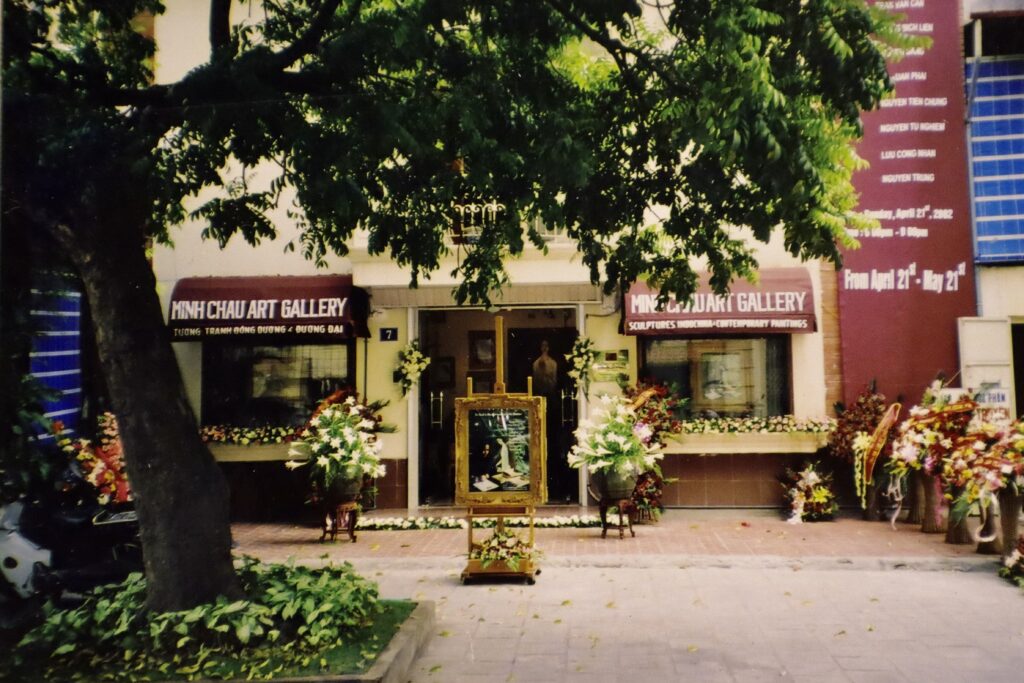
For Boi Tran Garden, Dream of Dreams also marks the continuation of a longer trajectory. Rooted in a journey that began in the early 1990s, the garden emerges here not as a finished institution but as a living environment, shaped by encounters, friendships and shared commitments to art. The presence of artists, collectors, and a younger generation entering their own creative paths lends the project both continuity and renewal.
In this sense, the exhibition proposes a simple understanding. Dreams are never isolated. They move alongside one another, intersect, and extend beyond the individual. Within the space of art, they find a form of quiet transmission, unfolding across time, carried forward by those who continue to imagine.
Opening: 20 March 2026, 16:00
Public exhibition: 21–23 March 2026, 9:00 - 17:00 (Open to the public | Free admission)
Venue: Boi Tran Garden, Kim Son Hill, Bui Dinh Tuy, Thuy Xuan, Hue, Vietnam