A Drawing That Refused to Become an Event: Diep Minh Chau and Boi Tran, 1994
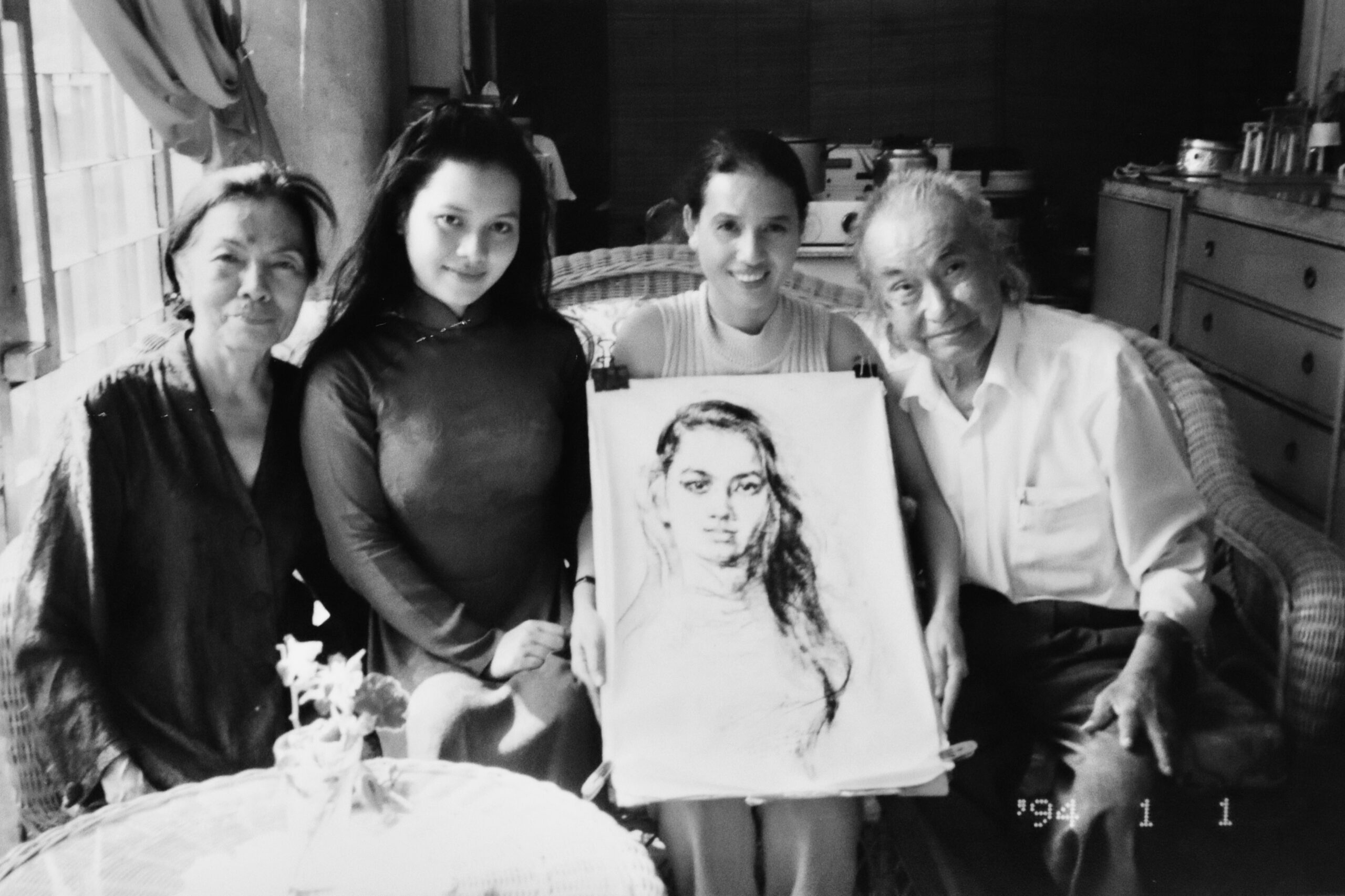
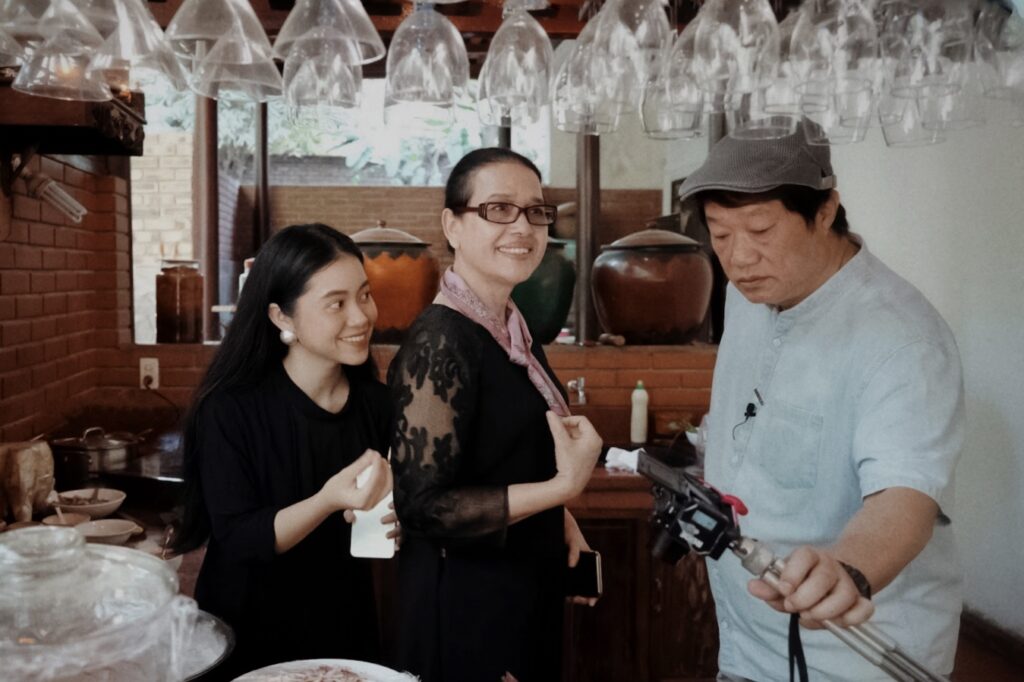
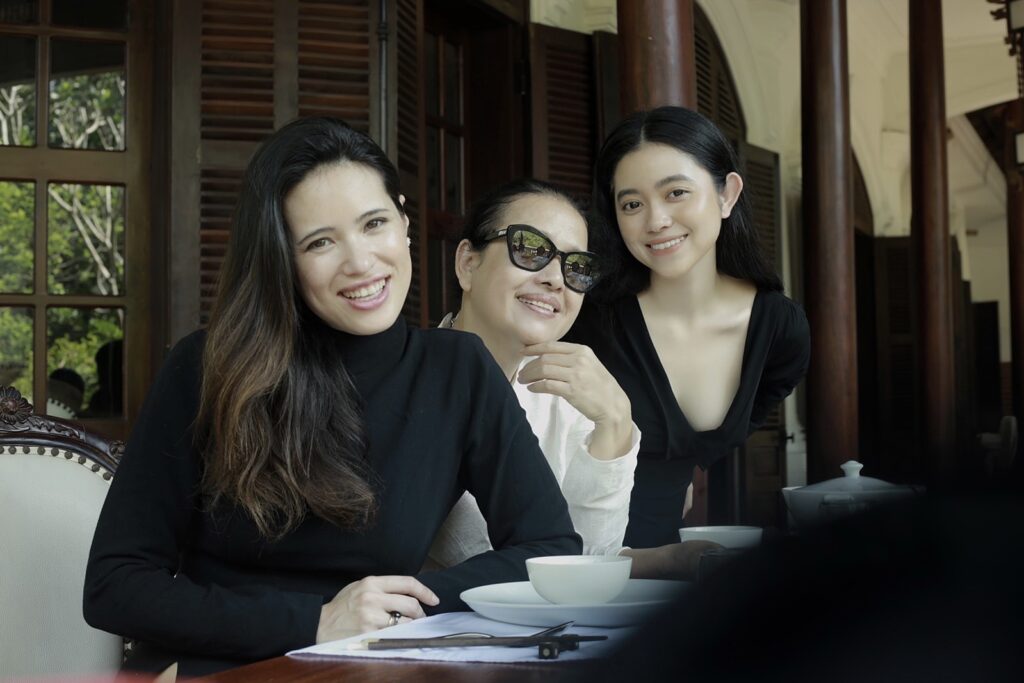
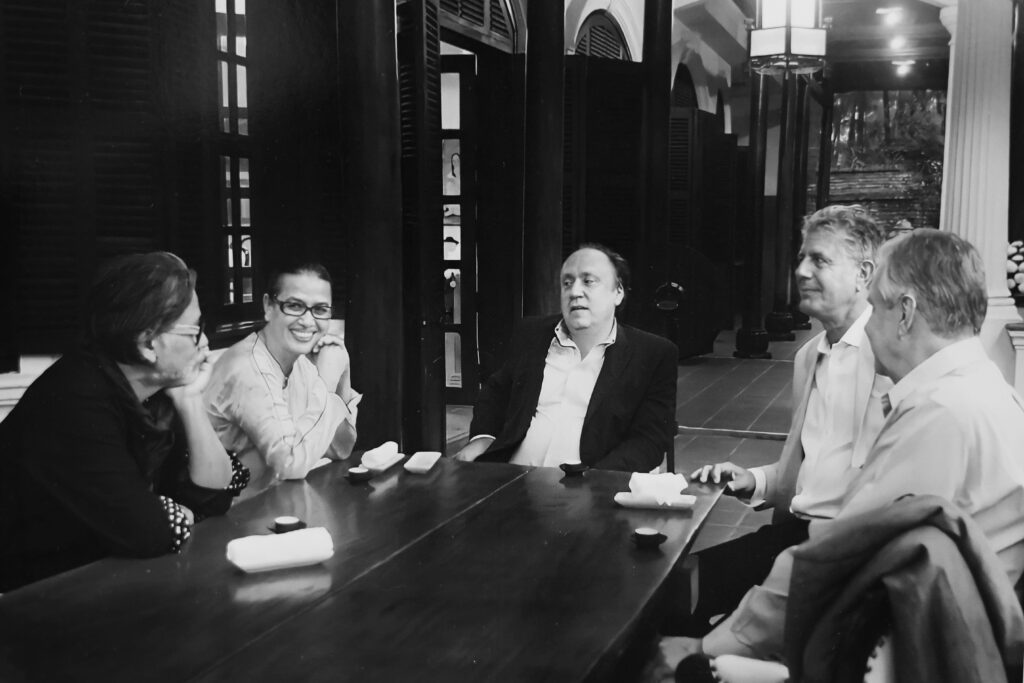
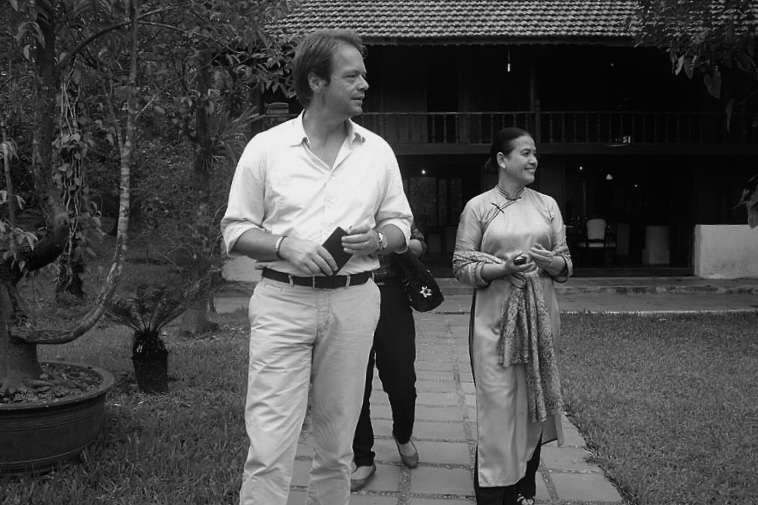
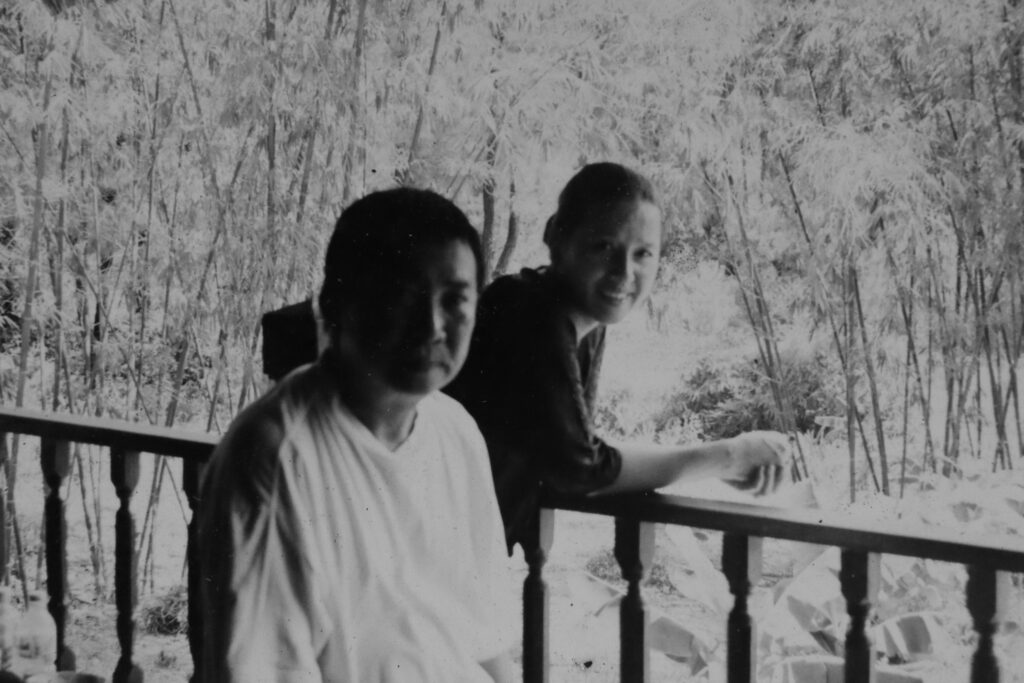
Diep Minh Chau’s wife, Minh Chau, Boi Tran and Diep Minh Chau at his atelier in Saigon, 01 January 1994

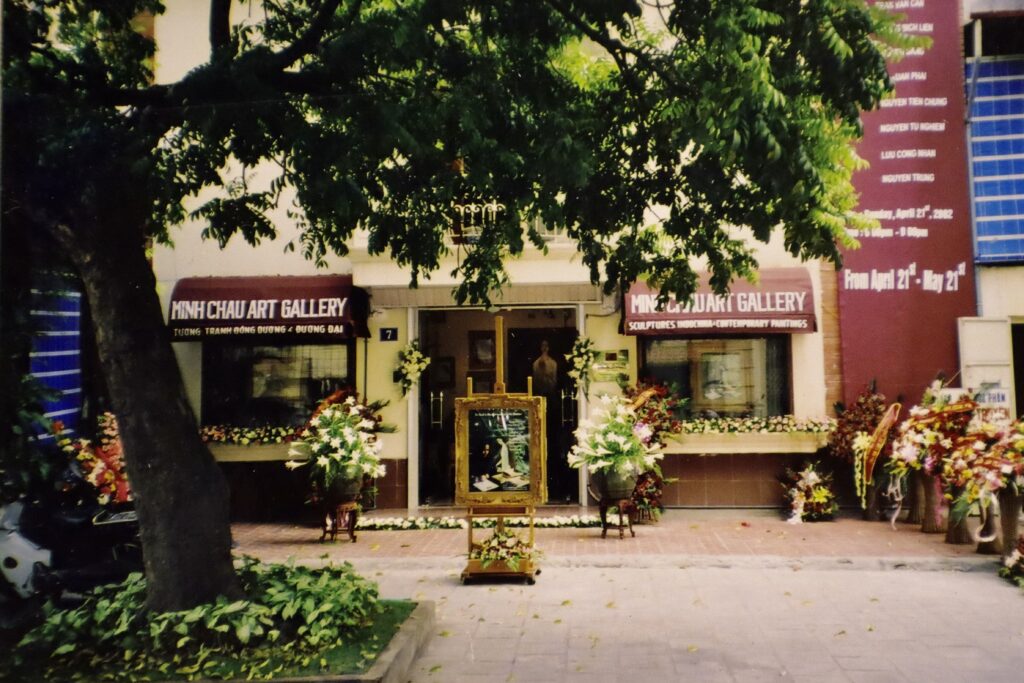
Not every drawing begins as art. Some begin as an encounter, and remain there, without seeking to become anything beyond it. In 1994, in Saigon, within the quiet interior of his atelier, Diep Minh Chau turned away, for a moment, from the weight of history and from the demands of form, and directed his attention toward two presences before him, Boi Tran and Minh Chau of Minh Chau Art Gallery. There was no audience, no framing, no intention to preserve the moment. A sheet of paper, a pencil, and a line that began without declaration.

What took place did not announce itself. It did not require explanation. The act remained where it occurred, held within the proximity of those present. To draw, in this instance, was not to produce an image, nor even to capture likeness, but to remain with what was there, to recognise a presence without transforming it into something else. The hand moved, but it did not impose. It followed, it listened, it acknowledged.

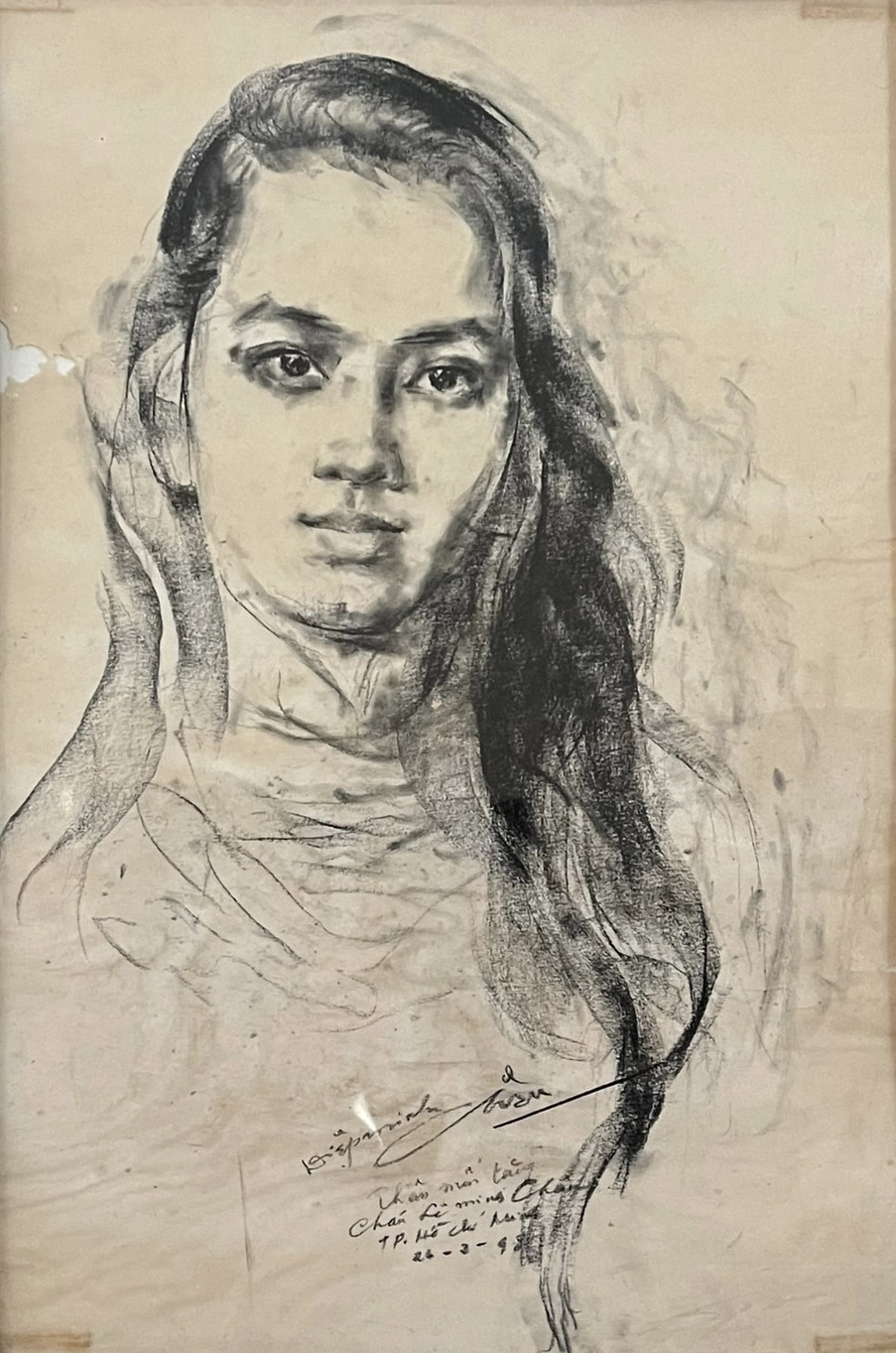
The drawings were not completed that day. They remained, suspended rather than unfinished, held in a state that did not ask for resolution. Years later, in February 1998, Diep Minh Chau returned to them. He signed Boi Tran’s portrait on the 20th, and completed Minh Chau’s shortly after, on the 28th. Time entered the work, yet it did not alter its origin. What began as observation returned as offering.
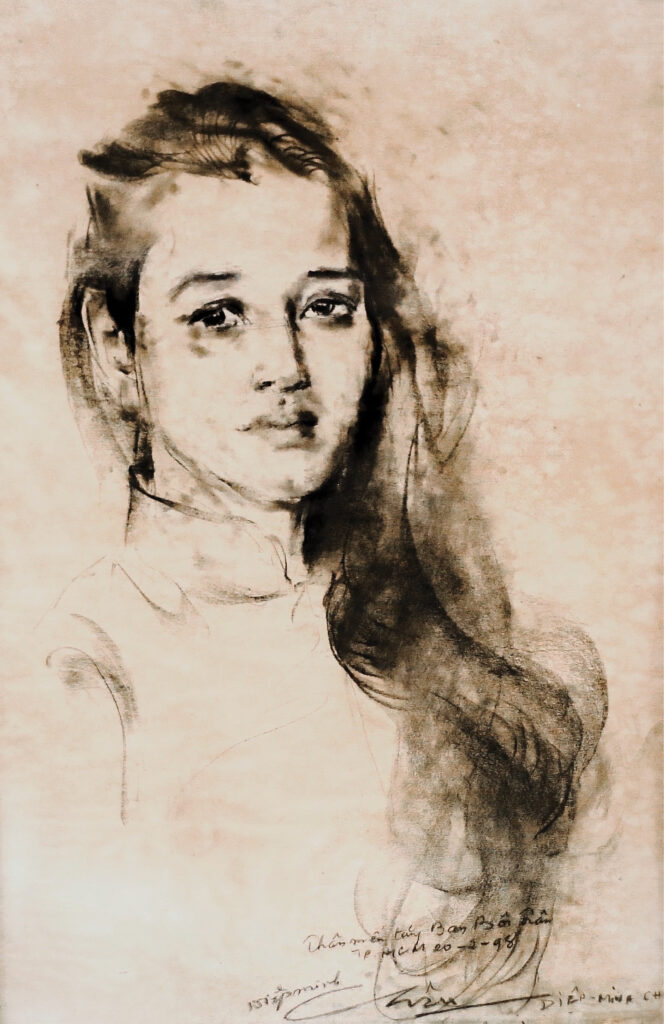
Diep Minh Chau (Vietnam, 1919-2000), Portrait of Boi Tran (Chân dung Bội Trân), 1998, signed and dated ‘TP HCM 20.2.98 DIÊP-MINH-CHÂU’ (lower right), inscribed ‘Dearly gifted to my dear friend Boi Tran’, drawing. Boi Tran Garden Collection
Diep Minh Chau (Vietnam, 1919–2002), Portrait of Minh Chau (Chân dung Minh Châu), 1998, signed and dated ‘TP HCM 26.2.98 DIÊP-MINH-CHÂU’ (lower right), inscribed ‘Dearly gifted to Le Minh Chau’, drawing. Boi Tran Garden Collection.

“Dearly gifted to my dear friend Boi Tran.”

The words are direct, without ornament. They do not elevate, nor do they interpret. They simply name a relation, and in doing so, leave nothing uncertain. By that time, Diep Minh Chau had already assumed a singular position within Vietnamese art. Trained at the École des Beaux-Arts de l’Indochine, shaped by the years of resistance, and later recognised with the Ho Chi Minh Prize in 1996, his practice moved between painting and sculpture, between the articulation of individual presence and the weight of collective memory. And yet, in these drawings, that trajectory recedes.

There is no monument here, no narrative of struggle, no symbolic structure to hold the work in place. Instead, there is a return to the immediate, to the presence of another, to a line that does not describe but acknowledges. It is perhaps in such moments that the measure of an artist becomes most visible, not in scale, nor in recognition, but in the capacity to see another, and to render that presence without imposing upon it.

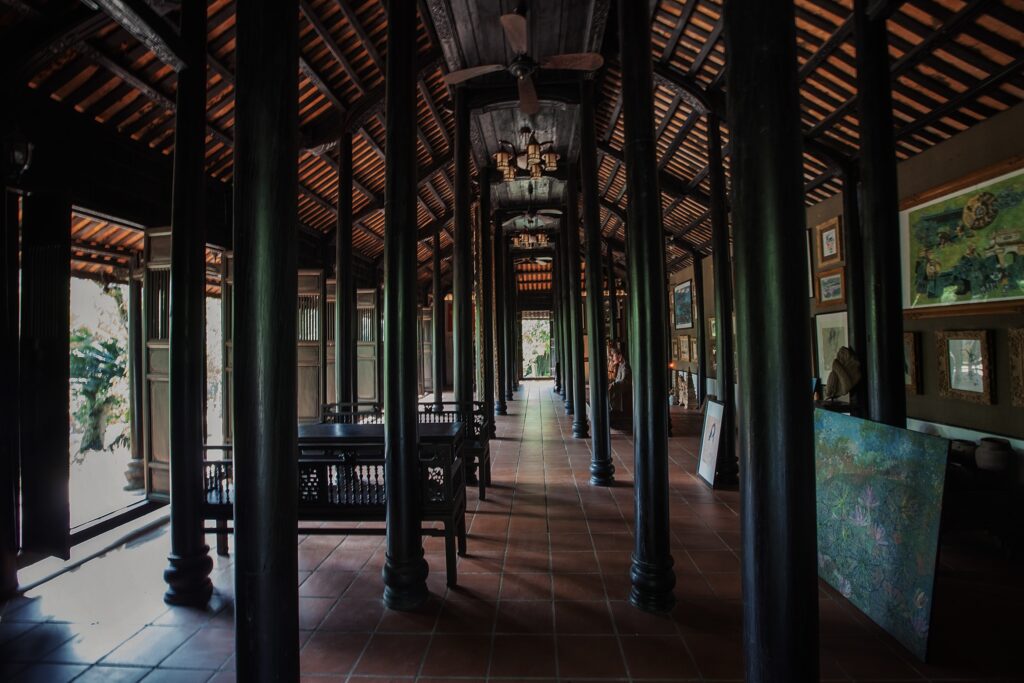
For Boi Tran, these drawings do not stand as portraits alone. They belong to a continuity that would later find form in Boi Tran Art Gallery, and further still in Boi Tran Garden, where art is not separated from life, nor elevated into distance, but held within the conditions of living itself. What was recognised in 1994 was not a role, nor a position, but a presence, one that did not require explanation, only to be seen. And when Diep Minh Chau returned in 1998 to complete and sign the works, he did not conclude the gesture. He affirmed it. A line, once drawn, remains.
You may also like

Minh Duc Trieu Tam Anh

Lines of Noble Regard: The Venerable Giới Đức (Minh Đức Triều Tâm Ảnh) Writes for Boi Tran, 2004

Dr Phan Thanh Hai & Artist Boi Tran

Boi Tran, The Woman Who Paints the Dream of Hué

Boi Tran, “The Elegants Of Hué”, 2015, or The Inevitable Choice of Distinction Against Fate

Boi Tran, “The Elegants Of Hué”, 2015, or The Inevitable Choice of Distinction Against Fate

Christie’s Paris | The Phoenix Glue and the Broken Silk Thread: Important Vietnamese Artworks from the Melchior Dejouany Collection

Christie’s Paris | The Phoenix Glue and the Broken Silk Thread: Important Vietnamese Artworks from the Melchior Dejouany Collection

Boi Tran Garden, an Artistic Space Imbued with the Spirit of Hue

Christie’s Paris | Women in Art From the XVIth to the XXIst Century, or Boi Tran: When a Singular Presence from Vietnam Does Not Remain in the Shadows

Éternité Magazine | Cloud Landing Collection by Photographer Tran Dinh Thuc Doan

Éternité Magazine | Cloud Landing Collection by Photographer Tran Dinh Thuc Doan

The Hue To Go by KF Seetoh | Royal Cuisine & Cultural Interview at Boi Tran Garden

Anne-Solenne Hatte’s “La Cuisine De Bà”, or “Tasting Vietnam” at Boi Tran Garden

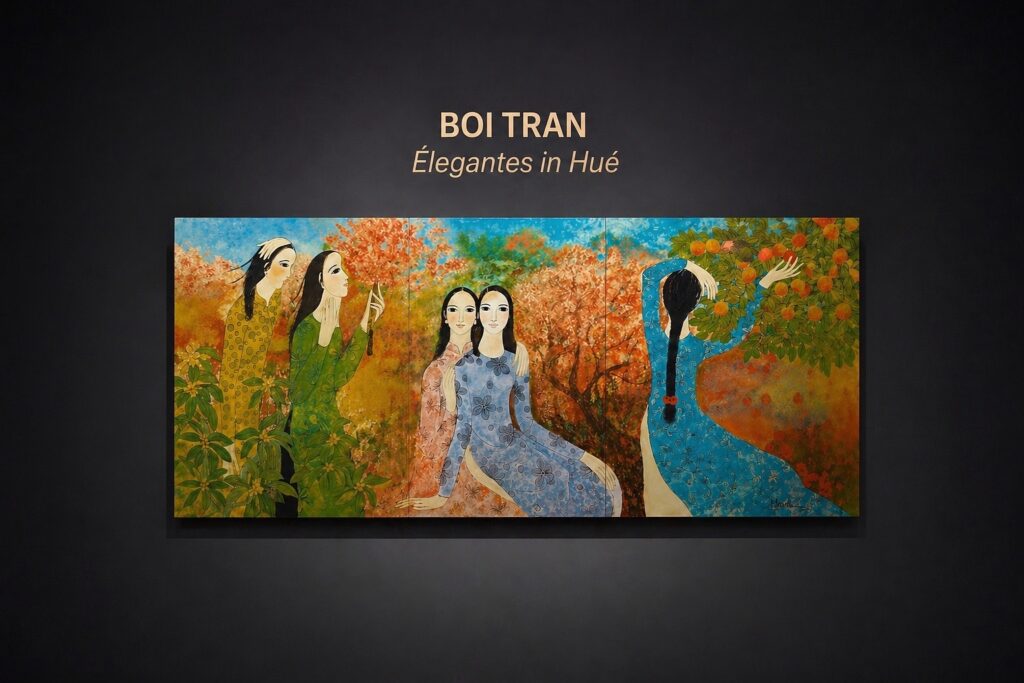
Elégantes in Hué | lacquer on panel (triptych) | each 120 x 80 cm (47 1/4 x 31 1/2 in.), overall 120 x 240 cm (47 1/4 x 94 1/2 in.). Hammered Price: USD 15,189 at Ravenel: Select Modern & Contemporary Art, Vietnamese Modern Art, 2019

Ravenel, Vietnamese Modern Art, or the Architecture Of Elegance and the Discipline of Beauty in Boi Tran

Boi Tran (Vietnam, B. 1957)
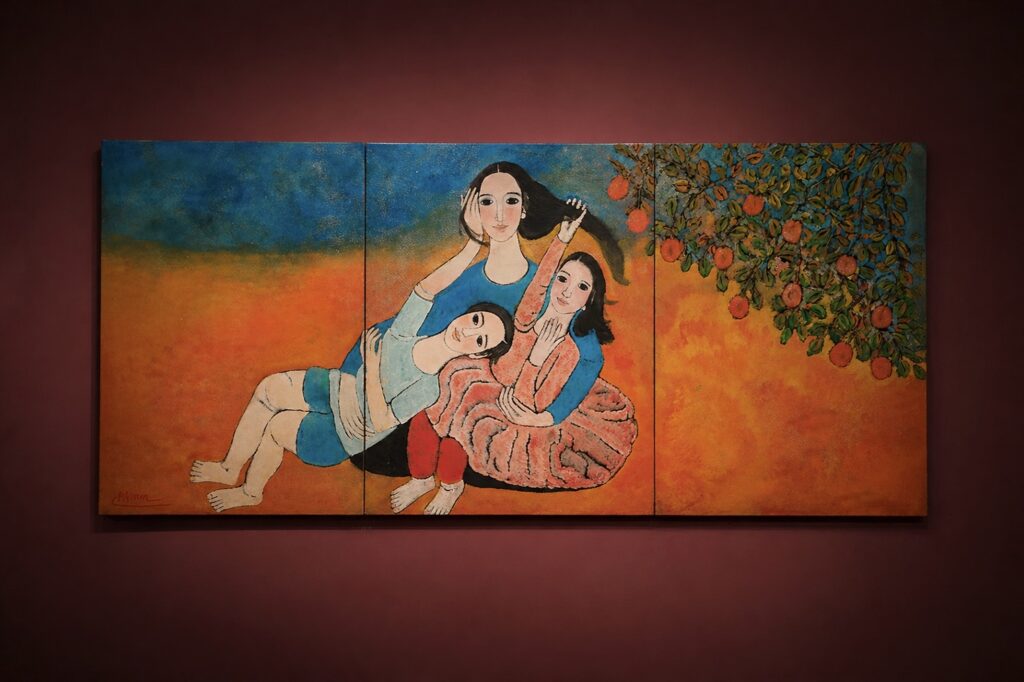
Mother and Children
signed 'Btran' (lower left)
lacquer on panel (triptych)
each 120 x 80 cm. (47 1/4 x 31 1/2 in.)
overall 120 x 240 cm. (47 1/4 x 94 1/2 in.)
Painted in 2010

Thanh Nien News | Complete Transcendence

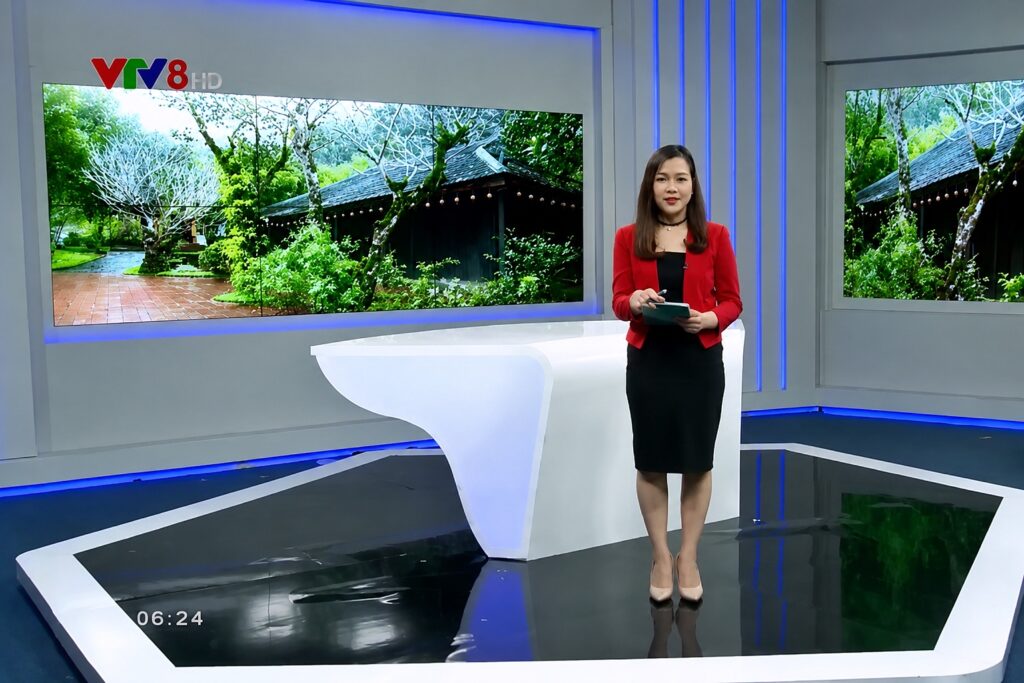
VTV8 | The Elegance of Hue Continues at Boi Tran Garden

VTV8 | The Elegance of Hue Continues at Boi Tran Garden

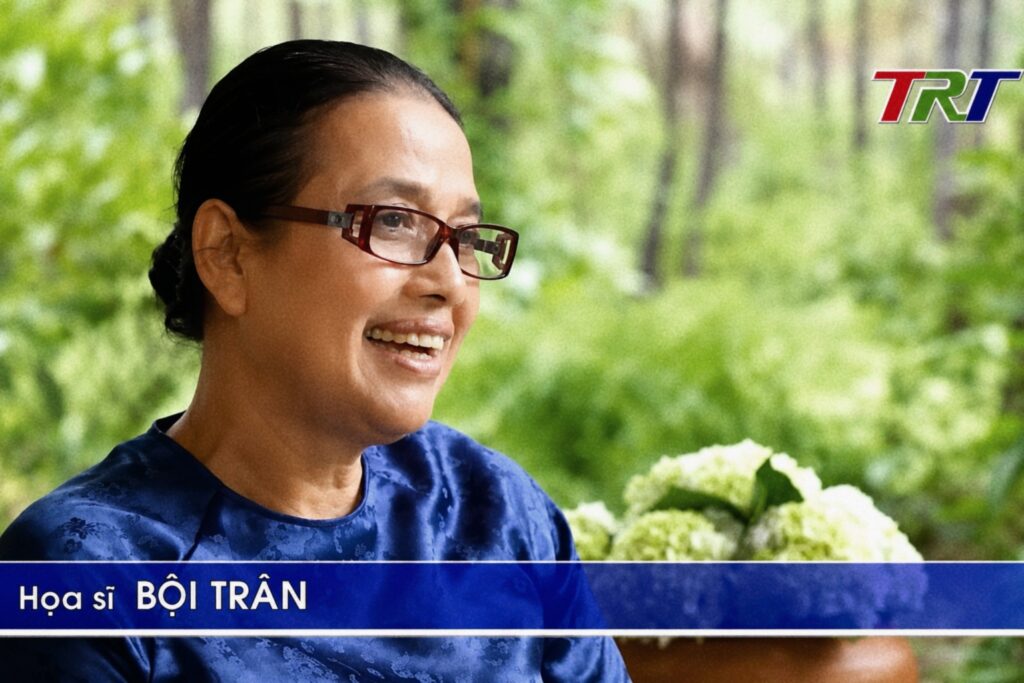
TRT

Boi Tran – Hue Elegance, or The Quiet Strength of Hue: Boi Tran and the Interior World of Beauty

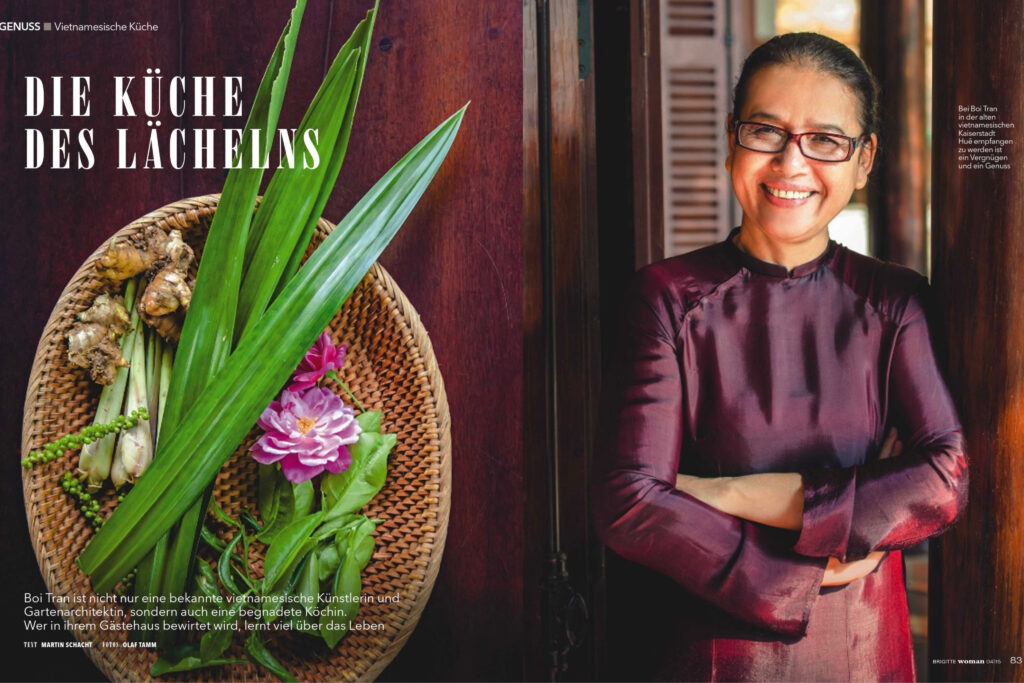
Brigitte Woman: The Kitchen of Smiles

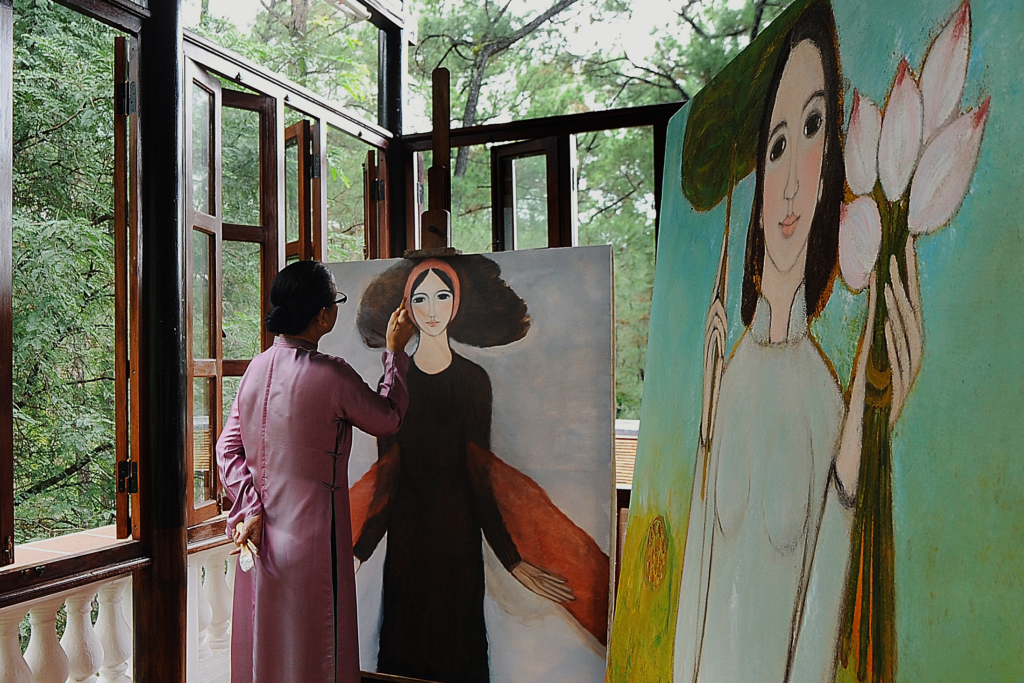
Painter Boi Tran depicting her oil painting in 2014

Best of Both Worlds: The Road Ahead Remains Open, The Painter of Poetic Hue

Hoang Vien Restaurant, Founded and Managed by Artist Boi Tran

DestinAsian Magazine: Hungry for Hue

Boi Tran and the Language of Taste | A Fork in Asia’s Road: Best Bites of an Occidental Glutton

Anthony Bourdain at Boi Tran Garden | CNN Parts Unknown: Vivacious in Vietnam

ZDF Journalist Peter Kunz and Painter Boi Tran

Peter Kunz and the Gentle Beauty of Boi Tran Garden: A Conversation of Hearts

Travel + Leisure: Vietnamese Food, The Ultimate Food Guide

madonna

Boi Tran’s ‘Madonna’, the First Time Presented and Phenomenally Hammered at Sotheby’s in 2008

Tran Ninh Ho's Handwriting to Boi Tran, 2005, "To love and esteem Artist Boi Tran and your family. Hanoi, Early Summer 2005."

Boi Tran’s Art Graces the Cover of Poet Tran Ninh Ho’s Poetry Publication

Boi Tran and Nguyen Trong Tao, 2017.

Youth, Flowers, and the Quiet Language of Boi Tran’s The Young Girl and the Flowers

‘I and The Call from Within’ Exhibition: Nguyen Trung on Boi Tran’s World of Grace and Art

The Rebirth of Ancient Houses: Architecture, Memory and the Return to Hue Or Boi Tran and a Return to Living Heritage

Small and Miniature Paintings by the Masters at Minh Chau Art Gallery

Minh Chau Art Gallery: A Quiet Keeper of Vietnamese Legacy

Hue to the World: Boi Tran Art Gallery, A Pioneer Recognised by Christie’s in 1999

Vinh Phoi

Vinh Phoi And Boi Tran Art Gallery: A Reference Letter, 1996, or the Simplest Form of Moral Authority and Trust in Art

Boi Tran and Buu Y, Boi Tran Art Gallery, Hue, 1995

A Prologue by Buu Y: Boi Tran Art Gallery and the First Form of Art in Hue