
Hue to the World: Boi Tran Art Gallery, A Pioneer Recognised by Christie’s in 1999
In the soft light of Hue, a letter arrived. It came quietly, in December 1999, from Christie’s, unassuming and sincere, crossing borders to acknowledge a pioneering art gallery that had long nurtured Vietnamese art with care, grace, and vision.
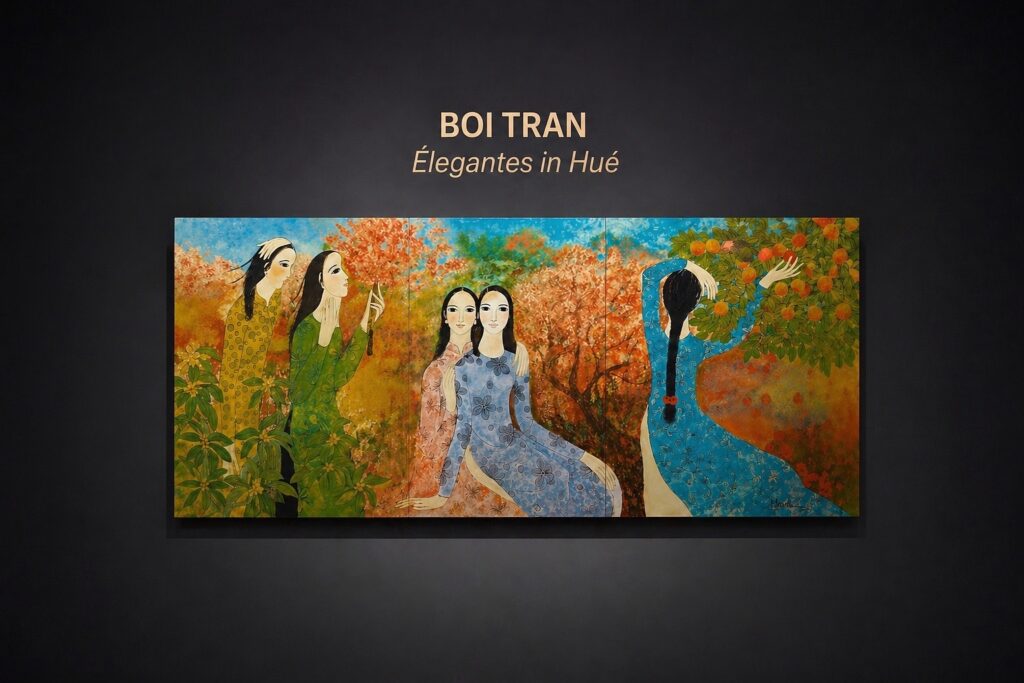
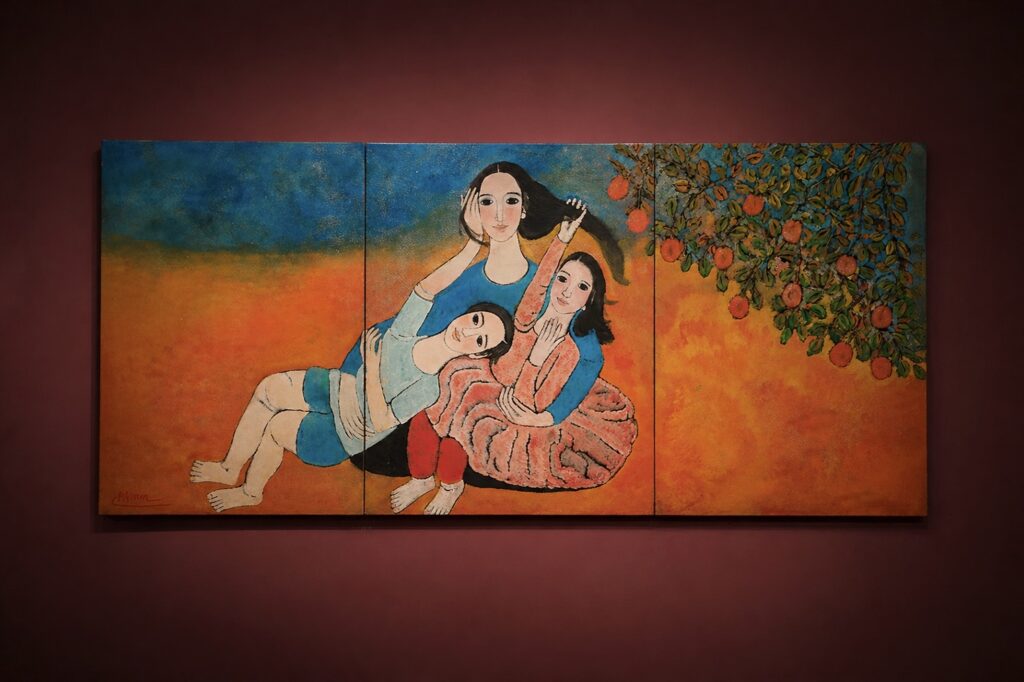
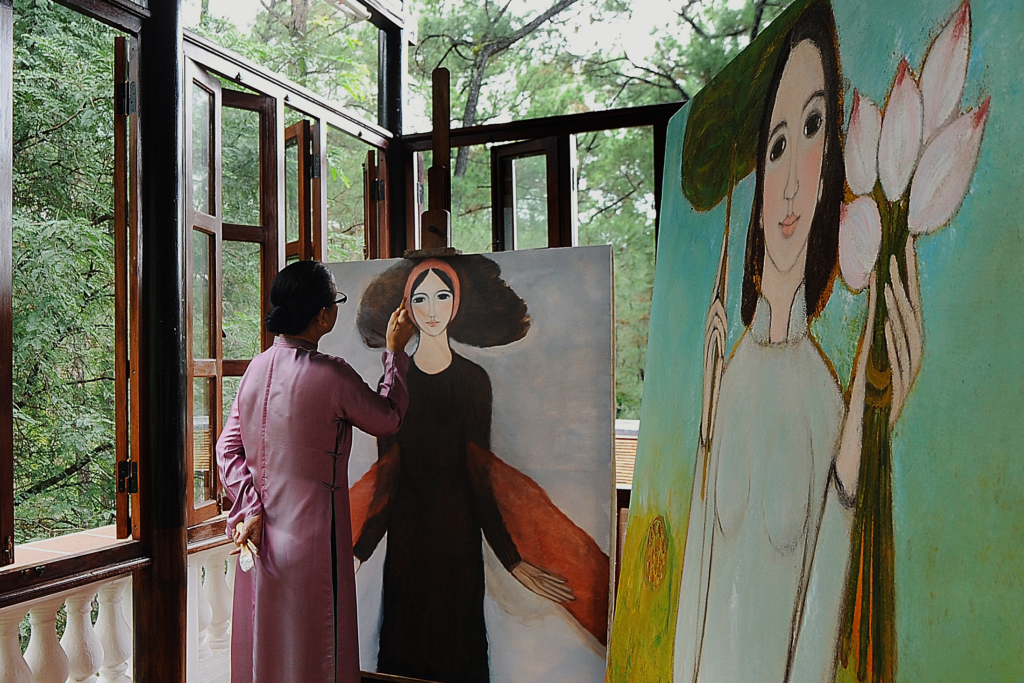
At that time, few in the world were truly listening to contemporary Vietnamese voices. But here, in the heart of Hue, Boi Tran had already opened her art gallery to artists and collectors seeking more than beauty, seeking meaning. The gallery had become a sanctuary, not just of paintings, but of stories, spirit, and heritage.
The letter from Christie’s was not a headline. It was something gentler, a moment of recognition.
And in that moment, Hue began to speak softly to the world. And the world began to listen.

In a quiet corner of Hue, a letter from Christie’s marked the beginning of something extraordinary. Recognising Boi Tran Art Gallery as a pioneer in Vietnamese contemporary art, this 1999 moment remains a testament to vision, connoisseurship, and global connection.
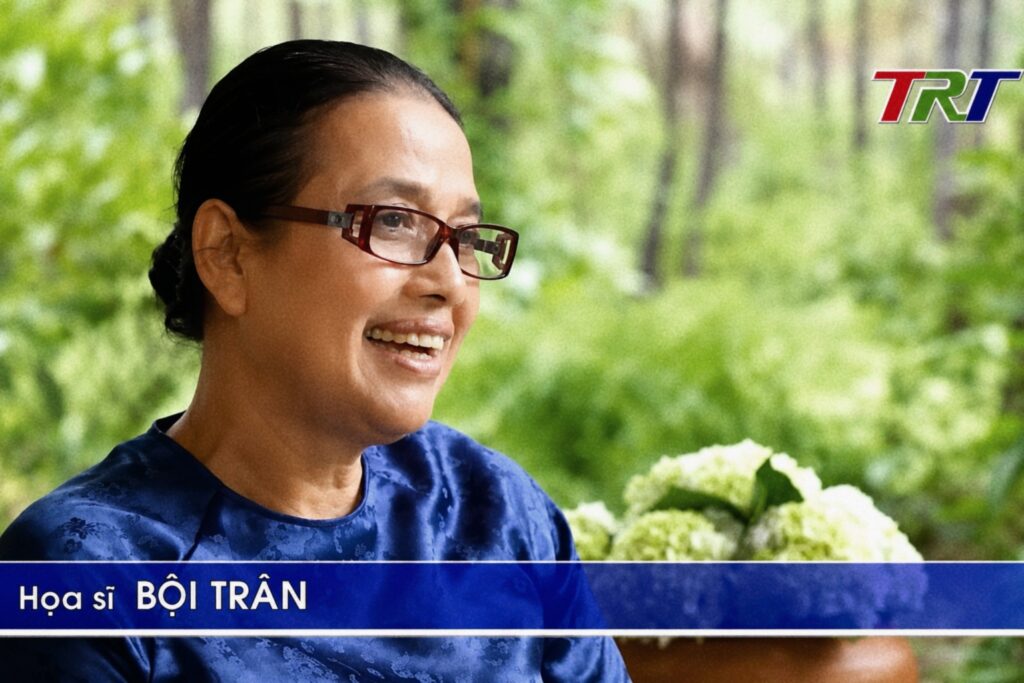
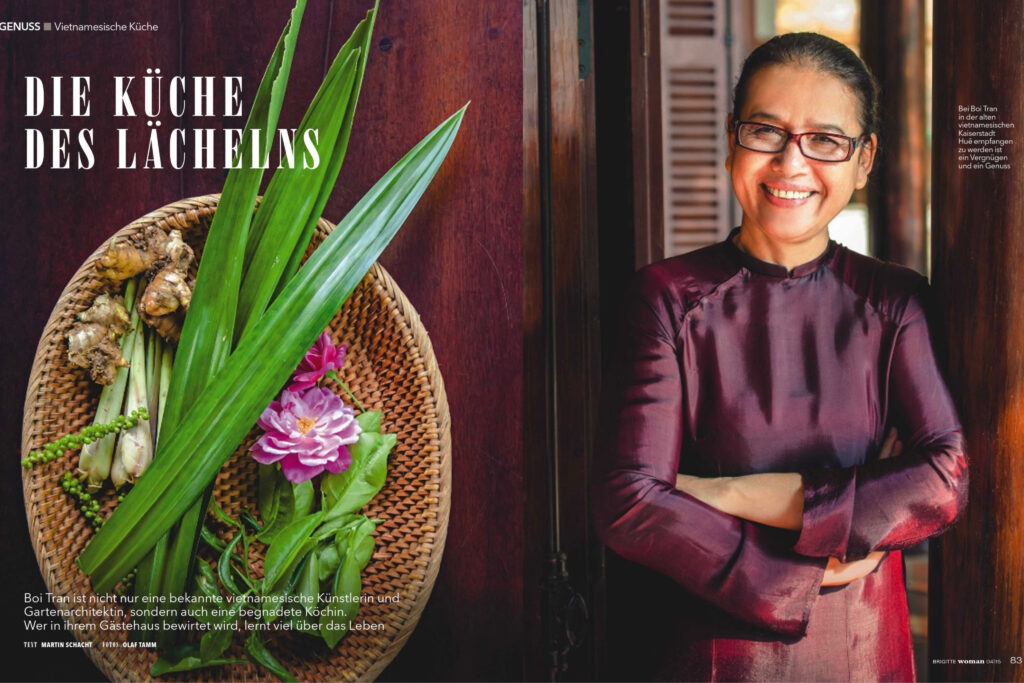
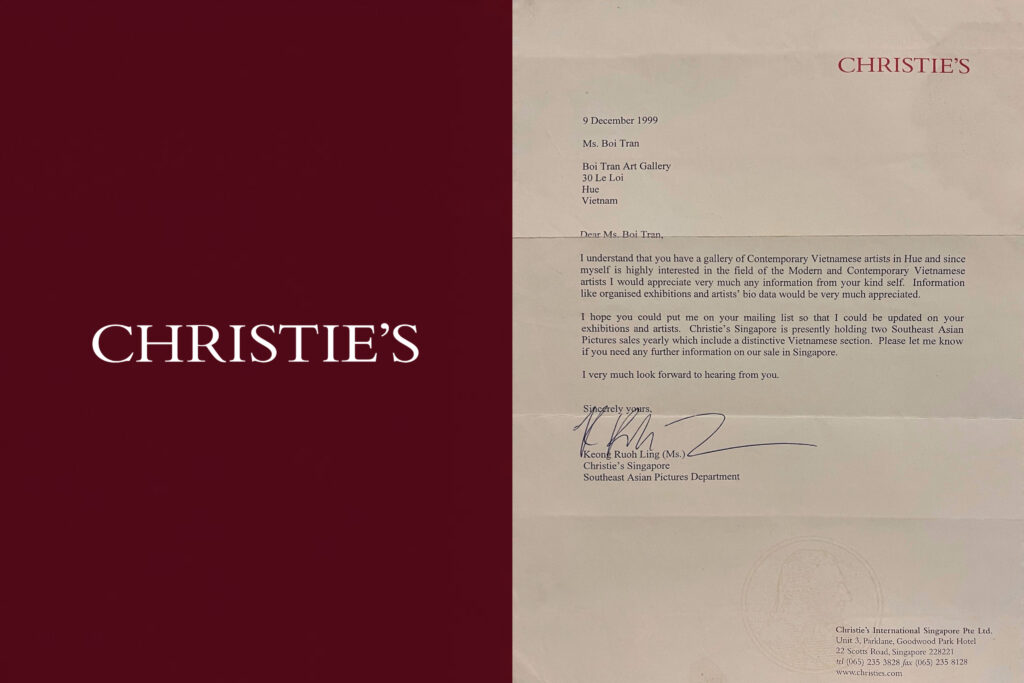
It was simple and graceful, typed on creamy paper, signed by hand, and addressed personally to Ms. Boi Tran, the founder of what would become known to many as Boi Tran Art Gallery (now Boi Tran Garden). Dated 9 December 1999, it came from Keong Ruoh Ling, head of the Southeast Asian Pictures Department at Christie’s Singapore.
The letter was more than correspondence. It was recognition.

I understand that you have a gallery of Contemporary Vietnamese artists in Hue… I would appreciate very much any information from your kind self.
Keong Ruoh Ling, Christie's Singapore
At the time, Vietnam was still on the cusp of global attention in the fine art world. Contemporary Vietnamese artists were emerging with strength, soul, and a language deeply rooted in history and transformation. But few galleries had the vision and devotion to gather, represent, and nurture these voices with true connoisseurship. Boi Tran did.
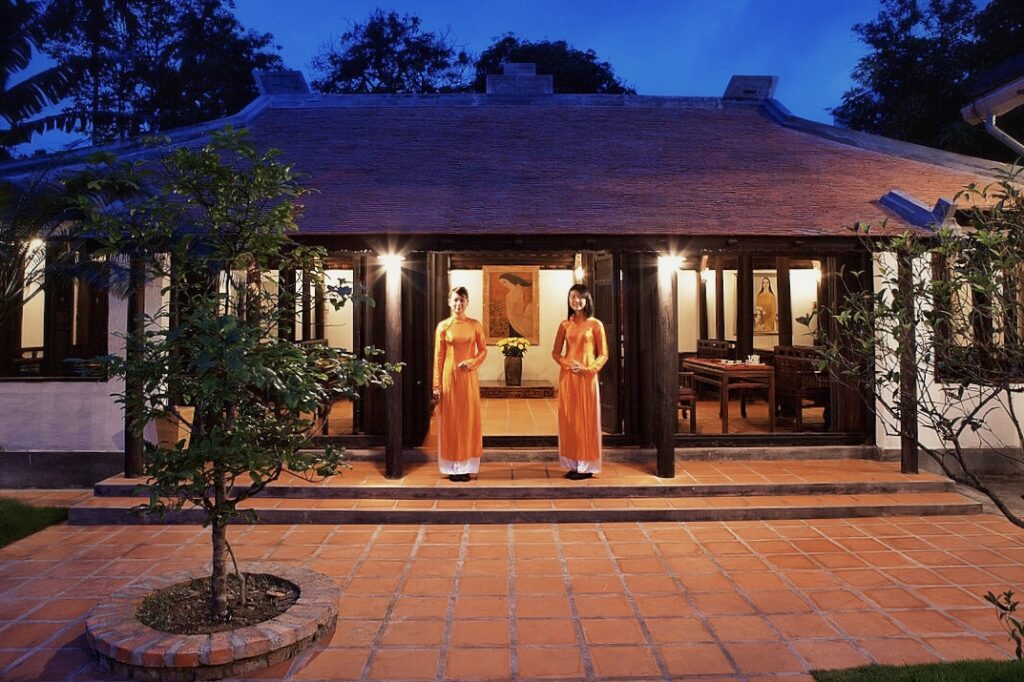
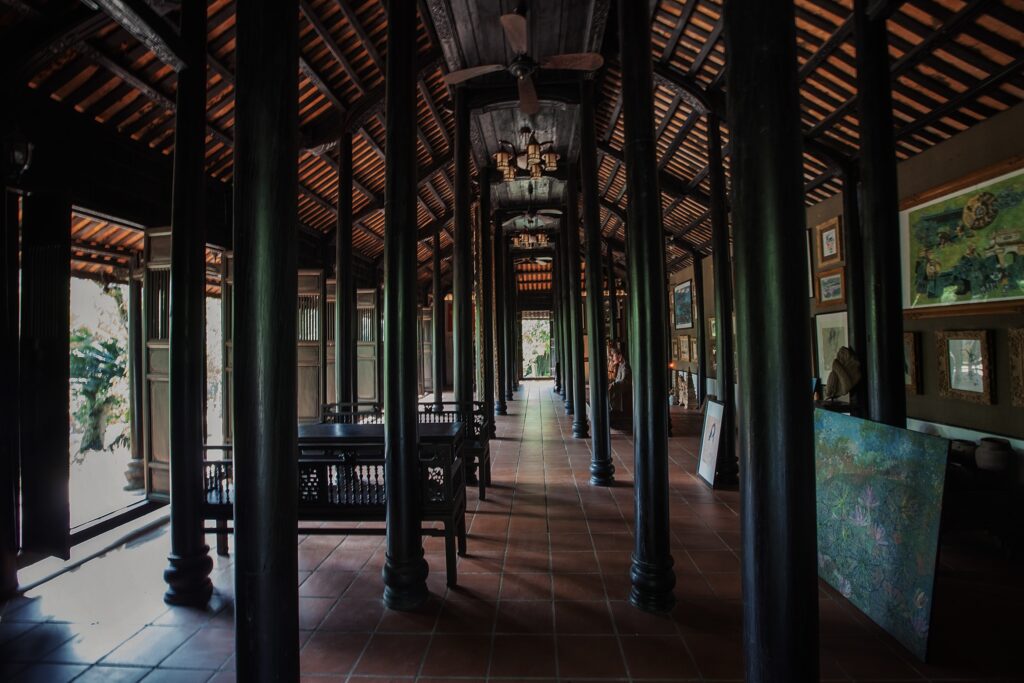
The gallery, nestled in Hue’s poetic heart, had already become a sanctuary for artists and collectors alike. Known not just for its curated collection but for its intimate atmosphere, cultural understanding, and bespoke guidance, Boi Tran’s work caught the eye of those far beyond Vietnam’s borders.
So when Christie’s reached out, not only recognising the gallery’s work, but inviting collaboration, asking for artist bios, and requesting to be added to exhibition mailing lists, it marked a quiet, monumental beginning.
It wasn’t a transaction. It was an opening.
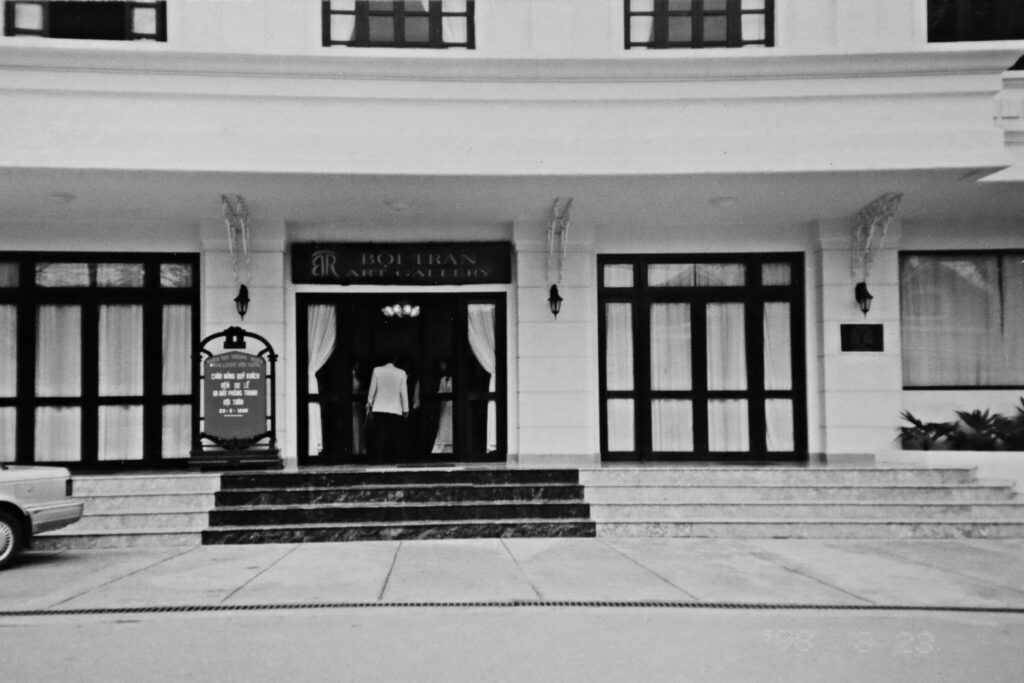


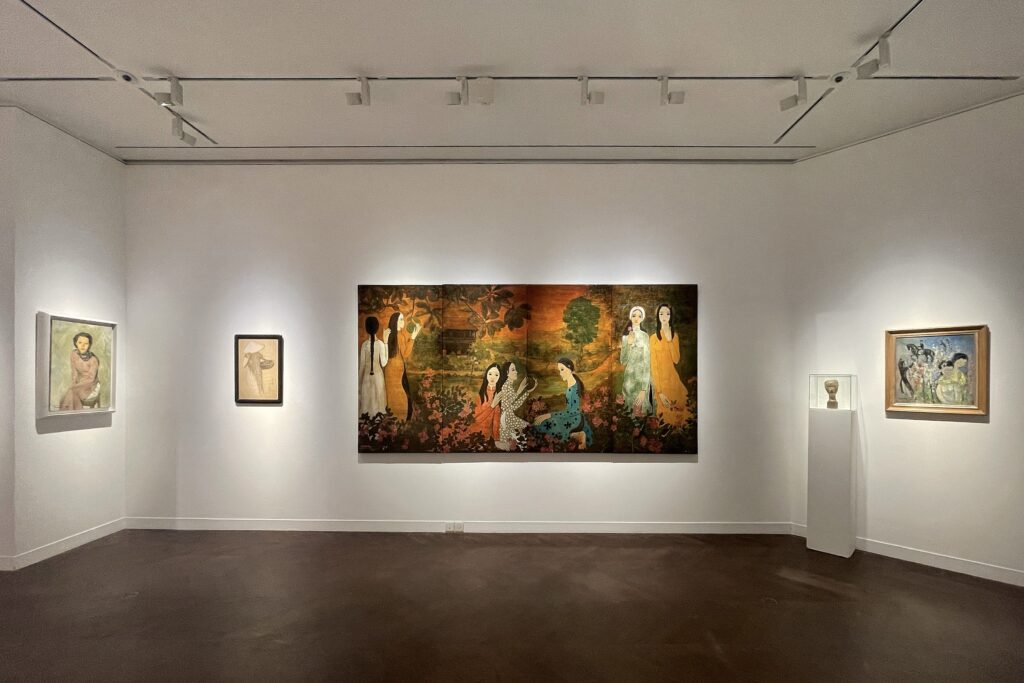
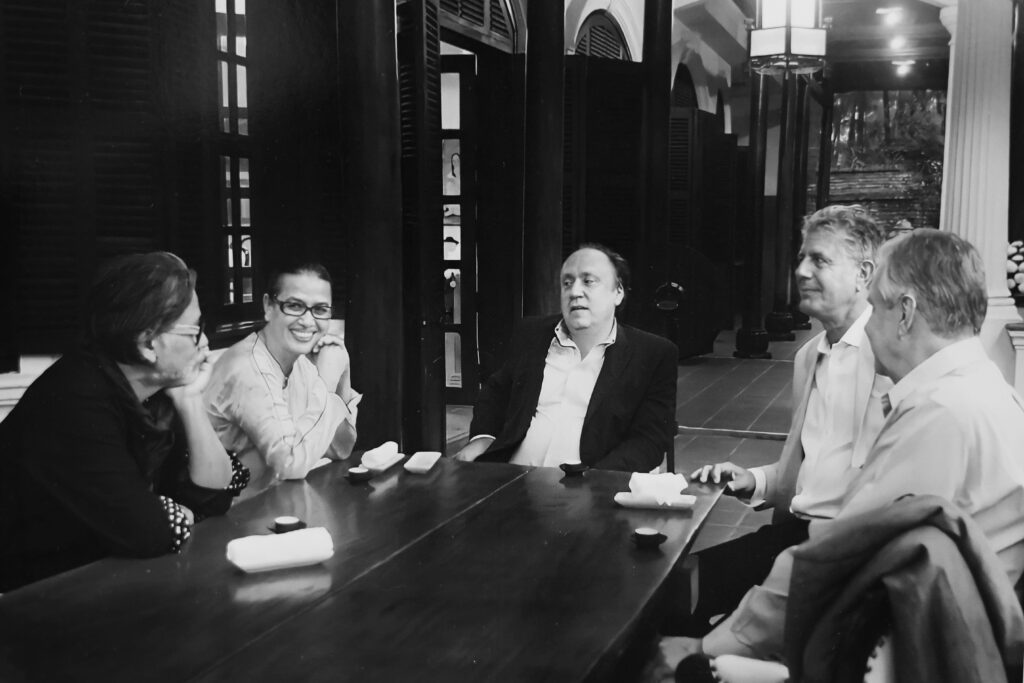
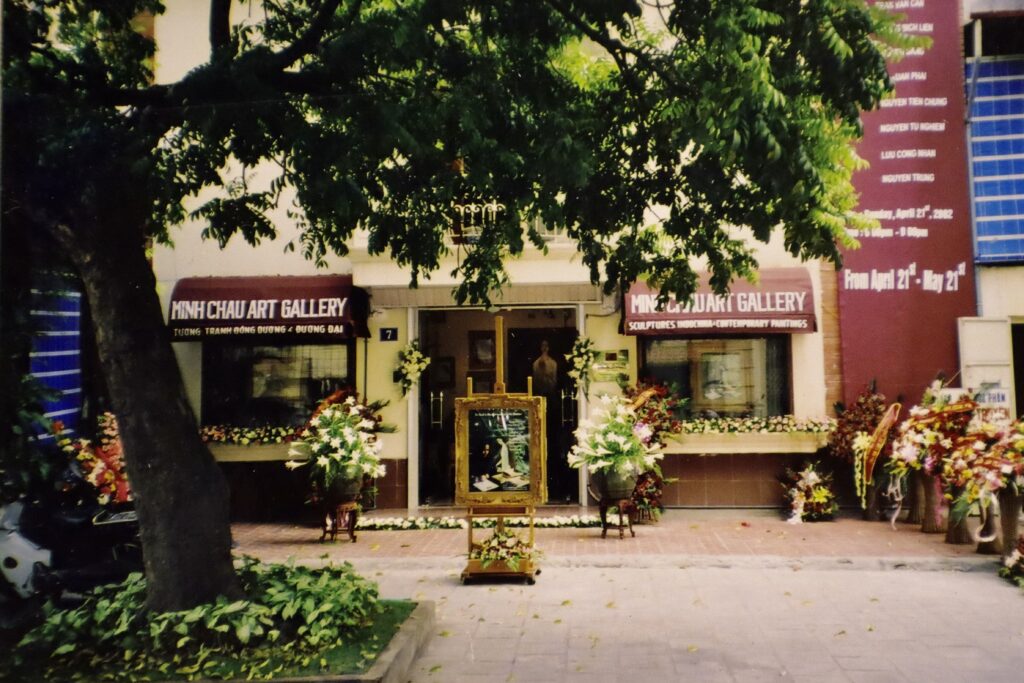
Boi Tran Art Gallery at Saigon Morin Hotel in 1998
More Than A Gallery
From that first letter in 1999, Boi Tran Art Gallery’s relationship with international art institutions began to take root. The gallery would go on to advise collectors, represent leading Vietnamese artists, and continue its mission to preserve, uplift, and share Vietnamese artistic heritage with the world.
For Boi Tran herself, the letter was not a surprise, but a reassurance. A confirmation that the quiet work of care, discernment, and cultural fidelity was being seen. And valued.
As we look back now, over two decades later, the letter remains framed in our memory—not only for its signature, but for what it symbolised: a moment when Hue whispered, and the world listened.
Original Excerpt from Christie’s (1999):
Christie’s Singapore is presently holding two Southeast Asian Pictures sales yearly which include a distinctive Vietnamese section… I very much look forward to hearing from you.
Keong Ruoh Ling, Christie’s International
The Legacy Continues
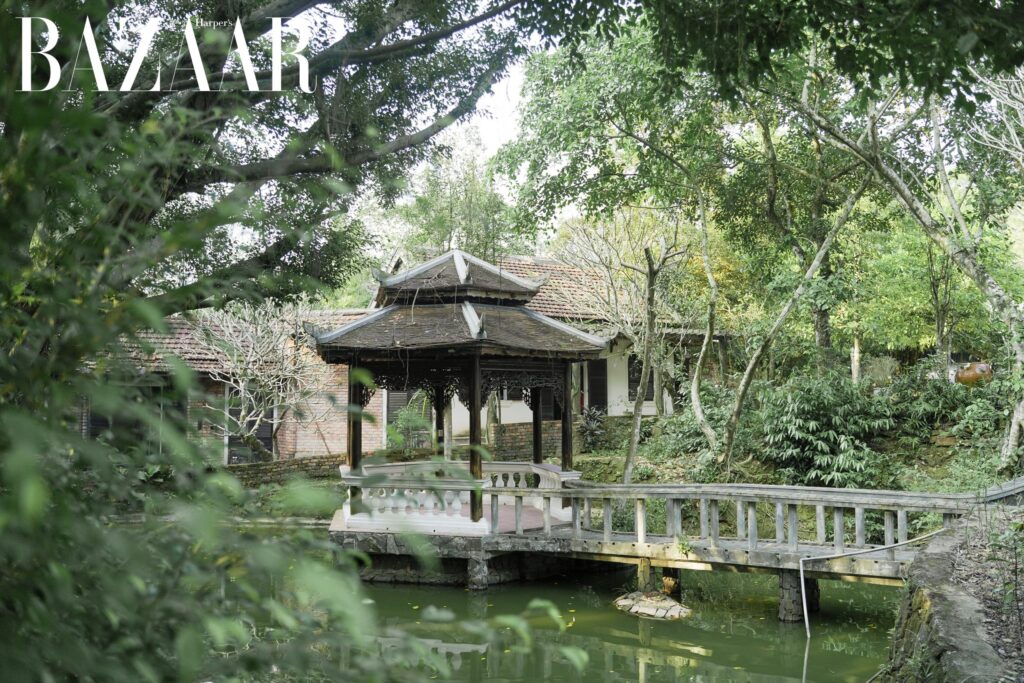
Today, Boi Tran Garden (known as Boi Tran Art Gallery) and the Vietnamese Art Archive continue to carry the torch, curating, documenting, and connecting artists with collectors who seek more than beauty: they seek meaning.
And every time we welcome a visitor from abroad, or an artist finds their place in the world through our walls, we remember that December letter, and the gentle knock from Christie’s.
Because sometimes, history begins with a letter.