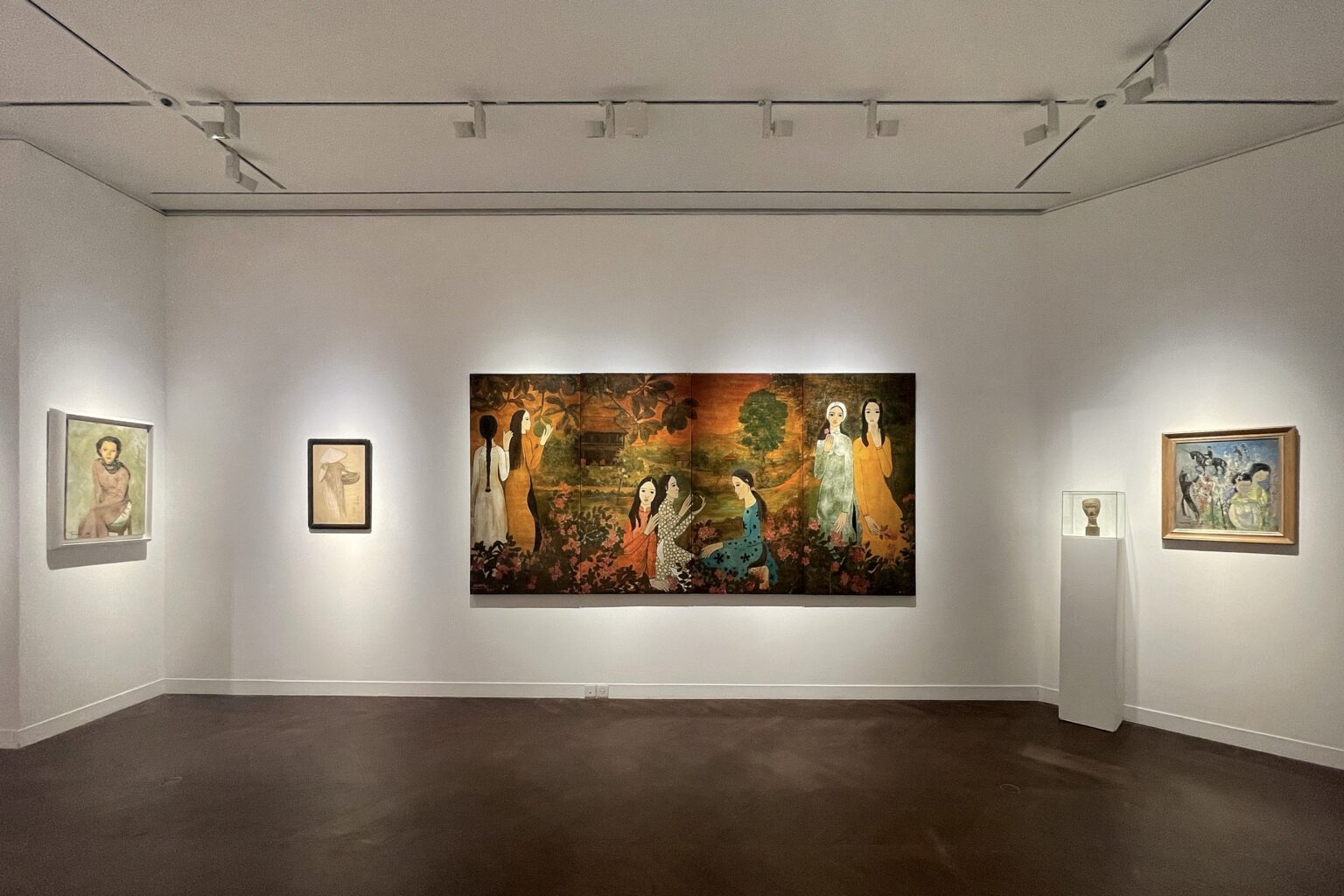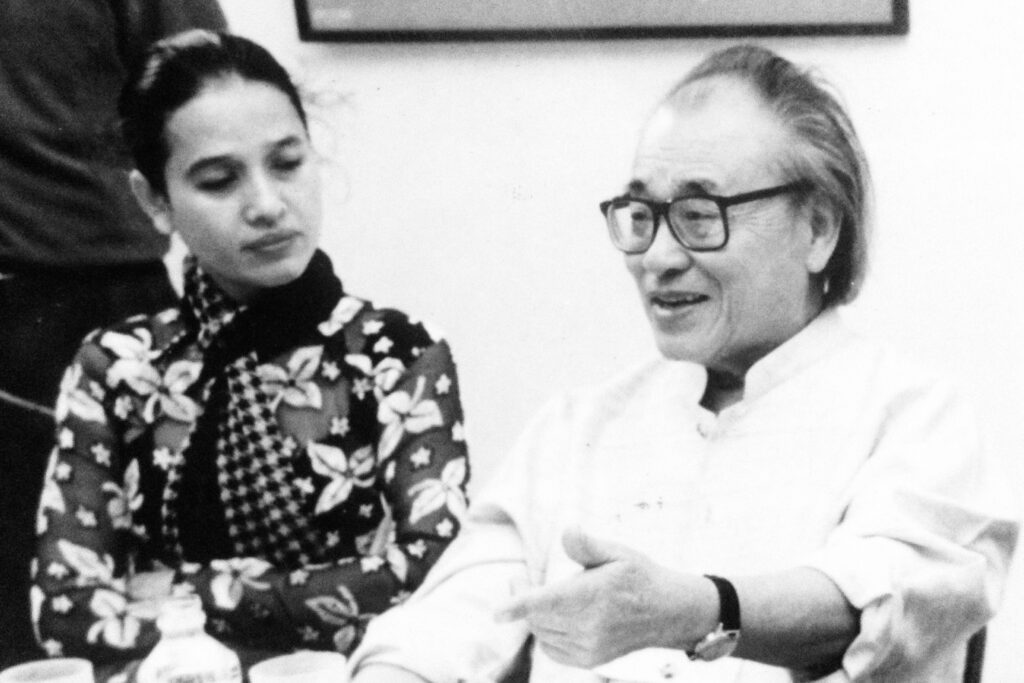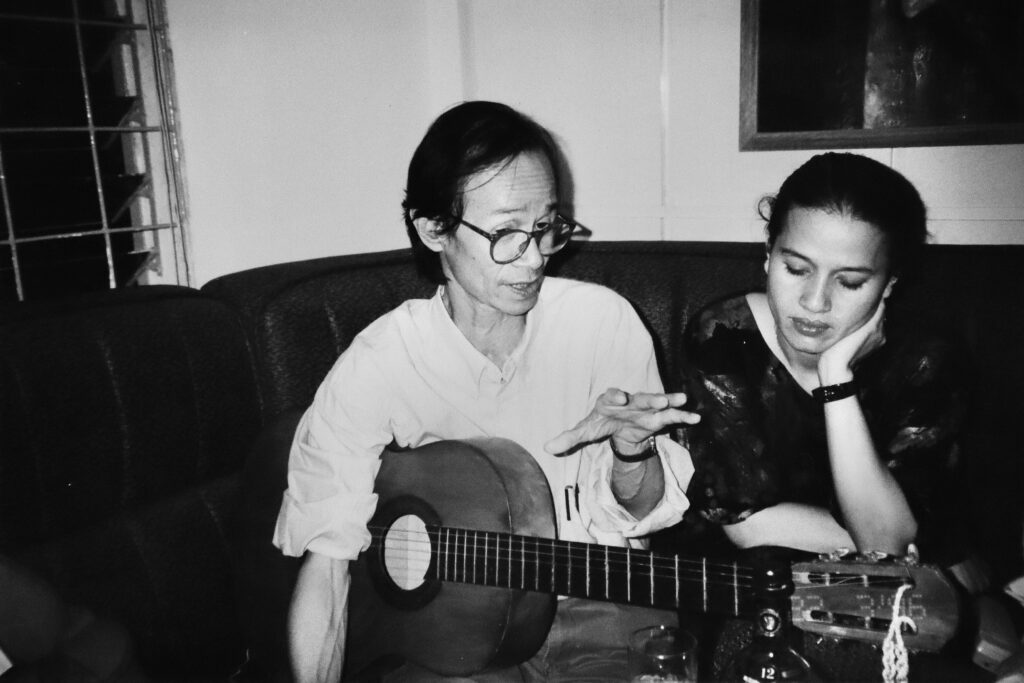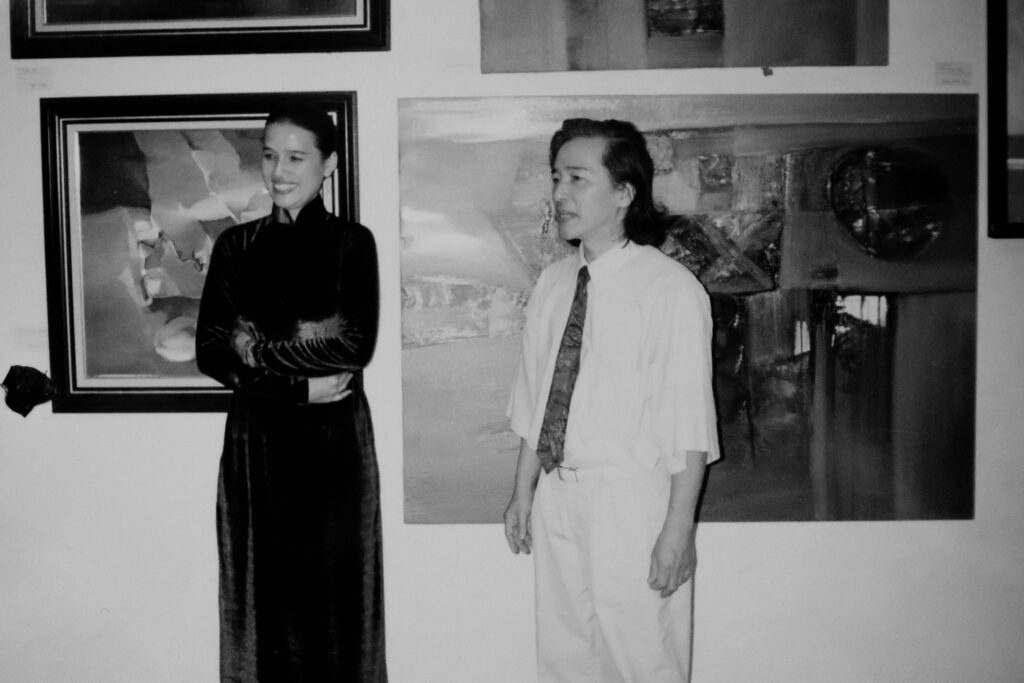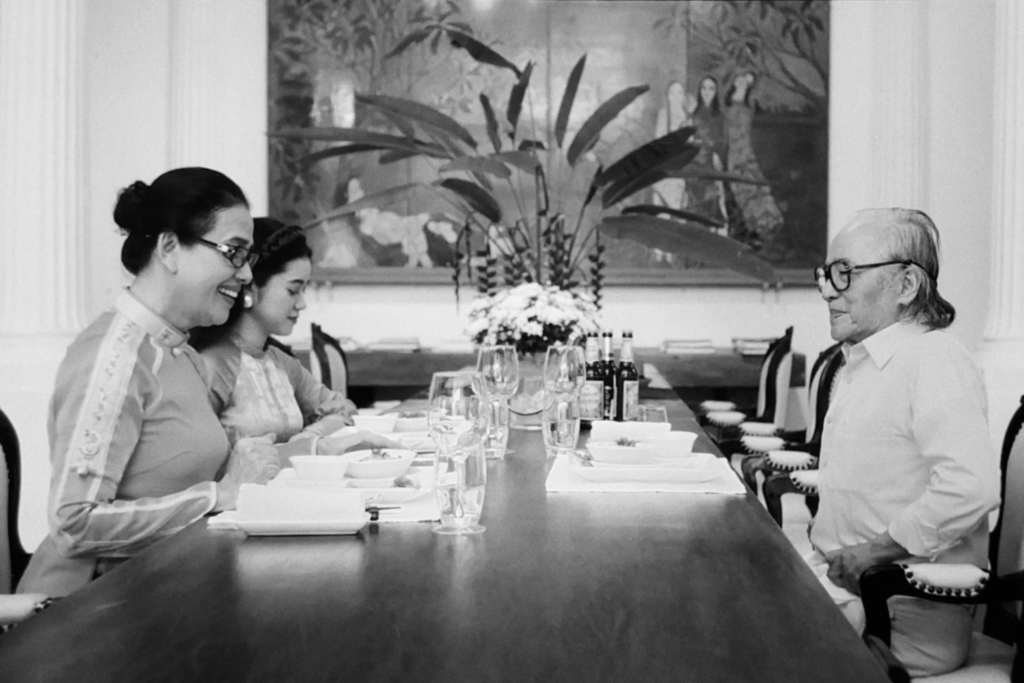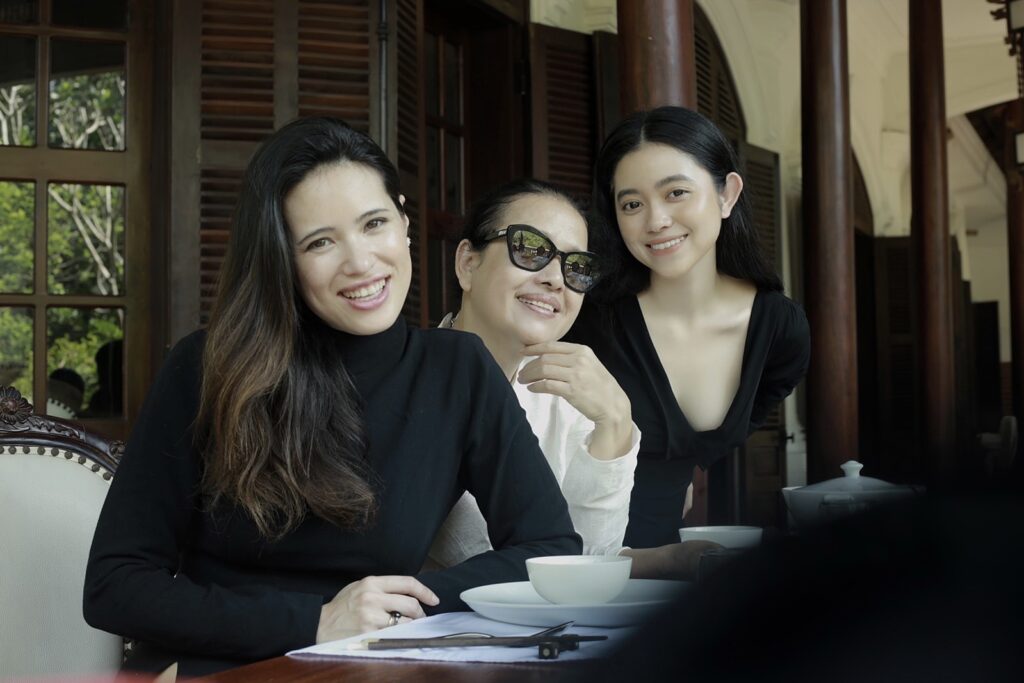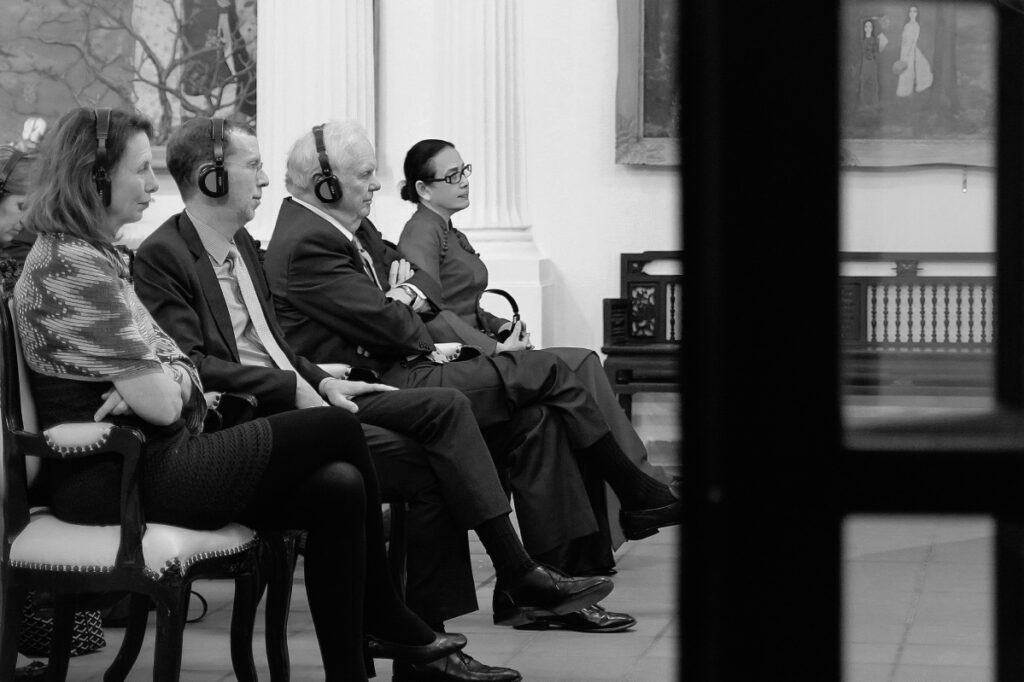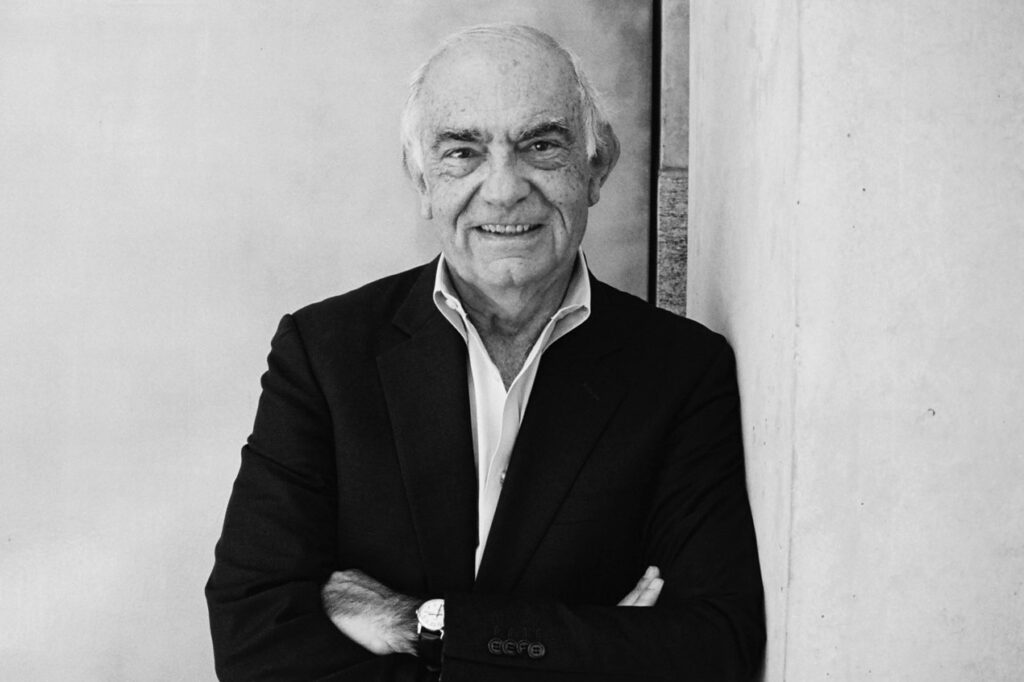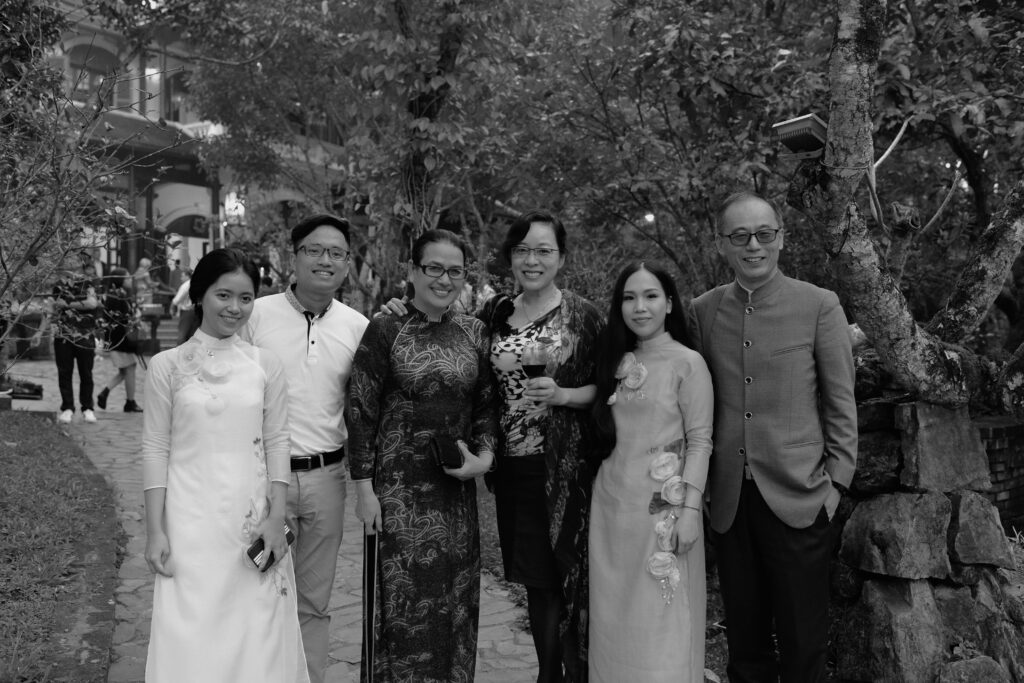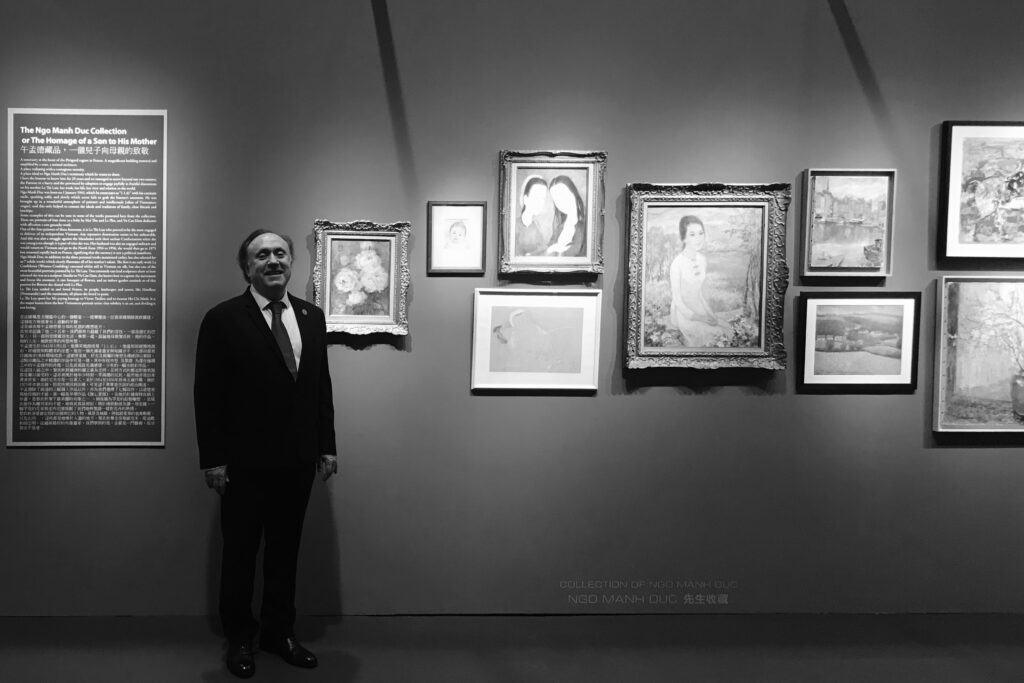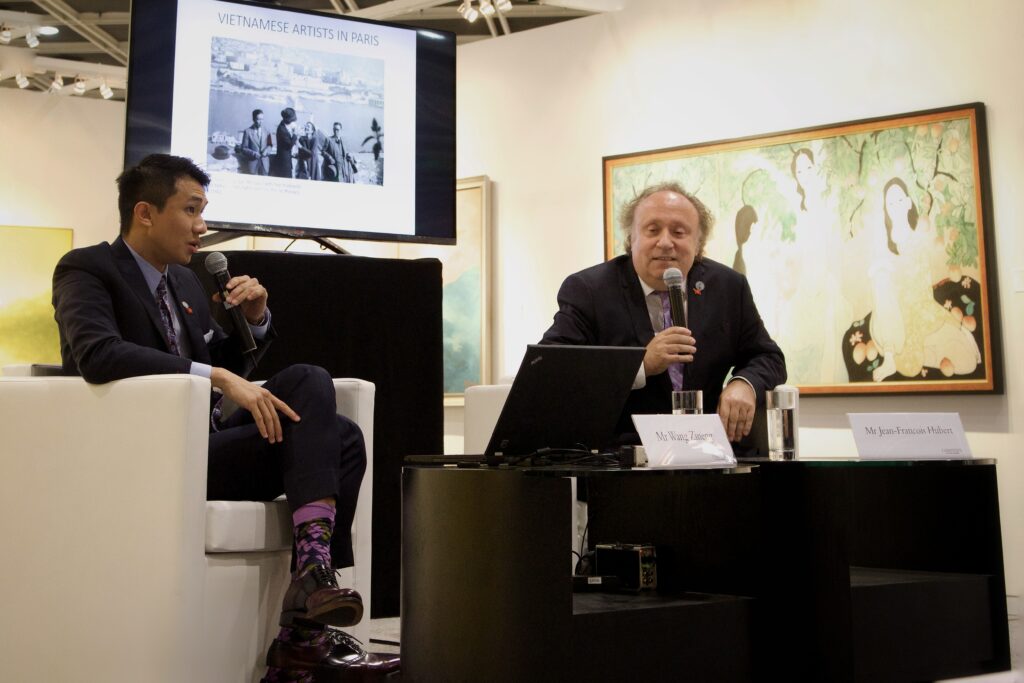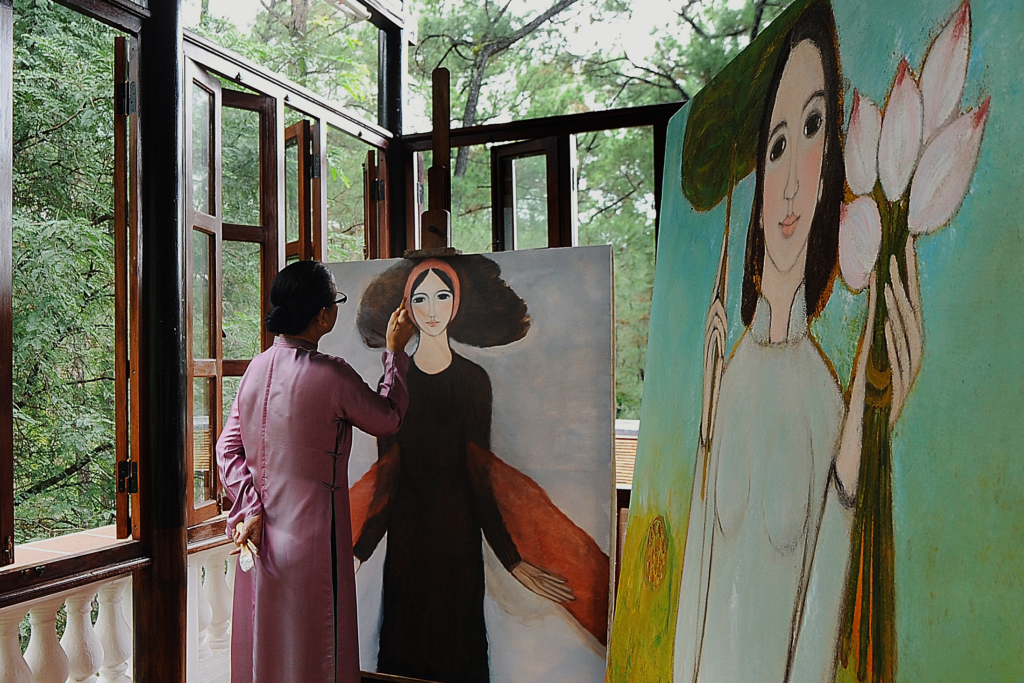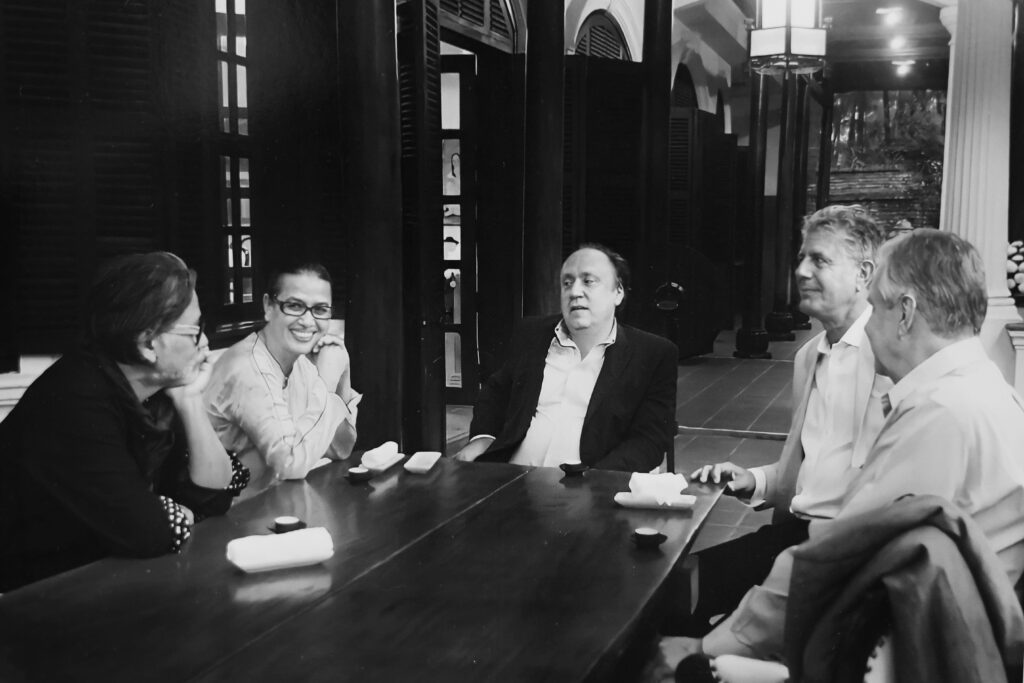
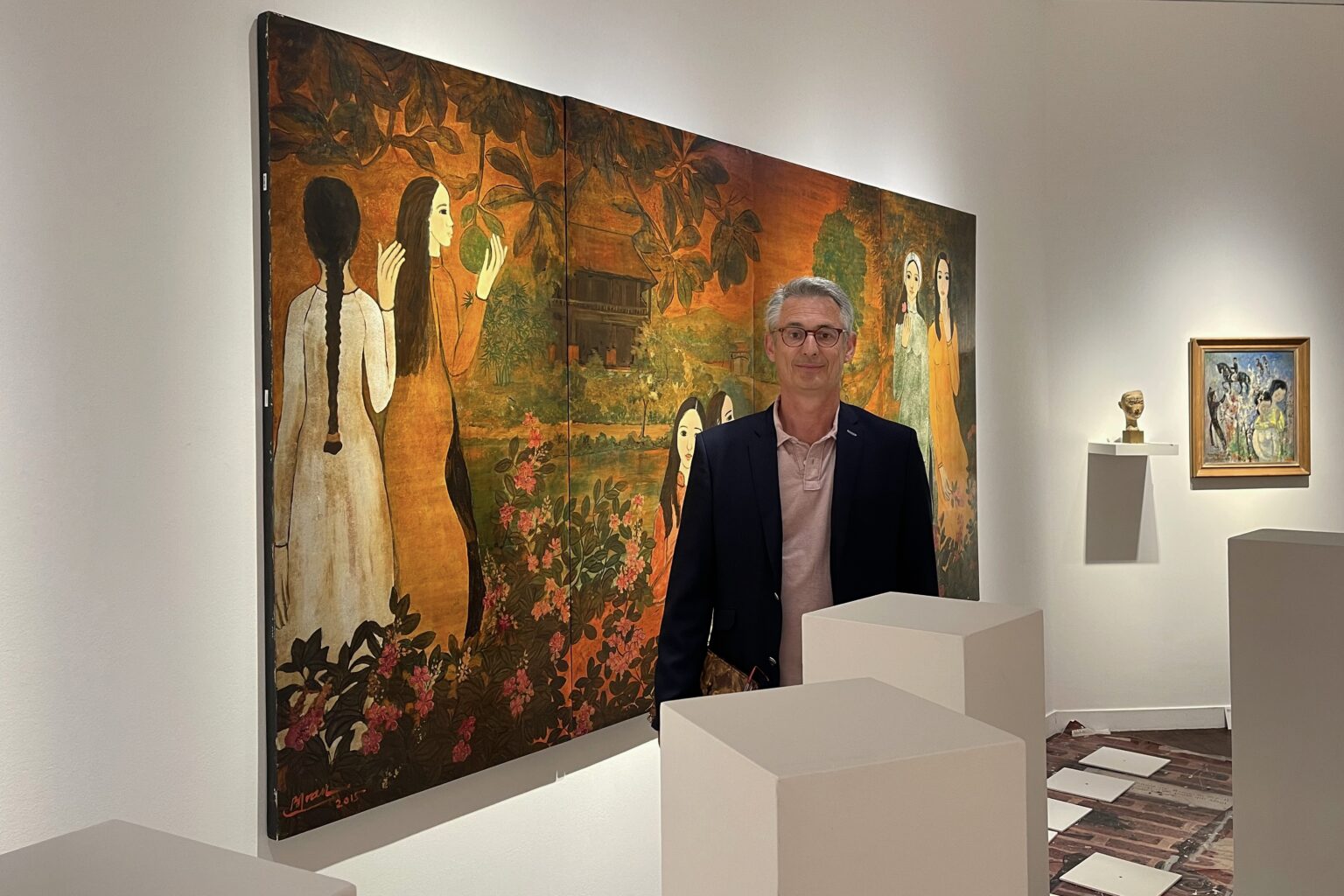
Boi Tran Garden reflects on a defining moment for Vietnamese modern art, following an intimate encounter with collector Philippe Damas and Francis Belin on the eve of Christie’s Hong Kong auction A Quest for Eternity. The landmark sale achieved historic results, setting multiple world records and affirming the growing international recognition of Vietnamese modernism. More than an auction, A Quest for Eternity stands as a testament to scholarship, vision, and the enduring cultural legacy of Vietnam’s artists on the global stage.
Latest Stories
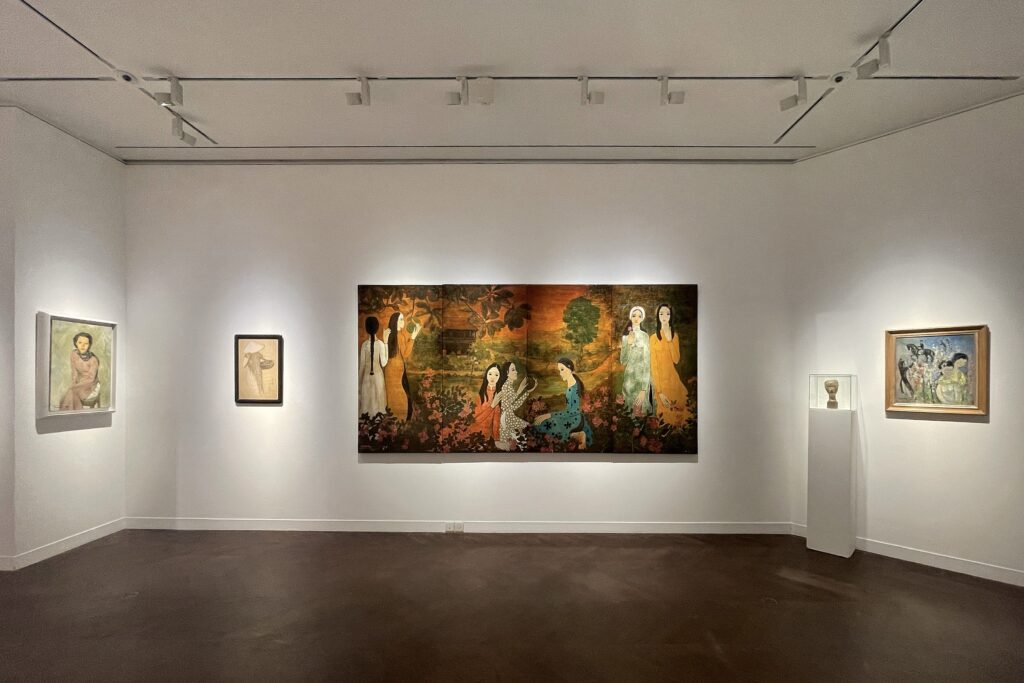
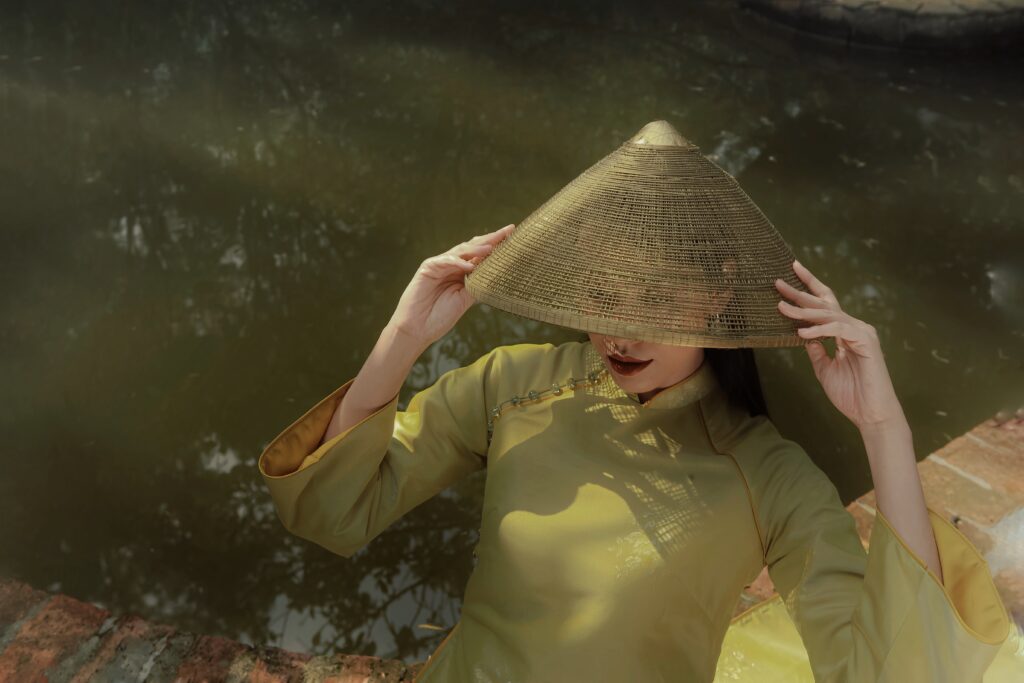
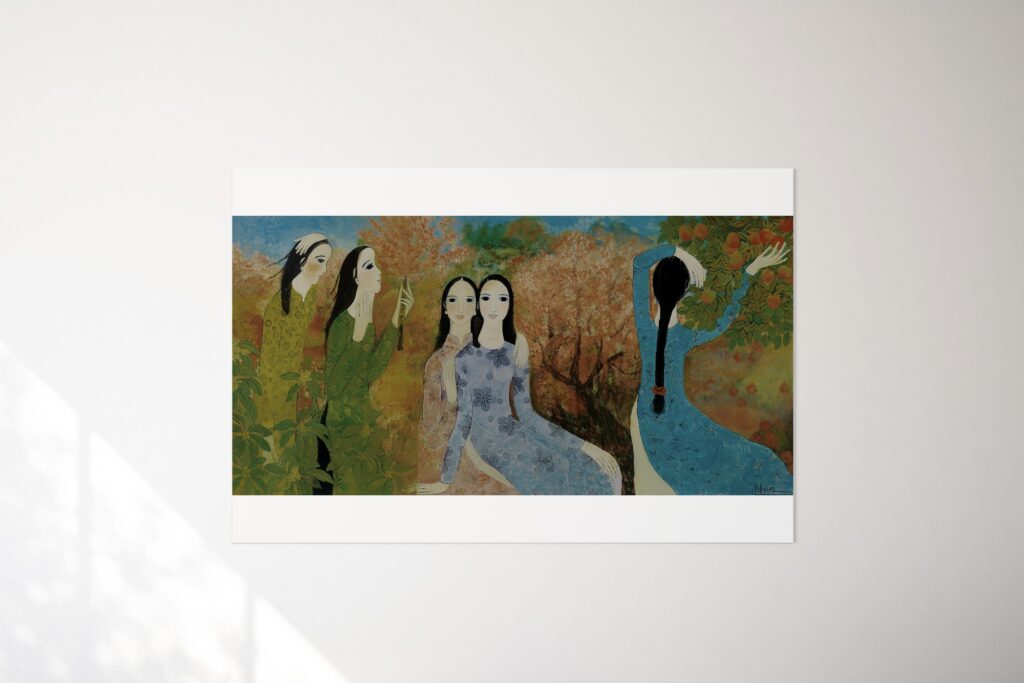
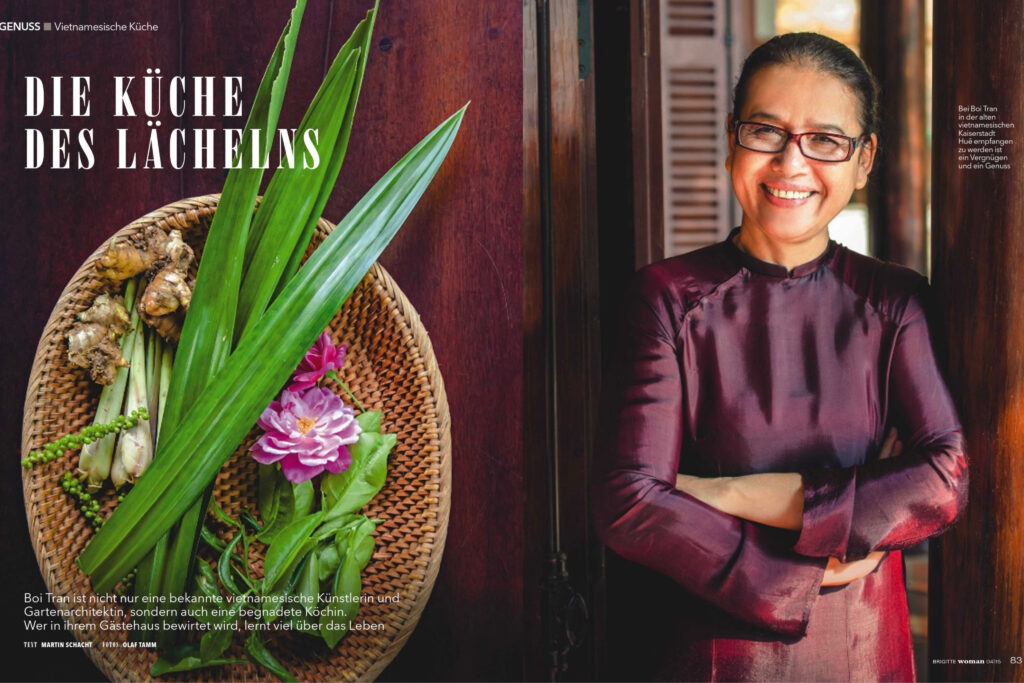
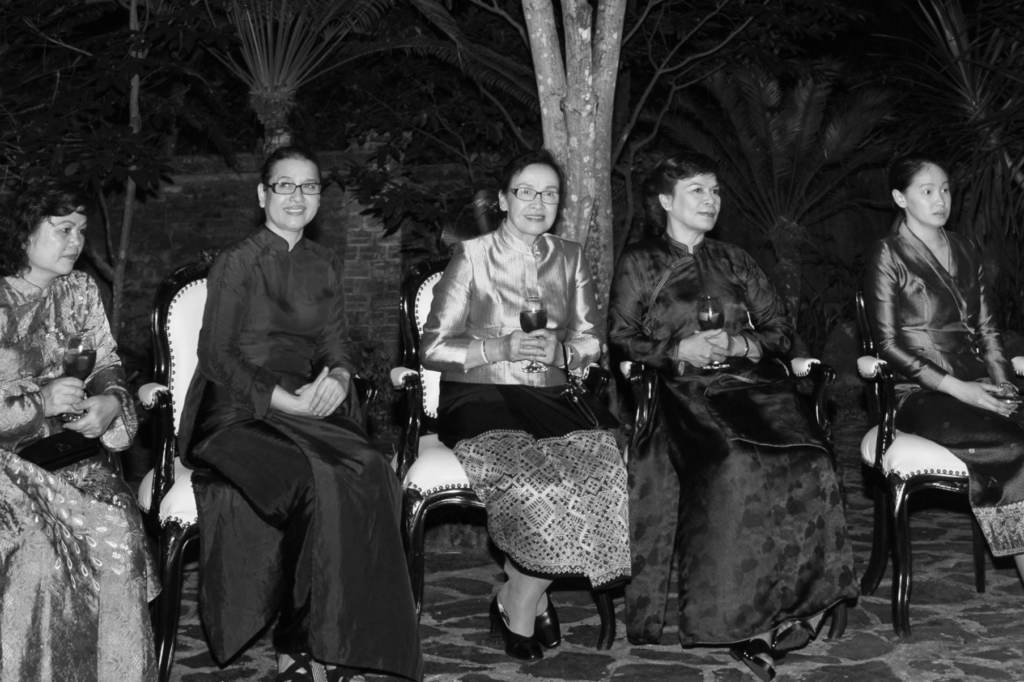
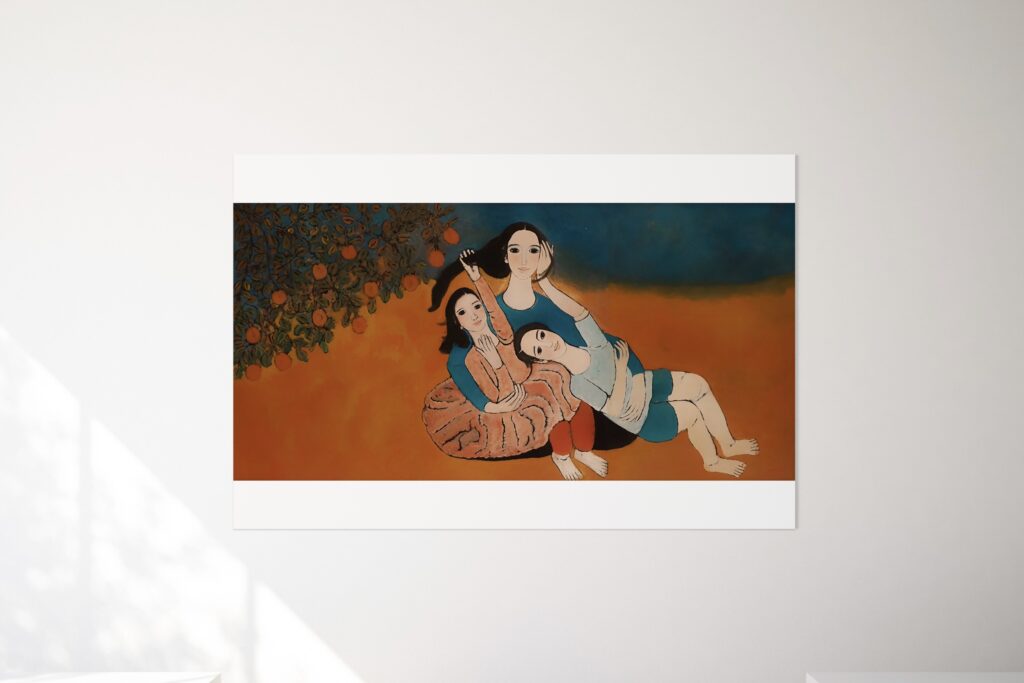
In the hush that follows ruin, some shout; others whisper. Boi Tran paints. The Élégantes de Hue, seven women in flowing áo dài, do not ask to be seen; they endure, as Hue endured. Wounded, quiet, and radiant. Their beauty is not spectacle, but refuge. Melchior Dejouany’s journey into Vietnamese art began not with grandeur, but with the quiet soul of Boi Tran’s lacquer.
Among lacquer and legacy, her work is not loud. It is lasting.
French collector Melchior Dejouany once called discovering pictorial lacquer “one of the most beautiful revelations” of his life. That revelation began with a painting by Boi Tran, luminous, quiet, and unforgettable, seen at Christie’s Hong Kong in 2012. In her layered technique, he found something deeper: feeling, stillness, soul. Her work opened not just a door into Vietnamese art, but into a story, one that continues across generations, bound by vision, tenderness, and the quiet power of beauty that travels and connects across oceans.
The Melchior Dejouany Collection showcases the brilliance of Vietnamese masters: Nguyen Gia Tri’s layered lacquer dreams, Le Pho’s elegant silks, and Vu Cao Dam’s poetic forms. And yet, it began with a single painting by Boi Tran, a quiet work of lacquer that spoke not of grandeur, but of grace. It was her voice, contemporary, contemplative, deeply human, that first drew him in. Among legends, her presence is not loud; it is luminous.
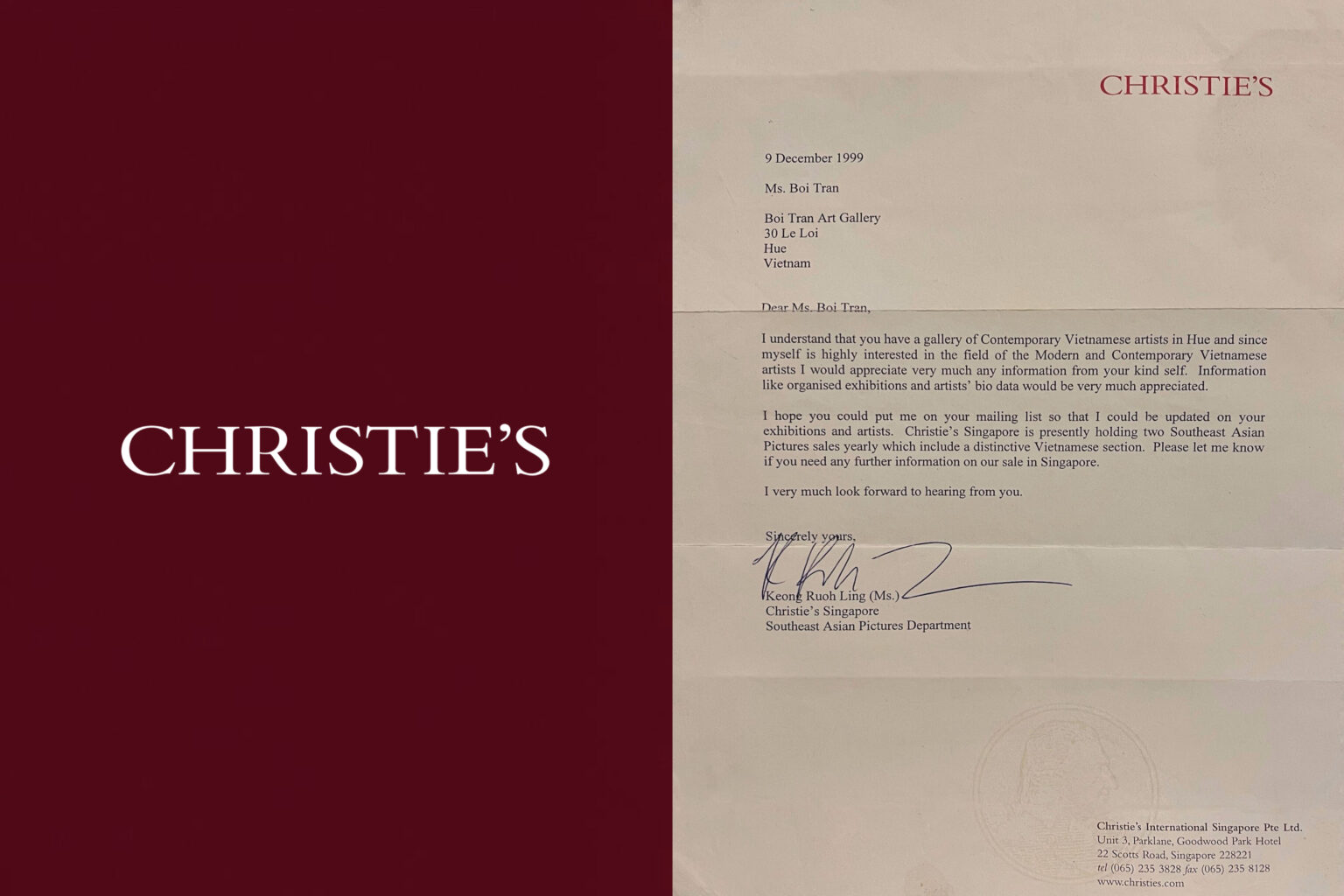
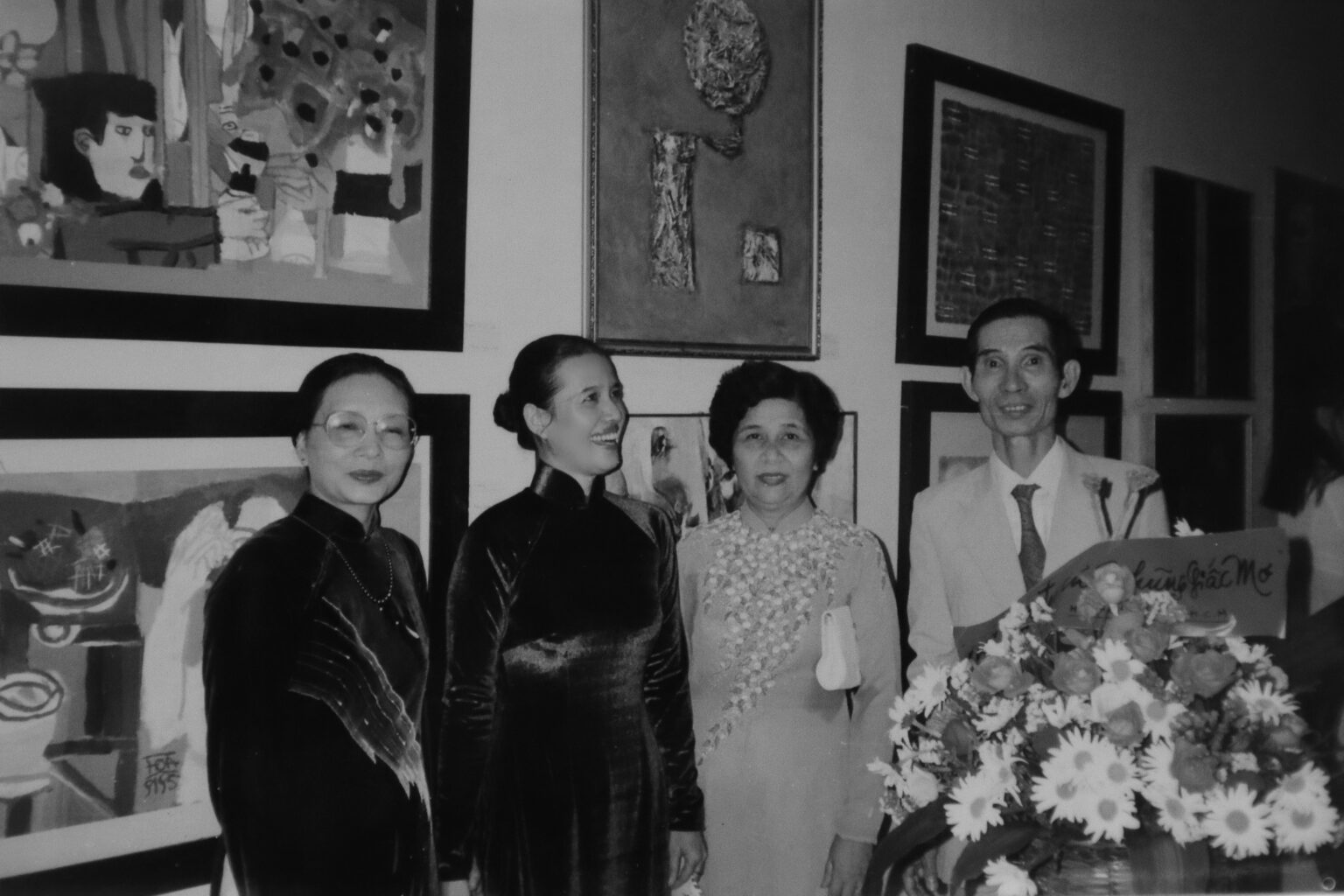
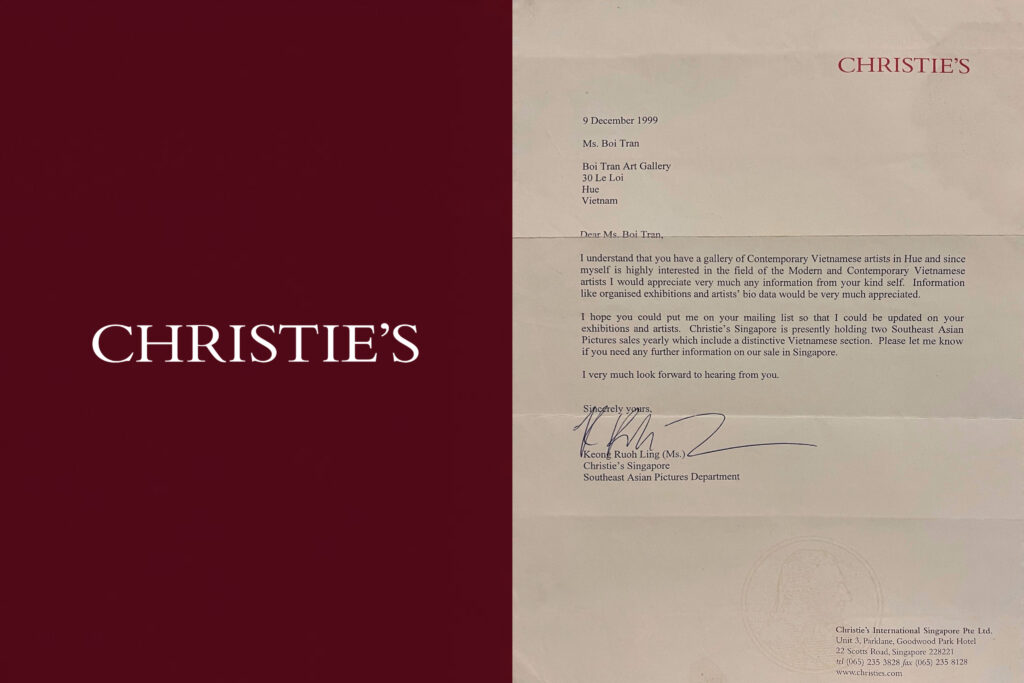
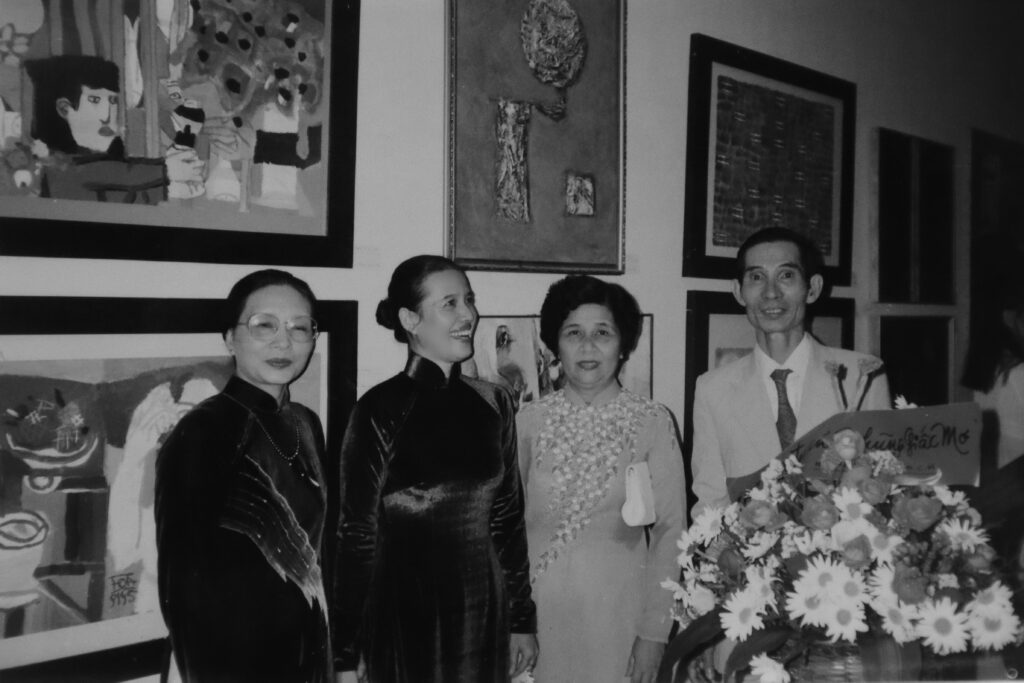
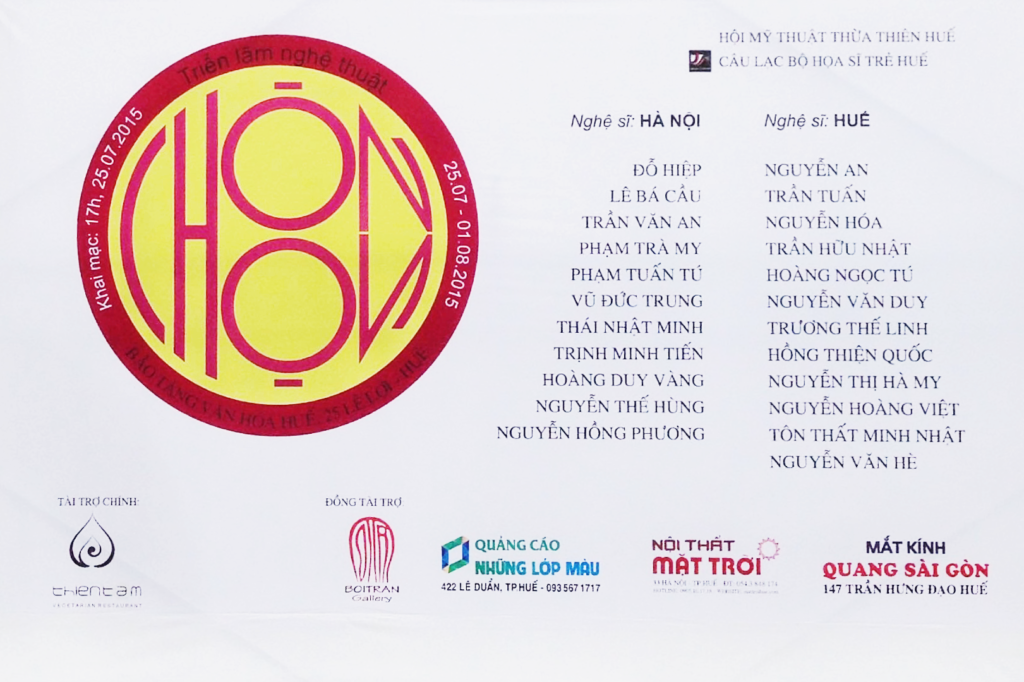
In December 1999, a letter arrived from Christie’s, full of grace. It crossed borders to honour a pioneering art gallery in Hue, where Boi Tran had quietly nurtured not just art, but meaning. At a time when few heard the voices of contemporary Vietnam, her gallery had already become a sanctuary of beauty, memory, and soul.
The letter was not a headline. It was something rarer: a moment of quiet recognition.
And from that stillness, Hue began to speak. And the world began to listen.
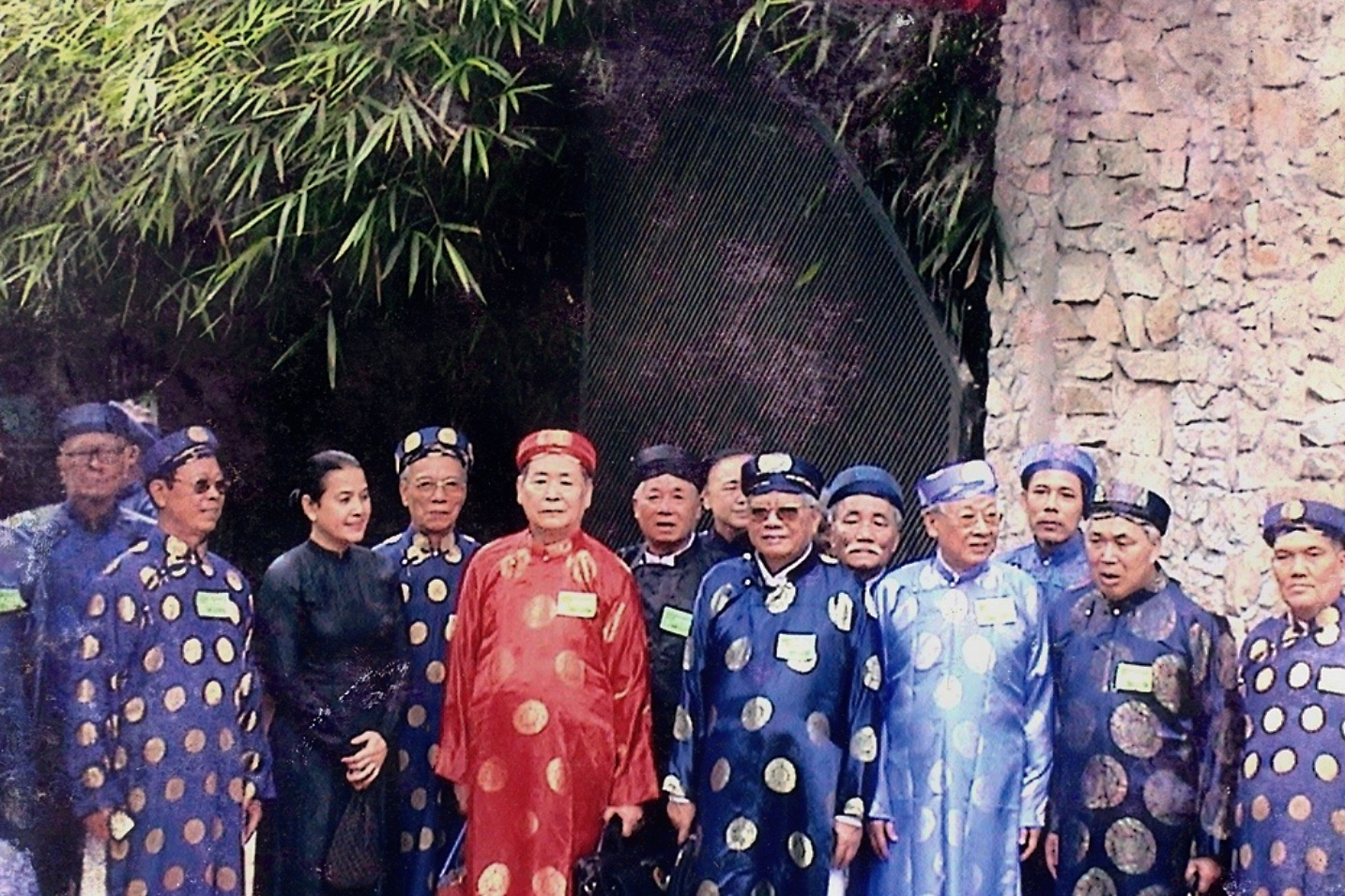
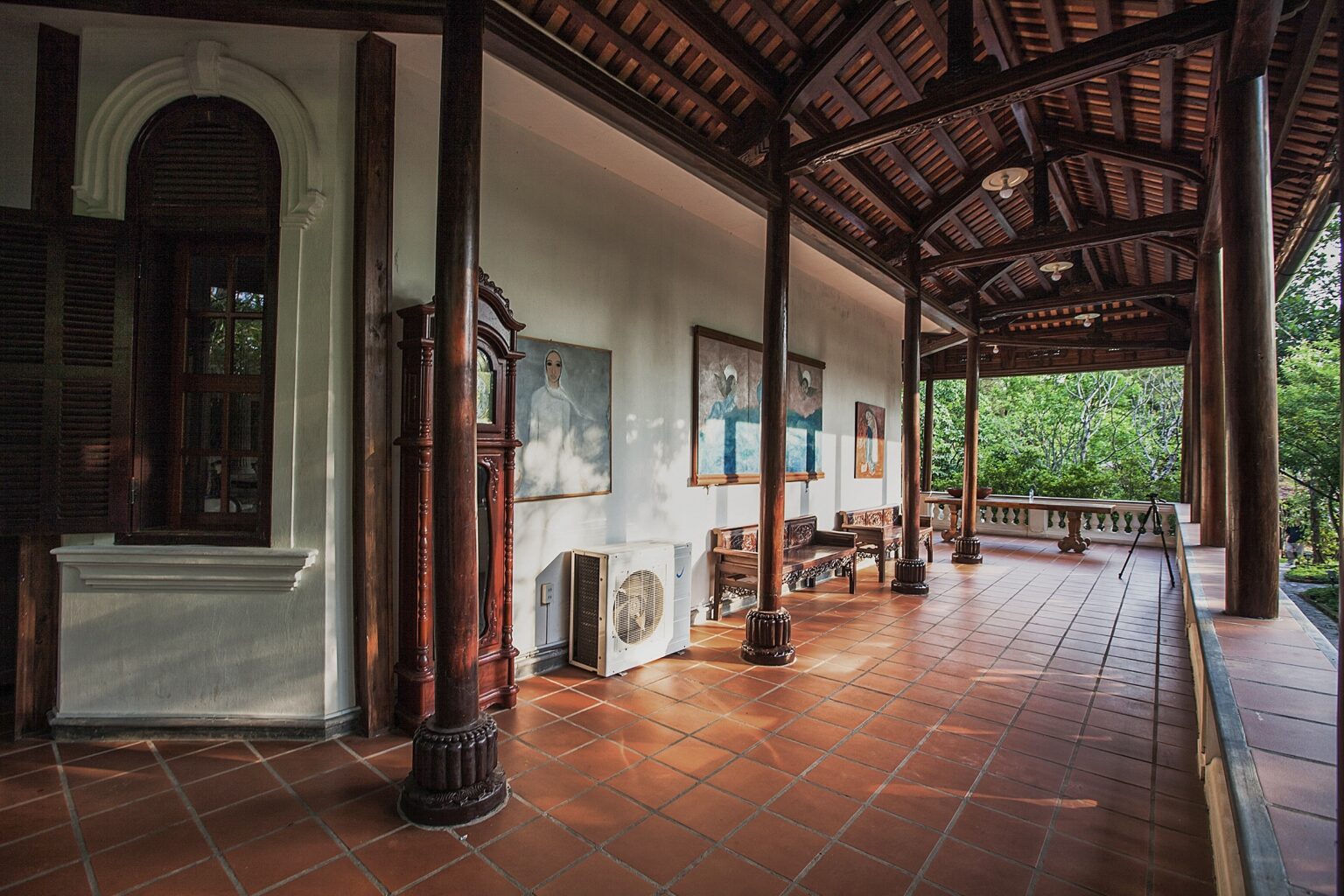
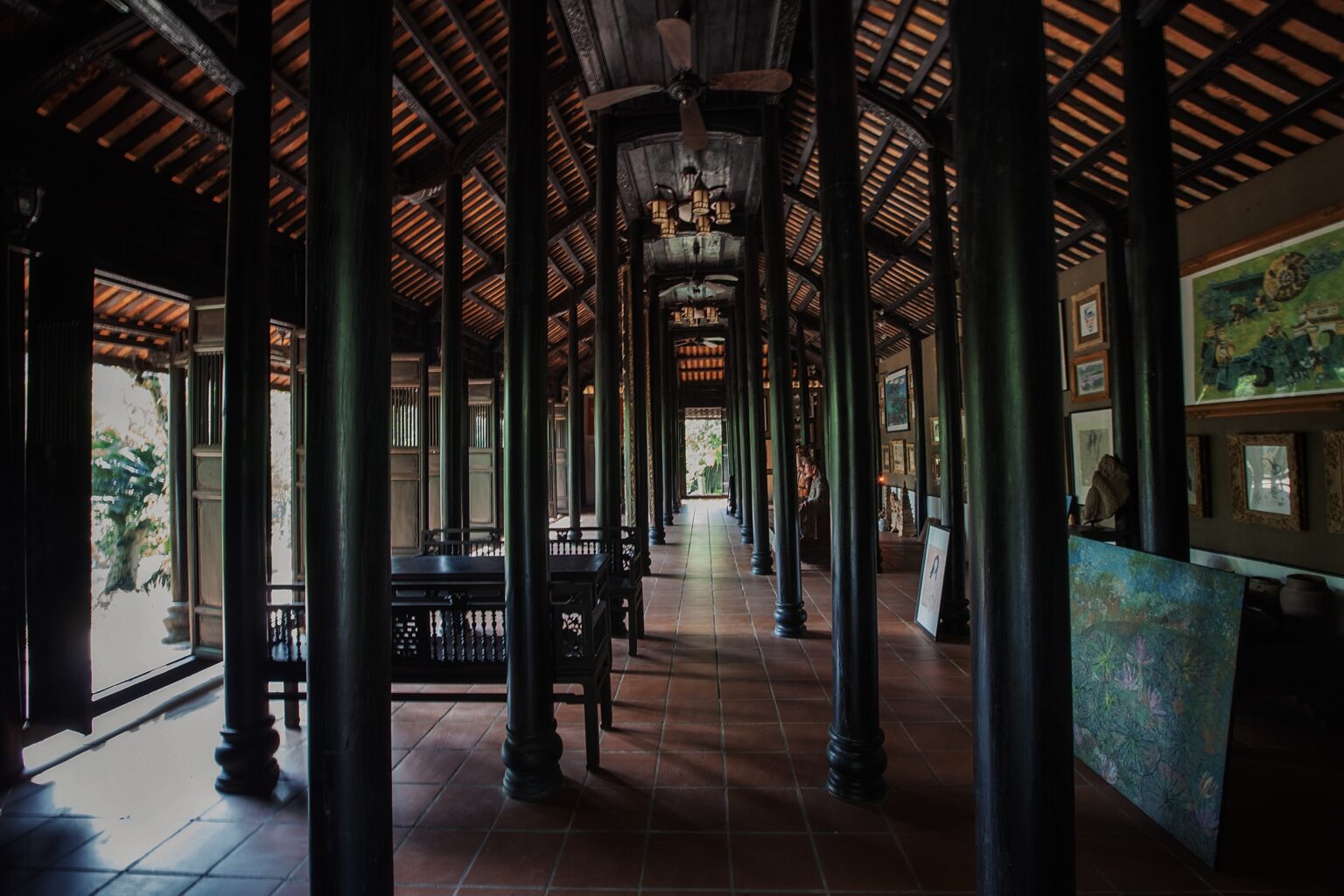
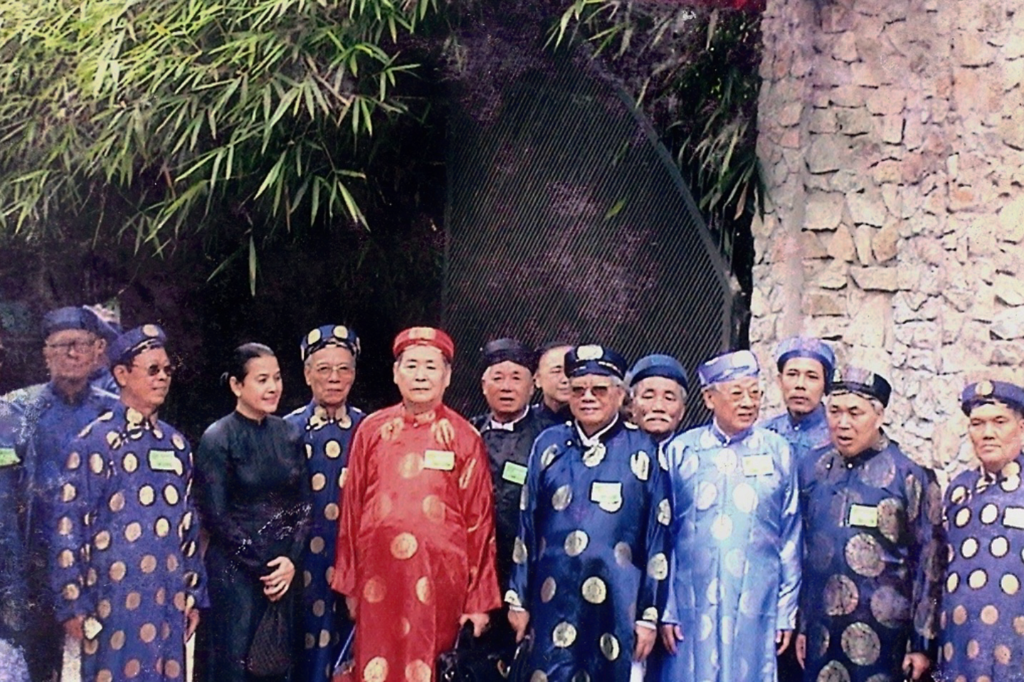
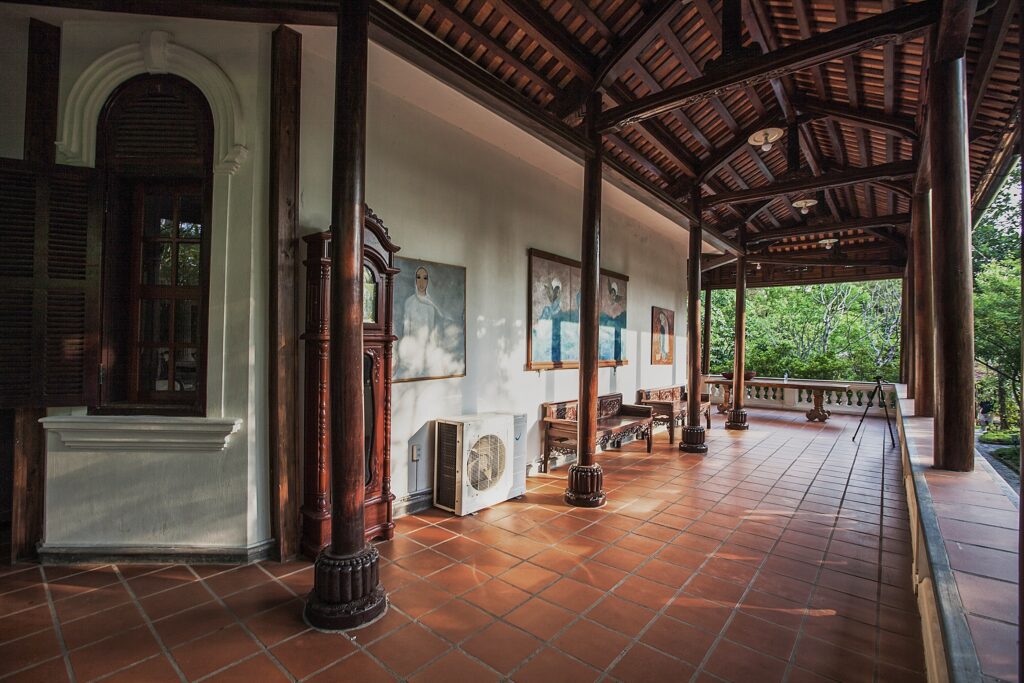
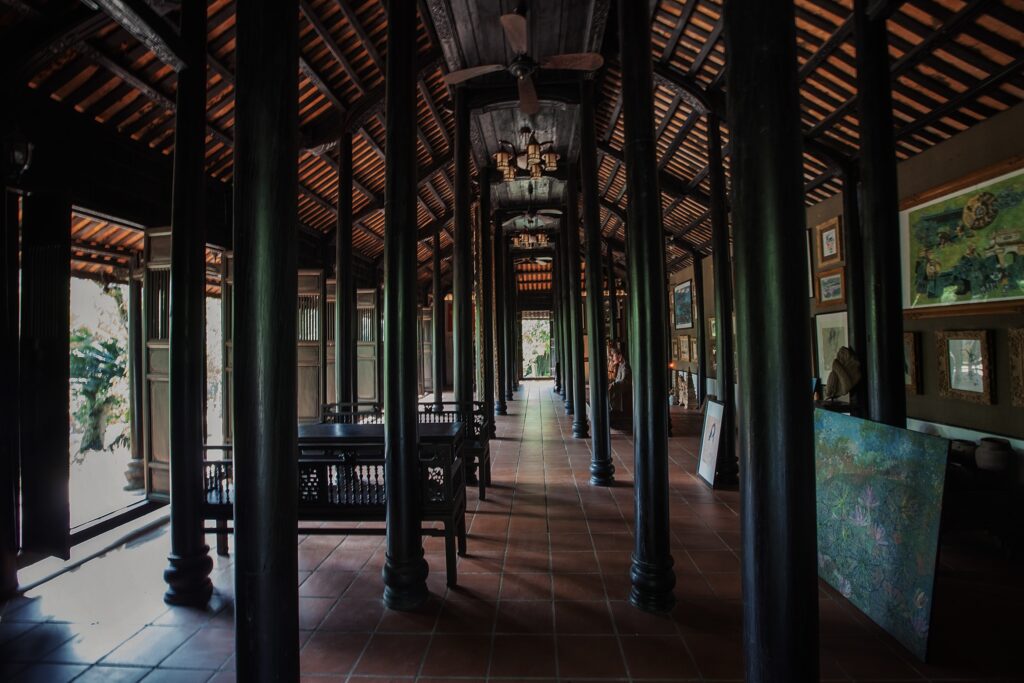
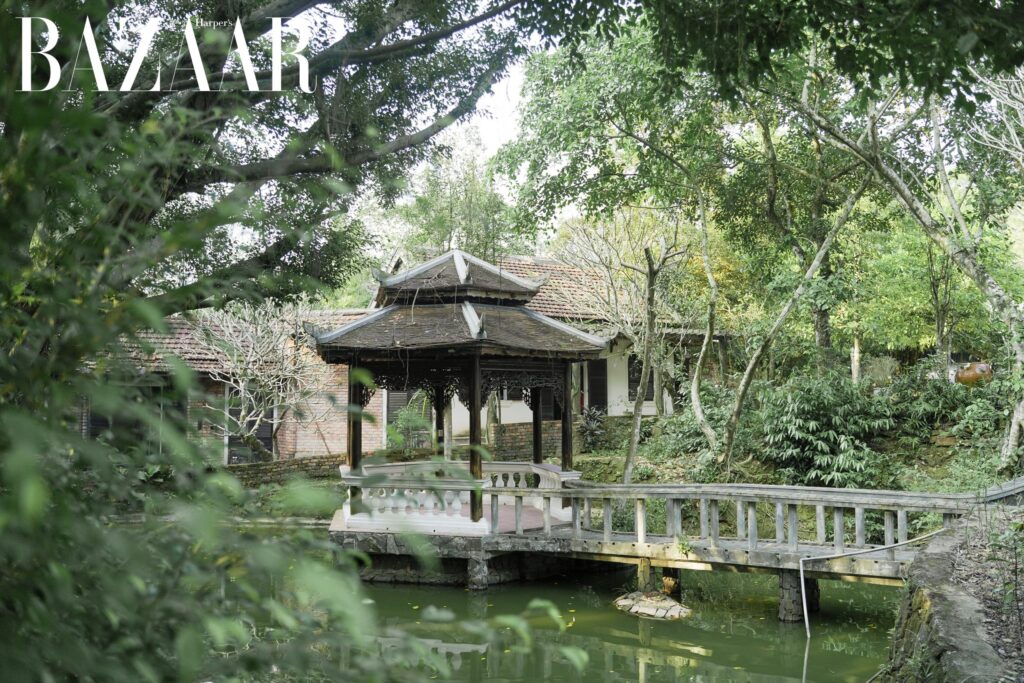
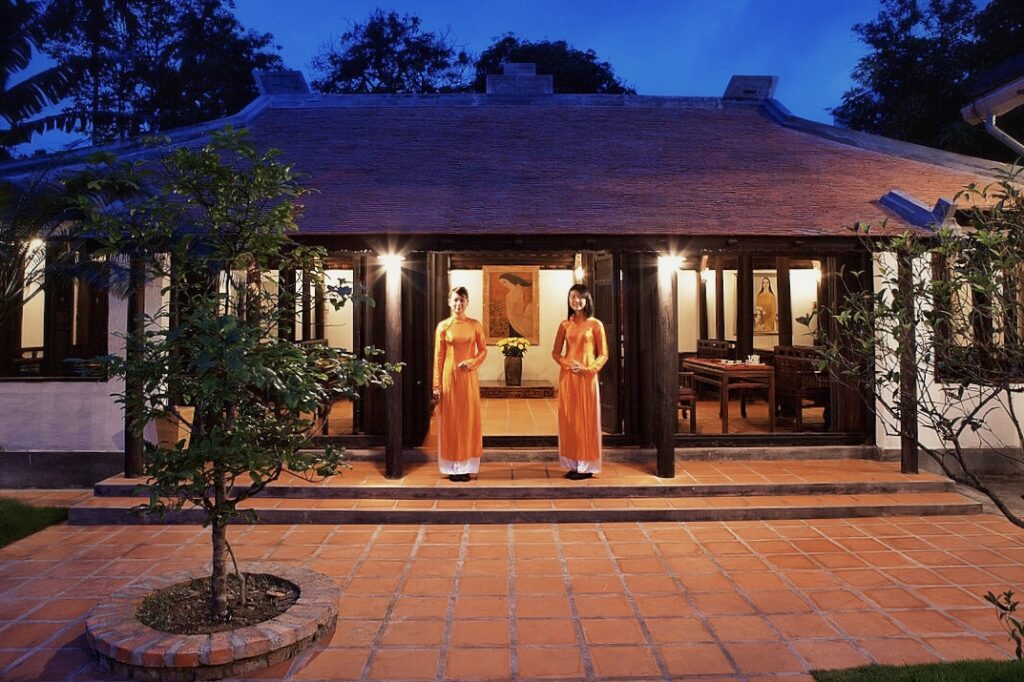
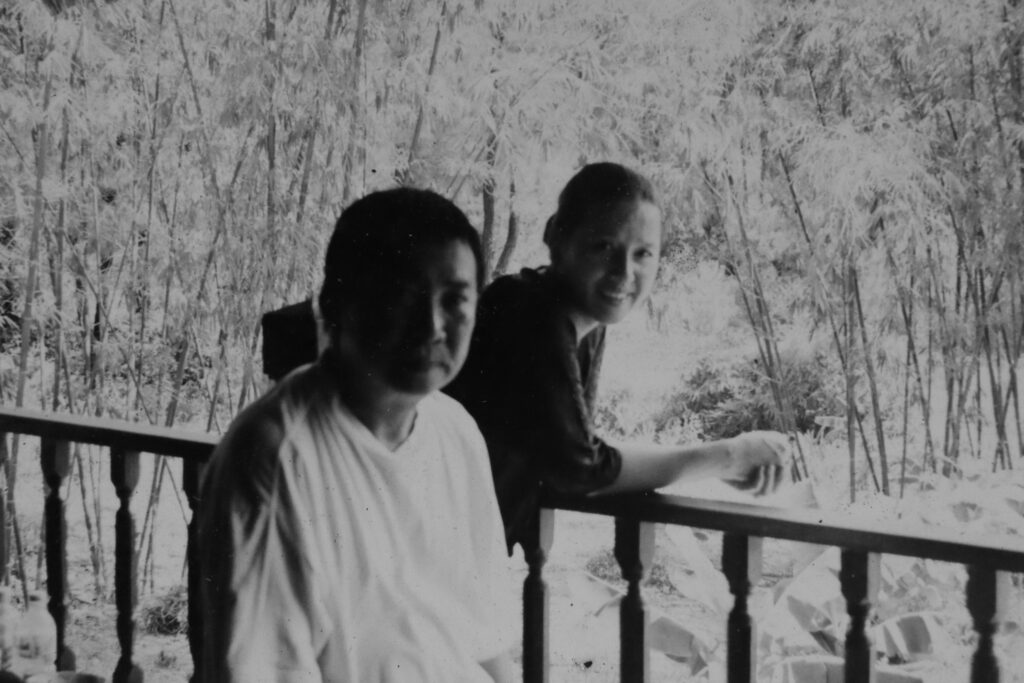
Boi Tran Garden blooms with memory, devotion, and the gentle breath of art. Created by painter Boi Tran as a sanctuary for the soul, it is a place where silence speaks, and beauty lingers in every stone and shadow. In 2011, her heartfelt contributions were honoured with the Phan Kinh Honorary Prize, a tribute from her ancestral family, offered in deep gratitude.
More than a garden, it is a living poem. A return. A bloom that never fades.
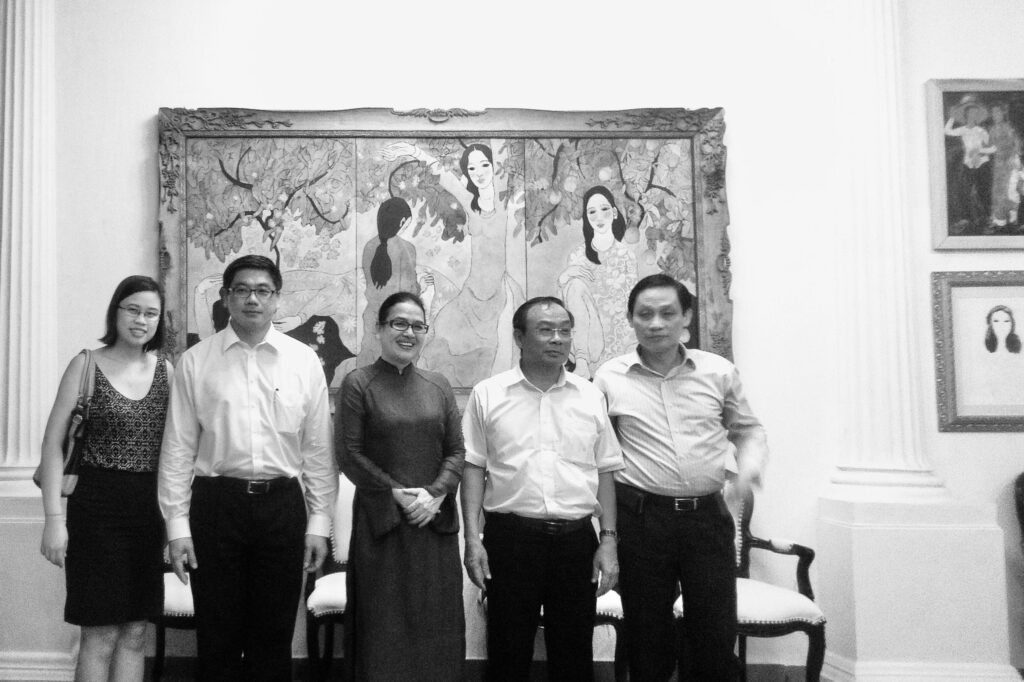
On behalf of “the Delegation”, I extend my deep respect and appreciation for a unique opportunity to contemplate your works. Your artistry and great brilliance bequeathed to us a respect and and precious memory that lasts for good.
Hue becomes a poem capital in Vietnam thanks to its nature-blended architecture. In some aspects, the renaissance of pillar houses contributes to the reconstruction, preservation and protection of cityscape, cultural awareness and consciousness of this Imperial city.
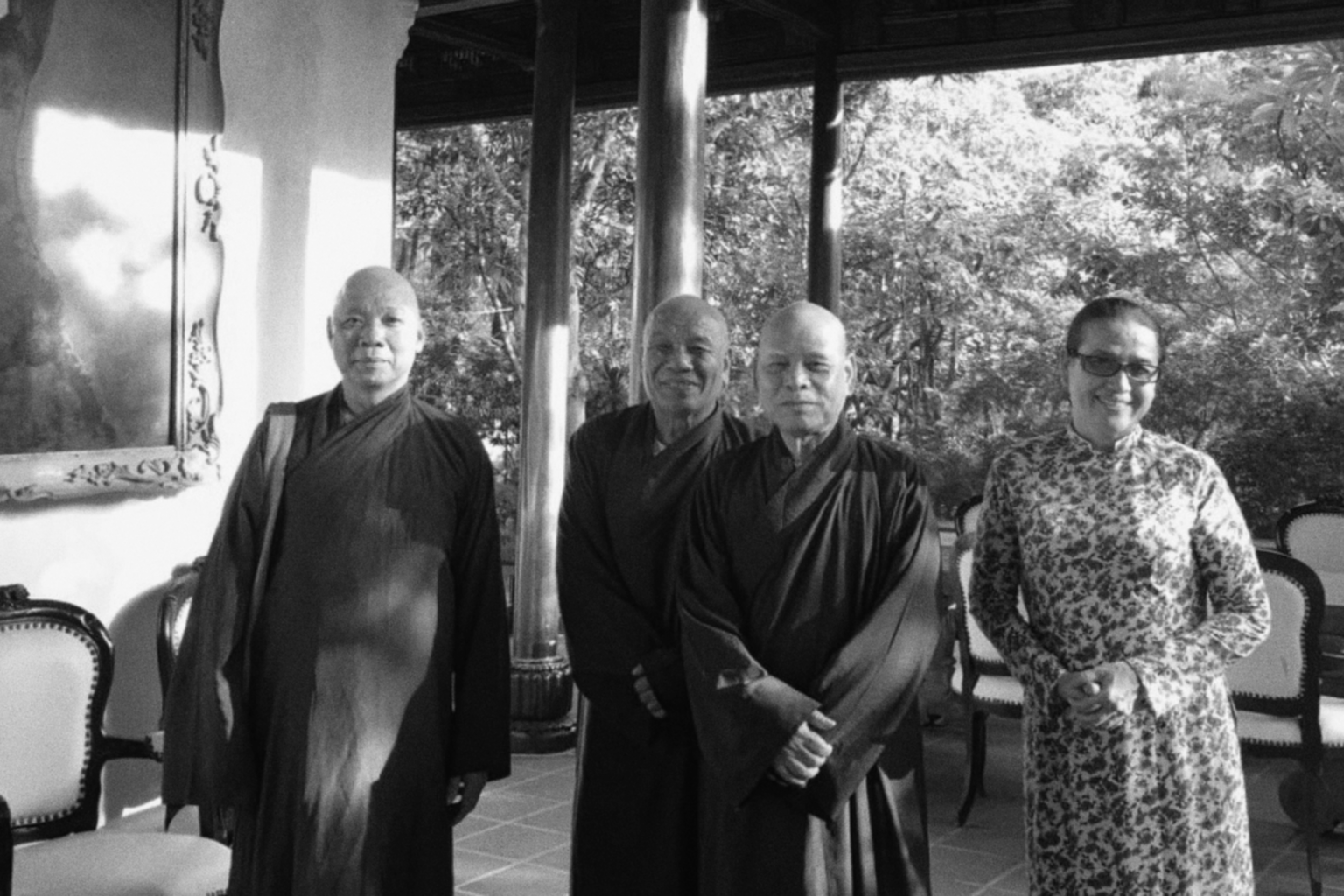
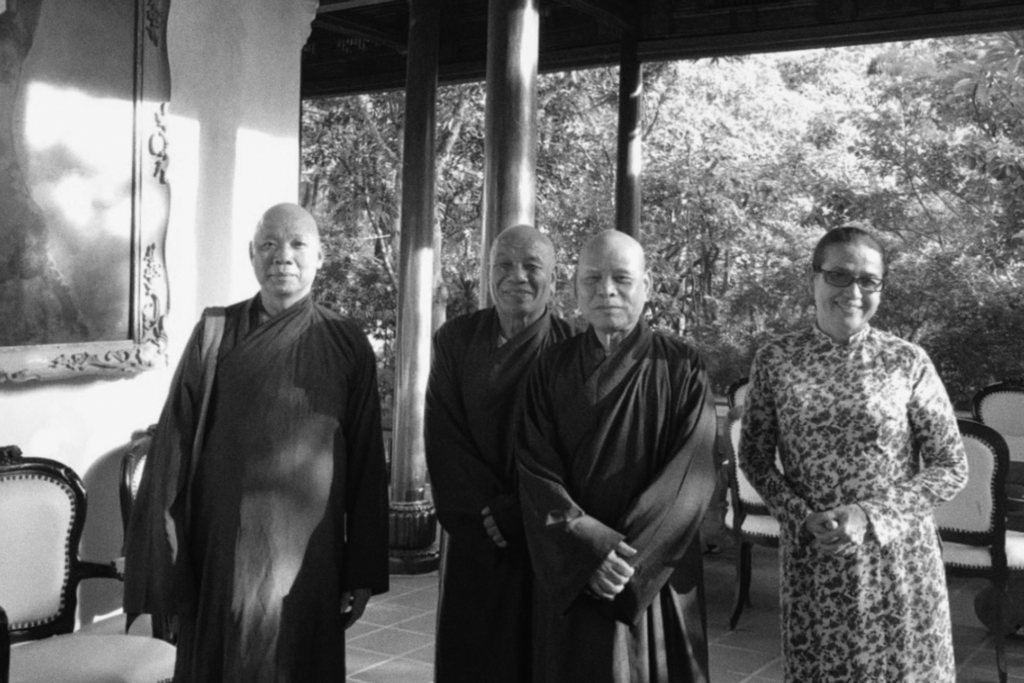
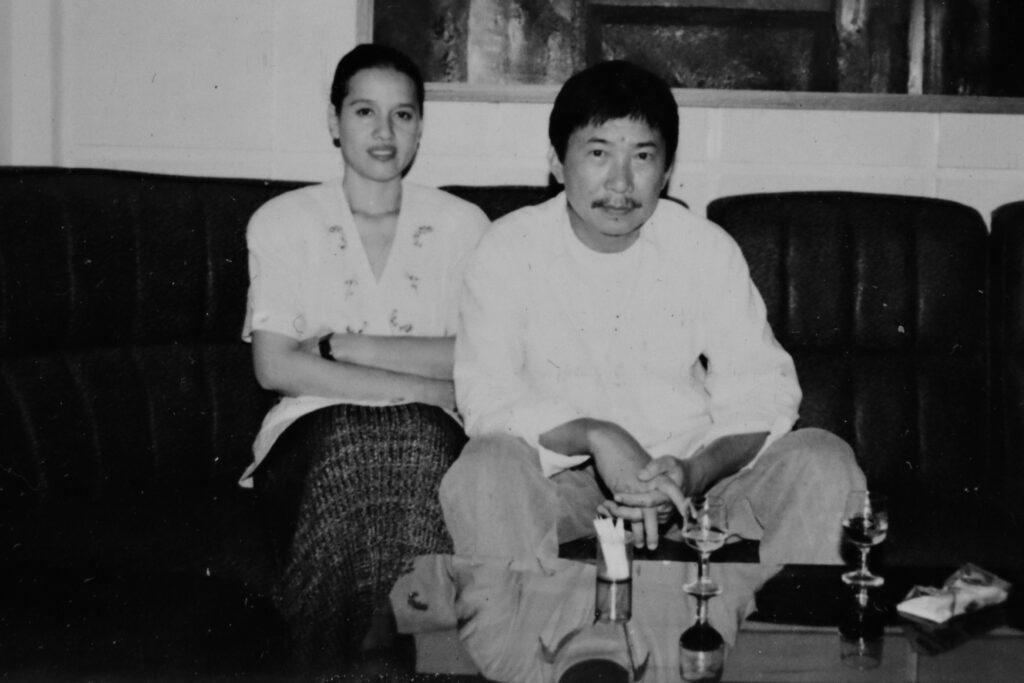
Honoured to present a typewritten poem by the most venerable Buddha Master, Sugata Chon Huong, reigning over Quang Te Temple, whose devotion would grace Buddhism in Hue and Vietnam, gifted to woman intellectual Boi Tran.
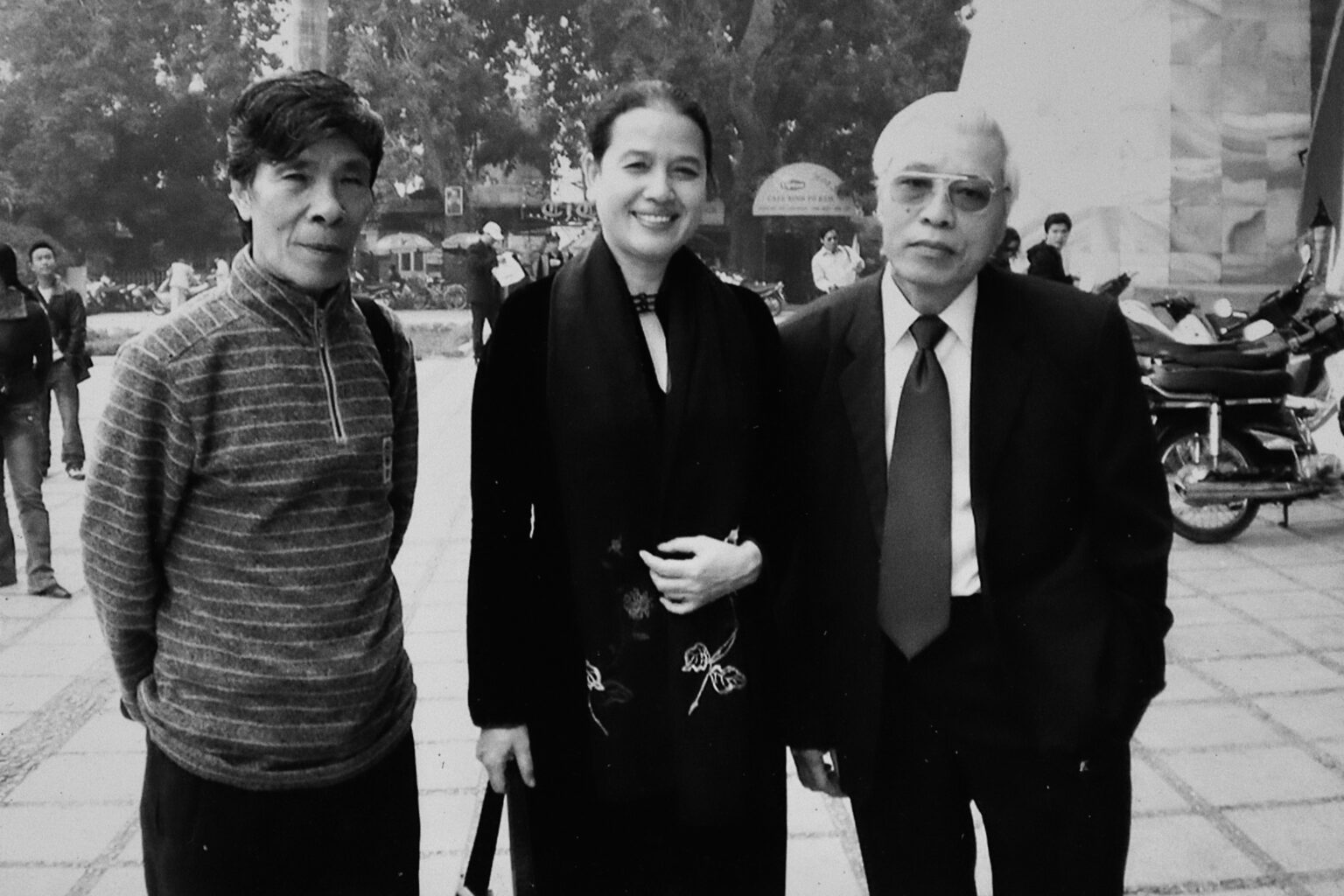
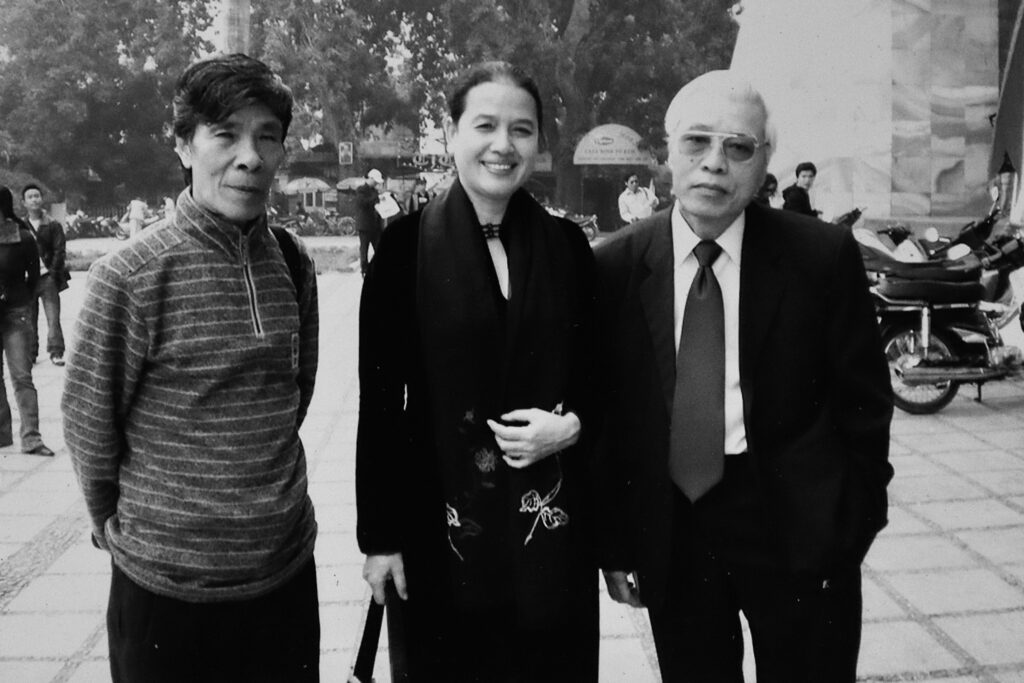
“If you yearn for the truth and integrity of something, ask Vinh Phoi.” – Trinh Cong Son