

Anne-Solenne Hatte's “La Cuisine De Bà”, or “Tasting Vietnam” at Boi Tran Garden
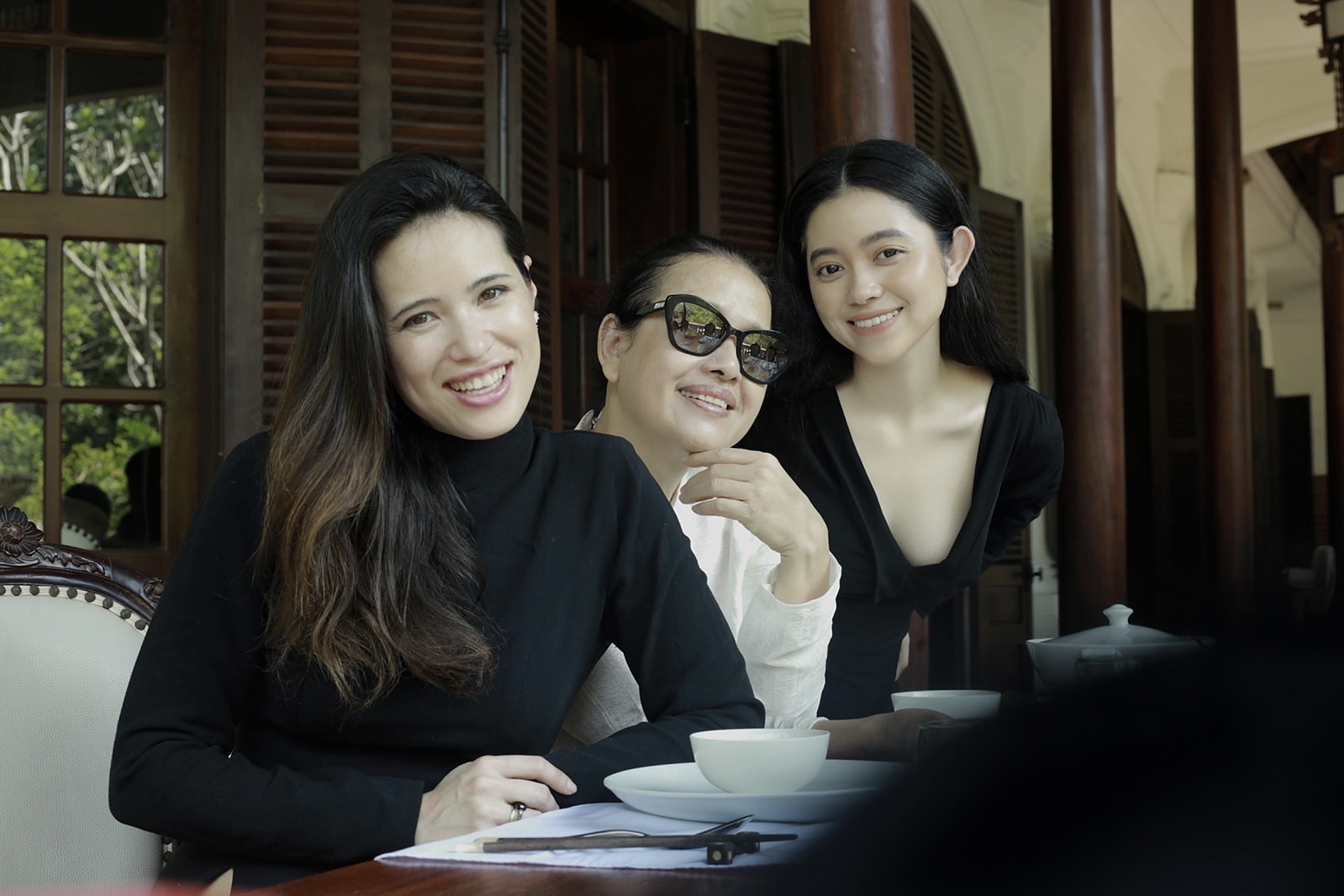
Some returns do not follow roads, nor do they answer to maps. They arrive through memory, through the hand that prepares, through flavours carried across time. In Huế, the visit of Anne-Solenne Hatte to Boi Tran Garden became such a return, where questions of origin, feminine inheritance, and Vietnamese cuisine were gathered within a house where culture continues to breathe.
Anne-Solenne Hatte, of French and Vietnamese descent, is known through a career spanning fashion, cinema, and writing. First recognised by photographer Jean-Baptiste Huynh, she later appeared in campaigns for Cartier, Biotherm, and Levi’s, while continuing her studies at Paris V and the Sorbonne. Yet beyond the visible elegance of this path lies another inquiry, quieter and more lasting: the search for inheritance.
Anne-Solenne Hatte, of French and Vietnamese descent, is known through a career spanning fashion, cinema, and writing. First recognised by photographer Jean-Baptiste Huynh, she later appeared in campaigns for Cartier, Biotherm, and Levi’s, while continuing her studies at Paris V and the Sorbonne. Yet beyond the visible elegance of this path lies another inquiry, quieter and more lasting: the search for inheritance.
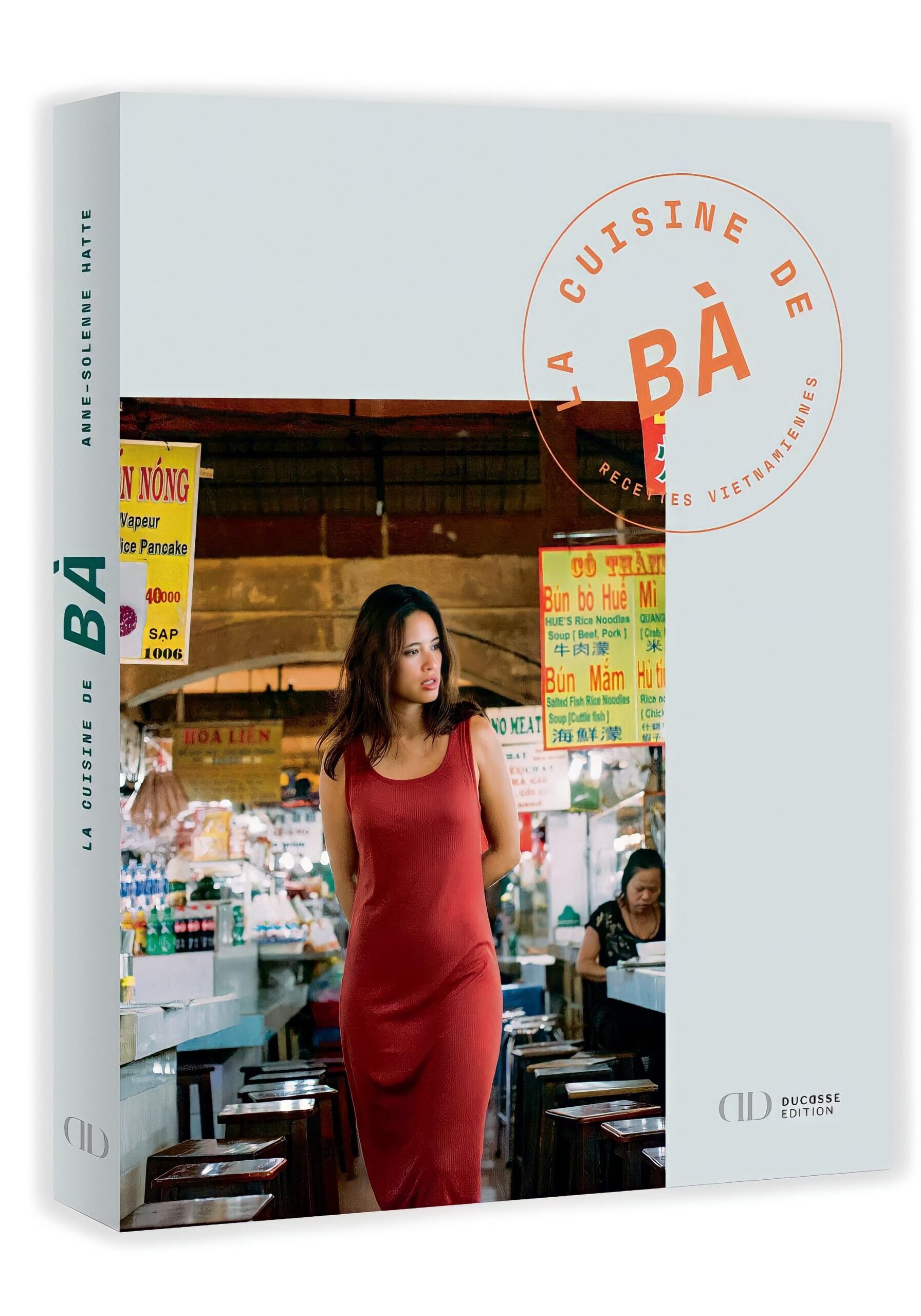
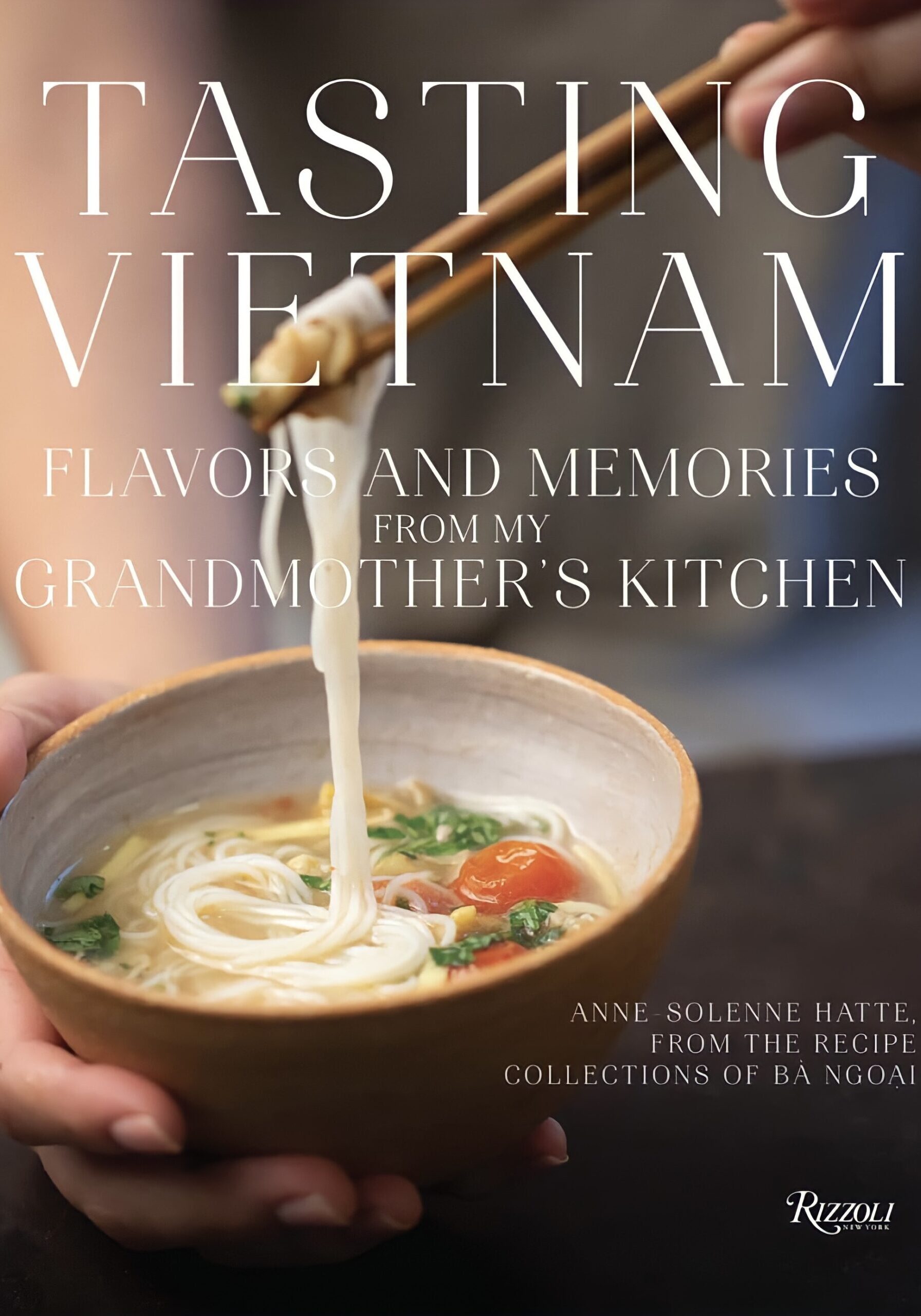
That search led her toward her maternal grandmother, whom she calls simply Bà. A woman shaped by war, departure, and exile, Bà carried with her not only recollections, but recipes, habits of preparation, and the intimate grammar of Vietnamese domestic cooking. From this relationship emerged La Cuisine de Bà, later published internationally as Tasting Vietnam: Flavours and Memories from My Grandmother’s Kitchen.
The book is not merely culinary. It is archival in another form. Through broths, herbs, sauces, salads, and regional dishes, Anne-Solenne Hatte records what official histories often leave aside: how memory survives in kitchens, how migration alters ingredients but not sensibility, and how women preserve continuity through daily acts repeated over time.
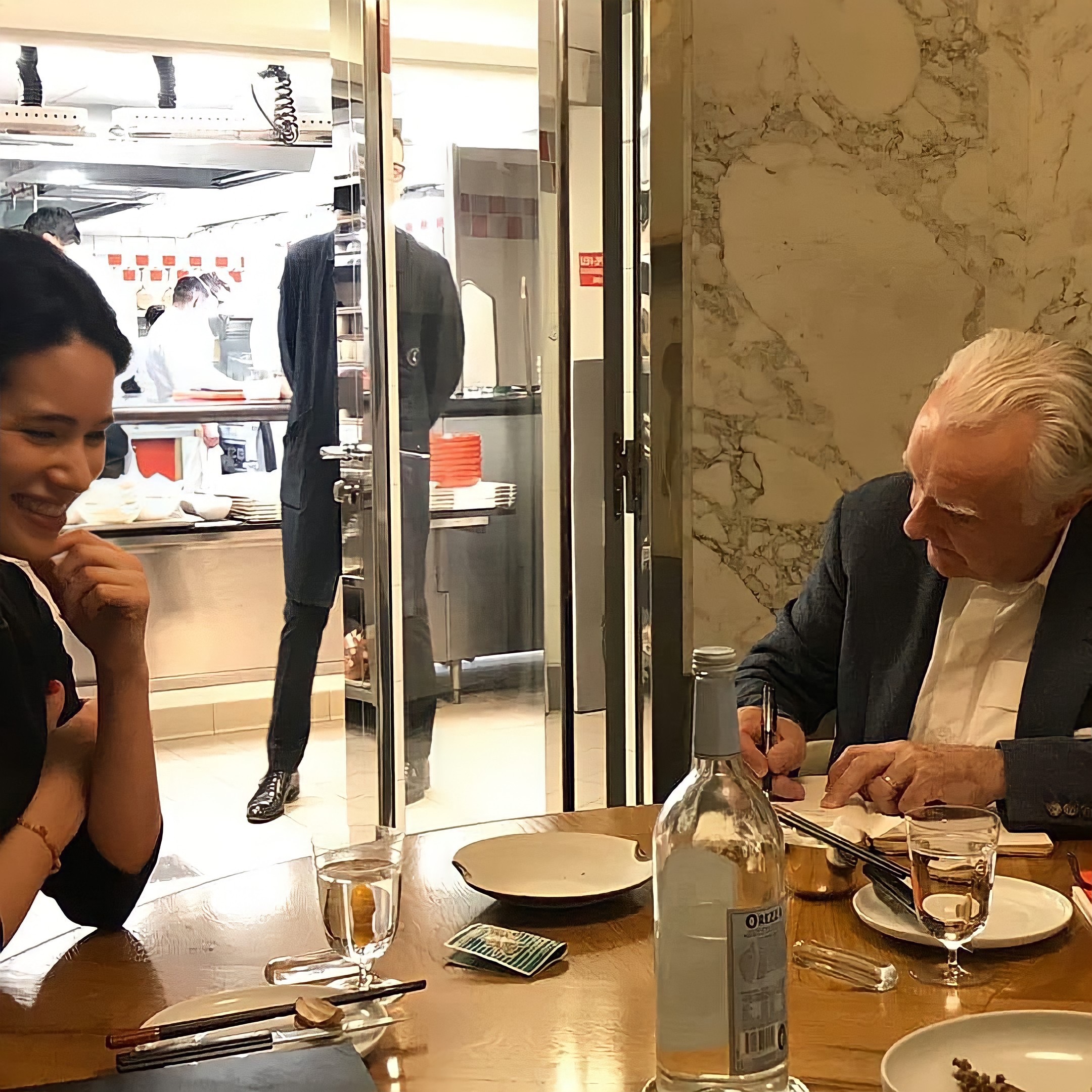
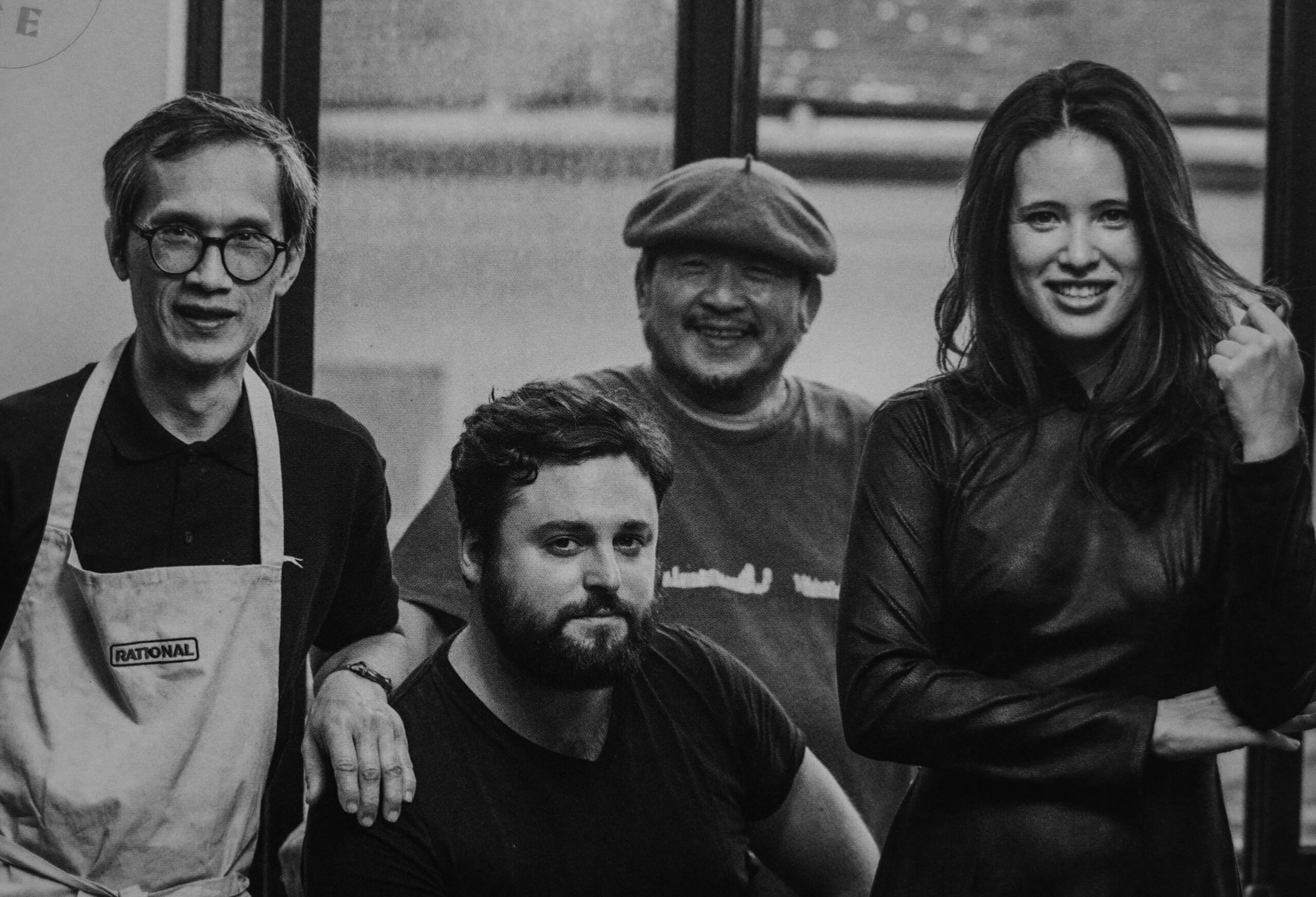
It is therefore fitting that her path should lead to Boi Tran Garden in Huế. Here, another feminine lineage has long been sustained. Boi Tran, internationally recognised as a painter and also known for preserving the refined traditions of Huế royal cuisine, has created a place where art, hospitality, and memory coexist without division.
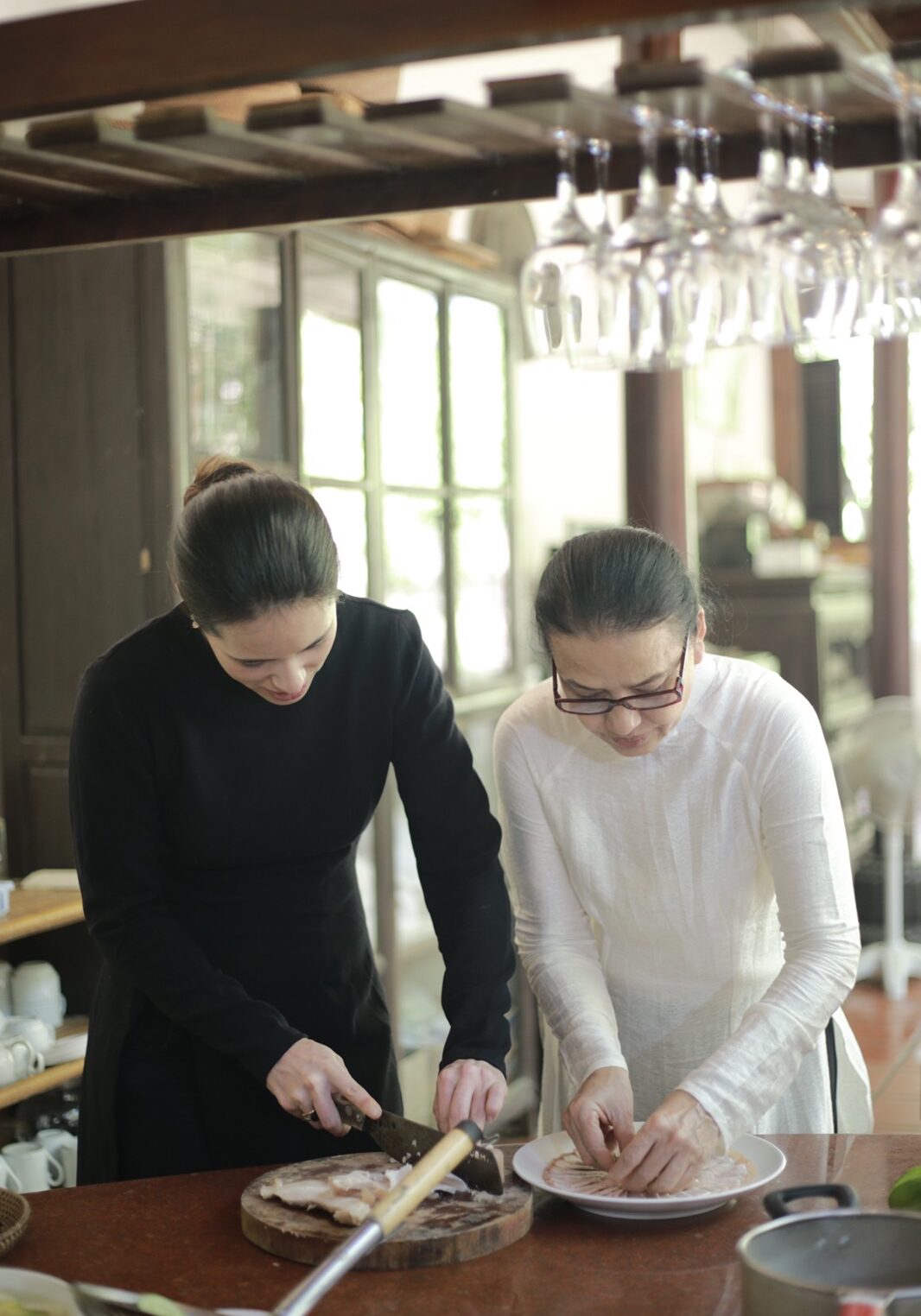
In the images from her visit, Anne-Solenne Hatte stands beside Boi Tran in the preparation of food. The scene is modest, yet eloquent. One tradition of family cooking meets another shaped by courtly refinement. The domestic table and the royal table are not opposed, but joined through care, discipline, and transmission.
Her words afterwards were simple and sincere:
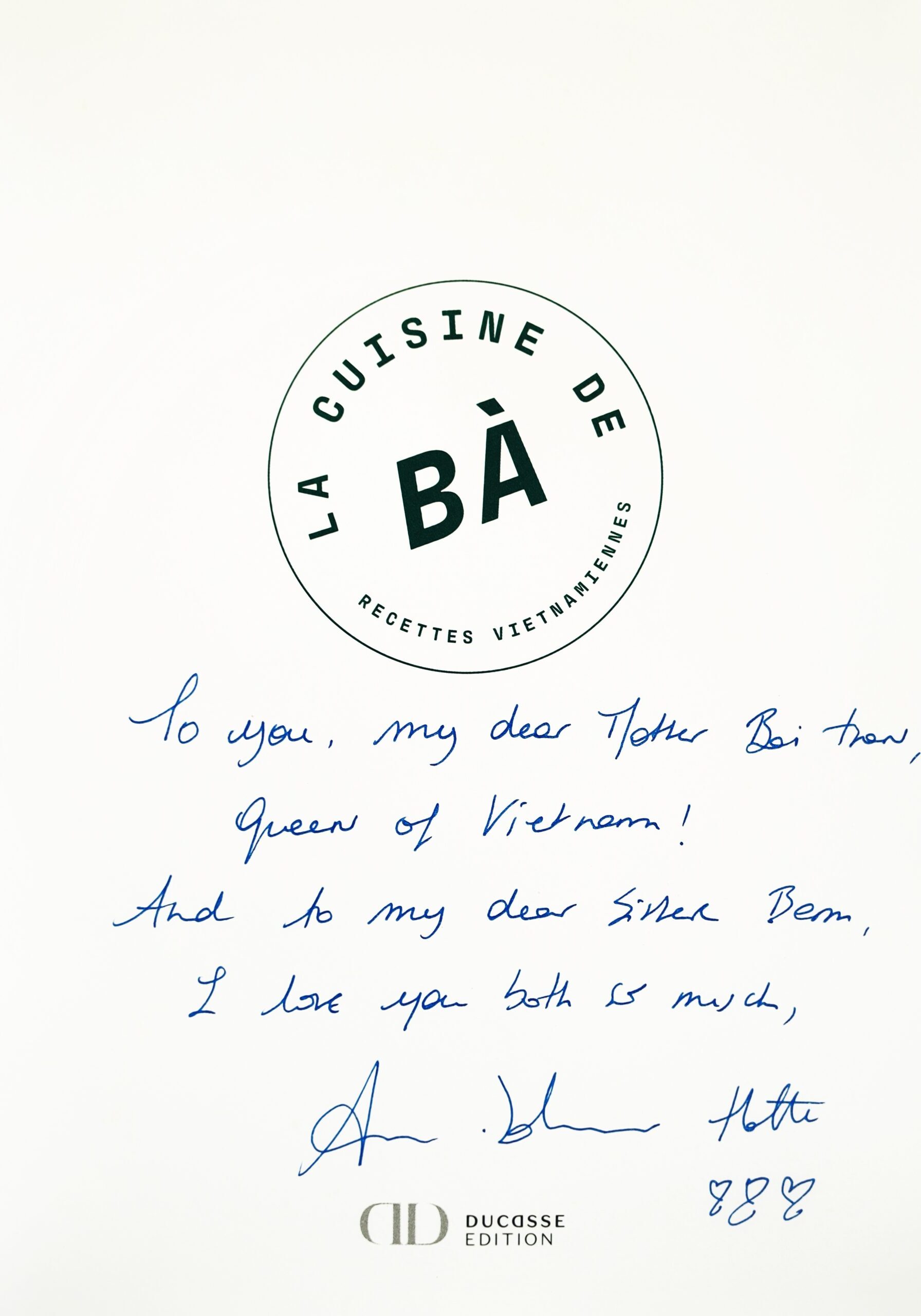
"To you, my dear Mother Boi Tran, Queen of Vietnam! And to my dear Sister Bem, I love you both so much.
What a pure bliss seeing my second family in Hue. Not only is Boi Tran a dedicated artist, but also a woman of love. Thank you, sister Thuc Doan / Bem, for the precious time.”
There is no need for elaboration. The sentence already contains recognition.
At Boi Tran Garden, encounters of this kind are not arranged as spectacle. They unfold as continuities, where identity is rediscovered not through declaration, but through shared food, conversation, and the quiet authority of women who remember.