Vinh Phoi And Boi Tran Art Gallery: A Reference Letter, 1996, or the Simplest Form of Moral Authority and Trust in Art
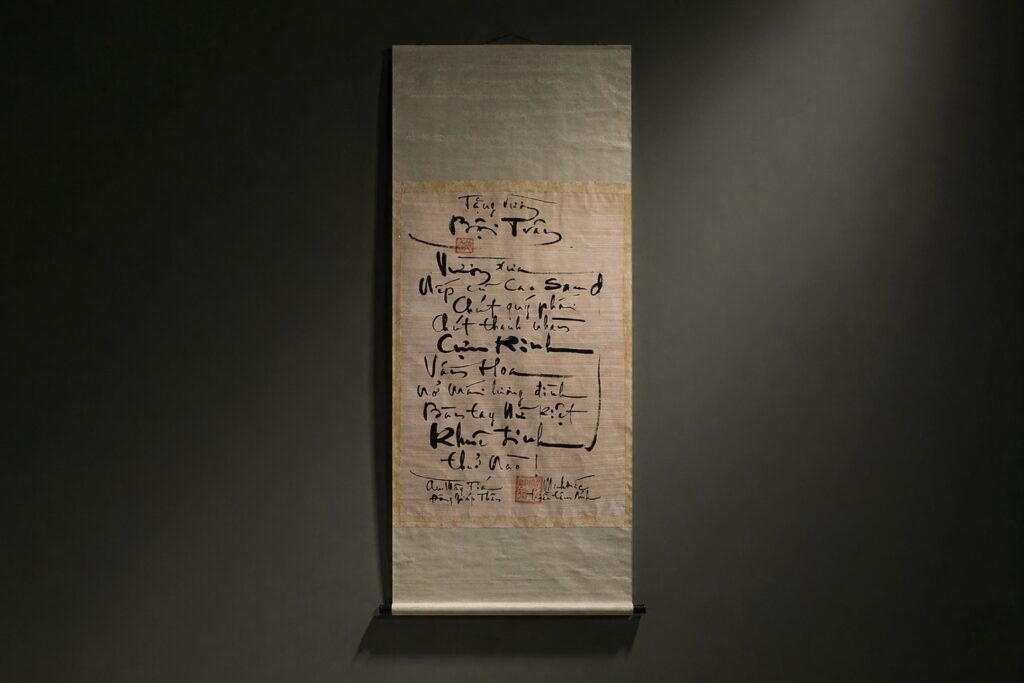
Dated 4 May 1996 in Hue, the letter bears the signature of Vinh Phoi (1938–2017). In a few restrained lines, he introduces a young painter and entrusts his evaluation to Boi Tran. There is no rhetoric, only a gesture of trust; a signature whose authority rests not on institutions, but on the life behind it.
It is not merely a recommendation, but a moral guarantee.
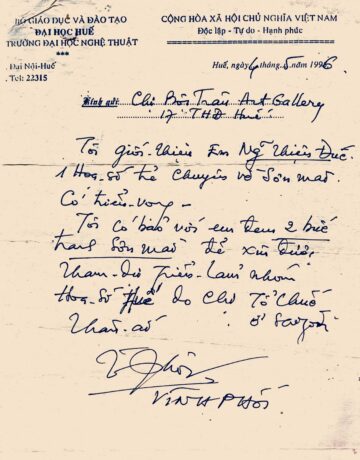
In 1996, a brief letter written at Hue University of Arts, under the letterhead of Hue University, exceeded its administrative function.
It was not merely a letter of introduction. It was an act of trust.
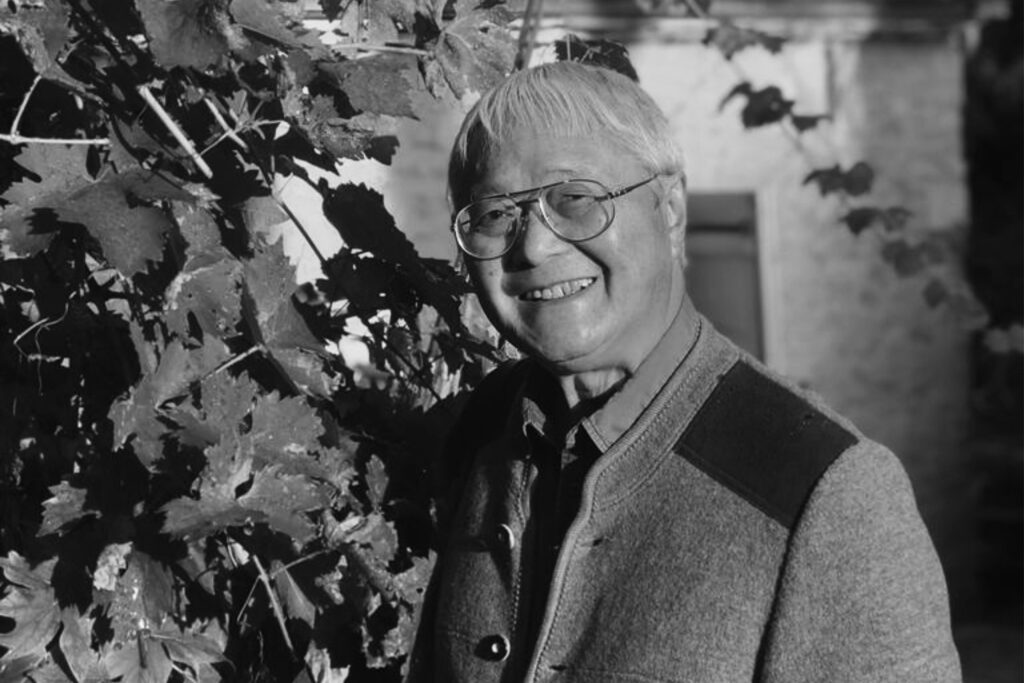
Dated 4 May 1996 in Hue, the document bears the signature of Vinh Phoi (1938–2017), one of the defining figures of modern art in Hue, a man of whom Trinh Cong Son once said:
“If you yearn for truth and integrity, ask Vinh Phoi.”
Here, that statement ceases to be an observation. It becomes form.
In a few concise lines, he introduces a young lacquer painter, Nguyen Thien Duc, described as “promising”, and suggests that his works be evaluated for participation in an exhibition in Saigon organised by Boi Tran.
There is no rhetoric. No extended justification.
Only a precise movement: one individual placing his trust in another.
To grasp the true significance of this letter, it must be situated within the life of its author at that moment.
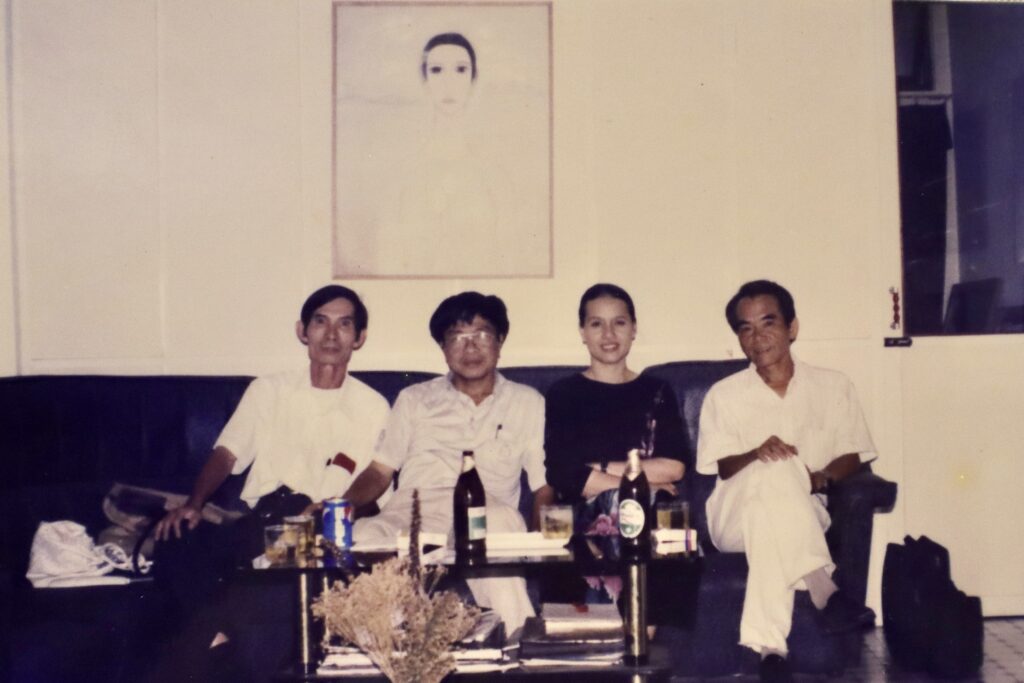
Vinh Phoi, born in Hue, belonged to a generation for whom art was not merely a discipline, but a moral position, a generation shaped between continuity and rupture, where fidelity to Hue was not a matter of form, but of spirit.
Educated at Gia Dinh School of Fine Arts, and later in Rome between 1960 and 1966, he returned to Vietnam to become not only a painter, but an architect of Hue’s artistic life, serving for decades in leadership at the Hue College of Fine Arts.
He did not simply teach art. He formed a generation.
Yet he remained, fundamentally, a painter, among the early figures of abstract expressionism in Vietnam, where painting ceased to describe and began to embody an inner field of energy.
Within him coexisted a rare duality: the discipline of the educator, and the freedom of the artist.
For this reason, the letter of 1996 cannot be read as an administrative gesture.
It is the expression of a system of values.
On the receiving end, Boi Tran had, at that time, established one of the earliest independent art spaces in post-reform Vietnam.
This was not merely a place of display.
It was a structure of connection, of transmission, a place where art could exist.
That Vinh Phoi entrusted a young painter to her reveals something essential: he did not only believe in the artist; he believed in the place where that artist would be received.
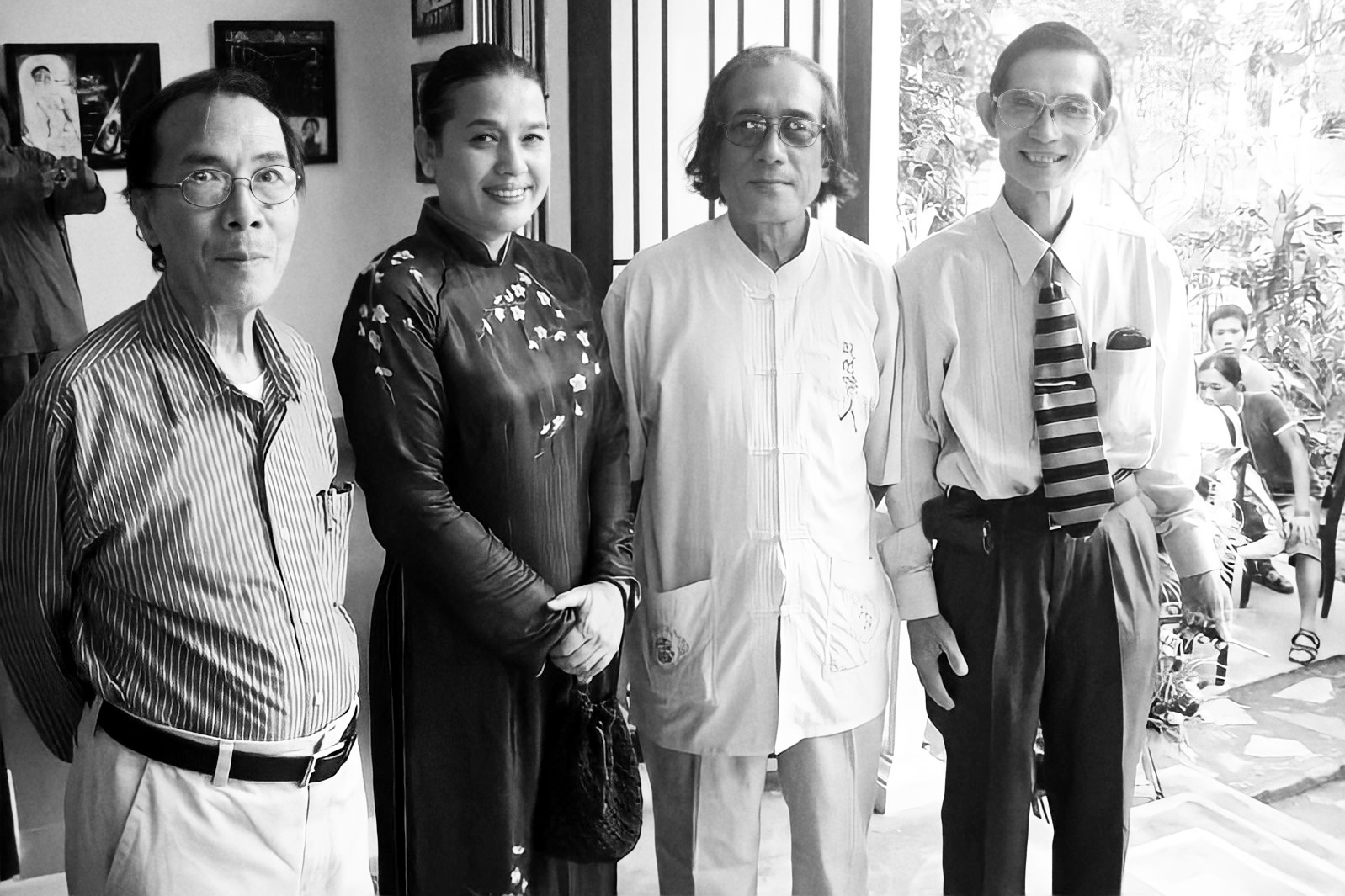
The letter reveals an invisible geometry.
A vertical axis: from teacher to emerging artist.
A horizontal axis: from Hue to Saigon.
At their intersection: Boi Tran and her gallery.
Here, art is no longer an object.
It becomes a current, a movement of transmission.
Seen from today, in an art world governed by documentation, attribution and dispute, this letter acquires another meaning.
It reminds us that before all systems, there existed a foundation at once simpler and more demanding: personal credibility.
There is no certificate here. No committee.
Only a signature.
Yet that signature carries the full weight of a life.
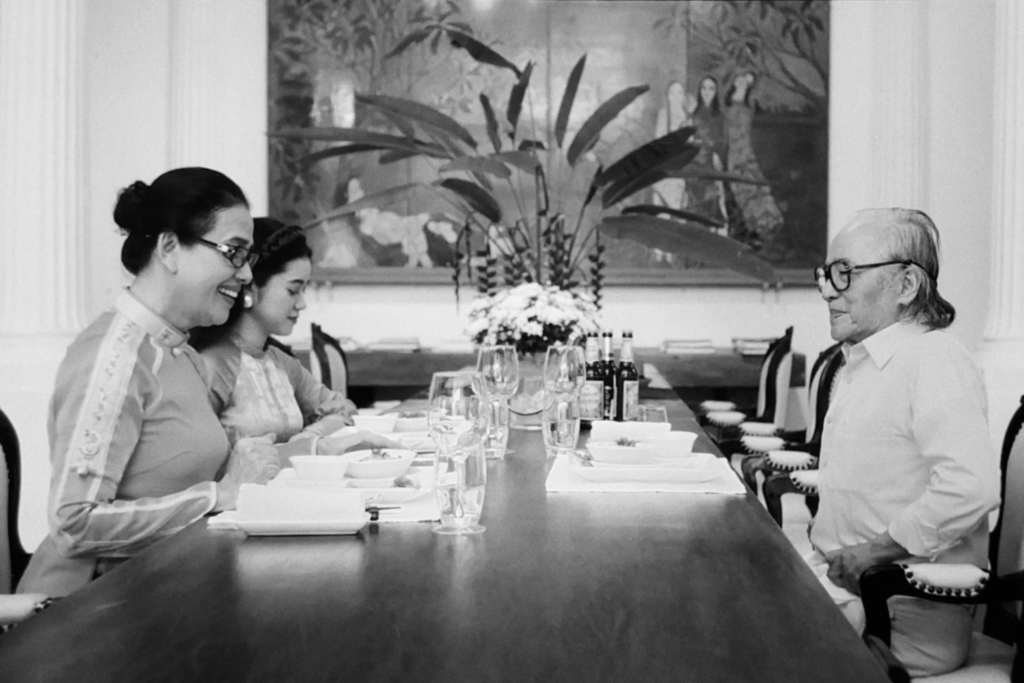
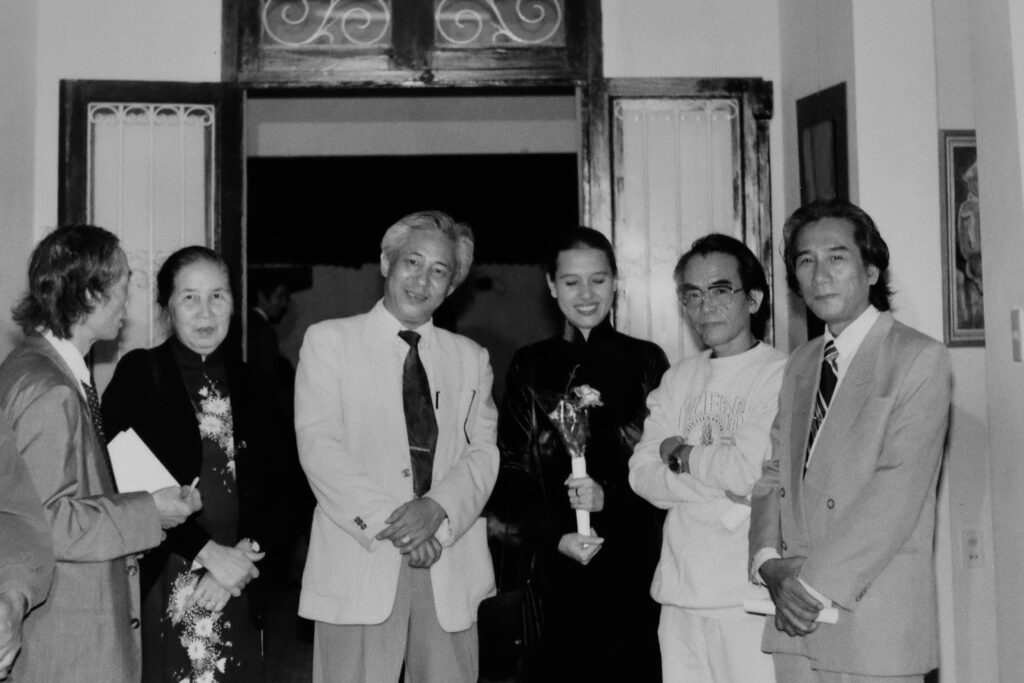
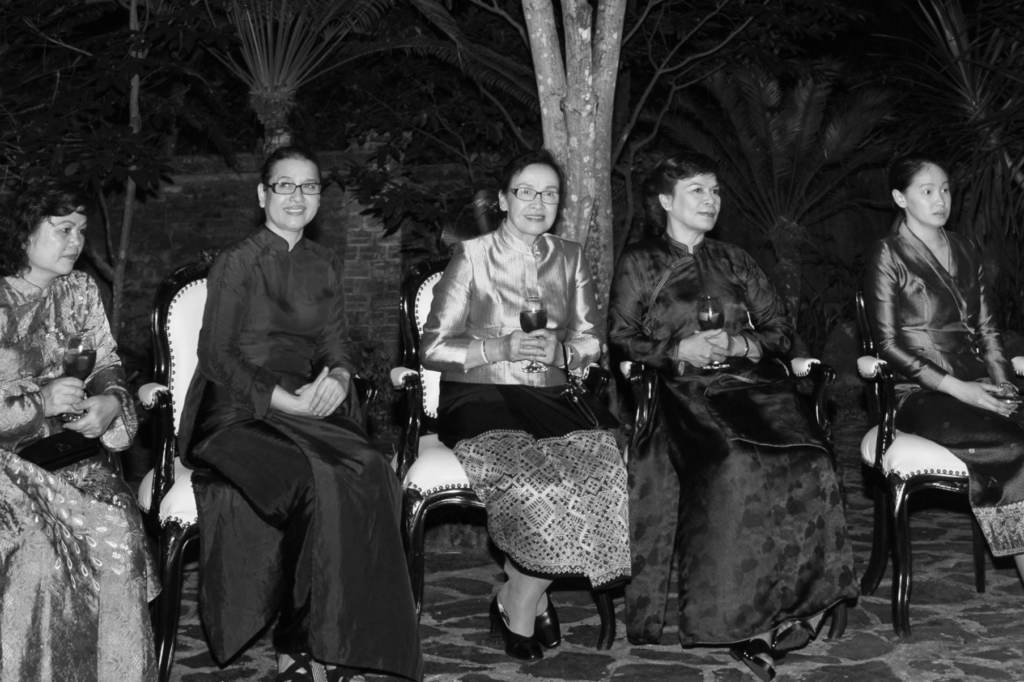
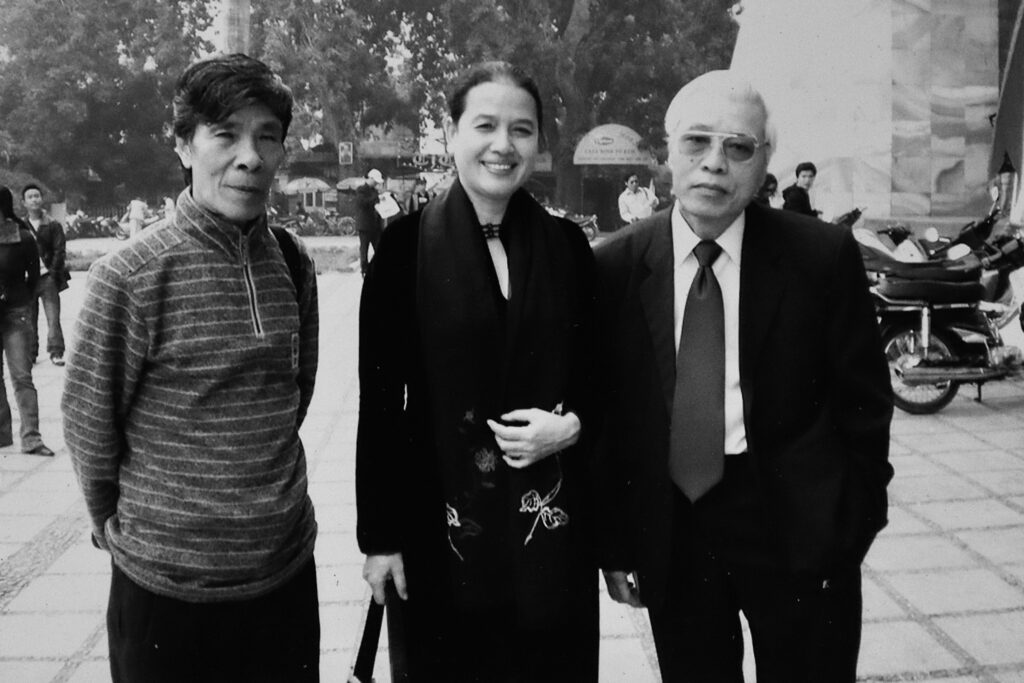
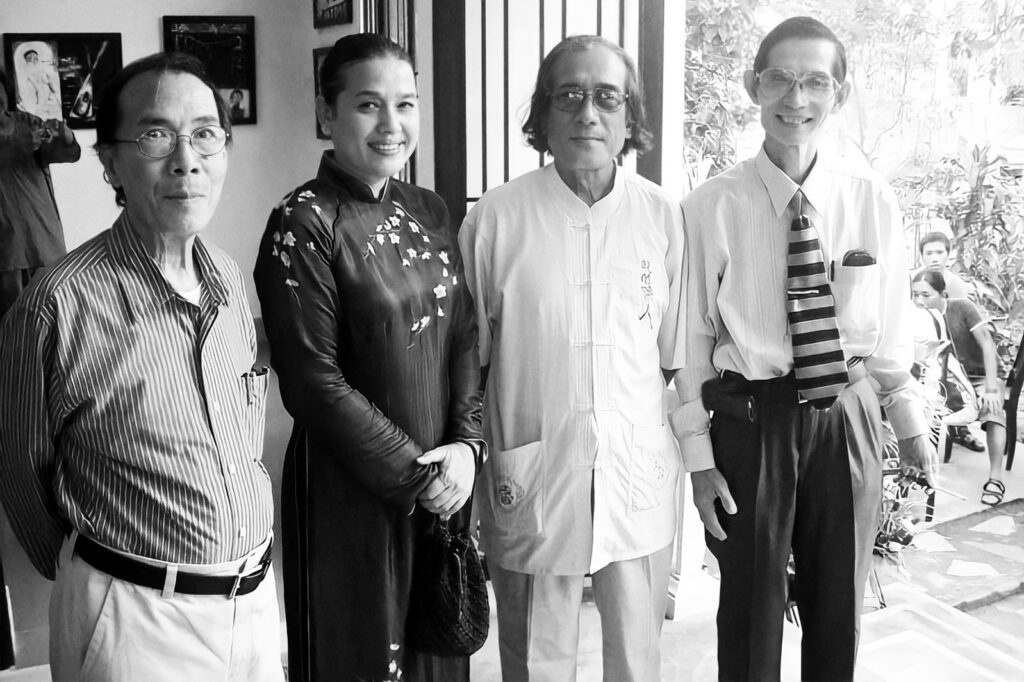
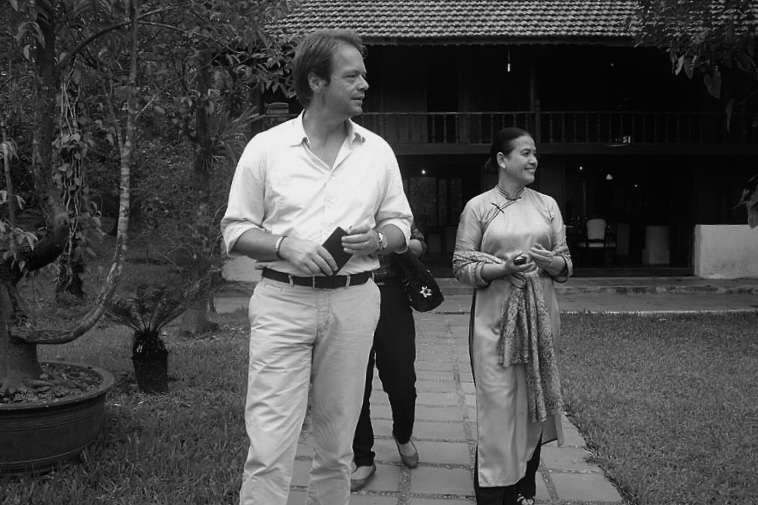
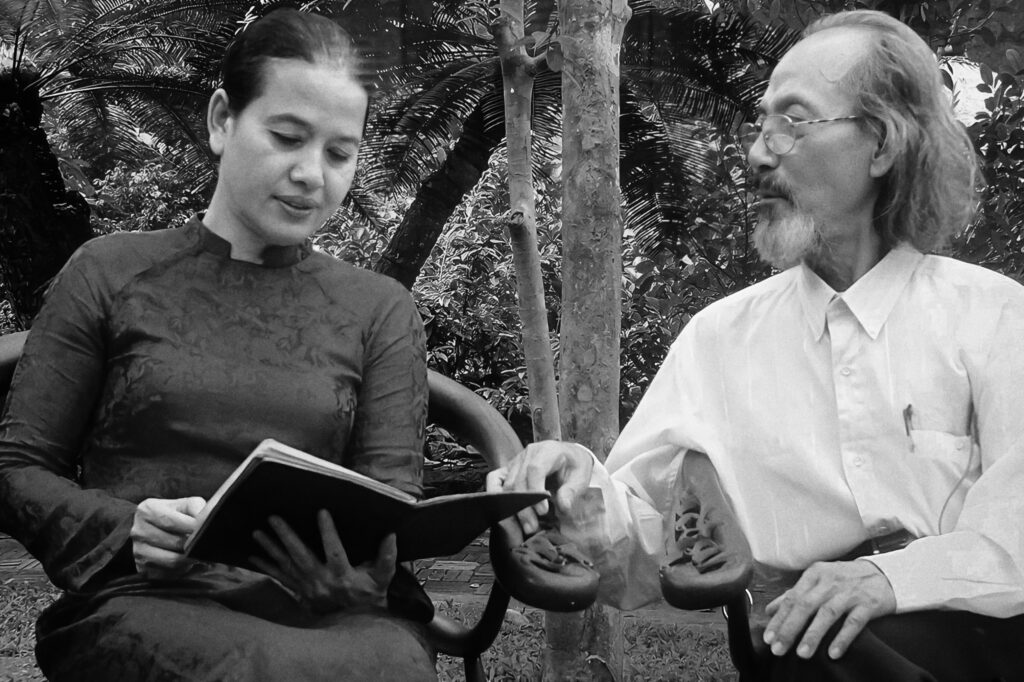
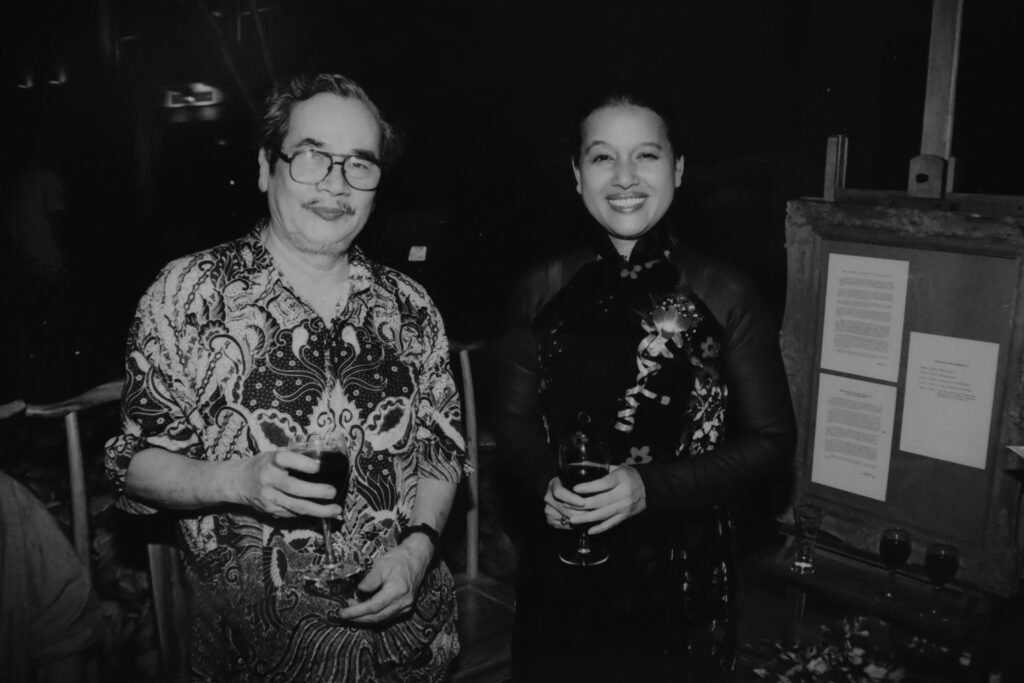
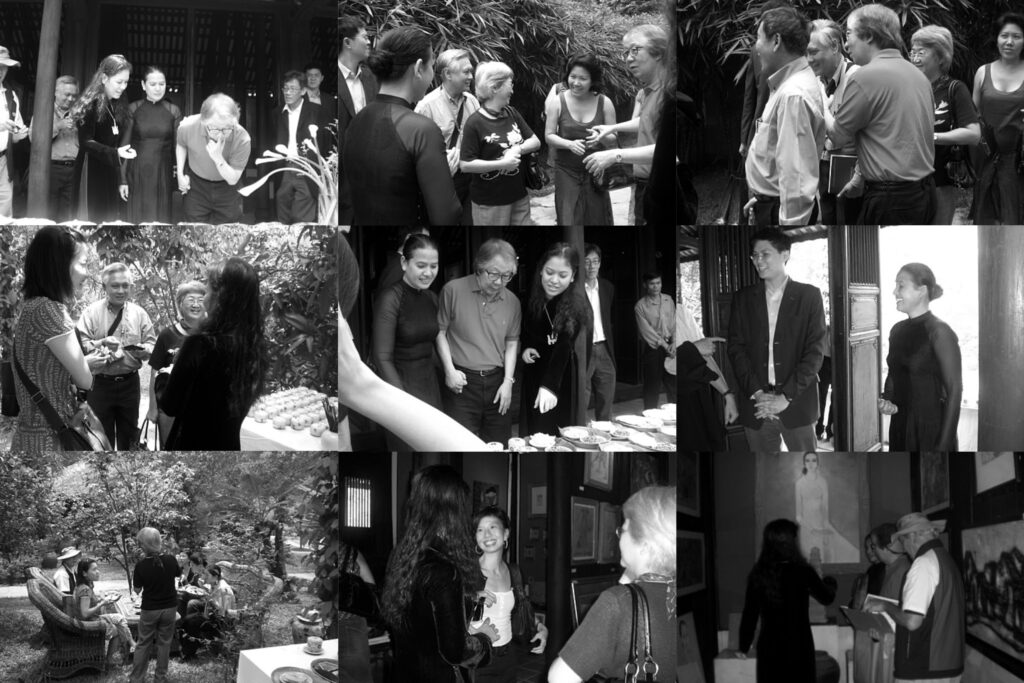
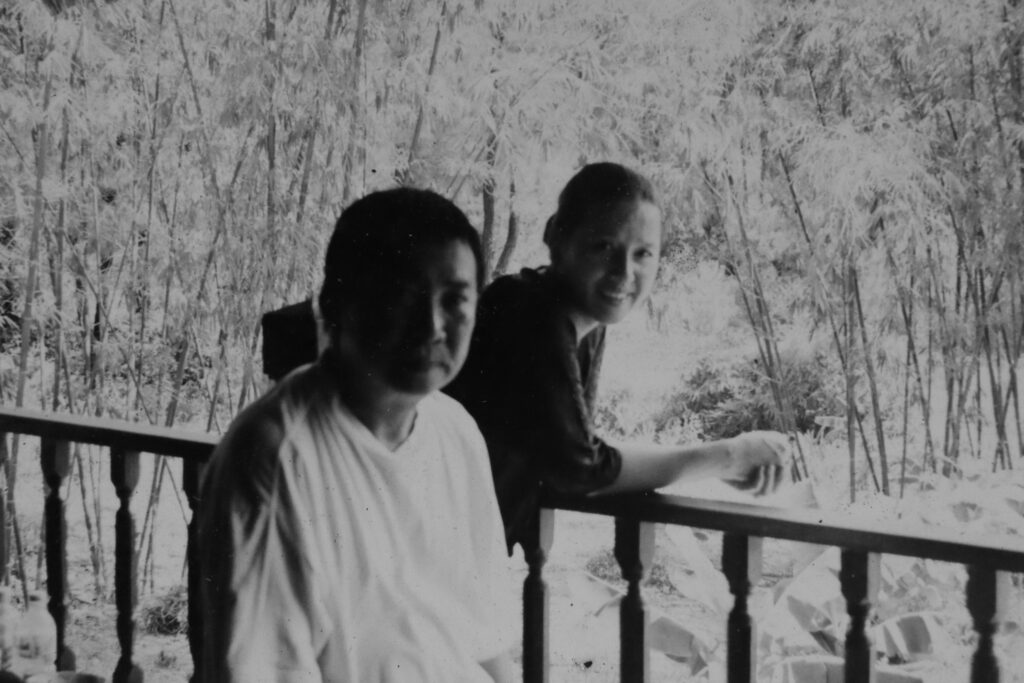
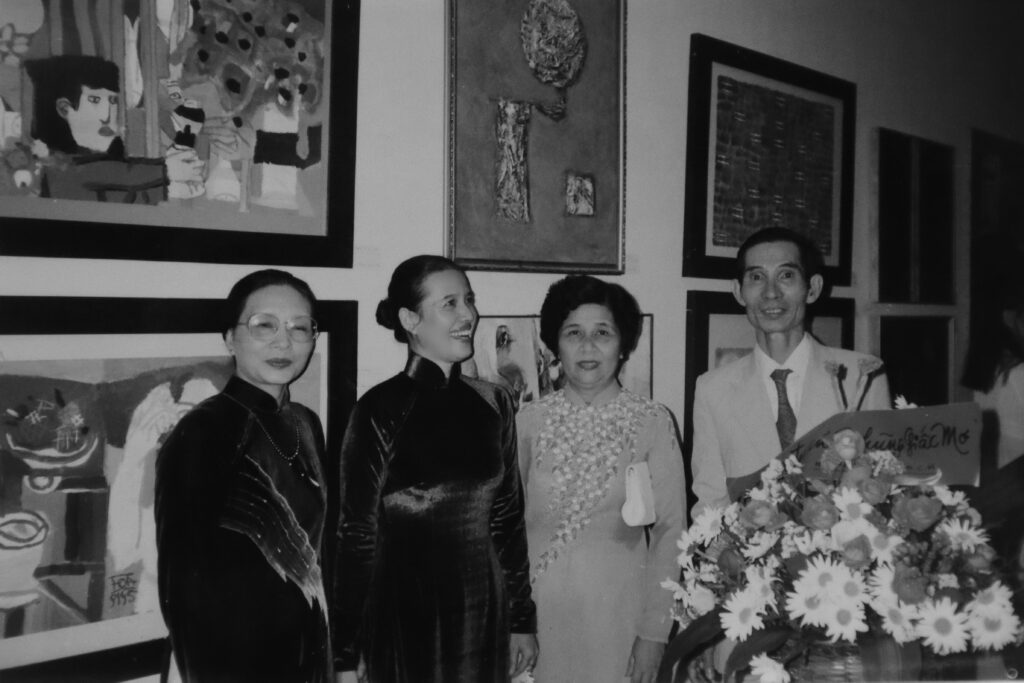
In a photograph taken circa 1994 at the opening of Boi Tran Art Gallery, where Vinh Phoi stands alongside his wife, the wife of Truong Be, and Boi Tran, one sees more than a moment. One sees a structure.
A network of individuals who chose to remain with Hue, not as a geographical condition, but as a commitment to its spirit.
The letter of 1996 is therefore not a secondary document. It is evidence.
That at a certain moment in the history of Vietnamese art, there existed a community in which trust was given without hesitation, responsibility assumed without condition, and art safeguarded not by discourse, but by individuals.
This is not a recommendation. It is the simplest form of something far more difficult to attain: a moral guarantee.